
Don't Let Termites Devalue Your Hampton Roads Home.
Whether you’ve spotted “flying ants” near your windows or noticed strange mud tubes on your foundation, waiting is the most expensive mistake you can make. Get a definitive ID today.
Is it a Flying Ant or a Termite Swarmer?
Every summer, thousands of homeowners in Virginia Beach and Norfolk mistake termite swarms for harmless ants. Here is how to tell the difference before the damage spreads:
- The Wings: Termites have four wings of equal length. Ant wings are unequal.
- The Waist: Termites have a thick, straight "cigar-shaped" body. Ants have a pinched, narrow waist.
- The Antennae: Termite antennae are straight and beaded; ants have bent, "elbowed" antennae. Pro Tip: If you see piles of discarded wings on your windowsills, you aren't looking at ants. You're looking at a colony that has already moved in.
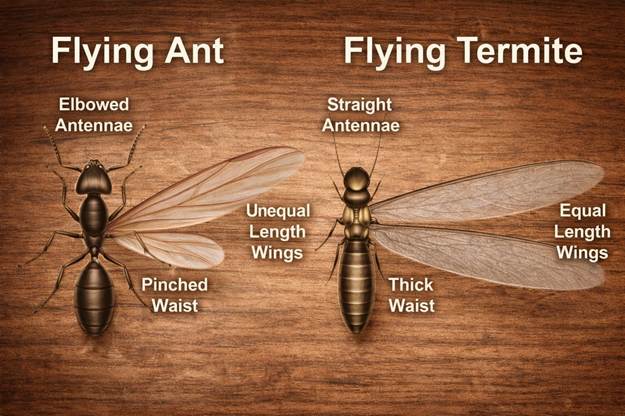
Why Hampton Roads is a Termite "Hot Zone"
Why Termites Thrive Here
Our high humidity and sandy soil create the perfect breeding ground for the Eastern Subterranean Termite.
A More Dangerous Species Has Arrived
Even more concerning, the Formosan “Super Termite” has been identified in the Tidewater area.
Why It’s Dangerous
Consumes wood at 10x the speed and can bypass traditional soil treatments by nesting above ground.
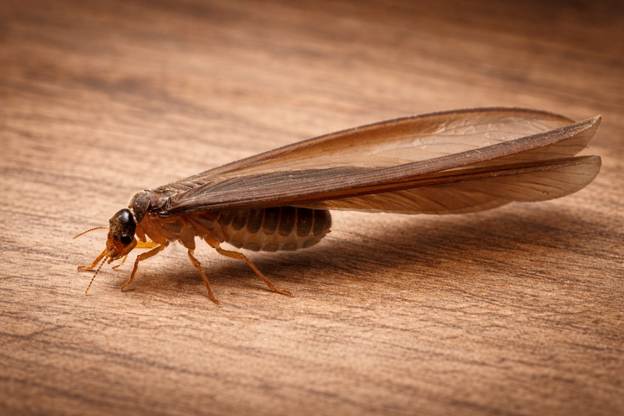
Swarming Termites Found in the Greater Virginia Beach Area
Check Your Home for These 4 Red Flags:
Mud Tubes
Look at your brick line or crawl space piers for "pencil-lead" tubes made of mud.
Sagging Flooring
Do your floors sag or bounce when you walk over them?
Random Wings
Have you found random wings in your window sills?
Bubbling Paint
If it looks like water damage but feels dry, termites are likely tunneling underneath.
Local Termite Damage
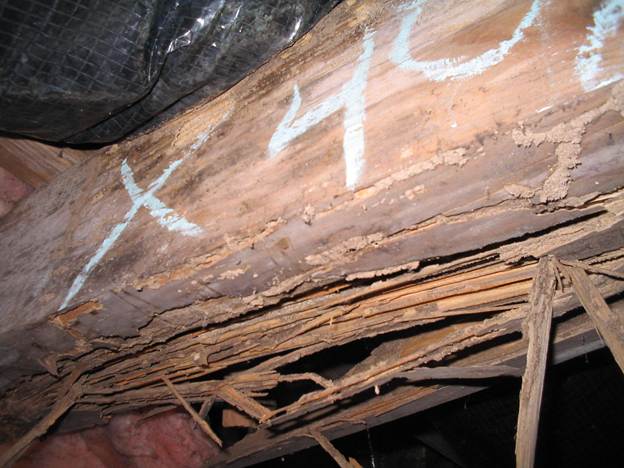
This image shows the devastating reality of active termite galleries found during a recent inspection in the Alanton neighborhood of Virginia Beach. Because of the high water table and sandy soil composition near Linkhorn Bay, homes in Alanton are in a high-pressure ‘hot zone’ for the Eastern Subterranean Termite. As you can see, these termites have completely hollowed out the structural rim joist, leaving behind the tell-tale ‘mud-lined’ tunnels they use to maintain moisture levels. At Universal Pest & Termite, we don’t just identify the damage—we provide the specialized structural repairs and moisture control solutions needed to protect the specific foundation types found in our coastal community.
Why Professional Treatment Beats DIY
A can of spray from a big-box store only kills the termites you see.
It won’t touch the queen or the 500,000 workers living under your foundation.
We don’t just spray — we build a strategic defense.
Local Expertise
We’ve protected Hampton Roads homes for decades.
Advanced Technology
Moisture meters and thermal imaging reveal what’s hidden behind your walls.
Guaranteed Protection
If we don’t find termites, you gain peace of mind. If we do, we create a clear elimination plan.
1,000s of homeowners choose Universal Pest & Termite, Inc.


Free Termite Inspection
Termite Identification FAQs
Questions we get from our customers and our answers.
How can I tell the difference between a termite and a flying ant?
Answer: While they look similar, you can identify them by three main features:
- The Waist: Termites have a thick, straight waist, while ants have a pinched, narrow waist.
- The Wings: Termite wings are all the same length; flying ants have longer front wings and shorter back wings.
- The Antennae: Termites have straight, beaded antennae, whereas ants have “elbowed” or bent antennae. If you see piles of discarded wings on a windowsill, it is almost certainly a sign of a termite swarm.
What do termite "mud tubes" look like?
Answer: Subterranean termites build “mud tubes”—pencil-thin tunnels made of soil and wood—to travel between the ground and your home’s wood structures. You will typically find these on foundation walls, brick lines, or in crawl spaces. If you break a tube and see small, creamy-white insects crawling inside, you have an active termite infestation.
Are Formosan termites found in Virginia Beach and Chesapeake?
Answer: Yes, the Formosan “Super Termite” has been identified throughout the Tidewater and Hampton Roads area. These termites are more aggressive than native Eastern Subterranean termites, as they can form “aerial colonies” that don’t require soil contact and can consume wood much faster. Professional identification is critical because standard soil treatments may not stop a Formosan colony.
Why am I seeing flying termites in my house but no wood damage?
Answer: Seeing “swarmers” (winged termites) inside is often the first sign of an infestation. These are reproductive termites looking to start a new colony. Because termites eat wood from the inside out, you often won’t see visible damage until the structural integrity of the wood is already compromised. If you see swarmers inside, the colony is likely already established under or within your home.
Can I identify termite damage by looking at my drywall or paint?
Answer: Yes, termites often leave “fingerprints” on your walls. Look for bubbling or peeling paint that resembles water damage but feels dry to the touch. You may also see tiny, pin-sized holes in the drywall (exit holes) or faint “map-like” lines appearing under the wallpaper. These are signs that termites are tunneling directly behind the surface.