
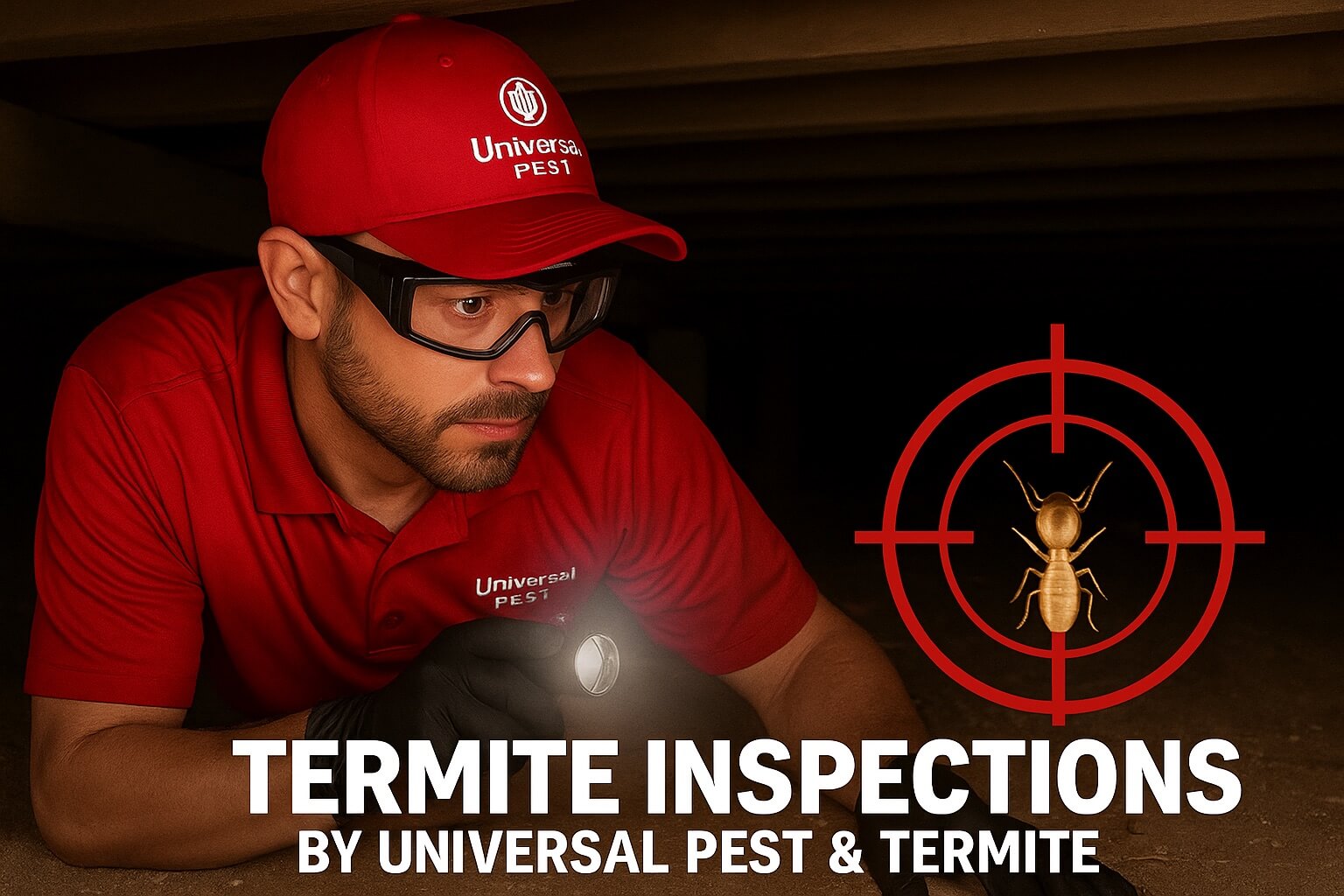
Termites in Hampton Roads; the silent destroyer. What do the professionals look for.
Termites are a serious threat to homes across Norfolk, Virginia Beach, Chesapeake, and the greater Hampton Roads region. Because of the coastal humidity, warm temperatures, and crawl-space construction common in the area, termites thrive year-round and can cause major structural damage if left untreated.
During a professional termite inspection, trained technicians carefully examine the home for active termite activity, past damage, and conditions that may attract termites.
One of the first things inspectors check for is mud tubes along the foundation or crawl space walls. Subterranean termites build these pencil-sized tunnels made of soil and saliva so they can travel between their underground colony and the wood inside the home while staying protected from dry air.
Inspectors also examine wood structures such as floor joists, sill plates, beams, and window frames. Termites eat wood from the inside out, often leaving the surface intact while weakening the structure underneath. This type of hidden damage is commonly found in crawl spaces under homes throughout Hampton Roads.
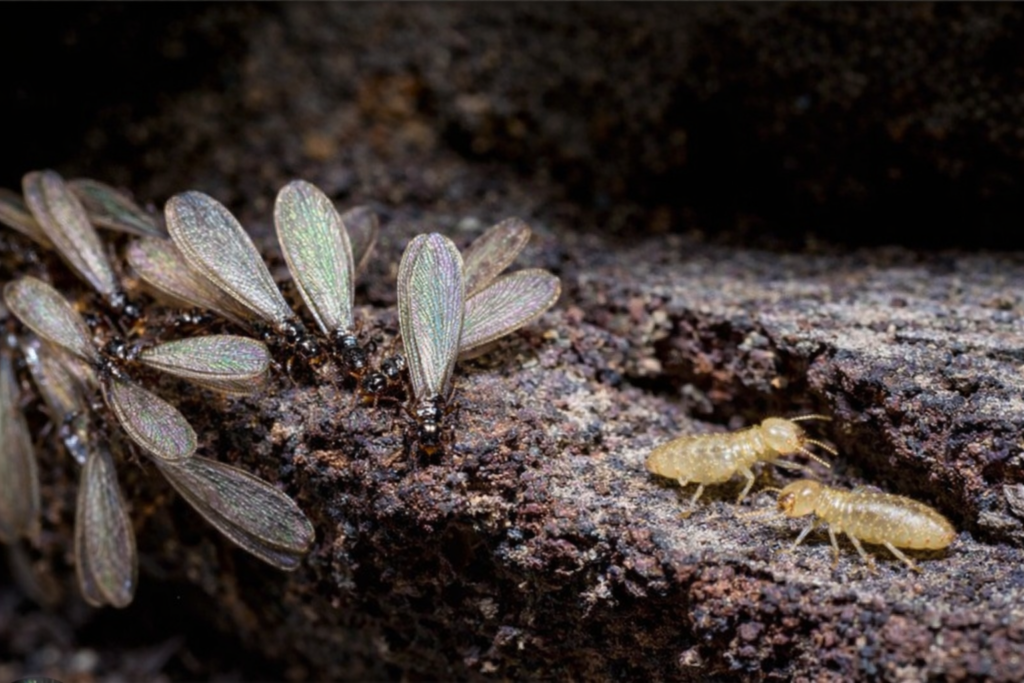
Another key sign inspectors look for is swarming termites or discarded wings, often found near windows, doors, or light fixtures. Termite swarms typically occur during the summer months in Hampton Roads, when reproductive termites leave the colony to start new colonies.
Moisture conditions are also inspected carefully. Termites depend on moisture to survive, so inspectors check crawl spaces, plumbing areas, damp wood, and foundation areas where moisture may collect.
Finally, inspectors look for entry points around the structure, including foundation cracks, wood-to-soil contact, and gaps around utility lines that termites could use to access the home.
A professional termite inspection helps homeowners identify activity early and prevent costly structural damage.
2026 Termite Prediction for Hampton Roads
Termite activity across Hampton Roads is expected to remain high in 2026 due to the region’s warm climate and coastal humidity. Homes in Norfolk, Virginia Beach, Chesapeake, Portsmouth, and Suffolk provide ideal conditions for subterranean termites.
Experts expect several trends in 2026:
- Early termite swarms in the summer due to mild winter temperatures
- Increased activity in crawl space homes, which are common throughout the region
- Higher risk in neighborhoods near water, wooded areas, and older homes
- Continued growth of large subterranean termite colonies underground
Because termites can remain active for most of the year in coastal Virginia, annual termite inspections and preventative treatments are highly recommended for homeowners in Hampton Roads.
FAQ About Termite Inspections
1. How long does a termite inspection take?
Most inspections take 30–60 minutes, depending on the size of the home and accessibility of crawl spaces or attics.
2. What areas of the home are inspected?
Inspectors typically examine the foundation, crawl space, attic, exterior walls, support beams, and other wood structures.
3. How often should homes in Hampton Roads be inspected for termites?
Because the region has high termite activity, most experts recommend a termite inspection once per year.
4. Are termite inspections expensive?
Pricing can vary depending on the size of the home and inspection requirements, but inspections are generally affordable and help prevent costly structural damage.
5. What happens if termites are found during the inspection?
If termite activity is discovered, technicians may recommend liquid termite treatments or a termite baiting system to eliminate the colony and protect the home.