
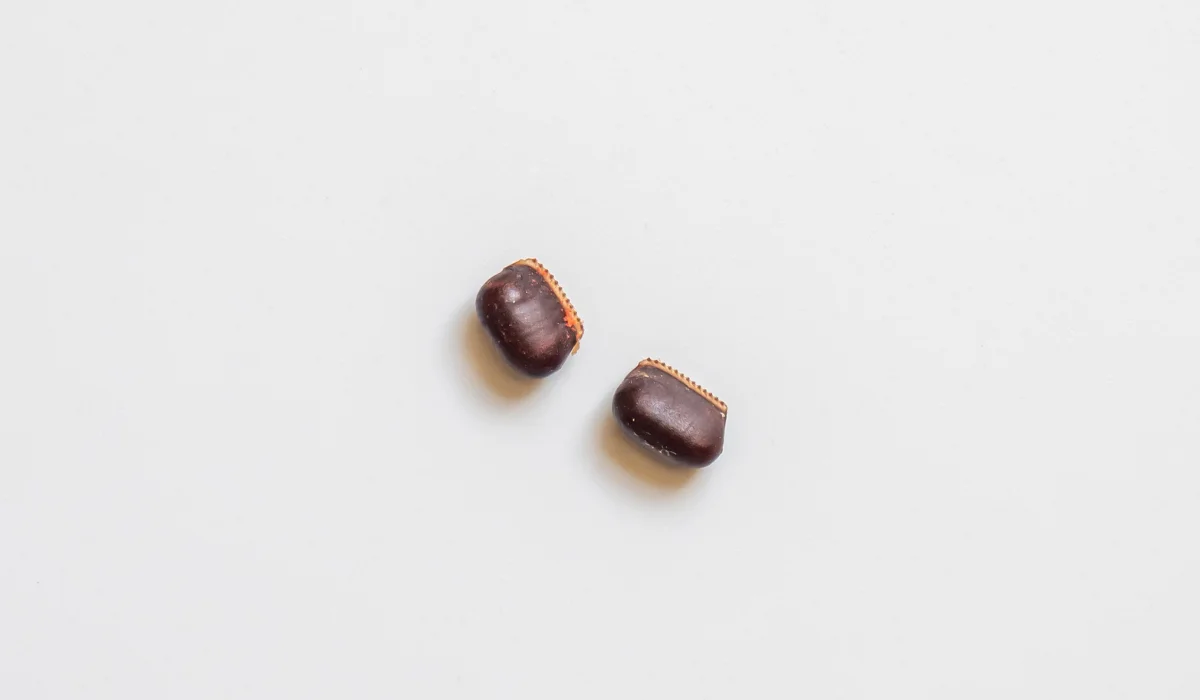
Finding cockroach eggs in your home can be stressful. Many homeowners in Norfolk first notice small capsules along baseboards, under appliances, or inside cabinets. These capsules are egg cases that protect developing cockroach eggs.
Learning how to spot cockroach egg cases early can help stop a growing cockroach infestation. In this guide, you will learn what cockroach eggs look like, where egg sacs hide in houses, how to tell them apart from similar objects, and when you need professional cockroach control.
Key Takeaways
- Cockroach eggs grow inside a capsule called an ootheca, which holds many roach eggs.
- A female cockroach can lay eggs many times during her life cycle.
- Egg sacs often hide in kitchens, basements, crevices, and behind appliances.
- Early inspection and professional pest control services help stop a cockroach infestation.
Quick Identification Checklist for Egg Cases
Norfolk is home to many types of cockroaches, and you may not be able to tell their egg cases apart. Use this quick checklist to help identify roach eggs before the infestation spreads.
Size and Shape
Most cockroach egg cases are about the size of a small bean. The shape is oval and slightly curved. Inside the capsule are several cockroach eggs.
Different species of cockroach produce different egg sizes. For example, German cockroach eggs are smaller than those from an American cockroach egg case. American cockroaches grow large, so their egg cases are often bigger. Even so, most egg sacs share the same capsule shape.
Color and Surface Texture
Many homeowners wonder what cockroach eggs look like. Egg cases often start light brown. As they age, they turn dark brown or reddish-brown.
The outside surface has small ridges. These ridges help the case open when the eggs hatch. The strong protective casing keeps the roach eggs safe until the cockroach nymph stage begins.
Presence of Roach Activity
Egg sacs rarely appear alone. If you see cockroach egg cases, look for other signs. These may include droppings, shed skins, or a small cockroach nymph nearby.
These signs often indicate a growing cockroach infestation. The life cycle moves fast. Because of the high reproduction rate, even a single female can create many roaches.
What Cockroach Egg Cases Look Like
Cockroaches don’t lay their eggs out in the open. Roaches place them inside a capsule that protects them until they hatch. The color and size often depend on the type of cockroach.
The Ootheca Structure
Cockroach eggs grow inside a capsule called an ootheca. This capsule forms a protective casing around the eggs.
Each cockroach ootheca may hold many eggs. When the eggs hatch, young roaches, called nymphs, appear. A cockroach nymph looks like a smaller version of an adult.
These nymphs continue through several stages of the life cycle before becoming adults.
Color Differences by Species
The look of egg sacs often depends on the species of cockroach.
A German cockroach produces small, light brown egg cases. The female usually carries the case until the eggs hatch.
An American cockroach egg case is larger and often reddish-brown. Oriental cockroach eggs are usually dark brown and placed in hidden areas.
You may also see brown-banded cockroach eggs inside homes. The brown-banded cockroach attaches egg cases to walls, ceilings, or furniture. These egg sacs are often called brown-banded roach eggs.
Placement Behavior
Different roaches lay eggs in different ways. According to NC State Extension, female German cockroaches typically produce 5-8 oothecae over their lifetimes. The female also often carries the ootheca until the eggs hatch.
A brown-banded roach behaves differently. According to the Pennsylvania State University Extension, female brown-banded roaches carry their egg capsules for about 30 hours before attaching them to surfaces like walls, ceilings, cabinets, or furniture. This allows brown-banded cockroach eggs to remain hidden until they hatch, helping the infestation spread through the house.
Where to Find Them in Houses
Roaches hide their egg sacs in quiet places. These spots are warm, dark, and close to food sources.
Kitchens and Appliances
Kitchens often attract roaches because they provide heat and easy access to food. Appliances such as refrigerators generate warmth that draws roaches to these areas.
Egg sacs may appear behind refrigerators, under sinks, or inside cabinets. These areas provide warmth and protection.
Baseboards and Wall Crevices
Roaches like narrow spaces. Baseboards and small crevices in walls are common hiding spots.
These areas may also serve as entry points, allowing roaches to move through the house. Pest management inspections often check these spaces during roach control.
Basements and Storage Areas
Basements often contain boxes, clutter, and damp areas. These spaces create good hiding spots for roaches.
You will usually find Oriental cockroach eggs in basements. Dark storage areas allow egg sacs to stay hidden until the eggs hatch.
Common Lookalikes and How to Rule Them Out
Some objects resemble cockroach egg cases. Knowing the differences can help homeowners avoid confusion.
Beetle Egg Clusters
Some beetle species leave egg clusters that resemble roach eggs. However, beetle eggs appear in loose groups.
Cockroach egg cases form one capsule with a protective casing.
Seed Husks or Food Debris
Seed shells or food pieces sometimes look like egg sacs. These objects usually do not have the ridged surface of a cockroach ootheca.
They also break apart easily. A real egg case stays firm because it protects the developing eggs.
Shed Skins
Roaches shed skins during their life cycle. These shed skins may appear light brown and resemble egg sacs.
The shape makes the difference. Shed skins look like hollow insects with legs. Egg sacs look like smooth capsules.
Powder or Dust Treatments
Some homeowners try home treatments such as boric acid for roach problems. While boric acid may reduce some roaches, it does not remove hidden egg sacs.
As a result, new cockroach nymphs may still appear after treatment. Professional pest control can locate hidden egg cases and stop the infestation.
Schedule a Cockroach Inspection in Norfolk, VA
Finding cockroach eggs, roach eggs, or cockroach egg cases often means a roach infestation has started. Because the reproduction rate is high, even one egg case can release many cockroach nymphs.
Universal Pest & Termite has helped homeowners in Norfolk and the Hampton Roads area deal with roach problems for more than 24 years. Our team understands all types of cockroaches found in the region. We use proven pest management methods to remove infestations and restore pest-free homes.
If you have seen egg sacs, droppings, or other warning signs, a trained exterminator can inspect your home and start cockroach control. Contact us today to request a free quote and schedule professional pest control services.
Norfolk Homeowner FAQ: Cockroach Eggs & Eradication
1. What do cockroach egg cases look like in my Norfolk home? In our humid Norfolk climate, you’re likely seeing an Ootheca. This is a small, brown, capsule-shaped case that looks like a tiny dried bean. German Roaches (the ones in your kitchen) carry these until they are ready to hatch, while American Roaches (Palmetto Bugs) glue them into dark, damp areas like your Universal Insulation Doctor attic barriers or near your HVAC returns.
2. If I find one egg case, how many roaches am I dealing with? This is the “Silent Killer” of home hygiene. A single German cockroach egg case can contain up to 40 baby roaches. Because they hatch every 20-30 days, one ignored case in a warm Ghent or Larchmont kitchen can turn into thousands of roaches in just a few months. This is why a “Doctor-level” intervention is required to break the breeding cycle.
3. Can cockroach eggs survive inside my air ducts? Yes. Cockroaches love the darkness and consistent temperature of your HVAC system. They often deposit egg cases in the dust buildup inside your vents. This is why we recommend the Universal Advantage: we treat the pest infestation and follow up with Universal Duct Cleaning to physically remove the egg cases and biological triggers from your home’s “lungs.”
4. Will “Bug Bombs” from the store kill the egg cases? No. Most hardware store sprays and “bombs” cannot penetrate the hard, protective shell of the Ootheca. Even if you kill the adults, the eggs will hatch a week later, starting the infestation all over again. Our professional non-repellent baits are designed to be shared among the colony, reaching the nests that DIY sprays simply can’t touch.
5. What is the pricing for Cockroach Control in Norfolk? We believe in transparent, upfront pricing to restore your peace of mind:
Universal Easy Payments: For larger residential or commercial projects, we offer flexible monthly installments to ensure you get the “cure” today without the financial sting.
The “Clean-Out” Service: For heavy existing infestations, a deep-treatment flushing and baiting service typically ranges from $250 to $450.
Total Home Protection Plan: Our most popular choice for Norfolk families. Starting at just $34 to $49 a month, you get year-round protection against roaches, ants, and spiders with no long-term contracts.