The Coastal Virginia Termite Loop: Why One Treatment Isn’t a “One and Done
George Pilkington
Keep ants out of your pantry, spiders off your ceiling, and your kids’ playroom worry-free. All backed by our pest-free guarantee.
Yearly Visits From Swarming Termites in the Greater Virginia Beach Area Even After a Treatment
If you live in Virginia Beach, Chesapeake, or Norfolk, you know the drill. Every summer, like clockwork, the air gets heavy, the humidity spikes, and suddenly—the swarms appear. It’s frustrating, especially when you’ve already invested in a termite treatment.
You might be asking yourself, “I paid for a treatment, so why are they back?” As a leader in the home service industry, I see homeowners struggle with this constantly. The truth is, fighting termites in Tidewater isn’t a single battle; it’s a long-term siege. Here is why these persistent pests keep knocking on your door year after year.
1. The “Chemical Gap” and Soil Shifting
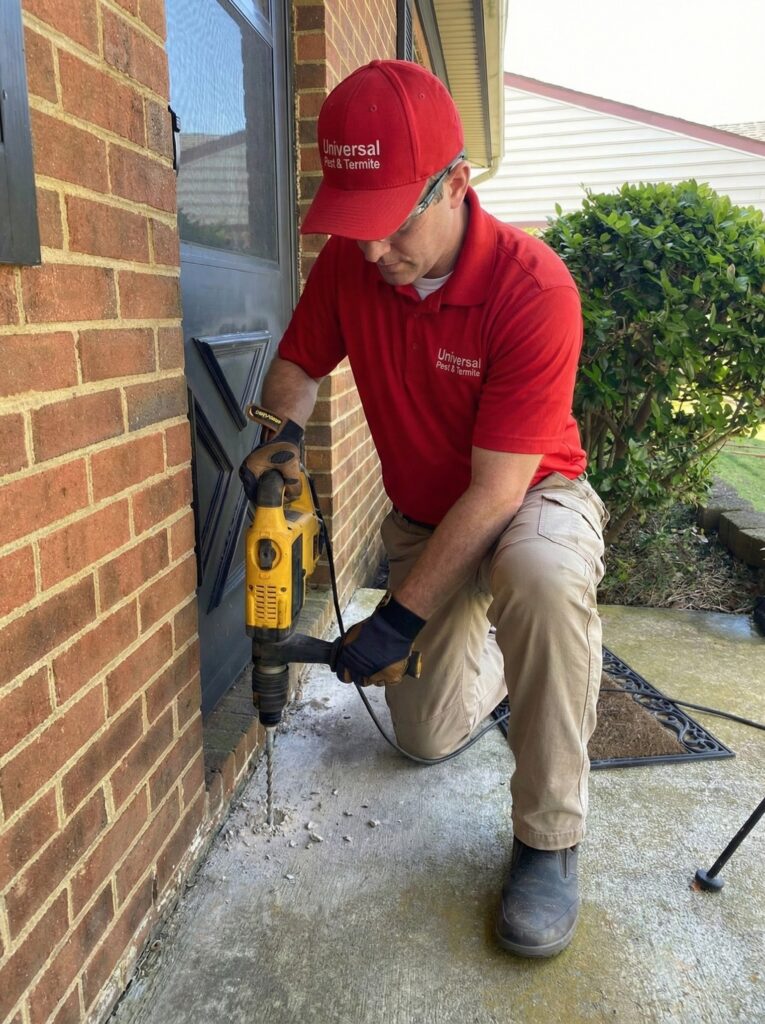
Most liquid termite treatments work by creating a continuous barrier in the soil around your foundation. However, our local environment is anything but stable.
Heavy Rain & Flooding: Nor’easters and summer storms can physically wash away or dilute the protective barrier.
Landscaping Changes: Digging a new flower bed or adding mulch can break the chemical “seal,” giving termites a clear highway straight to your rim joist.
2. We Live in a Subterranean Super-Colony
In Coastal Virginia, we aren’t dealing with isolated pests; we are sitting on top of massive underground networks of Eastern Subterranean Termites.
A single colony can forage over an area the size of a football field. Even if you eliminate the termites currently attacking your home, there are millions more just a few yards away in your neighbor’s yard or that old silver maple stump down the street. They are constantly “exploring,” and your home is always on the map.
Formosan Termites: While less common than subterraneans, these guys can start “aerial” colonies in roofs or gutters if there is enough moisture.
Wood-to-Ground Contact: If your deck stairs or siding touch the dirt, you’ve given them a bridge that skips the treated soil entirely.
4. High-Moisture Environments
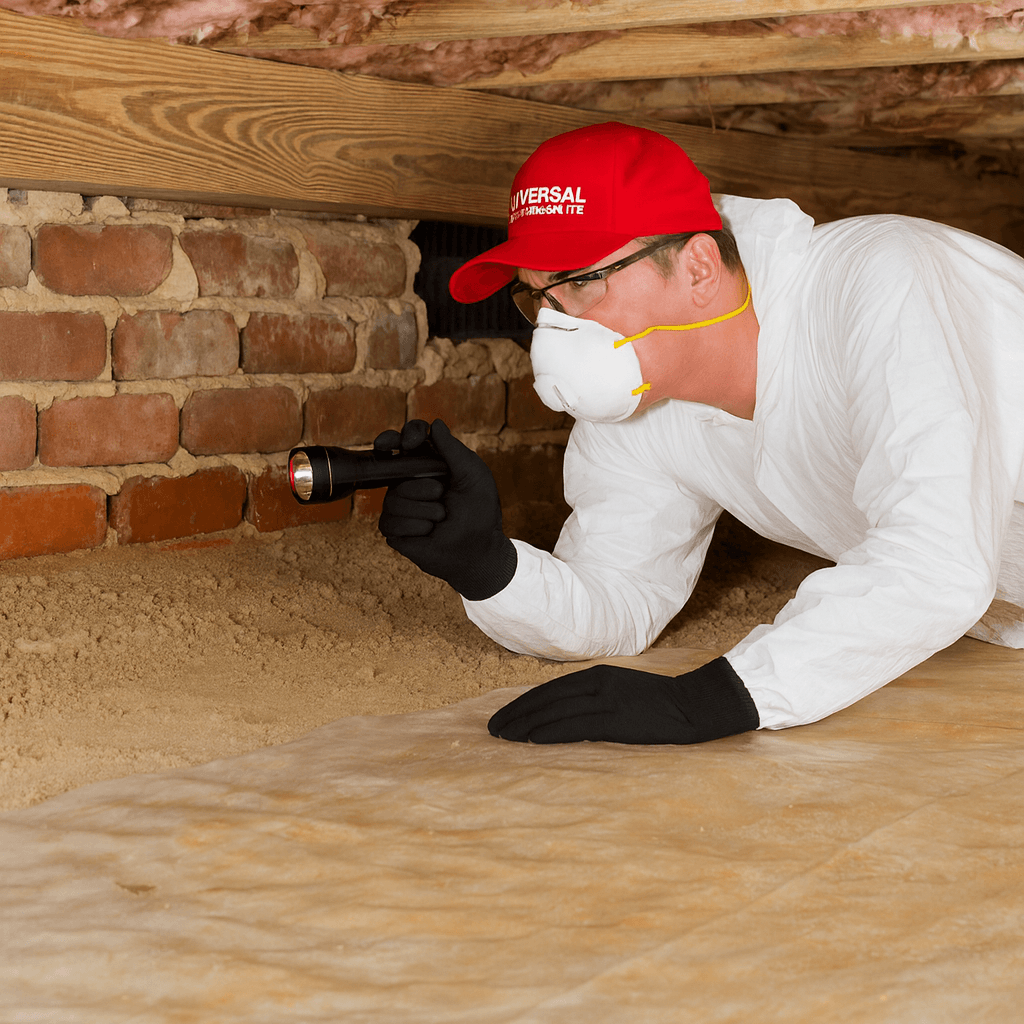
Termites don’t just eat wood; they seek moisture. With our local humidity levels and high water table, many crawl spaces in our area stay damp year-round. If your crawl space isn’t encapsulated or properly ventilated, it remains a giant “Open” sign for termites, regardless of how much chemical is in the dirt outside.
The Solution: The “Protection” Mindset vs. The “Treatment” Mindset
In the home service world, we teach that protection is a process, not a product. To keep your home safe in the long run, you need a multi-pronged approach:
Annual Inspections:Termites are masters of disguise. A professional ear and eye can catch a breach in the barrier before it becomes a structural nightmare.
Moisture Control: Keeping your crawl space dry is just as important as the treatment itself.
Warranty Renewals: Think of your termite bond like an insurance policy. It ensures that if they do find a way through—and in Virginia, they often try—the cost of retreatments and repairs doesn’t fall on you.
Pro Tip: Don’t wait for the swarm to call a professional. By the time you see wings on your windowsill, the termites have likely been “at lunch” in your walls for months.
5 Frequently Asked Questions (FAQ)
1. I treated my house five years ago. Isn’t that chemical still active in the soil?
It might be, but in the sandy, flood-prone areas of Coastal Virginia (like Chic’s Beach or the Oceanfront), heavy weather and tidal events can erode or dilute the treatment much faster than in drier regions. A lot can happen in five years—including new landscaping or soil settling—that creates breaks in that barrier. That’s why we highly recommend annual inspections to check the barrier’s integrity.
2. Can I just spray the termites I see on my windowsill and call it a day?
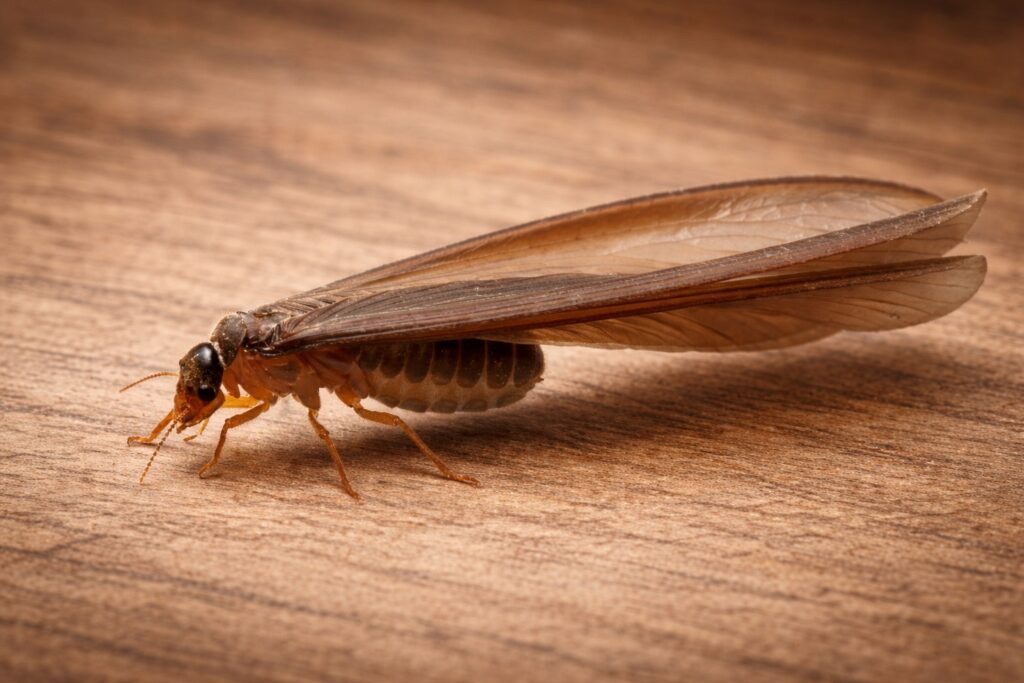
Unfortunately, no. The winged swarms you see inside are the reproductive adults trying to mate; they don’t actually eat the wood. Spritzing them might solve the immediate nuisance, but it doesn’t touch the main colony—the thousands of workers still underground, actively consuming your structural lumber. The swarm is just a symptom of a deeper, hidden problem.
3. I have a brick-and-mortar home. Do I still need to worry about termites?
Yes, absolutely. This is one of the biggest misconceptions in Virginia Beach. Brick and mortar provide an exterior facade, but the internal frame, subfloor, and rim joists (the connection point between the foundation and the walls) are almost always made of wood. Termites only need a 1/32-inch crack in the foundation—the thickness of a piece of paper—to slip past the brick and start eating the unseen structure inside.
4. What are those mud tubes on my foundation, and do they mean a treatment failed?
Mud tubes are covered tunnels that subterranean termites build to shelter themselves from the open air as they travel from the ground to your wood structure. If you have been treated and are seeing fresh mud tubes, it is a sign that the termites have found a breech in the treatment zone (perhaps through a crack in the concrete slab or a new landscaping bed). This is exactly why a termite warranty (or “bond”) is vital; it should cover the necessary retreatment of that area.
5. Are Formosan termites a problem here, or is that just a “Florida problem”?
They are definitely a Virginia problem now. Formosan subterranean termites, which create much larger colonies and can form “aerial colonies” above ground, have been present in the Hampton Roads area for several years. They love our heat and humidity. They are more aggressive and can do significant damage more quickly than our native Eastern Subterranean termites. If you have any water leak issues in your roof or walls, a Formosan termite will be your biggest threat.