Termites are a common concern for homeowners in Newport News. Subterranean termites live underground and quietly feed on wood, so damage often begins long before clear warning signs appear.
Two common termite control methods are termite bait systems and liquid barrier treatments. Each protects a home differently.
Knowing how these termite treatment methods work helps homeowners choose the best termite treatment for their property.
Key Takeaways
- Termite bait systems rely on foraging termites carrying the bait back to the colony, allowing the treatment to spread among many colony members over time.
- Liquid termite treatments create a liquid barrier in treated soil around the home.
- The best termite treatment depends on the home, soil conditions, and termite activity.
- A professional termite inspection helps pest control professionals recommend the right solution.
Termite Bait vs. Liquid Barrier: What’s Different
When comparing termite bait systems and liquid barriers, homeowners should understand how each treatment stops termite activity. Both methods protect homes from destructive pests such as subterranean termites, but each addresses termite activity differently.
How Each Treatment Targets Termites
A termite baiting system places termite bait stations around the yard. Foraging termites find the stations while searching for wood and other food sources. They feed on the termite bait and carry it back to the colony.
Weather and soil conditions can change termite activity. According to the University of California Agriculture and Natural Resources, termite foraging near the soil surface October be limited during summer months, especially in areas that are not irrigated.
Termites naturally share food with other members of the colony. Because of this behavior, termite bait spreads through the entire colony. As termites molt, certain termite bait products interfere with their development. Over time, this process can reduce termite populations and October eliminate termite colonies.
Liquid termite treatments work differently. Technicians apply the treatment to the soil around the home’s foundation. The treated soil forms a liquid barrier around the foundation. This barrier helps stop subterranean termites from reaching the structure.
Installation and Application Process
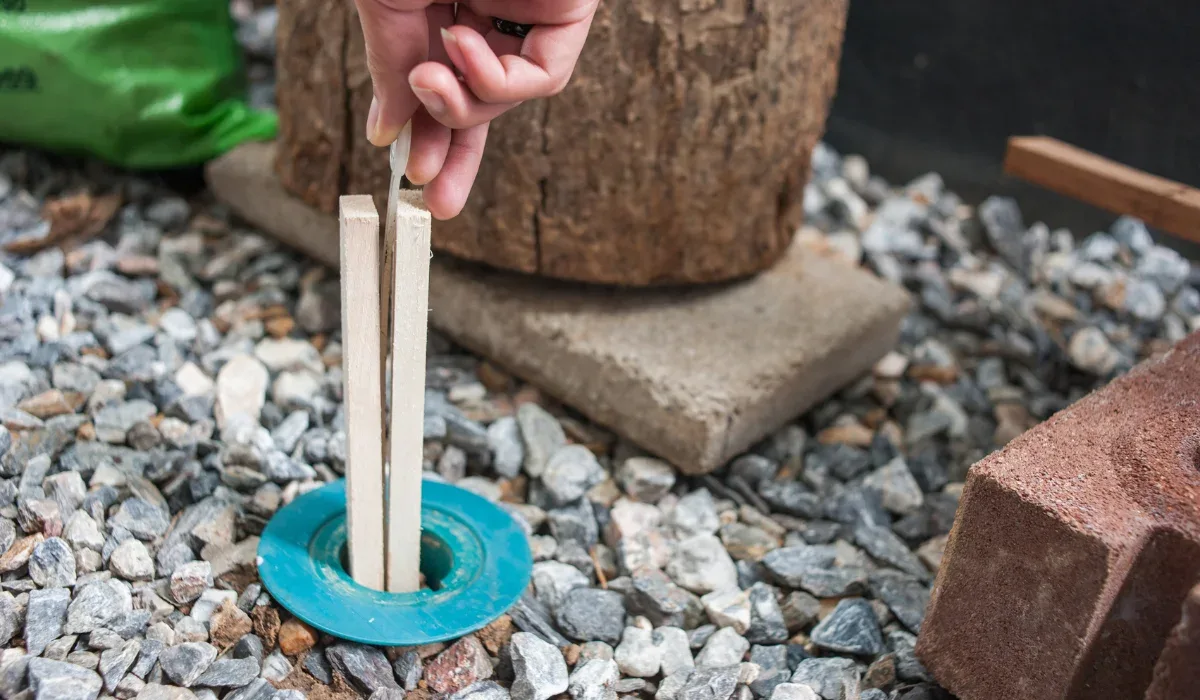
Installing termite bait stations is usually straightforward. Technicians place the stations in the ground around the home’s perimeter. The stations allow technicians to monitor termite activity and replace termite bait when needed.
Liquid termite treatments require a different approach. Exterminators often perform trenching around the foundation. Pest control professionals apply the treatment to the soil, creating a continuous termite barrier around the structure.
Pest control companies use both termite bait systems and liquid barrier treatments to protect homes from termites.
Prevention vs. Colony Elimination
Liquid barriers focus on prevention. According to the NC State Extension, soil-applied liquid termite treatments create a barrier in the soil that termites encounter during normal underground foraging, helping stop termites from entering structures and control active infestations.
Termite bait systems focus on termite colony elimination. After termites feed on termite bait, they carry it back to the colony. The termite bait spreads through the entire colony and slowly reduces the termite population.
Both termite treatment methods can help prevent structural damage when installed and monitored by pest control professionals.
How Bait Stations Work (and What They Do)
Termite bait stations serve two roles. They help pest control professionals detect termite activity and treat termites when they appear.
Stage One: Monitoring for Foraging Termites
When pest control professionals install termite bait stations, they place monitoring material inside the stations instead of active termite bait. The monitoring material helps pest control professionals check for termite activity around the home.
Monitoring is especially helpful in Newport News, where subterranean termites are common. Catching termite activity early can prevent a large termite infestation and costly repairs.
After inspections, pest control professionals document their findings and update homeowners about termite activity and next steps. During routine checks, technicians review the stations and inform homeowners if they detect termite activity and need to adjust the treatment. Mobile carriers October apply standard data rates to these updates.
Stage Two: Introducing Termite Bait
If the stations detect termite activity, technicians replace the monitoring material with termite bait. The termites begin feeding on the bait and carry it back to the colony.
Because termites share food, the termite bait spreads through many members of the colony. This spread allows pest control professionals to reach termites that remain hidden underground.
Stage Three: Colony Elimination
As termites continue feeding, the termite bait spreads throughout the colony. The colony begins to weaken as more termites are affected.
Over time, termite bait October weaken the colony and lead to its elimination, depending on colony size and activity levels. This approach targets the termite colony instead of only blocking termites near the home.
Some homeowners prefer bait systems because they allow ongoing monitoring.
Which Is Better for Your Home Conditions
The best termite treatment depends on several factors. Pest control professionals inspect the property and termite activity before recommending a solution.
Soil and Construction Factors
Homes built on concrete slabs often benefit from liquid termite treatments. Trenching around the foundation helps create a strong liquid barrier that protects entry points.
Homes with crawl spaces October benefit more from termite bait stations. Pest control professionals can install a termite baiting system around the property without disturbing large areas of soil.
Monitoring and Environmental Considerations
Many homeowners choose bait systems because they allow ongoing monitoring. Pest control professionals monitor termite activity at stations and adjust treatment as needed.
For some homeowners, bait systems October also feel like a more eco-friendly approach because treatment targets termite activity directly rather than creating a barrier around the entire structure.
Others choose liquid termite treatments because protection begins soon after application. The chemical barrier forms a protective line around the home.
DIY vs. Professional Treatment
Some homeowners try diy termite products from hardware stores. These products October kill a few termites, but they rarely stop a full termite infestation.
Subterranean termites travel underground and move long distances between food sources. Without the right tools and training, eliminating the entire colony is difficult.
Professional exterminators use proven termite treatment methods and inspection tools. They can also help homeowners manage other pest issues, such as ants, rodents, and bed bugs.
Schedule a Termite Inspection in Newport News
Subterranean termites are common in Newport News and many parts of coastal Virginia. Regular inspections help identify termite activity before serious termite damage occurs.
At Universal Pest & Termite, we help homeowners protect their properties from termites and other pests. Our pest control professionals inspect homes, identify termite problems, and recommend the termite treatment that fits your property.
If you want reliable termite protection, contact us today or request a free quote.
FAQs
Which system fits often depends on the house itself — our Newport News page explains how treatment choices shift across the city’s neighborhoods.