If you’ve lived in Virginia Beach, Norfolk, or Chesapeake for any length of time, you know that late October and early October are usually defined by one thing: the termite swarm. Usually, after a warm summer rain, thousands of winged termites take to the sky in a synchronized event to start new colonies.
But this year, the air is still.
According to recent data from the U.S. Drought Monitor, the Hampton Roads region is currently navigating one of the driest summer seasons in recent memory, with precipitation levels nearly 3 inches below normal. At Universal Pest, we’re getting a lot of calls asking if the termites have simply skipped town.
The short answer? No. They are just waiting for their moment.
The Science of the Delayed Swarm
Subterranean termites, the most common variety found in our local Coastal Plain soil, are biological masters of timing. They require two specific environmental triggers to “swarm” or emerge from the ground:
- Temperature: Usually consistent highs in the 70s.
- Moisture: Specifically, a soaking rain that softens the soil.
Without that moisture, the ground is too hard for the delicate “swarmers” (alates) to push through. Currently, local termite colonies are backed up behind the “gates,” waiting for the first major rain event of the season. When that rain finally hits—whether it’s in late October or October—the swarm is likely to be twice as large and twice as aggressive because of the pent-up activity.
Termite Facts Every 757 Homeowner Needs to Know
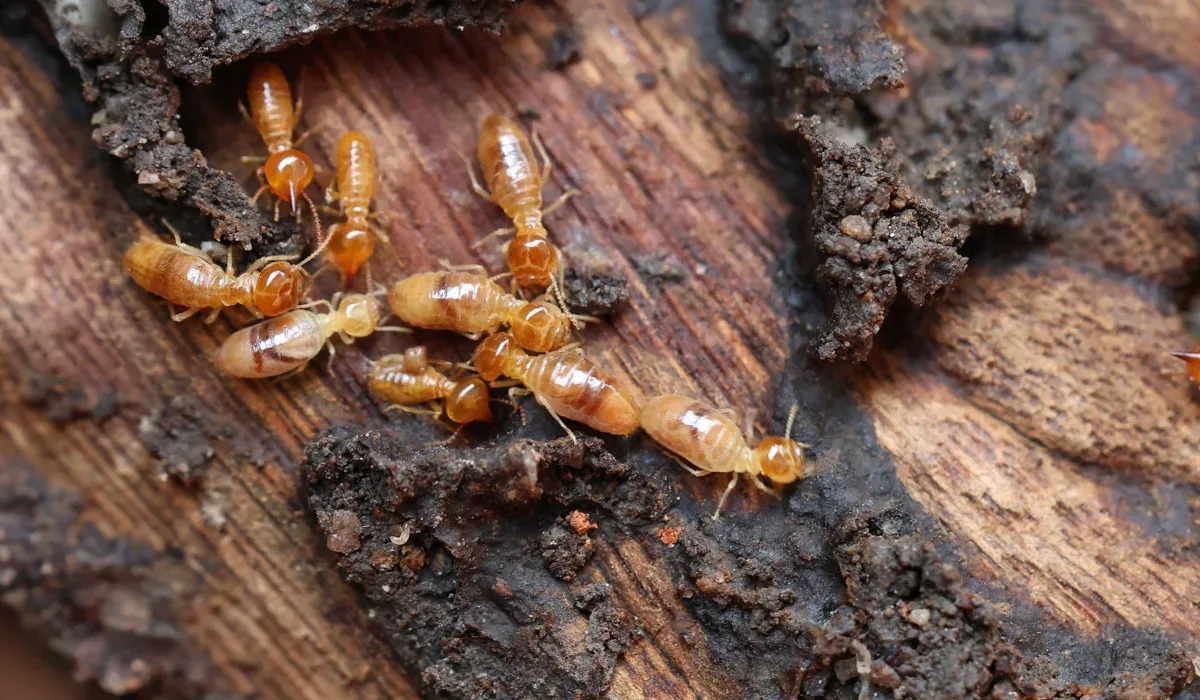
- The Silent Eaters: Even if they aren’t swarming, termites are still active 24/7. They don’t need rain to eat your floor joists; they only need it to mate.
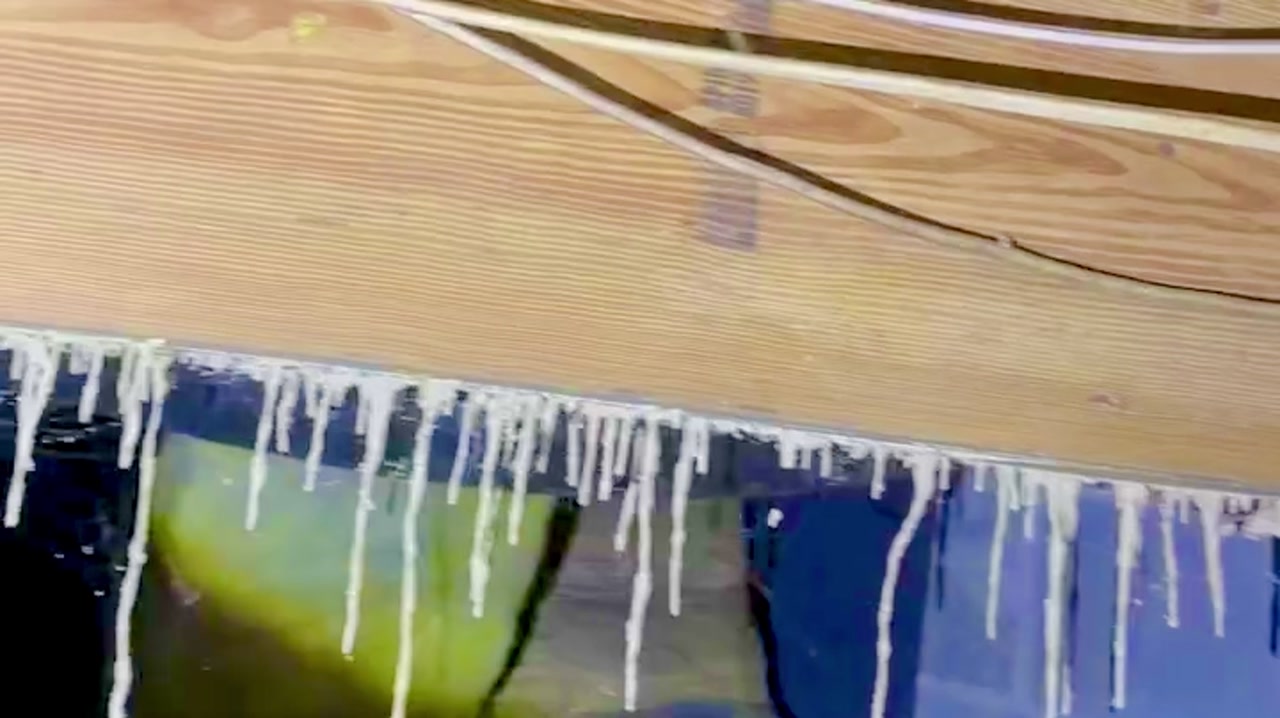
- Mud Tube Highways: In dry years, termites build more extensive mud tubes along foundations in Suffolk and Portsmouth to keep their bodies hydrated as they travel from the soil to your wood.
- A “Super-Colony” Region: Our sandy, humid environment is the #1 habitat for termites in the U.S. A typical acre in Hampton Roads can support multiple mature colonies.
- Wings Aren’t Ants: Homeowners often mistake termite swarmers for “flying ants.” Look for straight antennae and four wings of equal length.
Frequently Asked Questions (FAQ) & Pricing
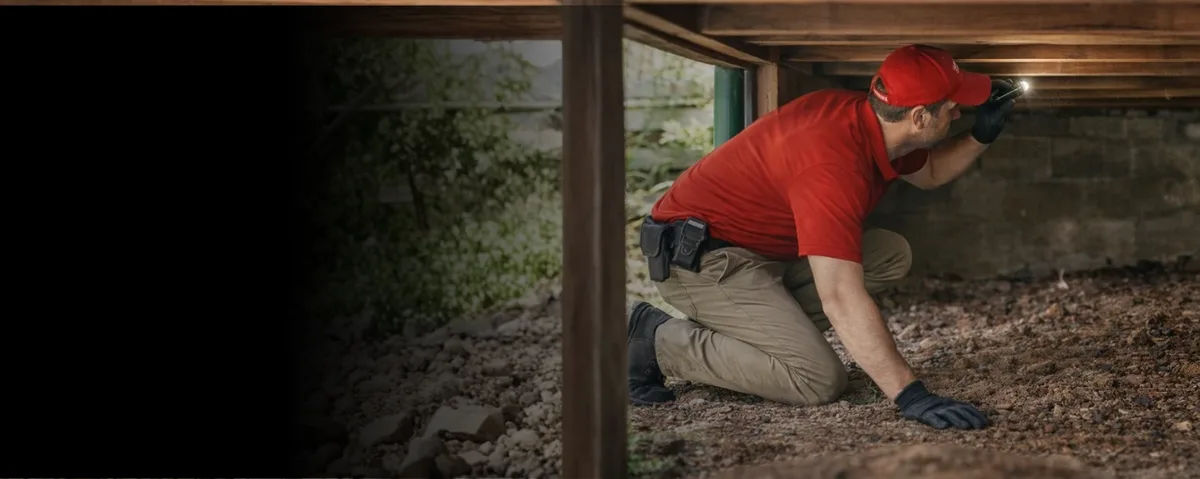
1. Does the lack of swarming mean my house is safe for now? Unfortunately, no. Swarming is just a reproductive event. The workers—the ones that actually cause structural damage—are underground and inside your walls right now. At Universal Pest, we recommend proactive inspections regardless of swarm activity.
2. How much does a professional termite inspection cost? For most residential properties in the Hampton Roads area, Universal Pest offers a comprehensive termite inspection. If you are currently experiencing an issue or just want a “peace of mind” check, we offer free professional inspections for most local homeowners.
3. What is the price for a professional termite treatment? The cost depends on the size of your home and the severity of the infestation. At Universal Pest, our professional termite treatments start as low as $395 on qualifying homes. We utilize both liquid barrier technology and advanced baiting systems to ensure total colony elimination.
4. Do you offer an ongoing protection plan for termites? Yes. Our Pro membership includes the Sentricon Always Active system, a full termite warranty, and quarterly pest service, starting at $63 per month. If termites ever show up, we treat them at no additional cost.
5. Can I just wait until I see a swarm to call you? You can, but by the time a colony is mature enough to swarm (usually 3–5 years old), significant damage may already be done. For year-round peace of mind, our Quarterly Pest Control plans—which create a protective barrier around your home against ants and other pests—start at just $38 per month.
Don’t Let the Dry Weather Fool You
The termites are here; they are simply waiting for the clouds to break. Don’t wait for a cloud of wings in your living room to realize you have a problem.
Give Universal Pest a call today for a free inspection, and let’s secure your home before the “Big Swarm” of 2026 finally arrives.