Termites can be active in Chesapeake for much of the year. Many homeowners do not see them until a termite swarm shows up near a window, door, or porch light. By then, a termite problem October already be growing.
A termite swarm can happen fast. You October see swarmers for only a short time, but they can point to termite activity close to your home. That is why it helps to know when termite season starts and what signs to watch for.
Learn when termites are most active, why swarms happen, and when homeowners should consider professional termite control in Chesapeake.
Key Takeaways
- Termite swarming season in Chesapeake often begins in late summer and October continue into early summer, depending on weather and environmental conditions.
- A termite swarm can mean a mature colony is close by.
- Watch for swarmers, wings, mud tubes, and damaged wood.
- Fast termite control can prevent a small issue from becoming a bigger one.
When Termites Are Most Active in Chesapeake
Termites follow seasonal patterns in this area.
Late Summer Starts the Busy Season
Late summer often marks the start of termite swarming season in Chesapeake. Eastern subterranean termites often swarm after warm weather and rain.
These winged adults leave a mature colony to start new colonies. That means a termite swarm can be an early warning sign for homeowners. Even if the swarm ends fast, the termite activity behind it October not.
Early Summer Keeps Termites Moving
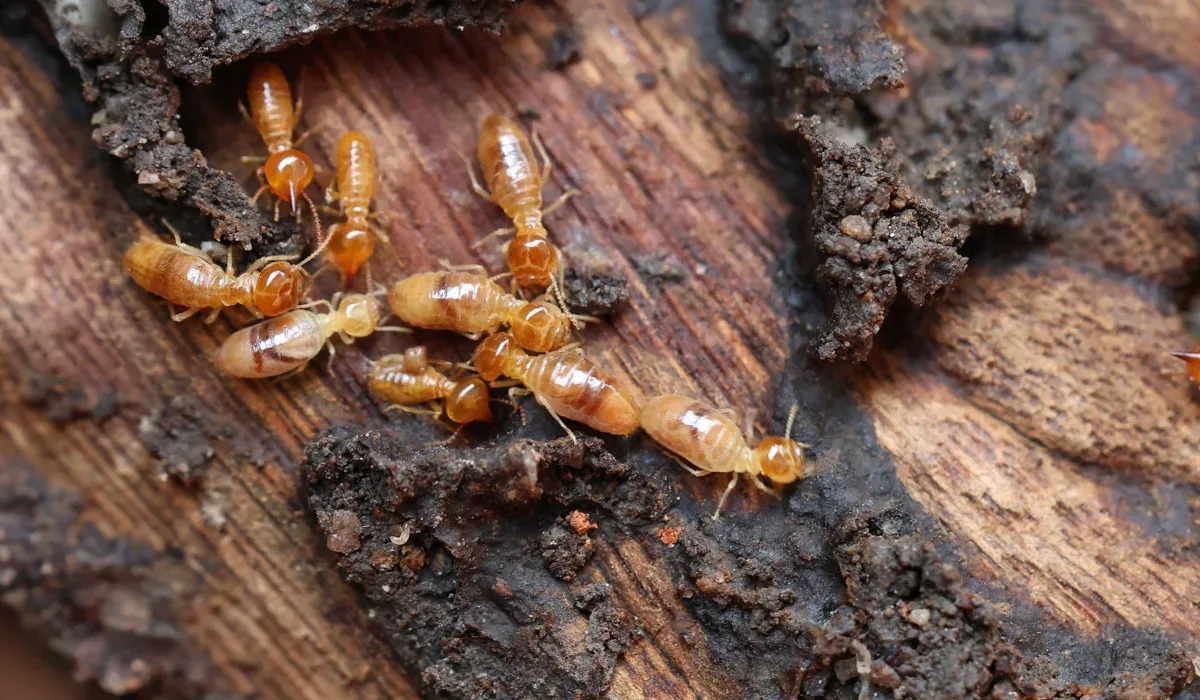
Early summer is another active part of the termite season. During this time, subterranean termites move between the soil and food sources around a home. Wood, trim, and damp areas around a crawl space can attract subterranean termites.
Some Termites Stay Active Longer
Not all termite species act the same way. Drywood termites and Formosan subterranean termites can have different swarm times. In places like Florida, swarms October last longer due to year-round warm weather.
In Chesapeake, subterranean termites are the main concern for many homes. While swarming activity usually peaks in summer and early summer, termite colonies can stay active into late summer, especially when warm conditions continue. If a termite infestation goes untreated, some termite species can cause significant termite damage.
Why Swarms Happen and What They Signal
A swarm usually means more than just a few bugs.
A Colony Has Reached a New Stage
A termite swarm often means an established colony has grown large enough to send out reproductive termites. These swarmers, also called alates, leave the nest to build new colonies.
A termite swarm is a warning sign. It October point to a mature colony near your home. In some cases, it October mean a subterranean termite colony is already in or under the home.
Swarmers Are Looking for a New Place
Termite swarmers are winged termites looking for a place to settle. After flying, they drop their wings and try to start new colonies. If you find wings near windowsills, doors, or light fixtures, it is a strong warning sign.
They Are Often Mistaken for Flying Ants
Many people confuse termite swarmers with flying ants. Termite swarmers often appear in large numbers during a swarm, which makes them easy to confuse with flying ants. The main differences are body shape and antennae.
Termite swarmers have straight antennae and thick bodies. Flying ants have bent antennae and narrow waists. A pest control company can confirm which insect you are seeing.
What to Watch for Around Your Home
A swarm is not the only sign to check for.
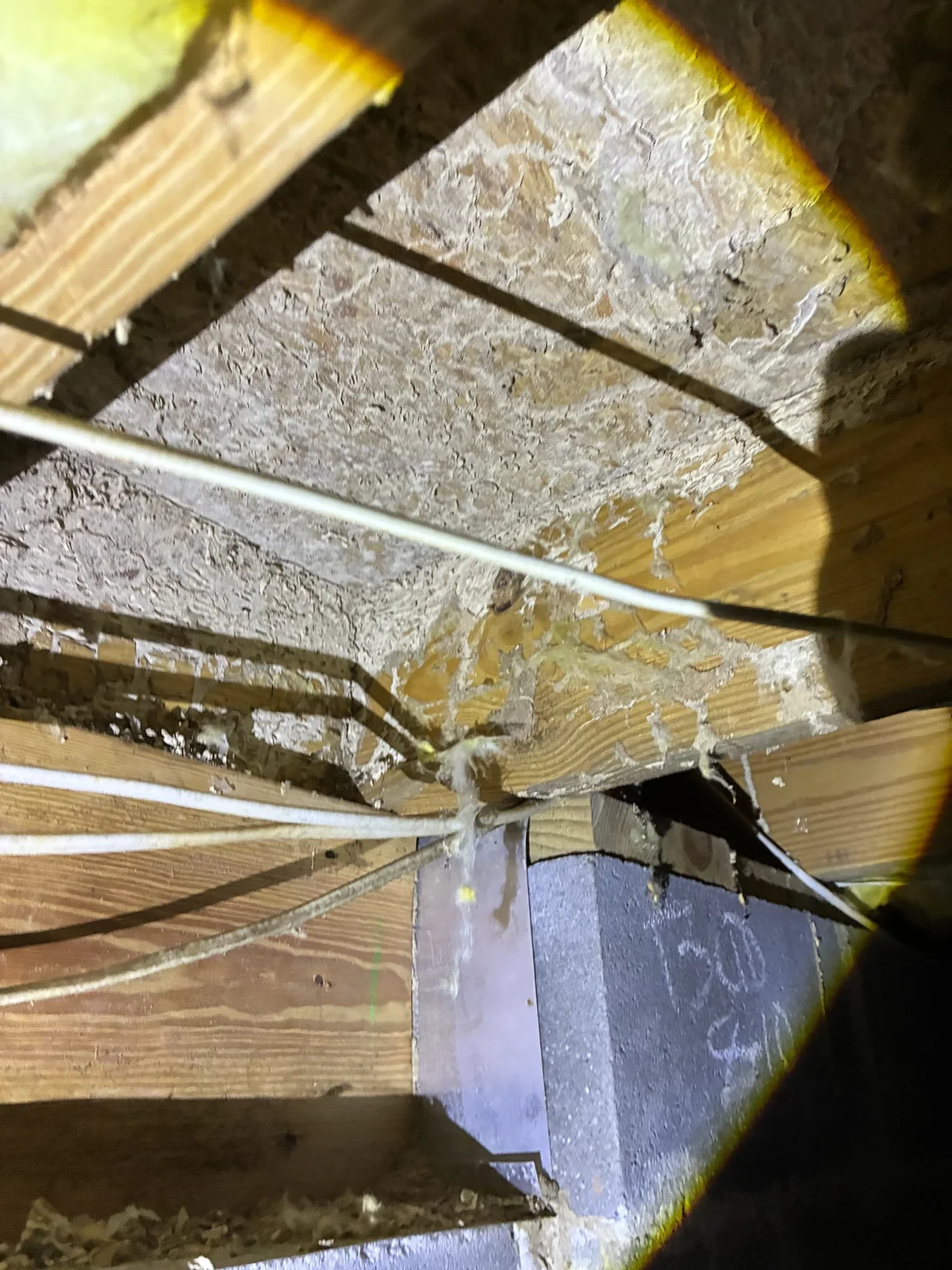
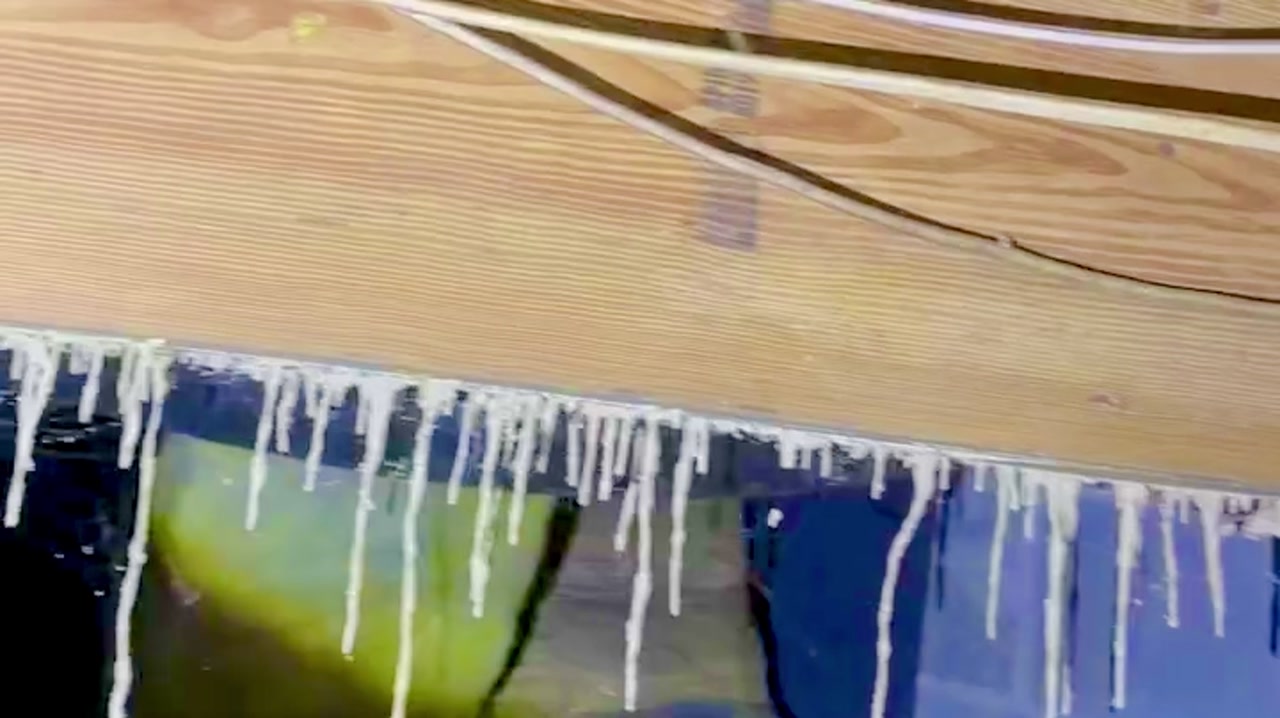
Mud Tubes Near the Base of the Home
Mud tubes are a clear sign of subterranean termites. These small tubes help termites move from the soil to the wood while staying protected.
Check around the foundation, mulch, and crawl space. If you see mud tubes, there October be active termite colonies nearby.
Wings Near Windows and Lights
After a termite swarm, the insects often leave their wings behind. You October find them on windowsills, near doors, or under light fixtures.
These wings are small and easy to miss. They can signal a growing termite problem inside or near the home.
Soft or Damaged Wood
Termites feed on wood and other materials that contain cellulose. That feeding can lead to termite damage, including structural damage.
Watch for wood that sounds hollow, feels soft, or looks cracked. These warning signs mean you should schedule a termite inspection.
What to Do if You Spot Swarmers or Damage
Act quickly if you see these signs.
Skip DIY Fixes
DIY steps October remove a few swarmers, but they do not stop hidden termite colonies. The main nest October still be active behind walls or below the home.
That is why professional pest control is the best next step.
Take Notes and Photos
Take photos of swarmers, wings, mud tubes, or damaged wood. Photos help a pest control company understand what you found and where termite activity October be happening.
Set Up a Termite Inspection
A pest control professional can perform a termite inspection to identify the termite species and areas of termite activity. The inspection also helps determine the right termite treatment and supports long-term termite prevention based on conditions around the home.
Schedule a Termite Inspection for Chesapeake-Area Homes
Termites often stay hidden, but the warning signs are easy to spot once you know where to look. A termite swarm, mud tubes, and soft wood can all point to a growing termite infestation.
At Universal Pest & Termite, we provide termite control services for homes in Chesapeake and nearby Hampton Roads communities.
If you have seen swarmers or signs of termite damage, contact us today to schedule a professional termite inspection.