
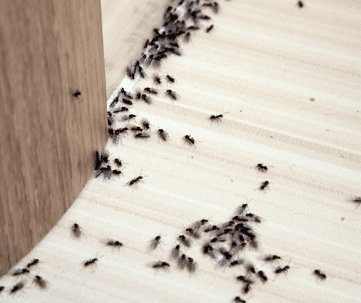
In the intricate tapestry of nature, ants play a vital role, but when they invade our living spaces, they become unwanted guests. To effectively manage and control ant infestations, it’s crucial to delve into the intricacies of ant behavior. Understanding their habits and communication methods opens a pathway to successful pest control specifically ant control strategies.
In this blog, we explore five compelling reasons why comprehending ant behavior is essential and present seven practical strategies to gain insights into their world.
5 Compelling Reasons Why Understanding Ant Behavior is Important
Understanding the behavior of ants is important for the following reasons:
Reason #1: Social Structure Influences Movement Patterns
Ant colonies operate as highly organized societies with distinct roles assigned to each member. Worker ants, soldiers, and the queen collaborate seamlessly. Recognizing their social structure provides valuable insights into their movement patterns, helping in the identification of entry points and high-traffic areas for targeted pest control interventions.
Ants exhibit an incredible level of cooperation within their colonies, a key factor that influences their movement patterns. The intricate hierarchy within the ant society ensures a seamless division of labor, with worker ants tirelessly foraging for food, soldiers defending the colony, and the queen focusing on reproduction
Reason #2: Identification of Attractive Food Sources
Ants are notorious for infiltrating kitchens and pantries in search of food. By understanding their foraging behavior and preferred food sources, homeowners can adopt proactive measures to store food securely, making the environment less conducive to ant infestations. This knowledge is paramount for effective pest control, minimizing the risk of attracting unwanted ants visitors.
Reason #3: Communication through Pheromones
Ants communicate primarily through pheromones, chemical signals that guide others to food sources and lead them back to the colony. This intricate communication network is a key factor in their survival strategy. By deciphering these chemical cues, pest control professionals can disrupt communication pathways, hindering their ability to organize and mount coordinated attacks.
Reason #4: Seasonal Variations in Behavior
Ant behavior varies with the seasons. Understanding these fluctuations is crucial for effective pest management. During warmer months, ant colonies may be more active, requiring heightened vigilance in pest control efforts. Conversely, in colder seasons, ants may seek refuge indoors, necessitating a different approach to keep them at bay.
Reason #5: Targeted Elimination of Colonies
Ant colonies are intricate networks, and a successful pest control strategy requires more than just eliminating visible ants. Understanding their nesting habits allows for the targeted elimination of colonies at their source. This ensures a more permanent solution to the pest problem, preventing recurrent infestations.

7 Strategies to Understand Ant Behavior
The following seven strategies will help you understand ant behavior:
Strategy #1: Observation and Monitoring
Regular observation of ant movement patterns and monitoring of their activities provide valuable data. Identify entry points, trails, and nesting sites to formulate targeted pest control plans.
Observation is the first step in understanding the intricate dance of ants within our living spaces. By keenly observing their movements, individuals can gather valuable insights into the areas ants frequent the most. Monitoring these patterns over time provides a comprehensive picture of their behavior, aiding in the development of effective pest control plans.
Strategy #2: Baiting Techniques
Strategic placement of ant baits allows for the collection of crucial information about foraging preferences. It is an effective method to understand the types of food that attract ants and use this knowledge for better pest control. Baiting techniques are akin to setting a trap, but in this case, the goal is not just to capture ants but to gain insights into their culinary preferences.
Strategy #3: Environmental Modifications
Modify the environment to make it less hospitable for ants. Seal entry points, fix leaks, and maintain cleanliness to discourage ant infestations. Implementing these changes disrupts their access and minimizes potential nesting sites.
Taking a proactive stance, individuals can modify their living environment to create a less welcoming space for ants. Sealing entry points and fixing leaks are not only practical measures but also strategic moves to disrupt the easy access ants seek.
Strategy #4: Professional Pest Inspections
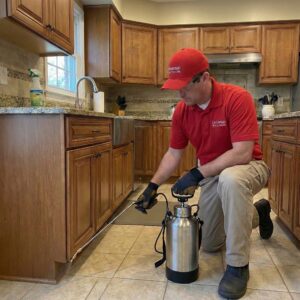
Engaging professional pest control services for regular inspections is a proactive strategy. These experts can identify potential problem areas and tailor a pest management plan based on the specific ant’s behavior observed on the premises.
In the realm of pest control, professionals bring a wealth of knowledge and experience to the table. Regular inspections conducted by these experts serve as a proactive measure, identifying potential ant hotspots before they escalate.
Strategy #5: Use of Ant Repellents
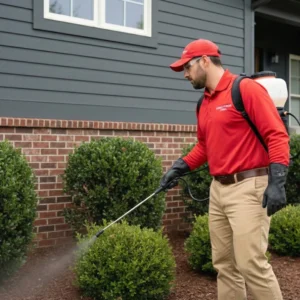
Strategically placing ant repellents in key areas disrupts their movement patterns. Understanding their aversion to certain scents helps in choosing repellents that effectively deter ants without harmful consequences for humans.
Strategy #6: Natural Predators
Encourage the presence of natural ant predators, such as certain bird species or predatory insects, as part of an ecological approach to pest control. This strategy aligns with environmentally friendly practices and helps maintain a balance in the ecosystem.
Incorporating nature’s checks and balances into pest control efforts introduces a harmonious approach. Certain bird species and predatory insects naturally feed on ants, creating a balanced ecosystem. By encouraging the presence of these natural predators, individuals contribute to a sustainable and environmentally friendly pest control strategy.
Strategy #7: Regular Maintenance and Prevention
Consistent maintenance and preventive measures are key to long-term pest control success. Regularly inspect and address potential ant’s entry points, keeping the environment unattractive for infestations.
The journey towards effective pest control doesn’t end with a single intervention; it’s an ongoing process that requires dedication to maintenance and prevention. Regular inspections to identify and address potential entry points ensure that any vulnerabilities are promptly addressed.
In conclusion, unraveling the secrets of ant behavior empowers homeowners and pest control professionals alike. By incorporating these insights into strategic pest management plans, we can strike a balance between coexistence with nature and maintaining the sanctity of our living spaces. As we delve deeper into the world of ants, armed with knowledge and proactive strategies, we pave the way for effective pest control that goes beyond mere extermination to create a harmonious living environment for both humans and the intricate ecosystems that surround us.
Understanding Ant Behavior: 5 Frequently Asked Questions
1. Why do I see a sudden “explosion” of ants in my kitchen after a heavy Virginia rain? Ants are highly sensitive to soil moisture. When we get those heavy coastal rains in the 757, their underground nests become flooded. To survive, the colony undergoes “emergency relocation,” moving upward into your warm, dry wall voids or crawl space.
-
The Fix: We offer Free Emergency Return Visits to handle these weather-driven surges, ensuring your home stays protected no matter the forecast.
2. I cleaned my counters with bleach, so why are the ants back in the exact same spot? Bleach kills the ants you see, but it often fails to strip the pheromone trail—an invisible chemical “scout map.” Ants use these trails to lead thousands of nestmates to a food source. If the trail remains, the “army” will return.
-
The Natural Edge: We utilize all-natural botanical products at no additional charge to disrupt these trails and “blind” the colony without introducing harsh chemicals into your kitchen.
3. If I see ants in my bathroom, does that mean they are “dirty”? Not at all. Many species, like Odorous House Ants, aren’t just looking for food—they are looking for water. Leaky pipes, high humidity in your crawl space, or even condensation on your toilet can attract a colony.
-
Total Home Strategy: This is where our family of companies shines. We can identify if a moisture issue in your insulation or ductwork is “inviting” the ants in.
4. Why is “baiting” better than just spraying the ants I see? Ants are social sharers. If you spray and kill a scout immediately, the colony stays safe. If you use our specialized baits, the scouts carry the “slow-acting” medicine back to the Queen. You aren’t just killing the foragers; you are eliminating the factory.
-
Affordable Protection: Professional, behavior-based ant management starts as low as just $34 monthly.
5. Do ants ever “sleep,” or is my home under 24/7 attack? Ant colonies are “super-organisms” that operate on a 24-hour cycle. While individual workers take thousands of tiny “power naps,” the colony as a whole never stops foraging. That is why your protection shouldn’t stop either.
-
Our Guarantee: Our year-round plans ensure that even while you sleep, our protective barrier is working to keep the “24/7 foragers” out of your living space.
Ant Knowledge is Power
Don’t just pay for a “spray.” Invest in a strategy that understands the enemy. By combining the expertise of Universal Pest & Termite with the structural knowledge of Universal Insulation Doctor, we provide a “Total Home” defense that ants simply can’t outsmart.