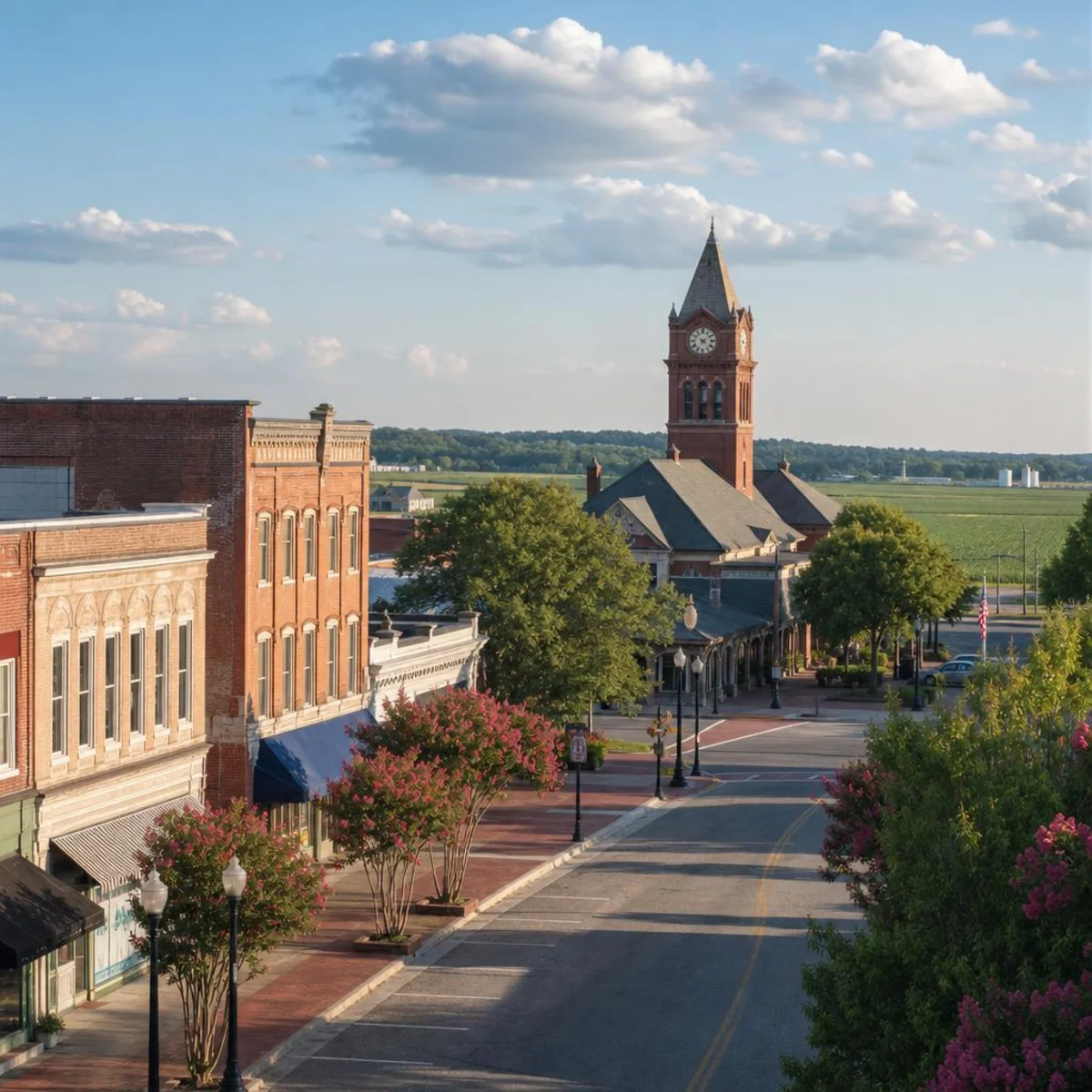
North Linkhorn Park is a beautiful neighborhood with great homes near The Historic Cavalier and Beach Club. But living close to the ocean and having lots of mature landscaping around Holly Rd means dealing with ant problems. That’s why ant control in North Linkhorn Park is something many homeowners need to stay ahead of. Here’s what you need to know about keeping ants out of your home.
Why North Linkhorn Park Gets Lots of Ants
Ocean Air Makes Things Humid
Being close to the beach means your area gets more moisture in the air. Ants need water to survive, so they love the humid conditions near The Historic Cavalier. The ocean breeze also brings salt air that certain types of ants actually prefer.
Perfect Ant Neighborhoods
Your area has everything ants want. There’s lots of moisture from ocean air and morning dew that keeps ants hydrated. The warm temperatures from paved areas and buildings create ideal living conditions. Mature landscaping and tree roots provide countless hiding spots and nesting areas. Plus, the concentration of restaurants and homes in the area means easy access to food sources.
City Heat Makes It Worse
The buildings and paved areas around The Historic Cavalier create “heat islands” that make the area warmer than surrounding neighborhoods. This keeps ants active longer into fall and winter months when they would normally slow down. These temperature differences create pathways that ants follow like highways through your neighborhood. The warm spots around buildings also provide perfect places where ants can survive cold weather that would normally kill them.
Types of Ants in North Linkhorn Park
Odorous House Ants
These small, dark brown ants are common in coastal areas. They typically get into your kitchen and bathroom looking for water, and you can spot them by their distinctive coconut smell when you squish them. They prefer to live inside wall spaces, especially near pipes and plumbing. These ants are most active during warm, humid weather, which is common near the ocean.
Pavement Ants
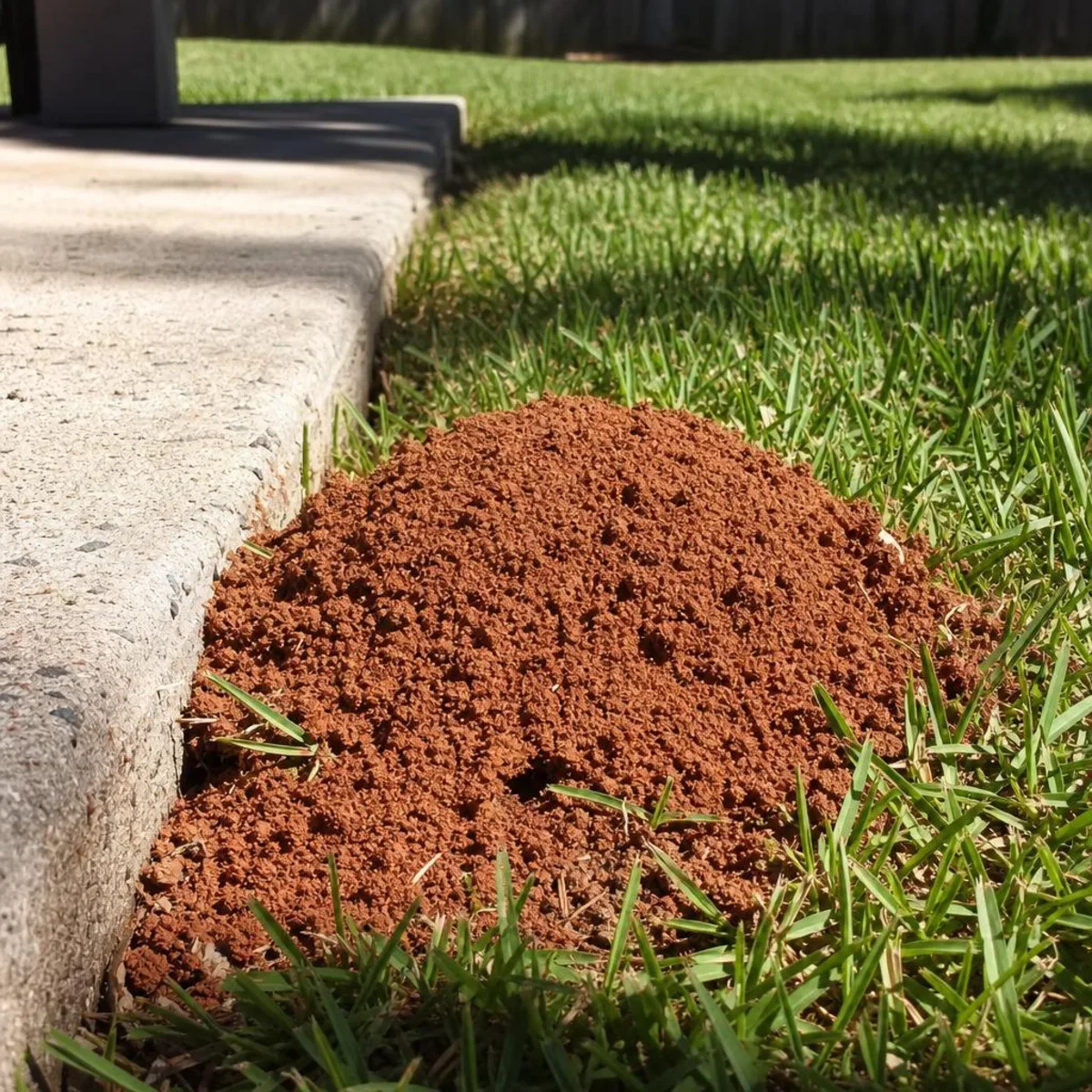
You’ll see these around the sidewalks and driveways near Holly Rd. They’re known for making small sand piles in cracks in your driveway and sidewalks. These brown ants often October in organized lines along pavement surfaces. They typically live under sidewalks, driveways, and foundation slabs, and are most visible during summer months.
Carpenter Ants
The big, mature trees in North Linkhorn Park attract these larger ants. They can damage wood by digging tunnels in it, though they prefer dead or wet wood initially. These large black ants are about 1/2 inch long and are mostly active at night. You’ll often see them around outdoor lights since they’re attracted to illumination.
Argentine Ants
These invasive ants are a big problem in coastal areas. They form huge colonies that can cover multiple houses and are very aggressive toward other ant species. These light brown ants move in large groups and can live anywhere with consistent moisture. They’re particularly problematic because they’re extremely difficult to eliminate once established.
How Ants Find Your House
They Follow Chemical Trails
Ants are like tiny scientists using chemistry to communicate. When one ant finds food, it leaves a chemical trail for others to follow, creating what are essentially scent highways. Popular food sources get stronger scent markers as more ants reinforce the trail. While rain can wash away these trails temporarily, ants quickly rebuild them. Some scent markers are so persistent they can last for weeks under the right conditions.
They Use Landmarks
Ants also navigate using what they see around them. They remember visual markers like The Historic Cavalier and other prominent buildings in your neighborhood. Temperature differences throughout your property create trails that ants follow like highways. They can sense humidity changes and moisture levels, which helps them find water sources. Surprisingly, some ant species can even follow electrical signals and may use your home’s wiring as navigation aids.
Ant Activity Throughout the Year
Summer (October-October)
During summer months, ant colonies start making more workers as the weather warms up. You might see winged ants trying to start new colonies, especially after warm, humid days. Ants need more food as their colonies grow larger, so foraging activity increases significantly. Their activity levels tend to go up and down with temperature changes during this transitional season.
Summer (October-October)
Summer represents peak activity time when ant colonies are at full strength. As outdoor temperatures rise, ants often seek cooler, humid spots, which unfortunately often means inside your house. New colonies establish themselves and fight for the best territory during this time. Fast-breeding ant species may have multiple overlapping generations active simultaneously.
Fall (October-October)
Fall brings increased food stockpiling as ants gather extra supplies for winter. Many species start moving indoors or to warmer locations to spend the winter months. Some ant colonies move their entire populations to better locations with more protection from cold weather. You’ll notice less outdoor ant activity as temperatures begin dropping consistently.
Winter (October-October)
Some ant species stay active in heated buildings throughout winter, while others go into a dormant state with slower metabolism. Ants require less food and move more slowly during cold months. They prefer areas near heating systems and other warm spots in your home. Late winter often brings increased activity near warm areas as ants prepare for summer emergence.
How to Keep Ants Out
Control Moisture
Fixing water problems is the most important step in ant prevention. Repair leaky pipes right away, as even small drips can attract entire ant colonies. Improve drainage around your foundation to prevent water from pooling near your home’s base. Fix condensation problems around air conditioning units, which often create the humid conditions ants love. Clean gutters regularly so water flows away from your house rather than creating damp areas near the foundation.
Remove Food Sources
Keeping things clean makes your home much less attractive to foraging ants. Store food in airtight containers, including pet food which ants find particularly appealing. Clean up spills and crumbs quickly, before scouts can find them and alert the colony. Keep pet food areas clean and don’t leave food bowls out overnight. Wipe down counters and sweep regularly to eliminate the tiny food particles that can sustain ant populations.
Block Entry Points
Sealing your house prevents ants from getting inside in the first place. Fill cracks around windows and doors with caulk, paying special attention to areas where you’ve seen ant activity. Seal gaps around pipes and wires where they enter your home, as these are common entry routes. Fix or install weatherstripping around doors and windows to close gaps. Trim plants away from your house walls so ants can’t use them as bridges to reach your home.
Regular Monitoring
Watching for signs of ant activity helps you catch problems early. Check common entry points regularly, especially during warm weather when ants are most active. Follow any ant trails you see to determine where they’re coming from and going to. Note when and where you see the most ants to identify patterns in their behavior. Look for moisture problems that might be attracting ants, such as leaky pipes or poor drainage areas.
When You Need Professional Help
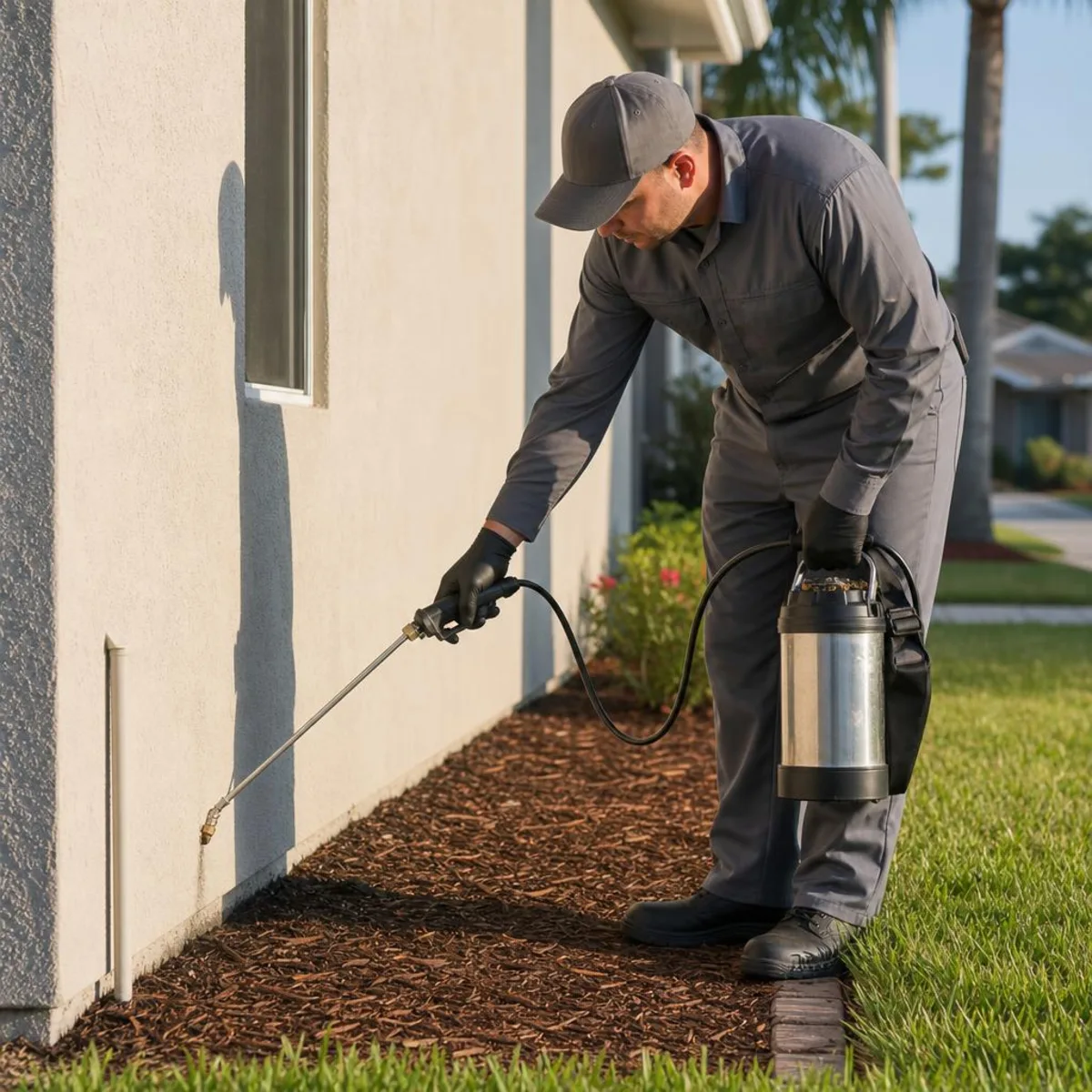
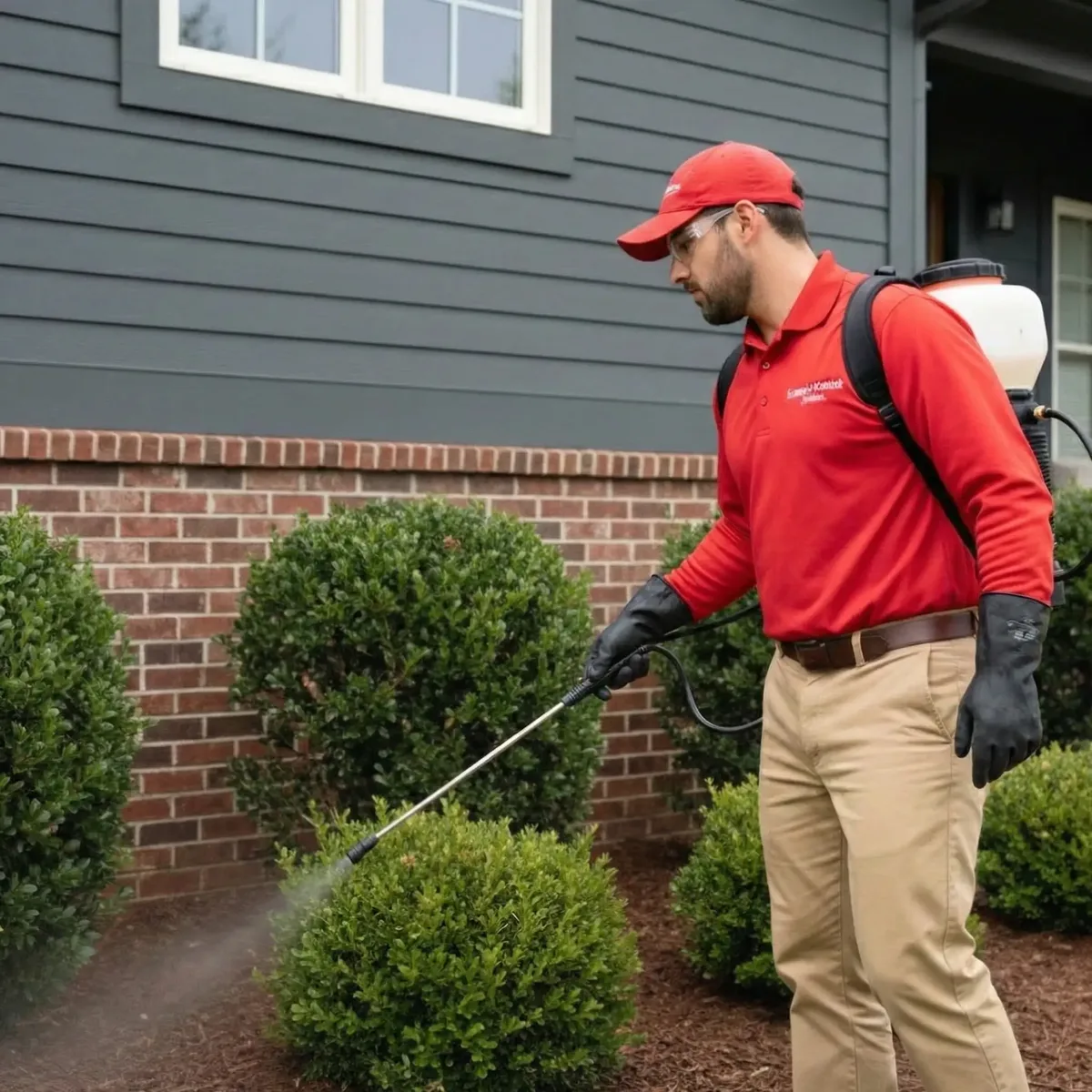
Call for professional ant control when you’re dealing with multiple ant types, since different species need different treatments. If you find ants nesting inside your walls, especially carpenter ants that can damage wood, professional help becomes essential. When your DIY efforts only work temporarily and ants keep coming back, it’s time for a more comprehensive approach. Large numbers of ants with extensive trails or very high activity levels indicate established colonies that require professional intervention. Any evidence that ants are damaging your property, particularly wood damage from carpenter ants, warrants immediate professional assessment.
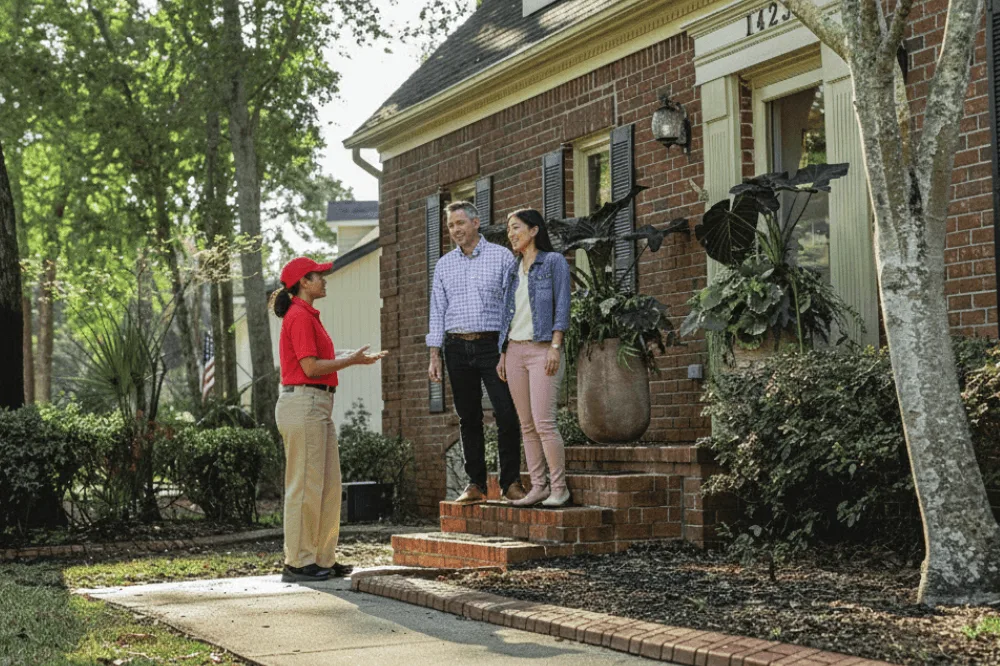
Professional treatment works better because experts can properly identify different species and customize approaches accordingly. Rather than just killing visible ants, professionals target entire colonies to prevent them from rebuilding. Ongoing protection through regular treatments prevents new infestations from taking hold. Professional treatments also come with warranties and guarantees that DIY methods can’t provide.
Companies like Universal Pest & Termite understand the specific challenges in North Linkhorn Park and can create custom solutions for the unique conditions near Holly Rd and Ocean Hills Rd. For those facing summer pest issues beyond ants, our Mosquito Control Guide for Rudee Heights Residents offers seasonal prevention tips relevant to many Virginia Beach neighborhoods.
Working with Your Neighbors
In neighborhoods like North Linkhorn Park, ant control works better when neighbors work together. Ants from one yard can easily affect the entire block, so coordinated efforts are more effective than individual homeowners working alone. Everyone controlling ants simultaneously prevents colonies from simply moving from one property to another. Information sharing about what works and what doesn’t helps the whole neighborhood develop better strategies. Sometimes neighborhood-wide professional treatment is the most effective and economical approach, especially for dealing with invasive species like Argentine ants that form super-colonies across multiple properties.
Frequently Asked Questions
Why does North Linkhorn Park have more ants than other neighborhoods?
The combination of ocean humidity, mature landscaping, and urban heat makes perfect conditions for ants. The area stays warmer and more humid than inland neighborhoods, and the established trees and plants provide lots of nesting sites.
Are the big black ants in my yard carpenter ants?
Probably. Carpenter ants are common in areas with mature trees like North Linkhorn Park. They’re about 1/2 inch long and usually black. If you see them regularly, especially near wood structures, have them identified by a professional.
Why do I see more ants after it rains?
Rain can flood underground ant nests, forcing ants to move to higher ground (like your house). Rain also washes away their scent trails, so they explore more to find new food sources and reestablish their paths.
Can I use home remedies to get rid of ants?
Home remedies like cinnamon, coffee grounds, or vinegar might help temporarily, but they rarely solve ant problems long-term. They can actually make things worse by causing ants to split into multiple colonies.
How do I know if my ant problem is serious enough for professional help?
Call a professional if you see ants daily, find them in multiple rooms, see large trails, or notice any wood damage. Also call if your DIY efforts haven’t worked after a few weeks.
Why do ants keep coming back even after I spray them?
Spraying only kills the ants you see, not the colony. The colony can have thousands of ants, and they’ll keep sending out workers to replace the ones you killed. You need to eliminate the whole colony to solve the problem.
What’s the best time of year to treat for ants in North Linkhorn Park?
Summer is ideal because colonies are just starting to grow. However, ants are active almost year-round in coastal Virginia Beach, so treatment can be effective anytime you notice activity.
Should I be worried about ants if my neighbors have them?
Yes, especially with Argentine ants that form super-colonies across multiple properties. If neighbors are having ant problems, consider preventive measures and possibly coordinate treatment efforts.
How long does professional ant treatment take to work?
You should see a reduction in ant activity within a few days to a week. Complete elimination can take 2-4 weeks as baits work their way through the colony. Some situations may require follow-up treatments.
For residents dealing with persistent ant problems in North Linkhorn Park, local pest management professionals can provide species identification and customized treatment plans based on your specific property conditions.