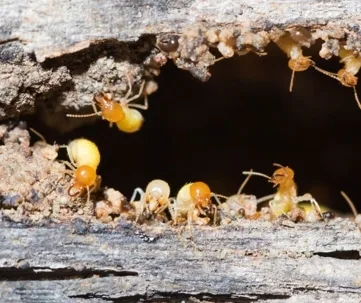
Termite work is the line item most homeowners have never priced before. A quote arrives with a number on it, no context around that number, and a decision attached — pay it now or carry the risk another season. This guide puts our termite pricing on the page next to what we typically see other Hampton Roads companies charge, so the quote in your hand has something to sit against.
How much does termite treatment cost in Hampton Roads?
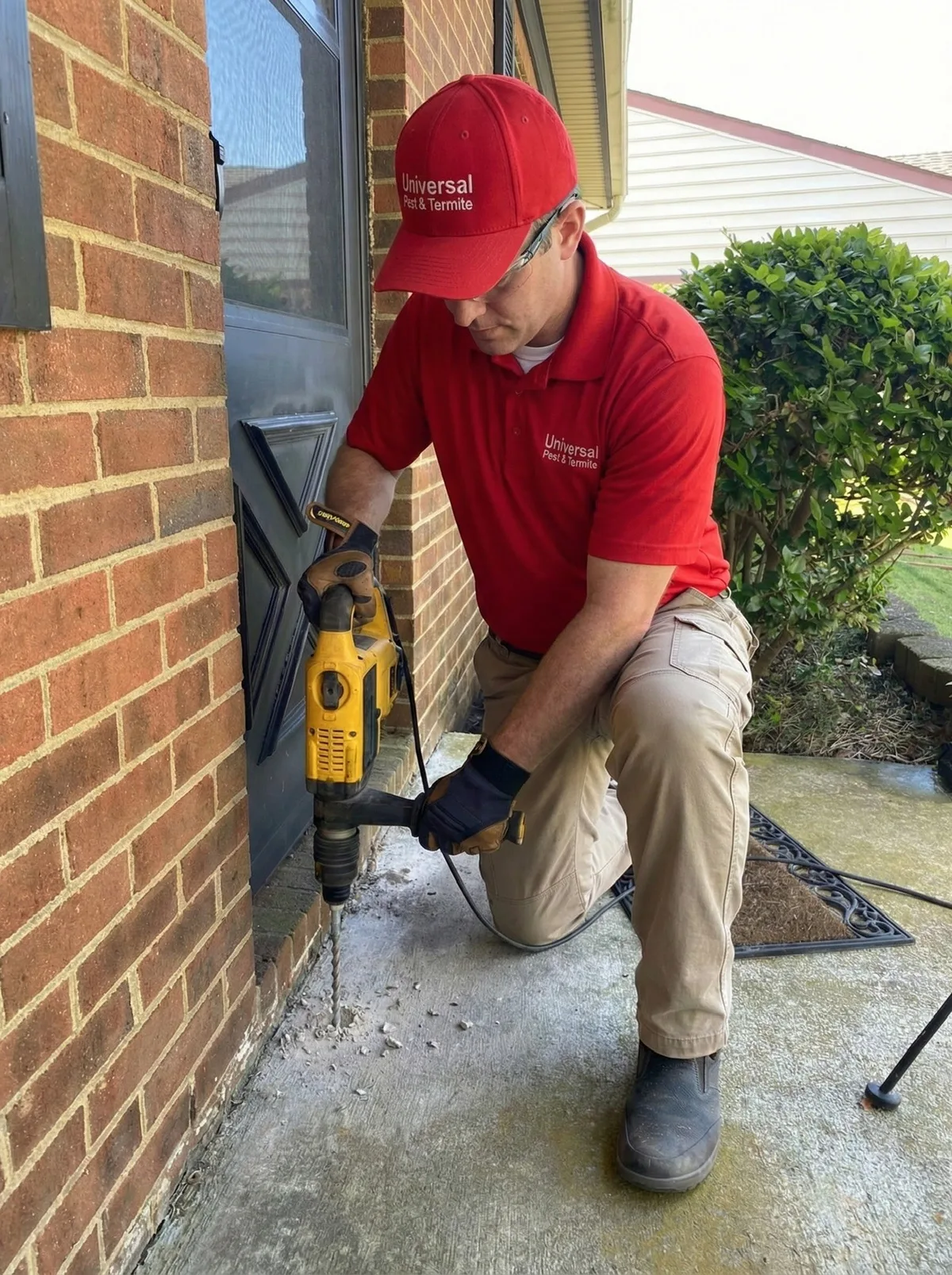
A one-time liquid termite barrier on a Hampton Roads home commonly runs between $800 and $2,800, and ongoing protection through our UniGuard membership starts at $63 per month with the baiting system, warranty, and quarterly pest service bundled together. Ranges quoted for the wider market are what we typically see other local companies charge based on quotes homeowners bring us — our own observations, not a published survey.
The gap between the low and high end is not margin. It is the difference between a compact crawl space home with an open perimeter and a rambling slab home where a garage, a patio, and a driveway all have to be drilled and injected before the soil underneath can be treated. An inspection is what turns that range into one written figure, and it costs nothing.
| Service | Typical Hampton Roads range | Universal Pest & Termite |
|---|---|---|
| Liquid termite barrier (one-time) | $800 – $2,800 | Quoted after inspection — upfront or annual bond |
| UniGuard termite & pest membership | — | From $63 / month |
| Homeowner termite inspection | — | Free |
| WDIR termite letter for a closing | — | $75 – $125 |
| Termite damage repair | — | Quoted per project |
Market ranges reflect what we typically see other Hampton Roads companies charge, based on quotes homeowners bring us. They are our own observations, not a published survey. Our own figures are starting points; the number for your house comes from an inspection of that house.
Is it cheaper to pay once for a barrier or monthly for a membership?
Over a single year, the upfront barrier is usually the smaller total. Over the length of time most people own a home, the monthly membership tends to even out, because it carries the warranty, the annual inspection, and the quarterly pest service that a one-time treatment does not include.
The honest comparison is not treatment against treatment — it is treatment against protection. A liquid barrier is a job with an end date: the soil is treated, the invoice is settled, and the house is defended until the barrier degrades or something disturbs it. A UniGuard membership is a standing arrangement: the bait system stays in the ground, it is monitored and replenished at every visit, and the warranty means a return of termites is our problem to solve rather than a new quote.
Which one fits depends less on budget than on how you prefer to hold risk. Homeowners who plan to sell inside a couple of years often take the barrier. Homeowners staying put, especially in the older crawl space neighborhoods around Norfolk, Portsmouth, and the Beach, more often want the warranty attached.
What does the UniGuard membership include at $63 a month?
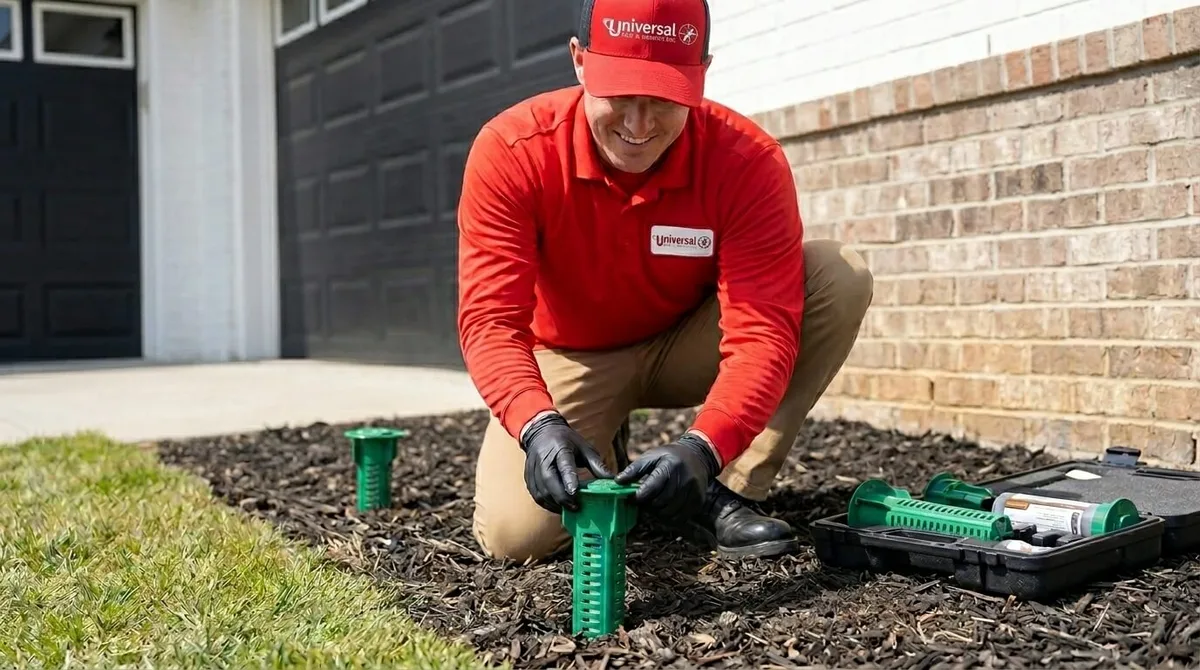
UniGuard bundles a termite baiting system installed around the full perimeter, ongoing colony monitoring with bait replenishment at every visit, a full termite warranty, an annual termite inspection, and our Essential quarterly pest control program — in one monthly fee with no large annual termite bill.
- Baiting system installed. Stations around the entire perimeter of the home, placed to intercept foraging termites before they reach the structure.
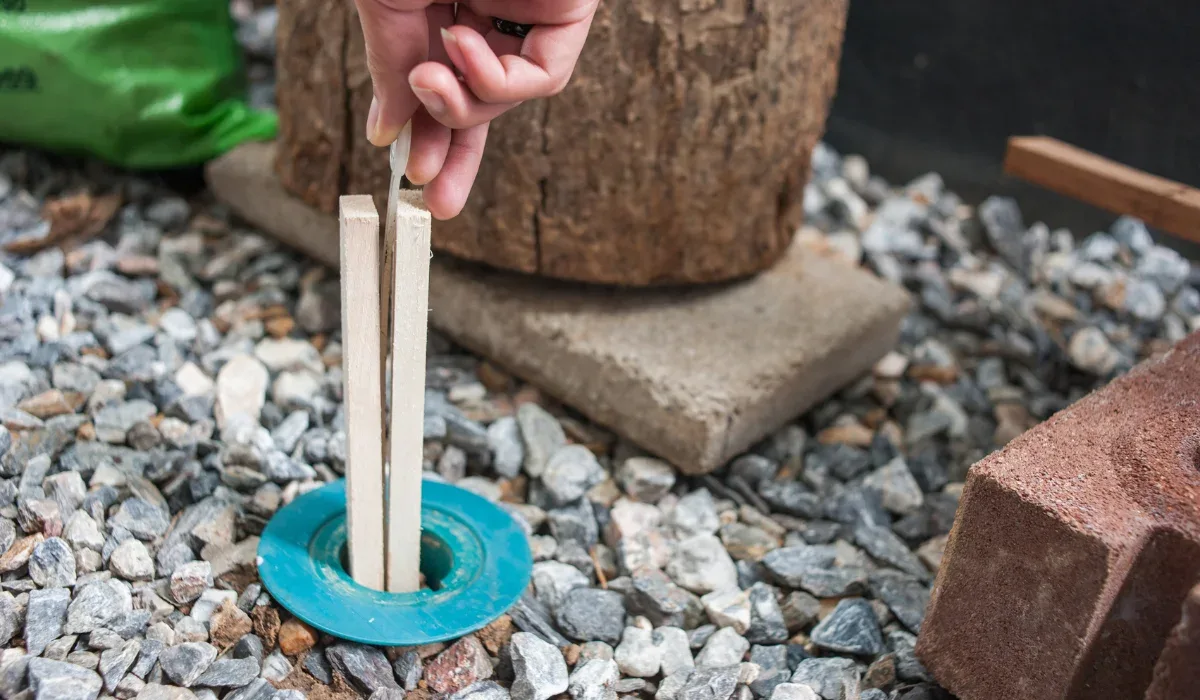
- Monitoring and replenishment. Stations are checked and re-baited at every service visit rather than once a year.
- Full termite warranty. If termites come back, so do we, at no charge.
- Annual termite inspection. Keeps the protection active and catches conducive conditions early.
- Essential pest control included. Quarterly service for ants, roaches, spiders, rodents and the other general invaders, with free return visits between quarters.
The Home Health Plans page lays out every tier side by side, and termite baiting system covers how the stations work in the ground.
How much does a termite inspection cost?
A termite inspection for a homeowner is free. The paid product is the WDIR letter used in a real estate closing, which runs $75 to $125 because it is a signed report prepared to a regulated format for a transaction.
Those are genuinely different services rather than two prices for the same visit, and confusing them is how people end up paying for something they could have had at no cost. The distinction is worked through in what a termite inspection costs in Virginia Beach.
What does it cost to repair termite damage?
Damage repair is quoted per project because it is carpentry, not pest control. Treatment stops the colony; repair replaces the structural wood the colony already ate, and those are two separate scopes with two separate prices.
This is the reason treating early is worth so much more than the treatment costs. Sill plates, floor joists, and band boards are load-bearing, and replacing them means opening up a crawl space and jacking a floor before a single new board goes in. Termite damage repair covers the scope, and how much termite damage can cost in Virginia Beach shows how quickly the arithmetic turns.
Does termite pricing change from city to city across Hampton Roads?
No. The same published pricing applies in Virginia Beach, Chesapeake, Norfolk, Suffolk, Portsmouth, Hampton, Newport News, Williamsburg, Poquoson, and York County. What changes between cities is the housing stock, and that is what moves an individual quote.
A 1950s crawl space home in Larchmont and a 2010 slab home in Red Mill get different numbers because they present different work, not because of the postcode. Slab construction means drilling and patching. Attached concrete — garages, patios, stoops, driveways poured against the foundation — each adds drilling. Older neighborhoods in Norfolk, Portsmouth, and Williamsburg tend toward crawl spaces with accessible perimeters, which is generally the cheaper end of the range; newer developments in Chesapeake and southern Virginia Beach lean slab.
Every one of those variables is itemized in what determines the cost of termite treatment, which is the piece to read before comparing two quotes line by line.
Can termite work be financed?
Yes. SmartPay offers $0 down and 0% APR options, which matter most on the larger jobs — a full barrier, damage repair, or termite work paired with crawl space correction.
Financing does not change what the work costs. It changes whether it happens now or after another season of feeding, and with an active colony that distinction has a price of its own.
Frequently asked questions
What is a termite bond, and what does the renewal buy?
A bond is the warranty attached to a treatment: the company agrees to keep the protection active and to come back if termites return. What matters is which kind you have. A retreatment bond covers re-treating the house. A repair bond covers re-treating and repairing new damage. They are priced differently for good reason, and the renewal terms should be in writing before you sign the first one.
Why are bait systems usually quoted monthly and barriers as a lump sum?
Because they are different products. A liquid barrier is a finished job, so it prices like one. A baiting system is a monitored service that only works if someone keeps checking and replenishing the stations, so the cost is spread across the visits that make it effective.
Will my quote change after the inspection?
The published figures are starting points, and the inspection resolves them into one fixed written number before any work begins. It moves on measurable things — linear footage of foundation, how much attached concrete has to be drilled, whether there is existing damage or a moisture problem underneath.
Do you beat a written termite quote from another company?
We carry a termite price beat guarantee, so bring a written quote from a licensed competitor for comparable work and we will look at it. Comparable is the word that matters: the same treatment method, the same drilling scope, and the same warranty terms, or the two numbers are not describing the same job.
Does the warranty transfer if I sell the house?
Transferability is a term of the specific agreement rather than an automatic feature, so it is worth confirming in writing before you need it. A transferable warranty is a genuine asset at closing, because the buyer inherits protection instead of starting over.
How soon can termites come back after treatment?
A correctly applied barrier or an active bait system keeps working after the crew leaves, but no treatment makes a house permanently immune. Soil gets disturbed by landscaping and trenching, mulch piles against siding, downspouts saturate one corner of the foundation. That is what the annual inspection is for, and why the warranty terms matter more than the install date.
How do I get a real number for my house?
Book a free inspection. Universal Pest & Termite has served Hampton Roads since 2000, and an inspection takes under an hour. Call (757) 502-0200 or request a free quote.