When heavy rain and high tides hit Hampton Roads, crawl spaces take the first punch. In October, Hurricane Erin stirred up dangerous surf and caused coastal flooding in parts of Virginia. Just weeks later, a coastal low flooded several roads in Virginia Beach. This shows that even “near-miss” storms can still drench neighborhoods. That’s why a smart prep in Hampton Roads should focus on the crawl space: find hidden moisture fast, dry it safely, and keep water moving away from the foundation. The steps below are simple, local, and timed to what storms actually do in this region.
Understanding Flood Risk in Hampton Roads
Most homeowners bring in a contractor because moisture under the house can be hidden in wood and insulation. The job is to measure what’s wet, dry it fast, and repair safely so mold and material damage don’t spiral. Hampton Roads also provides a regional roadway flooding sensor network so residents can see street ponding and time checks more safely during storms. For longer-term planning, Virginia’s Flood Risk Information System (VFRIS) shows FEMA flood maps, so it’s clear if a property is in a mapped flood zone.
Hampton Roads Crawl Space Check: When Nearby Streets Flood
When nearby residential corridors such as Kempshire Ln and Amboy Ct show standing water or slow drainage, use that as a practical cue to check crawl space conditions once it’s safe, paired with the city’s live gauges to time that first look. Track storm impacts with the City of Virginia Beach Flood Monitoring page use the live rain and water-level map to plan prep and checks around the worst bands and tides.
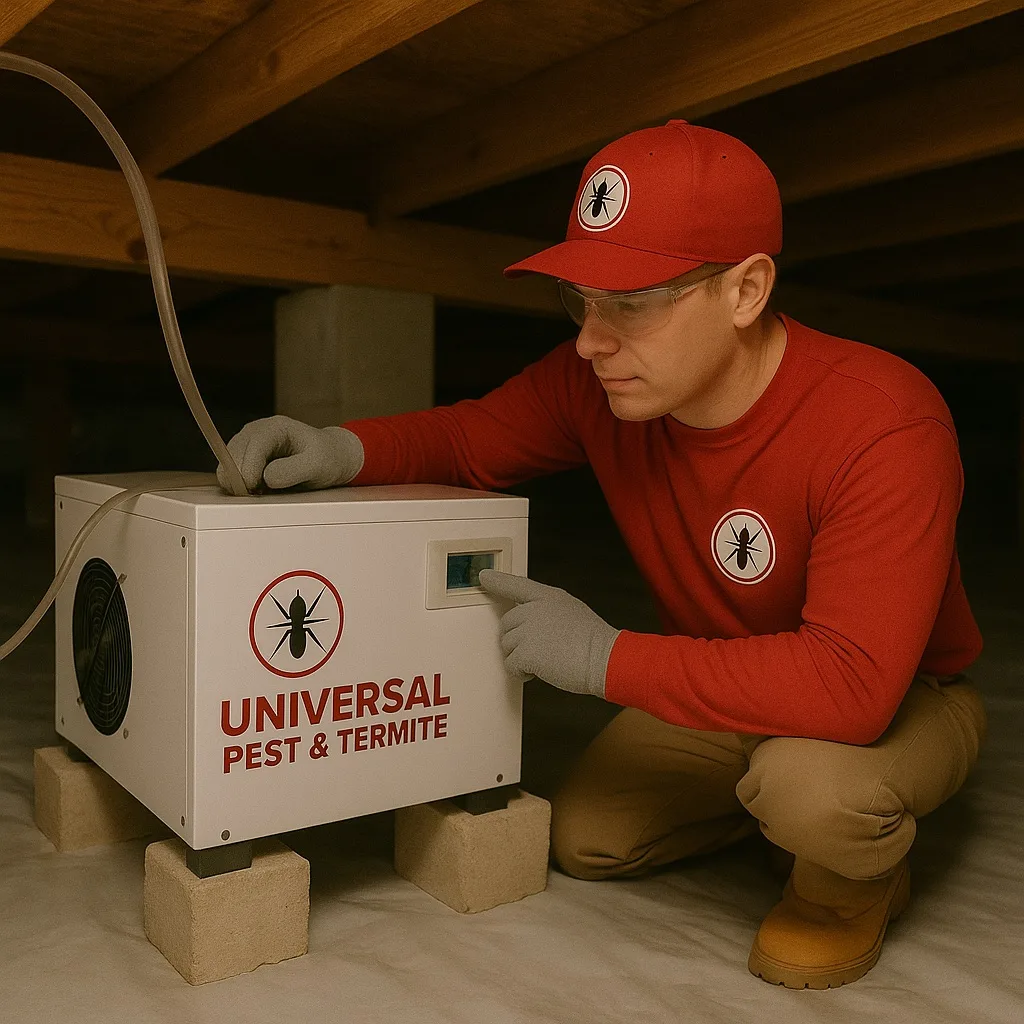
Hurricane Prep: Crawl Space Steps Before a Storm
Think in three windows so essentials get done without scrambling. Use city gauges and the regional roadway sensors to time tasks before the roughest bands and higher tides.
- 72-48 hours out:
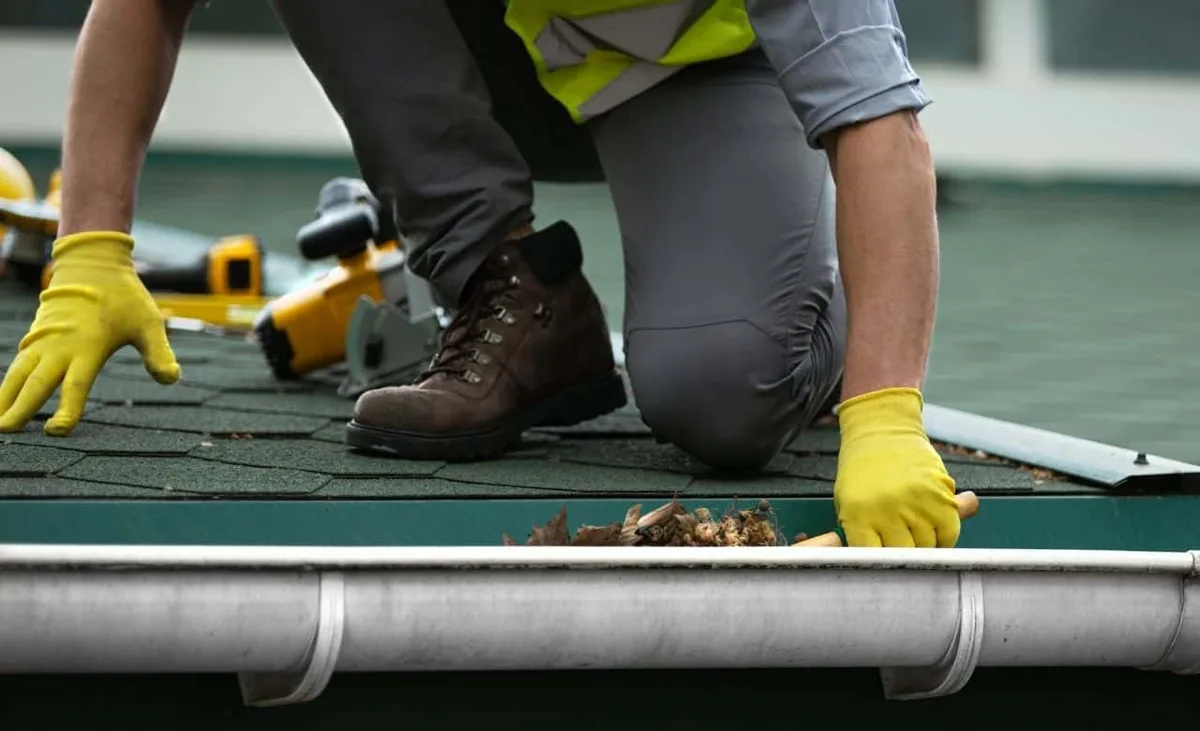
- Clean gutters and downspouts; add splash blocks or extensions so water doesn’t dump at the foundation; clear yard drains and any curb inlets along the property edge.
- Make sure the soil gently slopes away from the house; even a small slope helps water move.
- 24 hours out:
- Install temporary vent covers and weather strip the crawl door to cut wind driven rain.
- Lift stored items off the ground; check that swales or French drains aren’t clogged.
- Day of event:
- Test the sump pump and backup power; keep cords off the ground to avoid splash and puddles.
- Watch the city gauges and roadway sensors; plan the first safe look under the house once the peak passes.
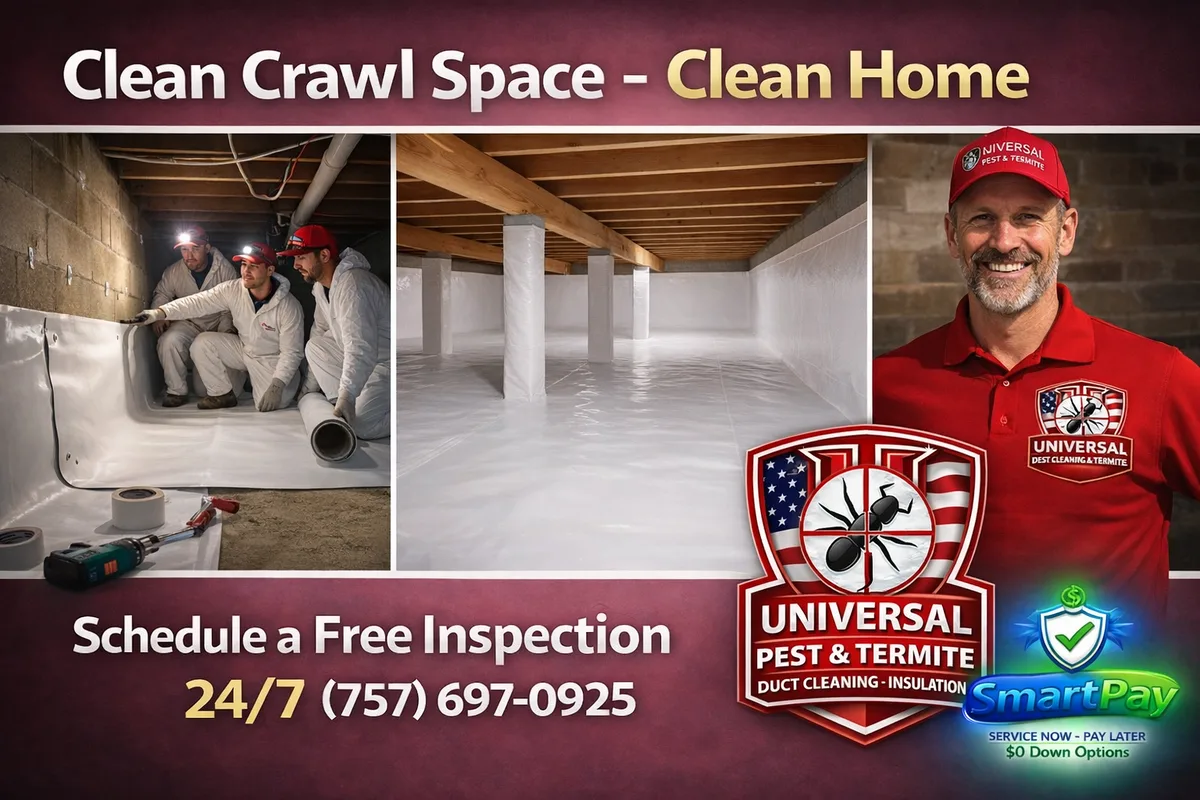
Crawl Space Encapsulation and Flood Ready Details in Virginia
Two ideas help long term: moisture control and code aware flood design for crawl spaces near Hampton Roads.
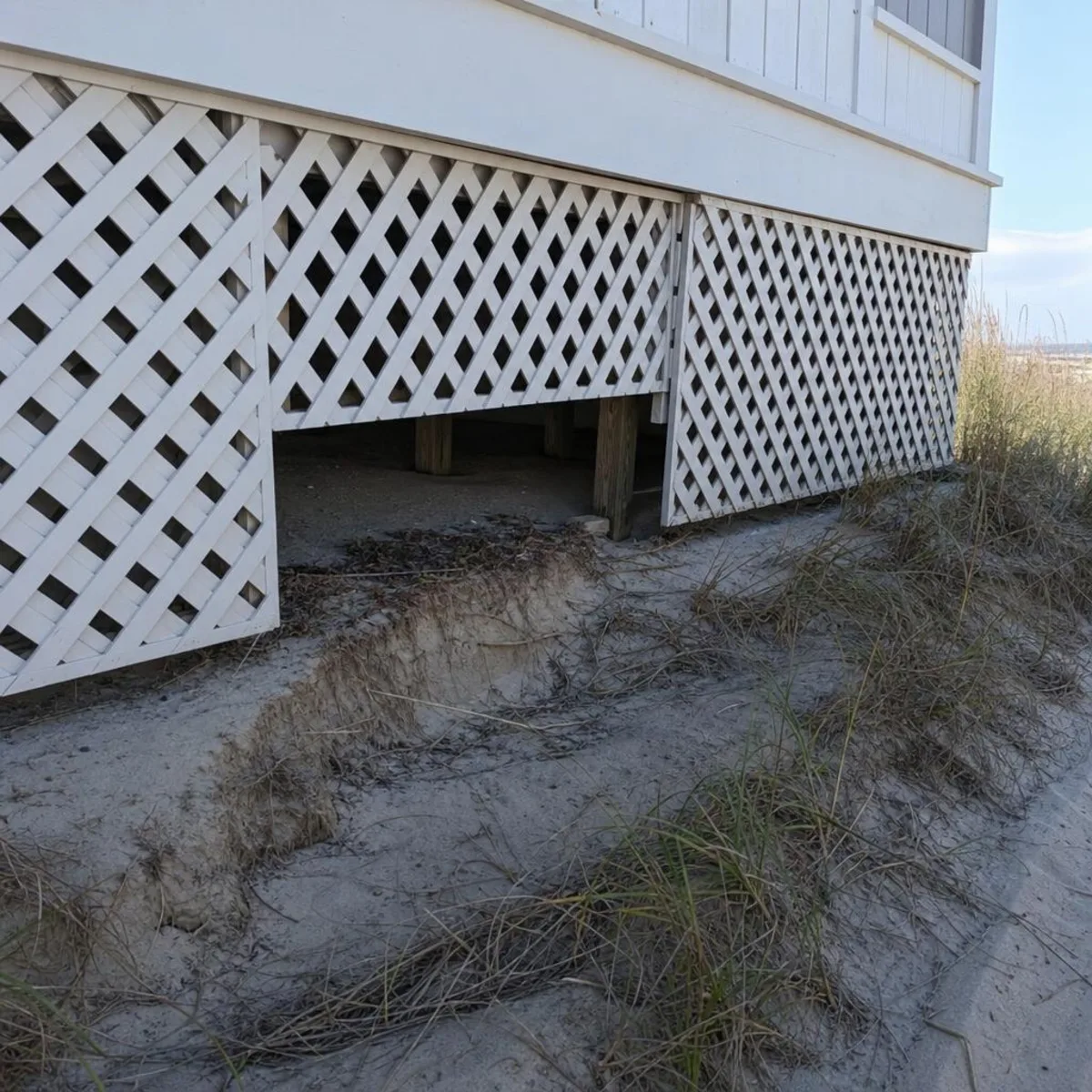
- When flood rules apply: In mapped flood zones, code aligned crawl spaces include flood openings so water can move in and out without pushing too hard on the walls; it’s about equalizing pressure and protecting the structure.
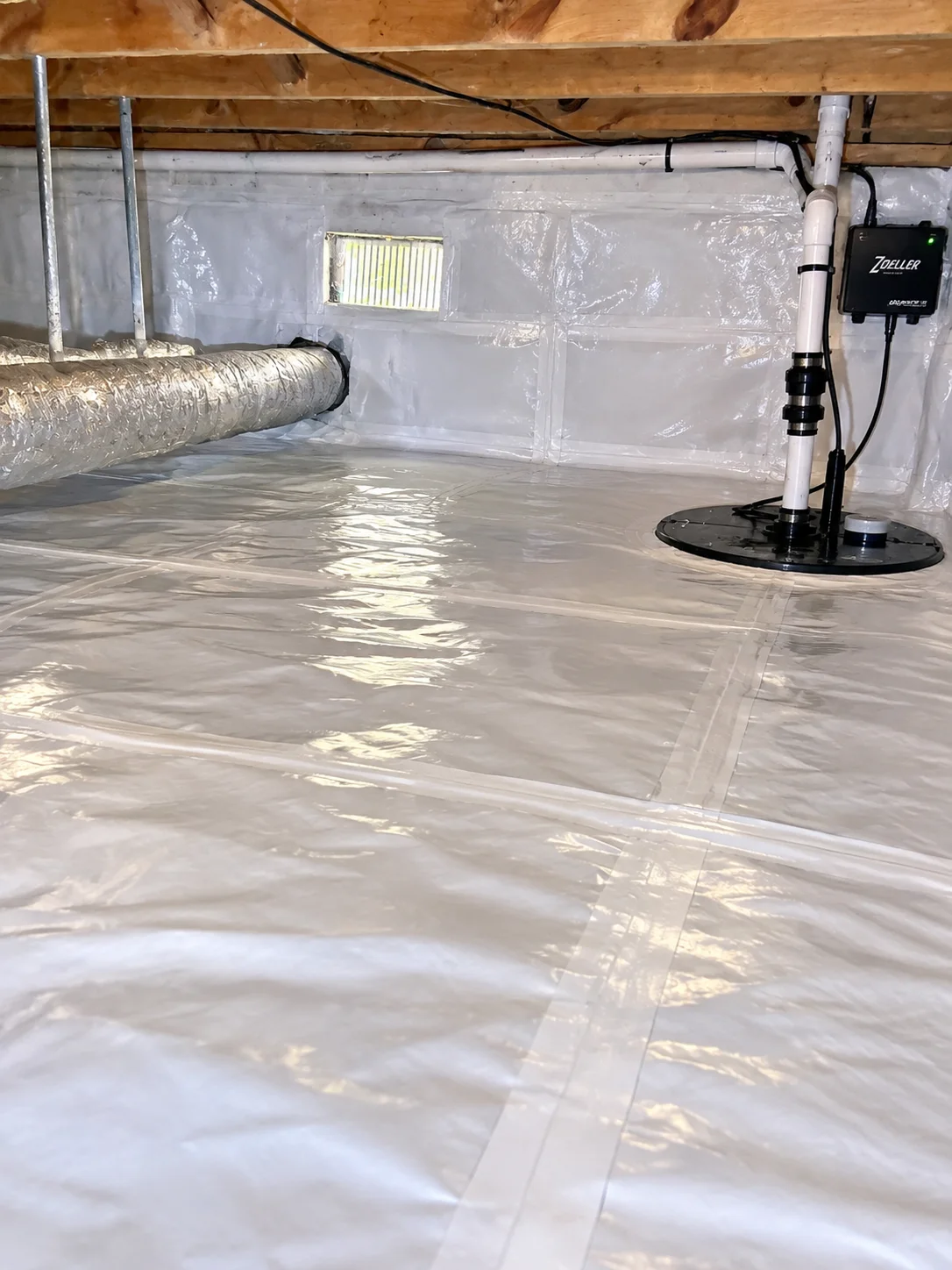
- When going unvented (encapsulated): Virginia allows sealed crawl spaces if the essentials are in place continuous vapor barrier, insulation, and controlled humidity and a contractor confirms the setup fits site conditions and code. Before sealing a crawl space, include a licensed termite inspection from a Hampton Roads pest expert and, where appropriate, a pre-treatment or bond update.
- The basics that matter: a tight vapor barrier with sealed seams and wall upturns, a sump pump sized to the space, and a dehumidifier set to keep humidity steady. Simple idea: keep ground moisture down and air dry, and the rest of the house fares better.
Post Storm Crawl Space Inspection: Why It Matters
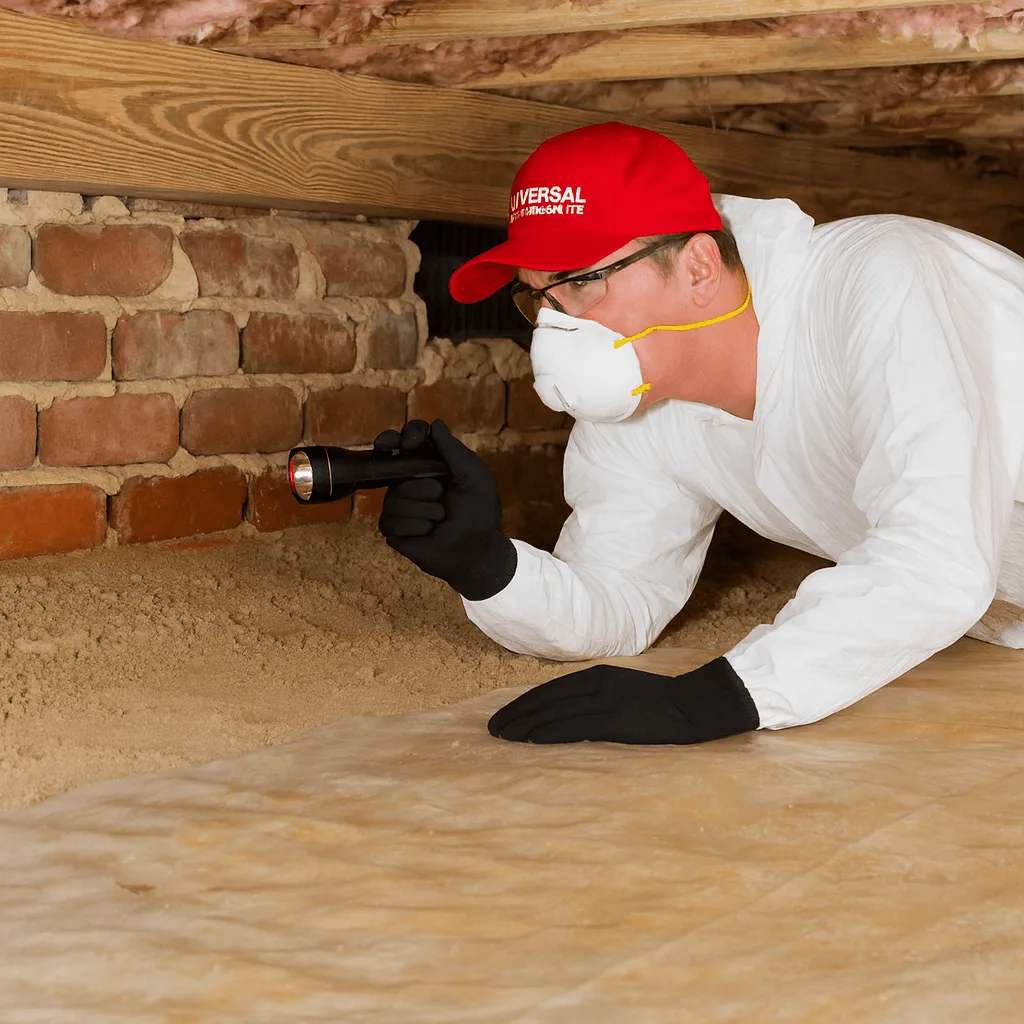
Water can hide inside wood and insulation even when surfaces look dry. The safest habit is to dry within one to two days and confirm with tools that materials are actually dry not just feels dry.That’s where a contractor’s measurement and judgment help after a big rain or surge.
Local Tools: Live Flood Gauges and Roadway Sensors
Make decisions with live data and expert eyes. Use the regional Roadway Flooding Sensors to see street-level ponding and alerts during the event, and the city’s Flood Monitoring map for neighborhood rain and water levels. Time the first crawl space check for right after the heaviest bands or highest tides, when access is safe and drying can start promptly.
How Coastal Storms Affect Crawl Spaces in Virginia Beach
Storms don’t have to make landfall to leave crawl spaces wet. Recent events showed that coastal systems and coastal lows can flood Virginia Beach roads and saturate neighborhoods near Kempsville. The habit to build is simple: check, dry, confirm.
What Water Damage Does to Crawl Spaces
Wet wood and insulation don’t fix themselves. If moisture lingers, lumber can sag or rot, insulation stops working, and musty air creeps upstairs. Drying quickly is the safest move, one reason many households call a pro after soaking rains or tidal push.
Schedule Your Free Crawl Space Inspection
Most homeowners want a pro to verify hidden moisture and plan a safe, code aware fix. For local help in Hampton Roads, contact Universal Pest & Termite, Inc. at (757) 502-0200 or visit 5600 Greenwich Rd, Virginia Beach, VA 23462.