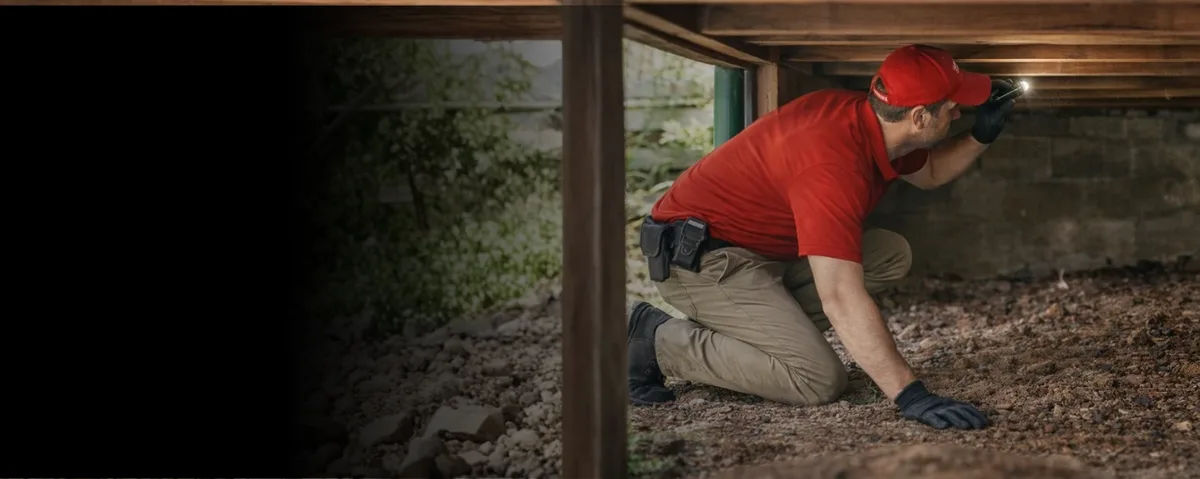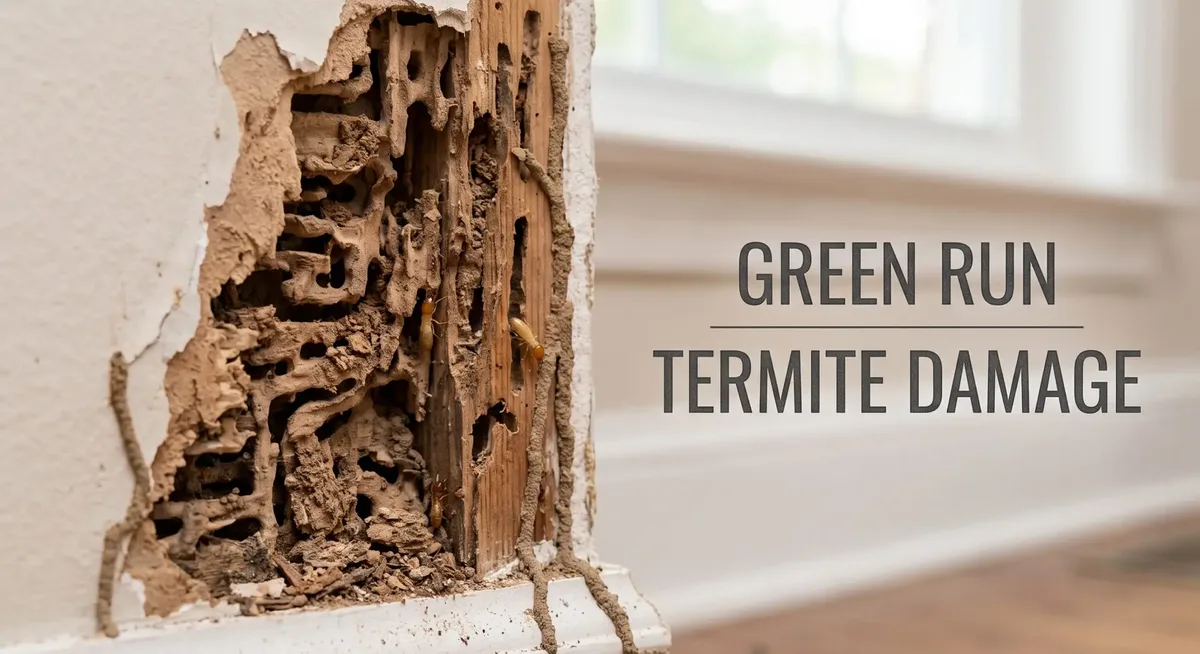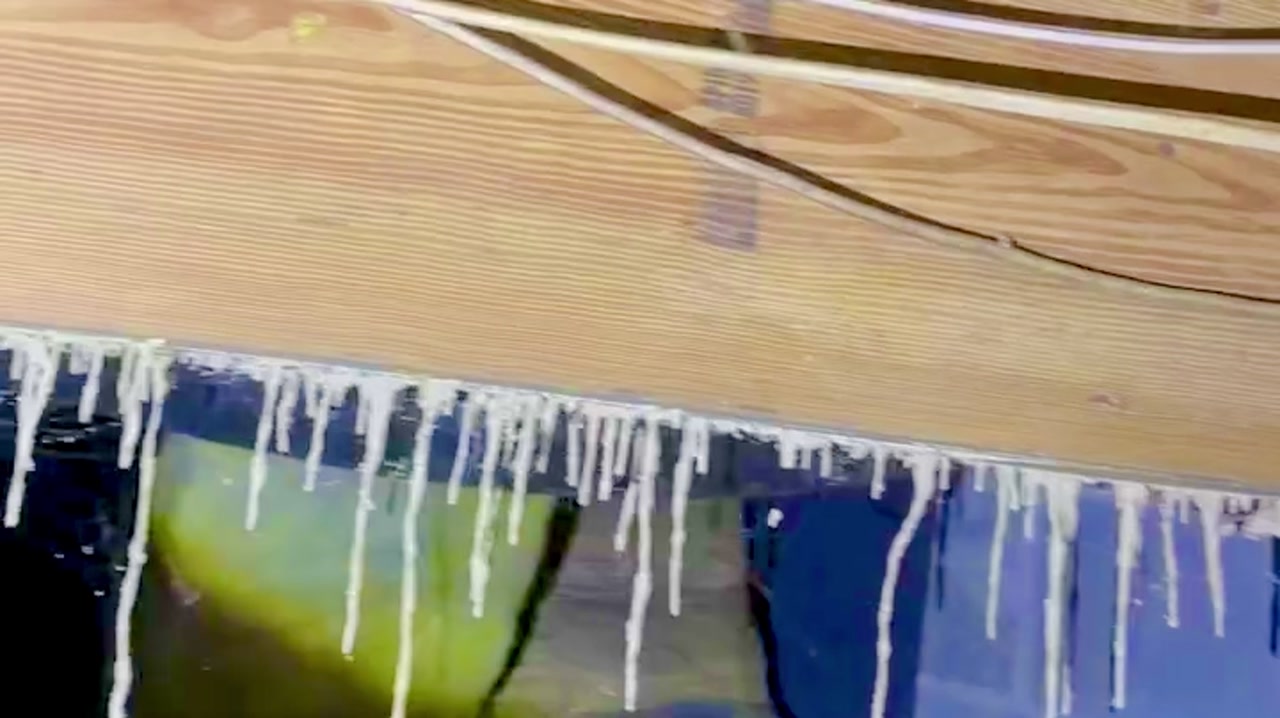
A short video from a Great Neck inspection shows dense termite mud tubes hanging from wood framing and activity around structural members. The footage is a reminder that termites can stay hidden in crawl spaces and wall-adjacent framing long after the first visible clue appears.
What the Great Neck termite video shows
The most obvious feature is the number of mud tubes running along the wood. Subterranean termites build these sheltered routes to move between the soil and the wood they are feeding on. The tubes help protect the insects from dry air and open exposure, so they are often more useful as an inspection clue than the termites themselves, which may stay out of sight.
The clip also shows why a termite visit cannot stop at a quick look around the room. A technician needs to follow the visible route, inspect accessible crawl-space and foundation areas, look for damaged or softened wood, and document conditions that could keep moisture or termites moving toward the structure. A video can show the evidence; it cannot establish the full extent of the activity or the right treatment by itself.
Why Great Neck homes need a complete termite inspection
Great Neck homes sit in a coastal Virginia environment where humidity, crawl-space conditions, landscaping, and foundation details can all affect termite pressure. Two houses on the same street can have very different risk because of drainage, wood-to-soil contact, utility penetrations, access, and the condition of the framing below the living space.
That is why the next step after spotting a tube is not to scrape it away and assume the problem is solved. The inspection should connect the clue to the route: where the tube begins, what wood it reaches, whether there are additional tubes or damaged members, and whether the conditions around the foundation make another route likely.
What happens after termite activity is found
The treatment plan depends on the inspection findings. A contained route may call for localized treatment, while broader activity may require perimeter work, bait monitoring, or a combination of approaches. The written recommendation should explain what was found, what the treatment is intended to address, and how follow-up or warranty coverage works.
If you find a tube or damaged wood, take a clear photo without disturbing the area and arrange an inspection. Our Virginia Beach termite control team can review the accessible structure and explain the next step. You can also compare the options on our termite treatment page.
Frequently Asked Questions
What are termite mud tubes?
Termite mud tubes are protected travel routes that subterranean termites build between the soil and wood or other parts of a structure. They help termites maintain the moisture they need while moving through exposed areas such as foundation walls, crawl-space supports, and framing.
See termite damage repair in Virginia Beach
A mud tube is evidence that deserves an inspection, even if it looks old or empty. The route may connect to a hidden entry point, and removing the visible section does not address what is below or behind it.
Does a mud tube prove that termites are still active?
A mud tube proves termite activity occurred at that location, but the tube alone cannot tell you whether the colony is active today or how far the activity extends. A technician checks for fresh soil, live insects, new damage, connected routes, and conditions that could support another entry.
Get a free quote in Great Neck
That distinction matters because an old-looking tube can still lead to hidden activity, while a broken tube can reflect a route that termites abandoned. The inspection should determine what the evidence means now.
Can termites damage wood framing in a crawl space?
Yes. Subterranean termites can damage wooden framing, floor joists, sill areas, and other structural members when they reach the home from the soil or another concealed route. The visible surface may look intact even when probing, moisture, or hidden galleries reveal a more serious problem.
Book a crawl space inspection in Virginia Beach
A crawl-space inspection should document the accessible wood, the route leading to it, and any moisture or foundation conditions that need attention alongside the termite treatment.
Are termites common in Great Neck, Virginia Beach?
Termites are a real inspection concern for Great Neck homes, but the risk and treatment scope vary by property. Coastal humidity, crawl-space access, landscaping, drainage, wood contact, and the age and construction of the home can all change where termites find a route.
Get a free quote in Great Neck
Local context helps a technician know what to look for, but it does not replace inspecting the specific foundation and wood conditions at the house.
What should I do if I find termite mud tubes?
Photograph the tubes, avoid disturbing the surrounding area, and arrange a termite inspection so the route and any hidden damage can be evaluated. Do not rely on scraping the tube away or spraying only the visible surface, because that can remove the clue without solving the entry route.
See termite damage repair in Virginia Beach
Keep the photo, note where you found it, and mention any doors or windows that stick, sagging floors, moisture, or recent swarmers when you schedule the visit.