Roaches under a Western Branch home are almost always a humidity story before they are a sanitation story. When the dirt floor of a crawl space sits above roughly seventy percent relative humidity, American and Oriental roaches gain the moisture their eggs and young need — and the colony under your subfloor grows quietly, out of sight.
Why does crawl space humidity decide whether roaches breed under a Western Branch home?
Roaches lose water through their bodies constantly, so a damp crawl space is the difference between a few wanderers and a self-sustaining population. American and Oriental roaches need moisture to complete their life cycle; egg cases dry out and fail in a low-humidity space, while a crawl floor holding steady dampness lets each generation mature and produce the next.
Book a crawl space inspection in Chesapeake
The American cockroach — the large reddish insect neighbors call the palmetto bug or water bug — is not a kitchen breeder the way the German roach is. It lives outdoors and in the damp margins of a structure, and the crawl space is the margin it favors most. Oriental roaches are even more tied to standing dampness; they gather where water pools and organic debris rots.
Once a crawl floor stays wet enough, those two species stop being occasional visitors and start nesting under the floor joists, moving up into the living space through plumbing chases and floor register gaps when they want food.
Where does the moisture under a Western Branch crawl space actually come from?
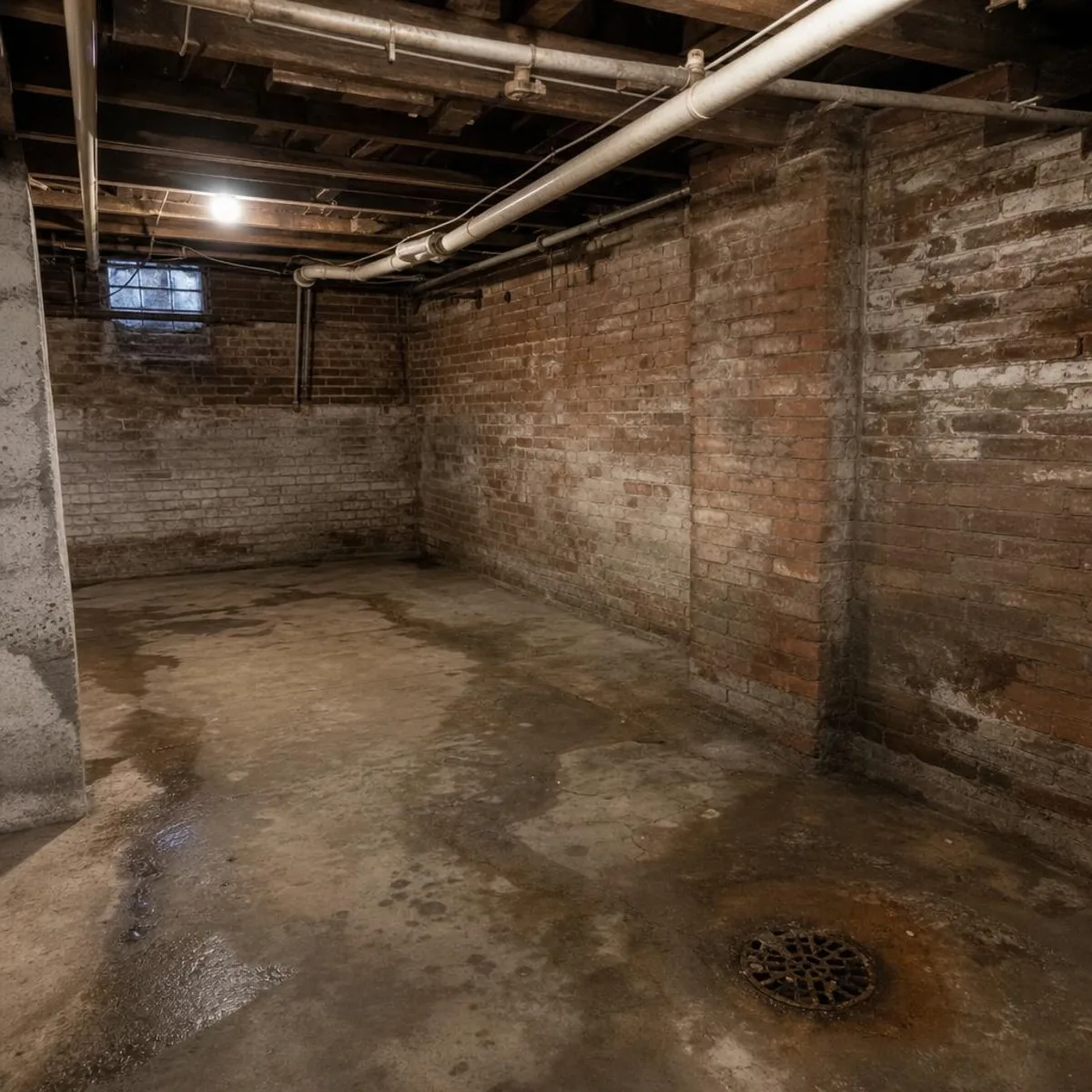
Three sources feed a damp crawl floor here: ground moisture evaporating up from bare soil over a high water table, warm humid outside air condensing on cool crawl surfaces in summer, and plumbing or drainage leaks that never dry. Western Branch sits low near the Elizabeth River, so the soil under many homes stays wet most of the year.
Get a free quote in Western Branch
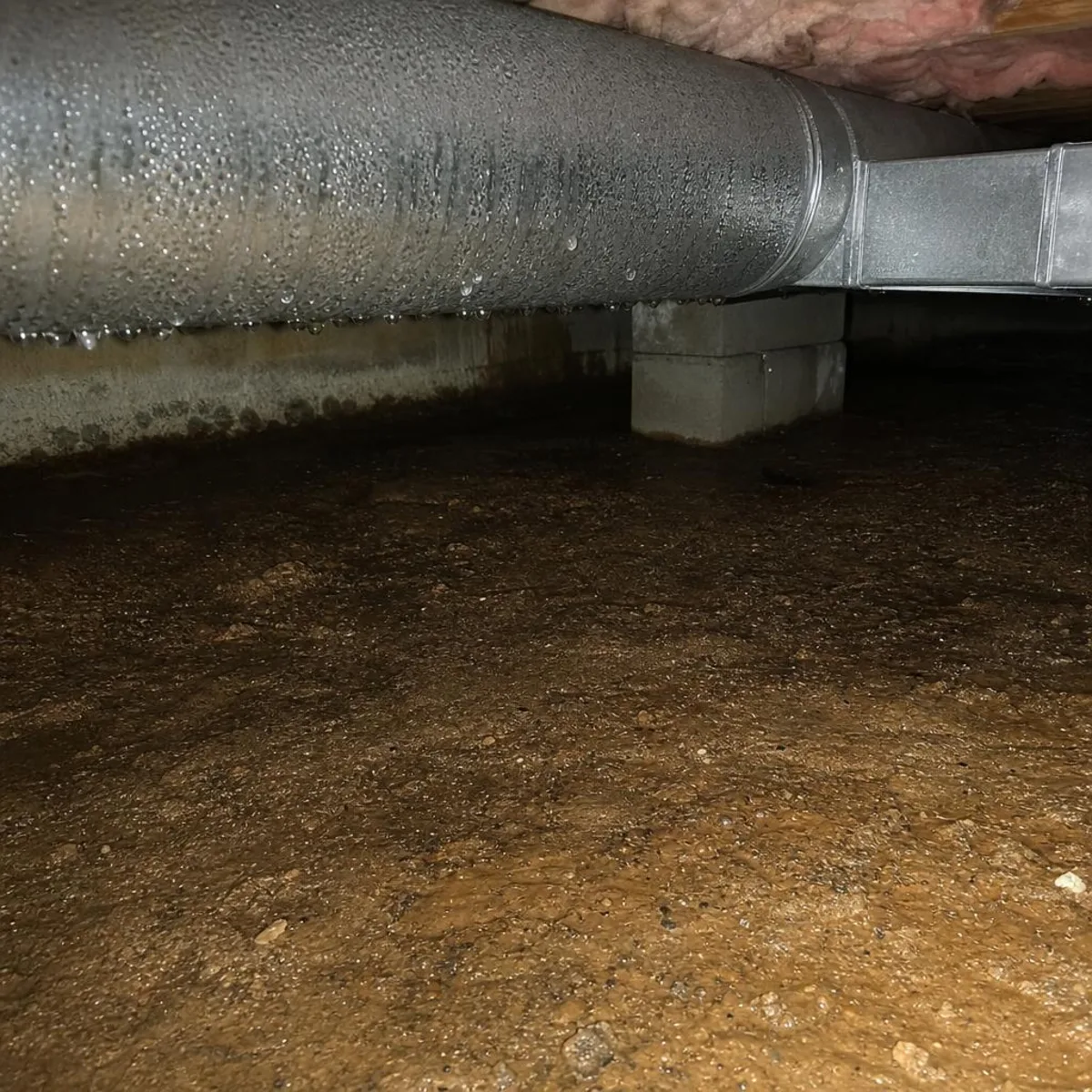
Bare dirt is the biggest contributor. Without a sealed ground barrier, soil moisture wicks upward and evaporates into the crawl air day and night. Add the summer pattern where humid air enters through open foundation vents and condenses on cooler ductwork and framing, and the space can sit saturated for months.
Leaking supply lines, a dripping water heater pan, and downspouts that dump against the foundation all pile onto the same problem. A crawl space inspection is where we trace which of these is driving your particular space, because the fix is different for a grading problem than for a condensation problem.
What actually dries a crawl space out enough to stop roach breeding?
Drying a crawl space is a sequence, not a single product: manage the water coming in, seal the soil against evaporation, control the air, and dehumidify what remains. Removing the standing dampness pulls relative humidity below the threshold roaches need, and the population under the floor loses the conditions that let it reproduce.
Book a crawl space inspection in Chesapeake
Grading and gutter work come first so surface water stops running under the house. A vapor barrier over the dirt cuts off the largest moisture source. Where the space stays humid after that, crawl space encapsulation seals the vents and liner into one controlled envelope, and a dehumidifier holds the air dry. In spaces with a persistent water problem, a sump pump moves the water out before it can evaporate.
When there is already soiled debris and old fiberglass matted against the joists, crawl space cleaning removes the harborage the roaches are living in. Sealing a dry space also closes the plumbing gaps and register openings the roaches were using to reach the kitchen above.
| Sign in the house | What the crawl moisture is doing | The drying step that resolves it |
|---|---|---|
| Large reddish roaches on the kitchen floor at night | American roaches nesting in the damp crawl below and climbing plumbing chases to forage | Dry the crawl floor and seal the pipe penetrations they travel through |
| Musty, earthy smell from floor registers | High crawl humidity over bare soil pushing damp air up into the rooms | Ground vapor barrier and dehumidification to drop the relative humidity |
| Roaches clustered near a crawl access door | Oriental roaches drawn to the wettest edge of the space near a leaking hose bib or grade | Correct the grading and drainage feeding that corner |
| Standing water after a summer storm | Low elevation near the Elizabeth River branch and a high seasonal water table | Sump pump and encapsulation to keep the floor dry between rains |
| Sagging or spongy floor over the crawl | Chronic moisture rotting joists that the same dampness feeds roaches | Moisture control first, then structural repair as needed |
| Roaches appearing worse every summer | Warm humid air condensing through open vents during the humid season | Seal vents and encapsulate so the season no longer soaks the space |
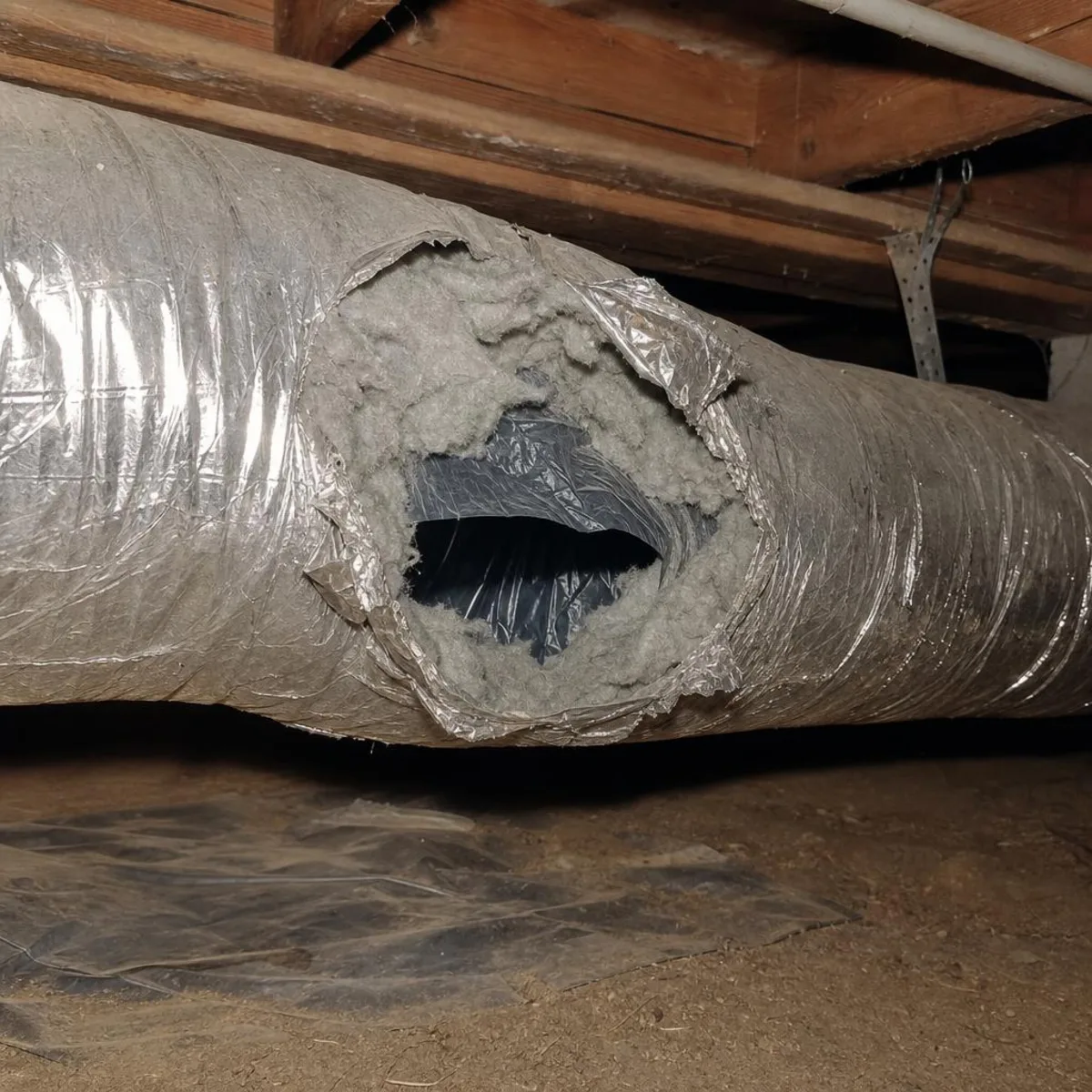
A saturated crawl floor rarely stops at the roaches. That same humidity condenses on the flex duct running through the space, and once roaches have been living in and around those runs the ductwork can carry their debris and a musty smell into every room the system serves; when that is the case, having Universal Duct Cleaning clear the runs is part of setting the crawl right. The fiberglass batts stapled between the joists absorb the moisture too, and once they sag and hold that dampness they become one more thing feeding the problem — pulling and replacing them is work Universal Insulation Doctor handles alongside the drying.
Frequently asked questions
What relative humidity does a crawl space need to stay below to stop roaches breeding?
Aim to keep the crawl space under roughly fifty to sixty percent relative humidity. American and Oriental roaches depend on higher moisture to keep their eggs viable and their young alive, so a space held reliably in that lower range no longer supports steady reproduction. A vapor barrier plus dehumidification is what holds a Western Branch crawl in that range through the humid season.
Get a roach treatment quote in Western Branch
Are the roaches I see upstairs the same ones living in the crawl space?
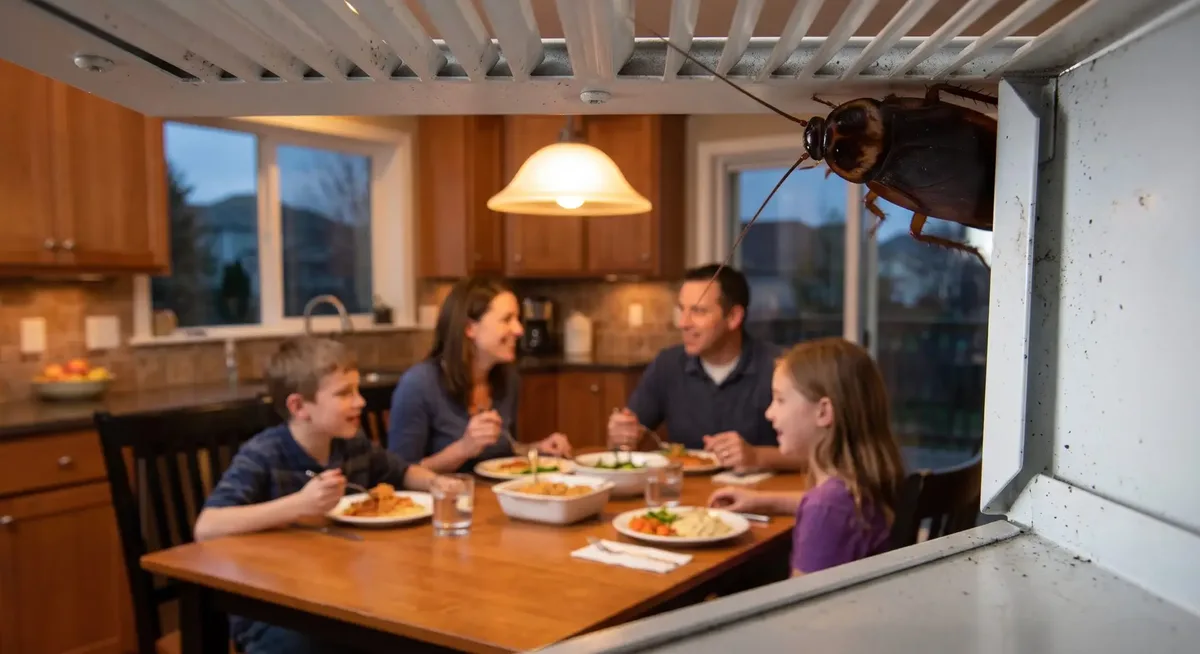
Often yes. American roaches nest in the damp crawl and travel up through plumbing penetrations and gaps around floor registers to forage in the kitchen at night, then return below. Because the nest is under the floor rather than in the room, spraying the baseboards upstairs does little — the breeding population is in the moisture beneath you, not where you see the insects.
Book a crawl space inspection in Chesapeake
Will spraying the crawl space fix a roach problem without drying it out?
Not durably. Treatment can knock down the roaches present, but a crawl floor that stays above their moisture threshold keeps producing new generations, so activity returns. The lasting result comes from removing the dampness the colony depends on. Correcting moisture makes any treatment far more effective and keeps the space from re-populating after the first knockdown.
Get a roach treatment quote in Western Branch
Does encapsulation help with roaches or only with moisture and energy?
It does both at once. Encapsulation seals the soil and vents so the crawl no longer holds the humidity American and Oriental roaches need, and the same sealing closes many of the gaps insects used to get in. Homeowners usually notice the energy and odor improvement first, but the drop in crawl-dwelling roaches is a direct result of the space no longer being wet.
Book a crawl space inspection in Chesapeake
When large roaches keep working their way up into a Western Branch kitchen at night, the answer is almost always under the floor: get a humidity reading off the dirt, find whether it is the bare soil, the vents or a leak driving it, and lay a vapor barrier and dehumidifier over the wettest spots. That work — and the routes we cover it from — is described on our Western Branch pest control page and our wider Chesapeake coverage, with follow-up protection folded into our home health plans. Tell us what you are seeing through a free quote and we will read the crawl before recommending anything.