In a Town Center high-rise or a Lynnhaven condo, German cockroaches travel between units through shared walls and stacked plumbing, so one neighbor's kitchen problem quickly becomes the whole building's problem — and it is solved with coordinated baiting, not a can of spray in a single unit.
Why is a German cockroach problem never really one unit's problem?
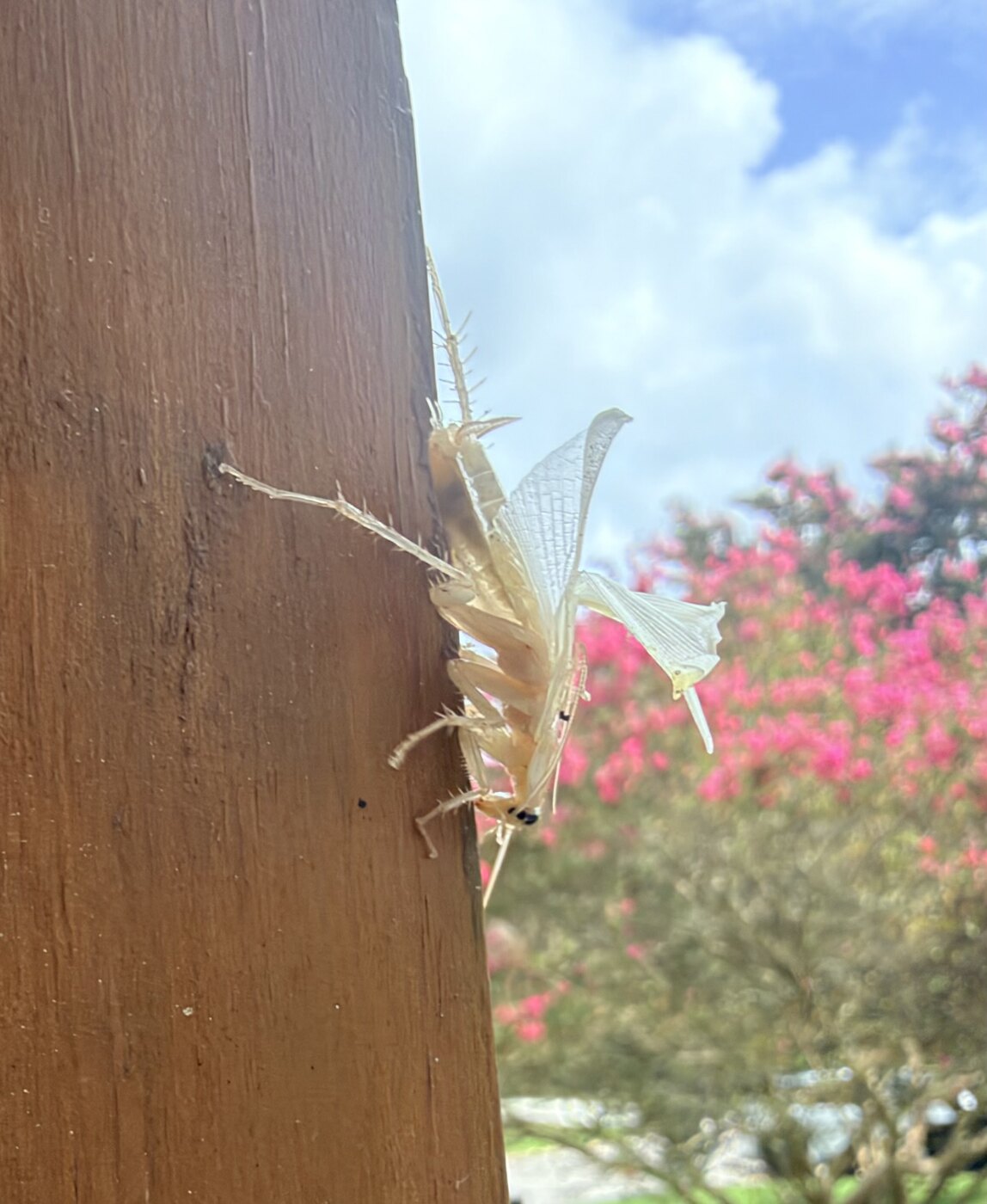
German cockroaches are small, breed fast in clusters, and hide in warm cavities. In multi-family construction those cavities connect — shared demising walls, stacked plumbing risers, and continuous wiring runs link one unit to the next. Treat only the unit where they were spotted and the population simply retreats through the wall and reseeds it later.
Get a roach treatment quote in Town Center
A single female and her offspring can build a heavy infestation over a season, and the population lives inside the voids, not out in the open. Those voids do not stop at the drywall. The pipe chase behind one kitchen connects to the pipe chase behind the unit above and beside it, and roaches follow that warmth and moisture along the run.
So the count you see in one kitchen is a fraction of what the building holds. Effective control has to think in terms of the whole structure, which is what makes a condo different from a single-family house.
How do they actually move between units?
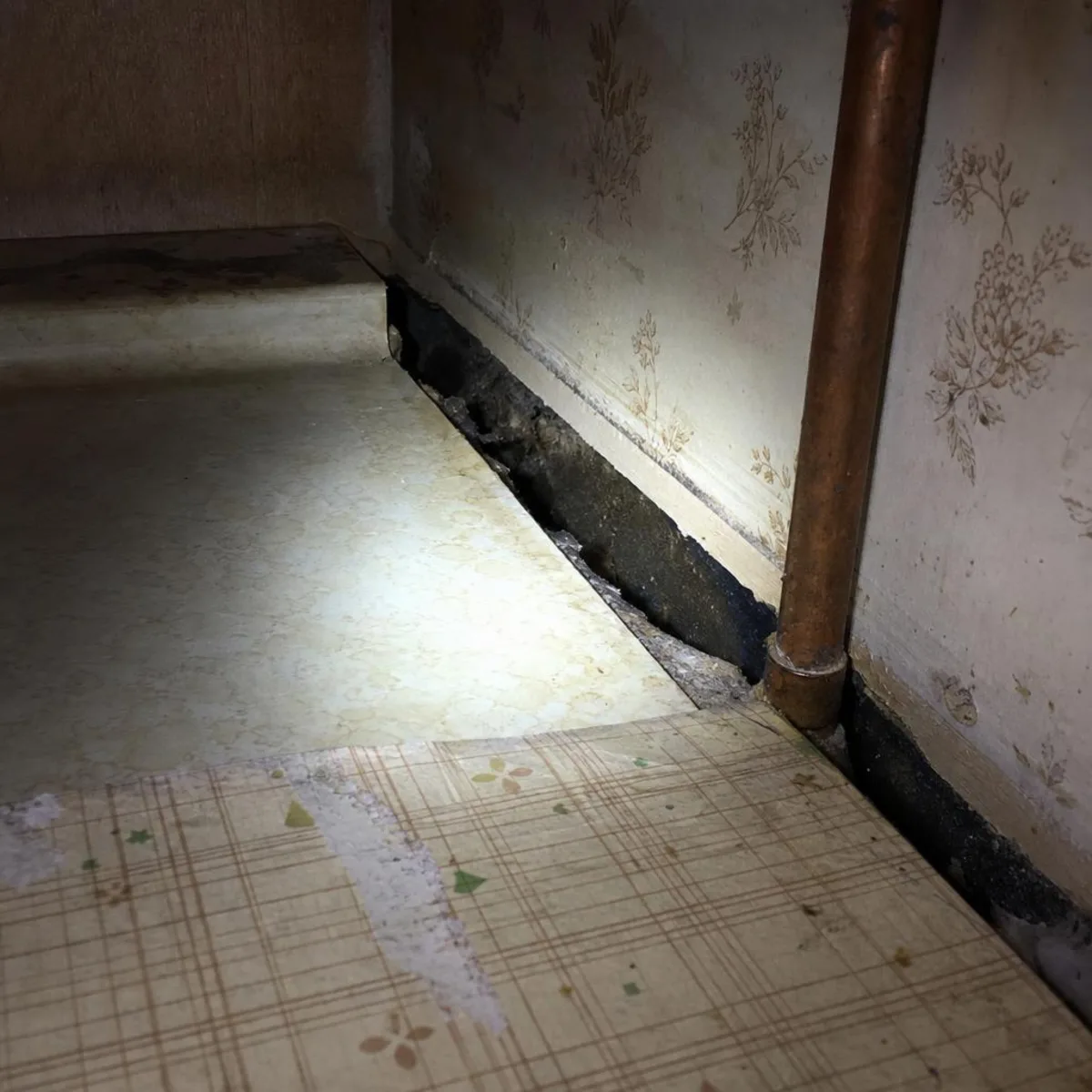
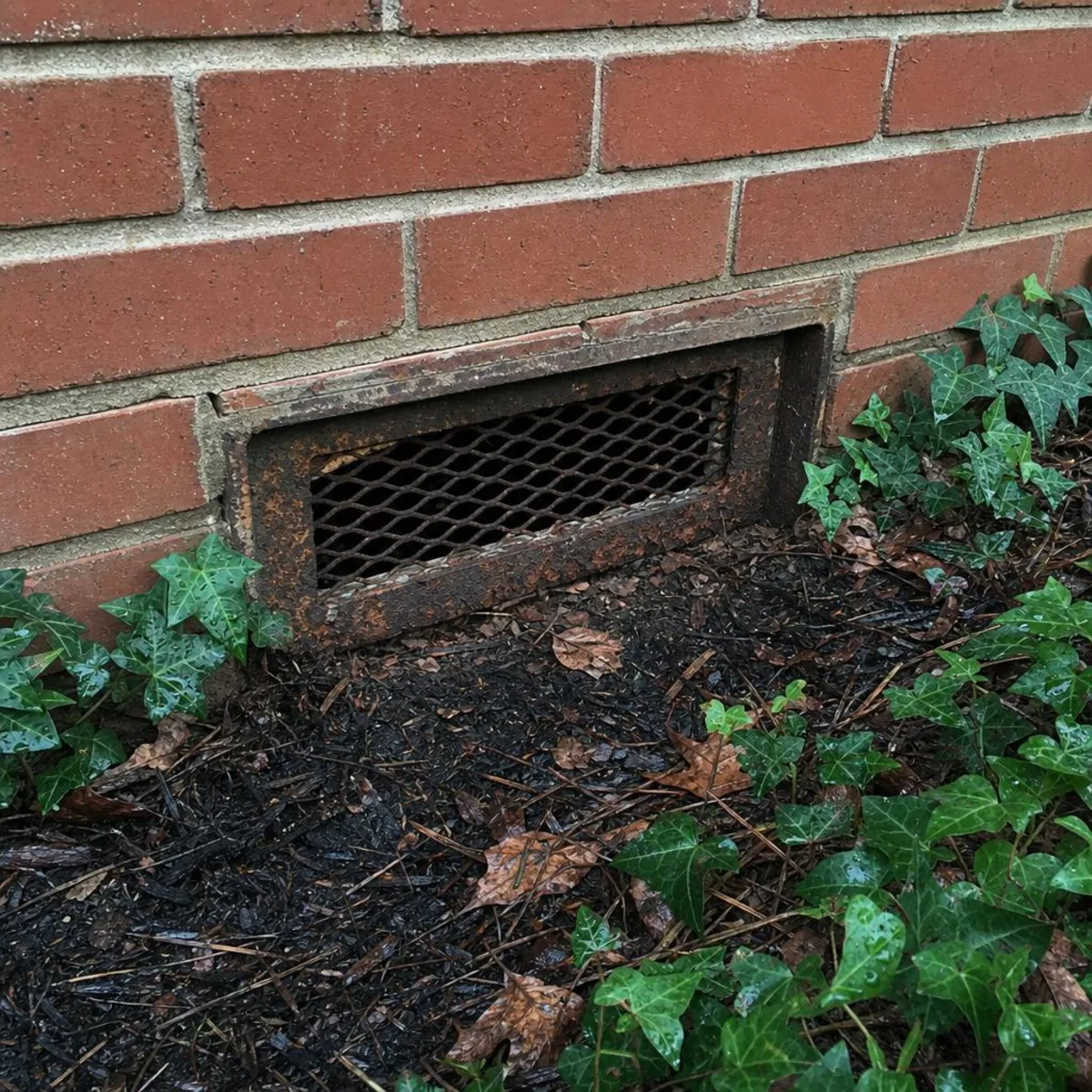
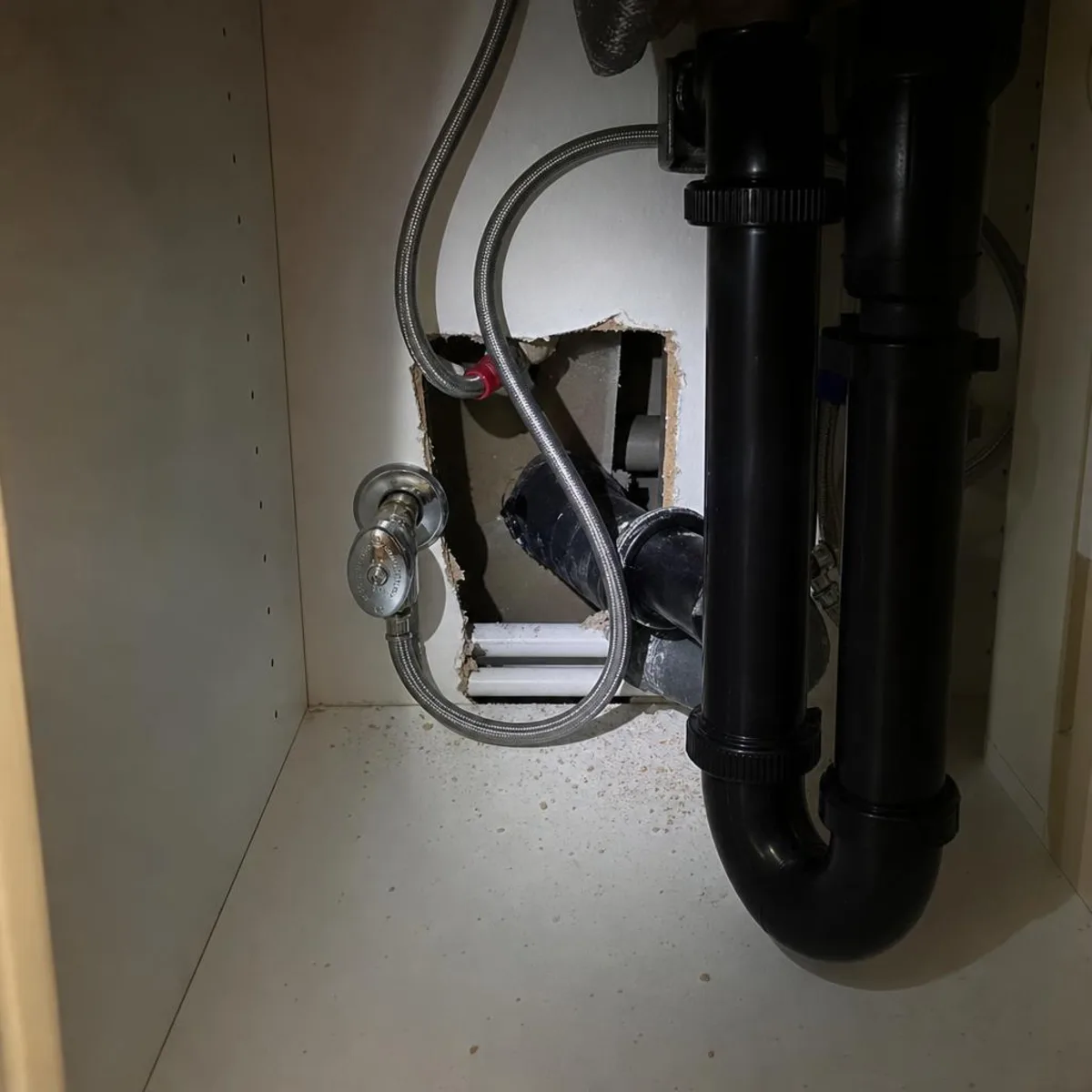
Through the routes the building provides them. Stacked plumbing means the kitchen and bath pipes of every unit share a vertical chase; a gap where a pipe passes through a wall opens that chase to the room. Shared electrical and cable penetrations, common trash rooms, and the gaps under and around doors give roaches paths from one address to the next.
Get a free quote in Town Center
Plumbing risers are the main highway. Because kitchens and baths stack directly above one another to share those lines, the warm, damp pipe chase runs floor to floor as a single connected space. A roach in a ground-floor unit can reach the units above it without ever crossing an open hallway.
Shared trash and recycling rooms concentrate food and give the whole building a common feeding ground, and grocery boxes or secondhand appliances can carry a founding cluster in from outside entirely. These are the buildings we cover on our Town Center and Lynnhaven pages, where the density that makes them convenient also makes the interior routes short.
Why bait and growth regulators instead of spray?
Repellent sprays scatter a German cockroach population rather than kill it — the survivors flee through the wall into the next unit and split into new pockets. Non-repellent transfer baits work the opposite way: roaches feed, return to the harborage, and pass the active ingredient to the cluster. An insect growth regulator stops the survivors from breeding, closing out the generation.
Get a free quote in Town Center
Transfer is the whole point. A roach that eats bait carries it back into the void and contaminates others through contact and feeding, reaching the hidden population that no spray ever touches. Because the roaches are not repelled, they keep using their normal runways, and the bait keeps moving through the colony.
The growth regulator handles the part baiting alone can miss. It interrupts development so any roach that survives cannot reproduce, which drains the population instead of just trimming it. We deliver this as targeted pest control placed at the harborages, and sealing the pipe and wiring penetrations that connect the units is handled as pest exclusion so a cleared unit stays cleared.
Why does treatment have to be coordinated between neighbors?
Because a single untreated unit reseeds every treated one around it. If the unit next door or above is left out, its population keeps flowing back through the shared chase into the units you just cleared. Lasting control in a building means treating the affected units together, on the same schedule, and sealing the routes between them — a piecemeal approach chases the roaches in circles.
Get a free quote in Town Center
This is where the manager or association matters as much as any product. Access to adjoining units, timing treatments together, and addressing common areas like the trash room turn a series of isolated visits into one campaign against a single connected population. One holdout unit can keep an entire floor active indefinitely.
The shared cavities that let roaches travel are worth opening up for more than the baiting. A demising wall or riser void that stays damp soaks the insulation packed around it, and once the void is open anyway, having Universal Insulation Doctor replace that fouled batt strips out harborage the roaches were using. A shared duct trunk that ties several units together can move roach filth and allergen from a heavily infested apartment into cleaner ones, which is why Universal Duct Cleaning gets pulled in on the worst buildings. In stacked construction the pest problem and the building's guts are the same problem, so it makes sense to address them on one visit.
| What the resident notices | The shared-building cause | The multi-family response |
|---|---|---|
| Roaches return weeks after your unit was treated | An untreated adjoining unit reseeds yours through the shared wall | Coordinate treatment across the connected units at once |
| Small roaches around the kitchen pipe entry | A gap into the stacked plumbing chase behind the wall | Bait the harborage and seal the pipe penetration |
| Activity spreading floor to floor | The vertical riser links every stacked kitchen and bath | Treat the riser units together and close the chase gaps |
| A flare-up traced to the trash room | A shared feeding ground for the whole building | Bait and clean the common area on the same schedule |
| Roaches worse right after a spray | A repellent product scattered the cluster into the walls | Switch to non-repellent transfer bait and a growth regulator |
| A new cluster after a delivery or move-in | A founding group carried in on boxes or a used appliance | Inspect and bait the source unit before it spreads |
Frequently asked questions
My unit was treated but the roaches came back — why?
Almost always because a connected unit was not treated. German cockroaches live in the shared wall and pipe voids, and if the population next door or above is left alone it flows back into your unit through the same chase once your treatment fades. Clearing one apartment in a building of connected units is temporary by design; the untreated pocket simply reseeds it.
Get a free quote in Town Center
Can I just spray them myself between visits?
Over-the-counter repellent sprays tend to make a German cockroach problem worse in a building. They scatter the cluster, sending survivors deeper into the walls and into neighboring units, where the population splits and rebuilds. The non-repellent baits used in professional treatment rely on roaches moving normally and feeding, so a repellent applied over the top can actually undercut the baiting that is working.
Get a free quote in Town Center
Whose responsibility is it in a condo or apartment?
It usually takes both the resident and the building. A resident controls their own unit, but the shared walls, risers, and common rooms that carry the roaches fall to the association or manager. Because a single untreated unit can keep a whole floor active, coordinating access and timing across the affected units is what turns individual visits into a fix that actually holds.
Get a free quote in Town Center
How long does it take to clear a building infestation?
A connected multi-family population takes several visits over a few weeks rather than one appointment. Baiting works through the colony as roaches feed and transfer it, and the growth regulator has to outlast the current generation's development. Coordinating the adjoining units so none reseeds the others is what keeps that timeline from stretching indefinitely, which single-unit treatment tends to do.
Get a free quote in Town Center
If German cockroaches keep returning to your Town Center or Lynnhaven condo however often that one unit is sprayed, the shared walls and stacked risers are the reason, and the treatment has to work at the building level. A technician can map the units on the affected riser, place transfer bait and growth regulators in the harborages rather than spraying, and set a schedule with your association so no unit reseeds the rest — line up that building assessment here. Every neighborhood we reach is listed on the Virginia Beach hub.