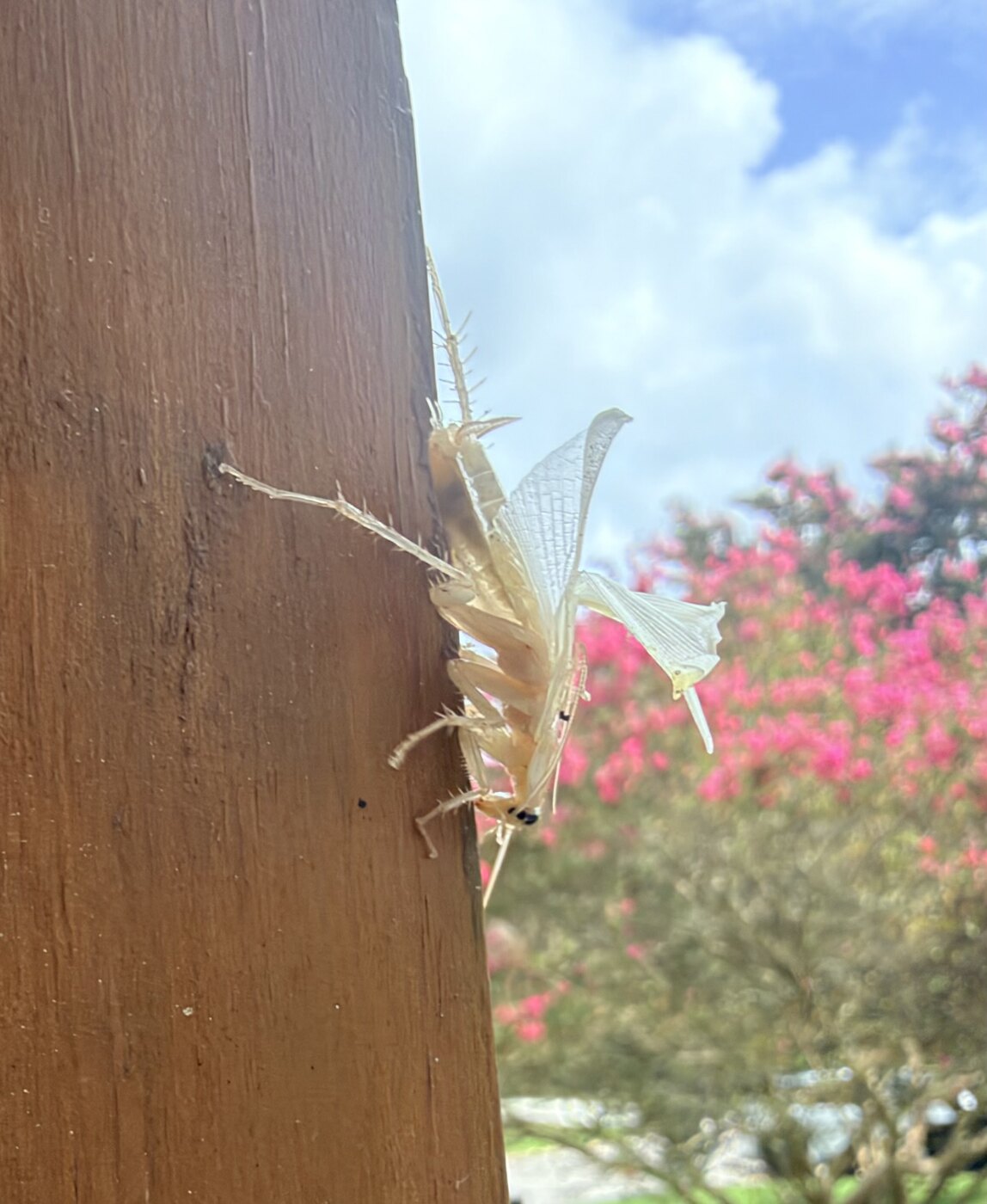
A live cockroach filmed in Little Neck, Virginia Beach, gives homeowners a close look at a behavior they usually never see: molting. The insect in the video is moving across exterior trim, and its unusually pale appearance is consistent with a cockroach that is in or near a molt. The footage cannot identify the species by itself, but it does show why a single outdoor sighting deserves context rather than a guess.
Molting is a normal part of cockroach growth. A young cockroach, called a nymph, must shed its old exoskeleton as its body gets larger. The new body can look pale and soft at first, then darken and harden. Finding one molt or seeing one pale roach does not prove that a home has a large infestation, but repeated sightings, shed skins, droppings, egg cases, or indoor activity are reasons to inspect more closely.
What does a cockroach molt look like?
A cockroach near a molt may look lighter than expected, with a soft or slightly translucent body. A shed exoskeleton can remain nearby after the insect has moved away. The exact appearance varies with the species and life stage, and bright outdoor light can make the body look even paler in a phone video.
Get a roach treatment quote in Little Neck
The insect in this Little Neck footage is alive and moving, so it should not be described as an empty shed skin. It appears unusually pale and may be in or near the molting process. A clear species identification still requires a closer look at body shape, markings, size, wings, and the surrounding evidence.
Why do cockroaches molt?
Cockroaches have an external skeleton that does not expand as they grow. Nymphs periodically shed that outer layer and form a larger one. After a molt, the new exoskeleton is vulnerable while it hardens, which is why cockroaches often choose protected cracks, wall voids, landscaping, garages, or other sheltered locations.
Get a free quote in Little Neck
Seeing a molt tells you that a cockroach reached that location and was developing there or nearby. It does not tell you how many roaches are present, whether they are established indoors, or which control method is appropriate. Those answers come from checking for repeated evidence and tracing where the insects are entering or hiding.
Does one molting cockroach mean there is an infestation?
Not necessarily. A single roach on exterior trim may be passing through from mulch, leaf litter, a crawl-space vent, a garage, or another outdoor harborage. Coastal Virginia homes also have plenty of sheltered edges where larger outdoor cockroaches can move without living inside the home.
Get a free quote in Little Neck
The concern increases when a homeowner finds several pale roaches or shed skins, sees activity indoors, notices pepper-like droppings, discovers egg cases, or sees roaches during the day. Kitchens, bathrooms, utility rooms, garages, and areas around plumbing or exterior doors are useful places to check. A pest inspection can separate a one-time visitor from a recurring route.
What should Little Neck homeowners check next?
- Exterior harborage: Look around damp mulch, leaf buildup, stacked materials, crawl-space vents, hose connections, and gaps at doors or siding.
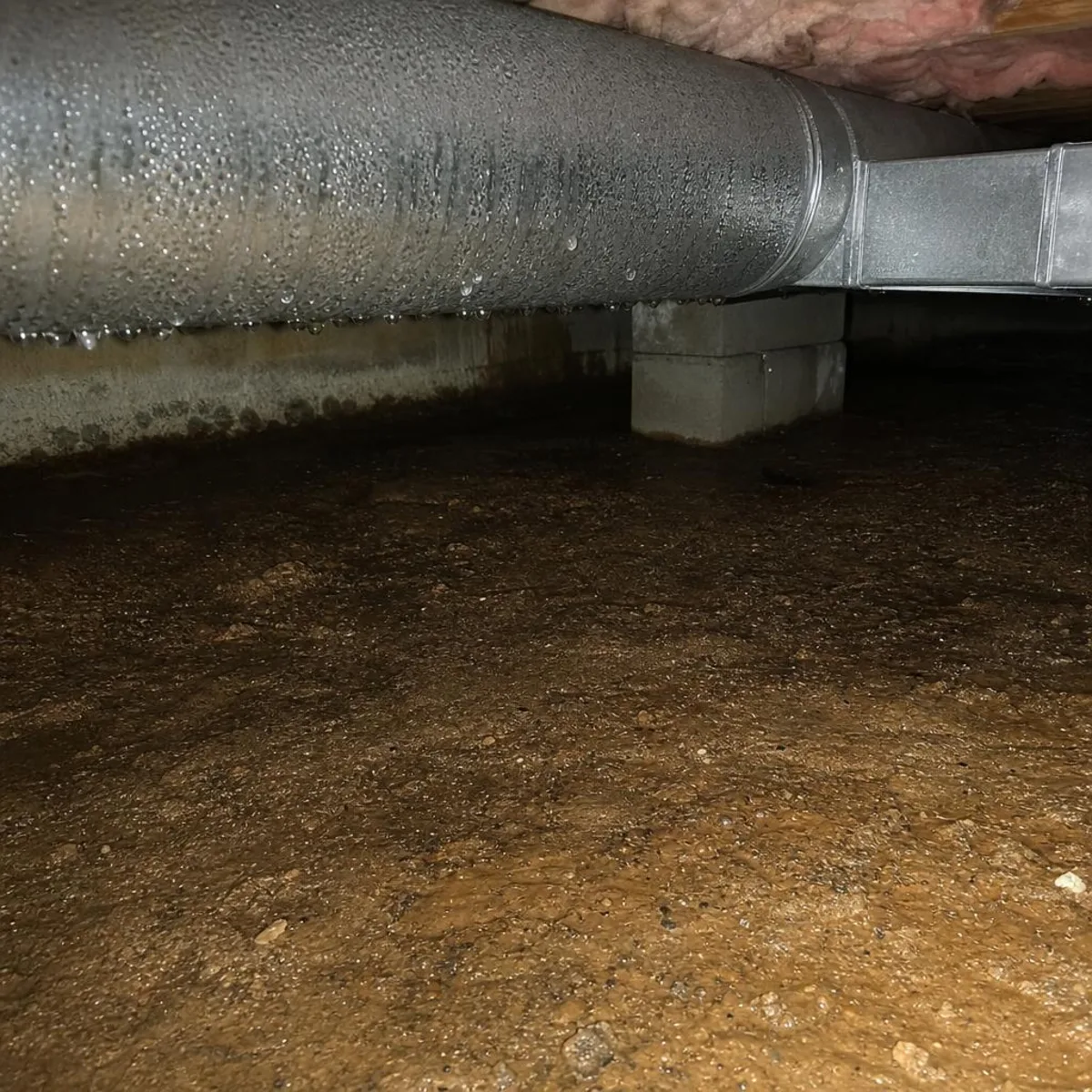
- Moisture: Check for leaking hose bibs, condensation, standing water, clogged gutters, and damp areas near the foundation.
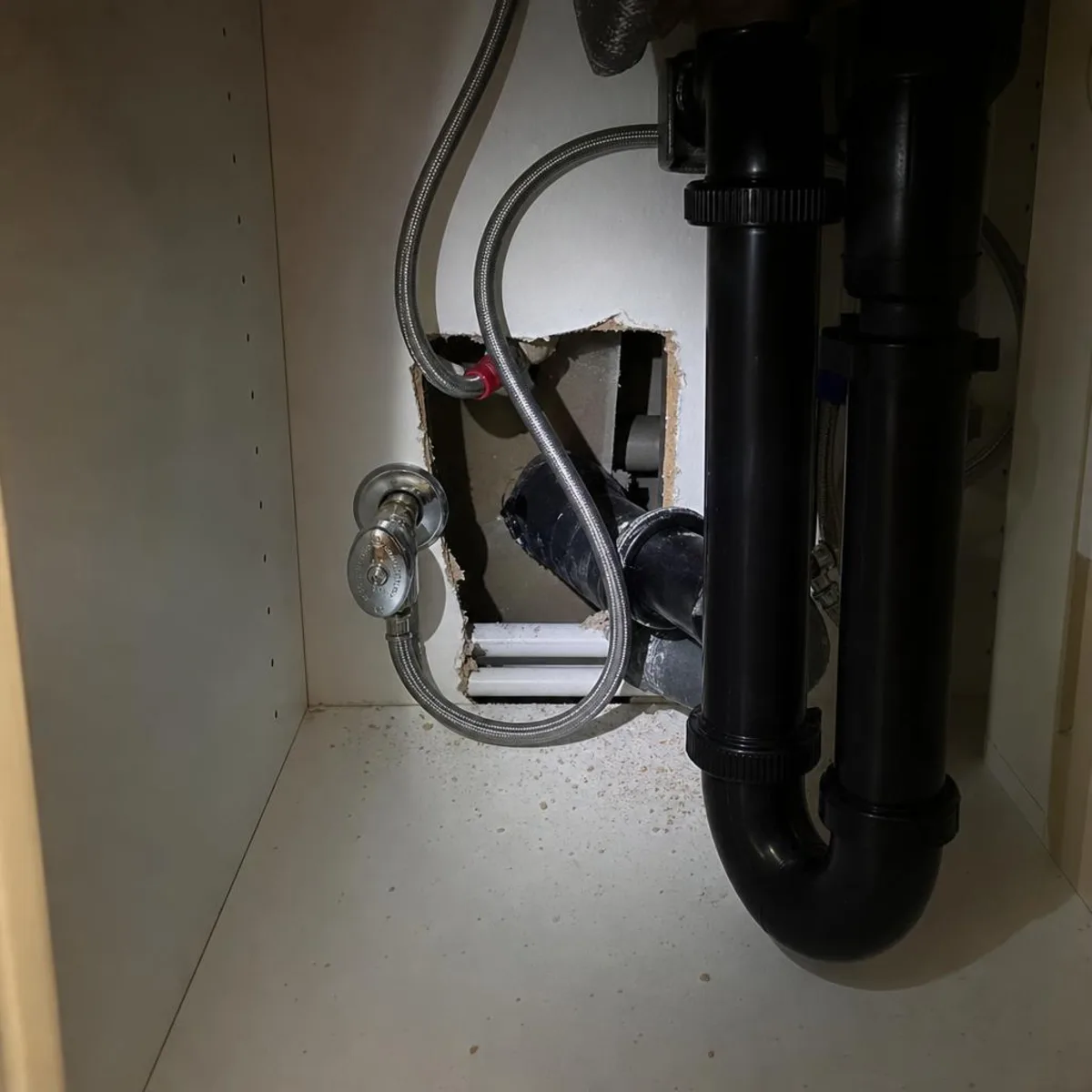
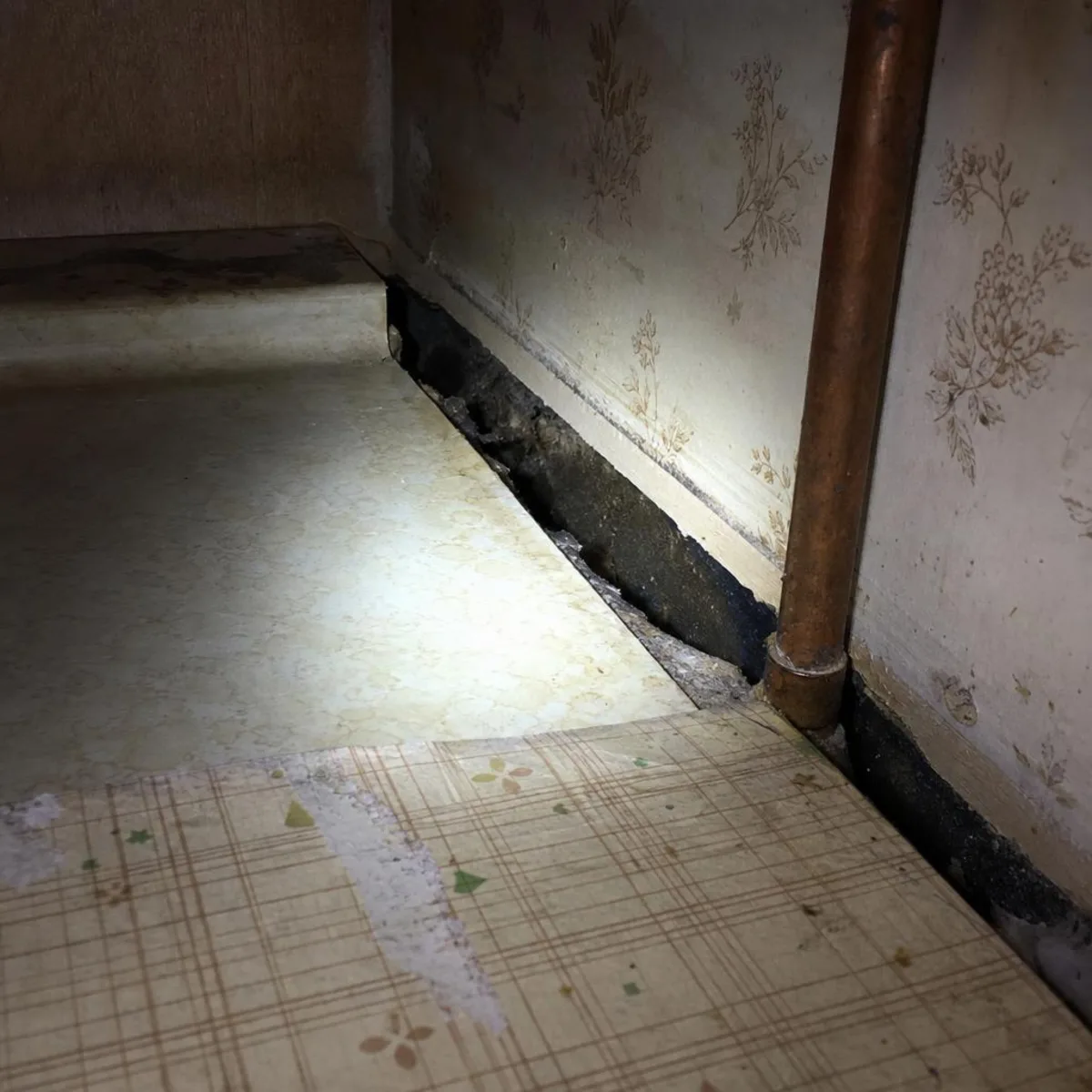
- Entry points: Inspect door sweeps, utility penetrations, foundation cracks, and the transitions around garages and crawl spaces.
- Indoor evidence: Look for droppings, egg cases, shed skins, or repeated sightings instead of relying on one insect's color.
- Species clues: Save a clear photo or video and note where, when, and how often the activity appears before choosing a treatment.
Do not fog or spray every surface based on one outdoor sighting. Broad pesticide use can scatter roaches, expose people and pets unnecessarily, and leave the entry route unresolved. If activity repeats, a targeted plan may combine inspection, moisture correction, entry-point work, exterior treatment, and baiting where appropriate. See the cockroach-control service page for the treatment process.
When should you schedule an inspection?
Schedule an inspection when live roaches or molts keep appearing, when activity moves indoors, or when the signs are concentrated near a kitchen, bathroom, garage, crawl space, or shared wall. The goal is not to diagnose an infestation from one photo. It is to identify the species or likely group, find the conditions supporting it, and decide whether the problem is local to the exterior or connected to the home.
See how pest exclusion works in Virginia Beach
Frequently Asked Questions
What is a cockroach molt?
A cockroach molt is the process of shedding an old exoskeleton so a growing nymph can form a larger one. The new body can look pale and soft before the outer covering hardens and darkens.
Get a roach treatment quote in Little Neck
Does a pale cockroach mean it is molting?
A pale body can be consistent with a cockroach near or during a molt, but color alone does not prove the exact stage. Lighting, species, age, and the condition of the insect all affect how it looks.
Get a free quote in Little Neck
Does finding one cockroach molt prove an infestation?
No. One molt or one outdoor cockroach does not establish the size or location of an infestation. Repeated molts, droppings, egg cases, daytime sightings, or indoor activity make an inspection more important.
Get a free quote in Little Neck
Where should I look after seeing a cockroach outside?
Check damp mulch, leaf buildup, crawl-space vents, garages, door sweeps, utility penetrations, plumbing areas, and foundation gaps. These locations can provide shelter or a route into the home.
Get a free quote in Little Neck
Should I spray after seeing a cockroach molting?
Do not spray every surface based on one sighting. Save the photo or video, look for repeated evidence, correct accessible moisture or entry conditions, and arrange a targeted inspection if activity continues or appears indoors.