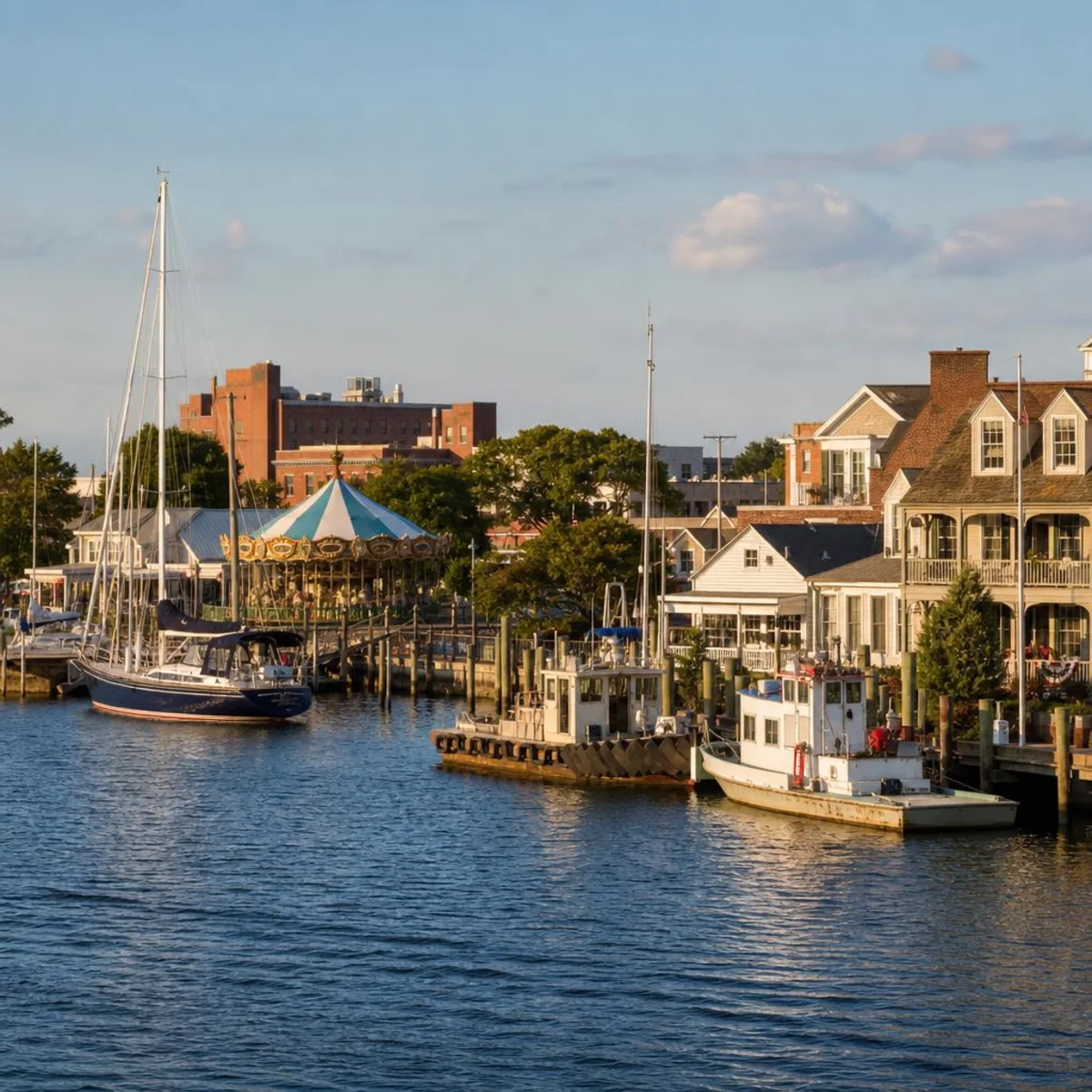
Hampton has water on three sides and not much elevation anywhere. The Chesapeake Bay pushes against Buckroe and Fox Hill, the Hampton River winds past downtown and Pasture Point, and the back creeks reach into nearly every neighborhood in between. For a pest control company that geography means one thing: the ground under a Hampton house is rarely dry for long, and the quote for protecting that house follows the water. Here is what the work costs across the city in 2026, and which features of a Hampton property change the number.
How much does pest control cost in Hampton in 2026?
Quarterly pest coverage starts at $38 per month; Pro adds termite protection for $63 per month. Duct and dryer-vent cleaning are still offered as standalone services with separate quotes. Work quoted per job runs $87 to $287 for a one-time visit, $395 for a liquid treatment of one affected area, $595 to $1,195 for a full trenched barrier, $99 to $1,495 for sealing a whole house against rodents, and $3,000 to $10,000 for encapsulating a crawl space. Around the wider region, quarterly plans commonly land between $40 and $70 per month. Market ranges reflect what we typically see other Hampton Roads companies charge, based on quotes homeowners bring us. They are our own observations, not a published survey. Flat termite treatment prices assume a qualifying home; the inspection comes first.
Market ranges reflect what we typically see other Hampton Roads companies charge, based on quotes homeowners bring us. They are our own observations, not a published survey. Our figures are entry points and spans; a fixed number exists only after someone has walked the property.
The plan tiers are compared side by side on the home health plans page, and the full list of what we run citywide is on the Hampton pest control page.
Why does the water decide so much of a Hampton quote?
Because it never leaves. Tidal creeks, storm surge and a water table you can nearly touch keep Hampton crawl spaces damp, feed the mosquito season, and push rats inland every time a big blow floods the marsh. The three questions a technician is really answering on a Hampton estimate are: how wet is the ground, how close is the marsh, and how many storm seasons has this house been through.
What does a flood-prone lot mean for termite work?
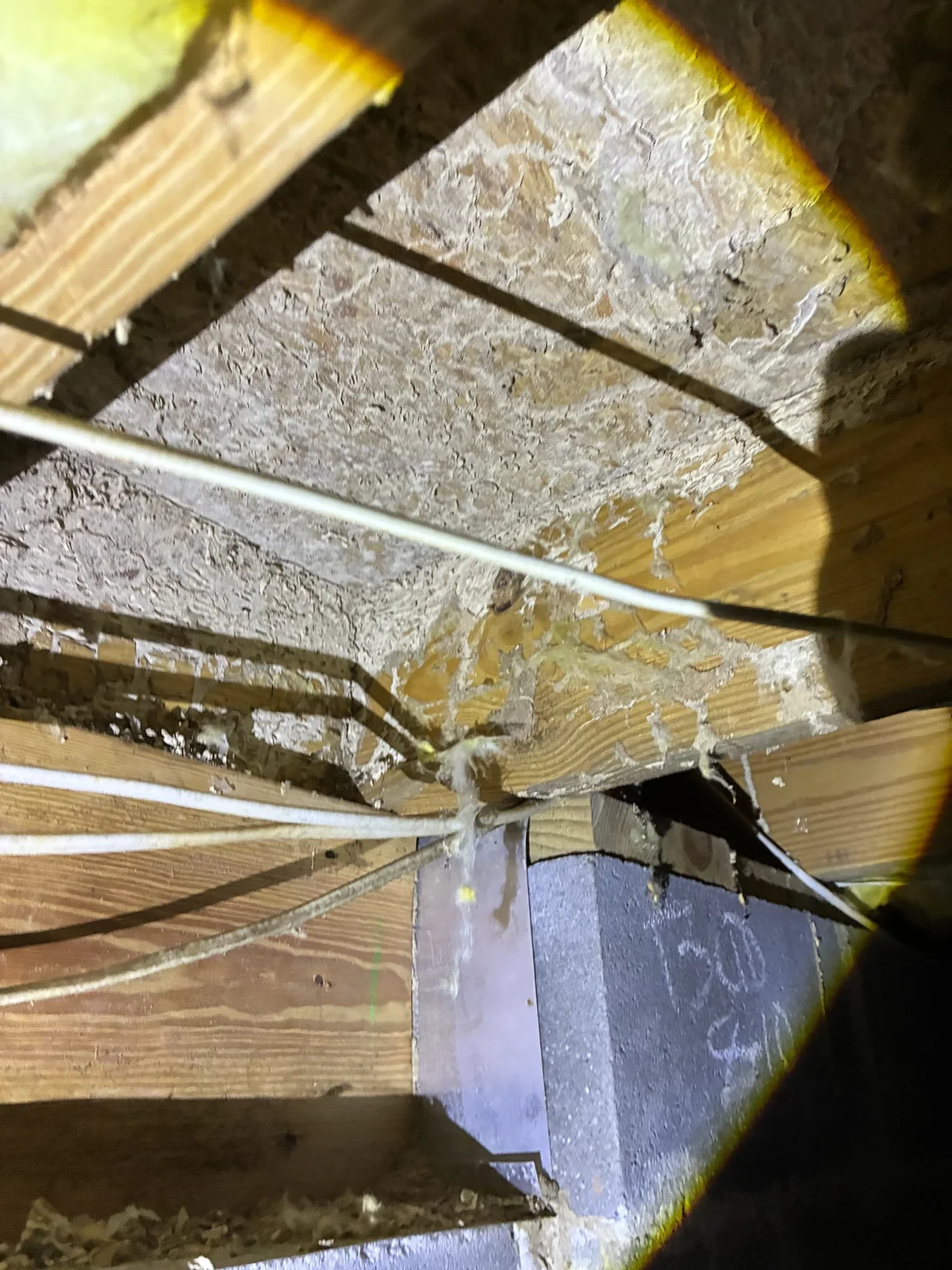
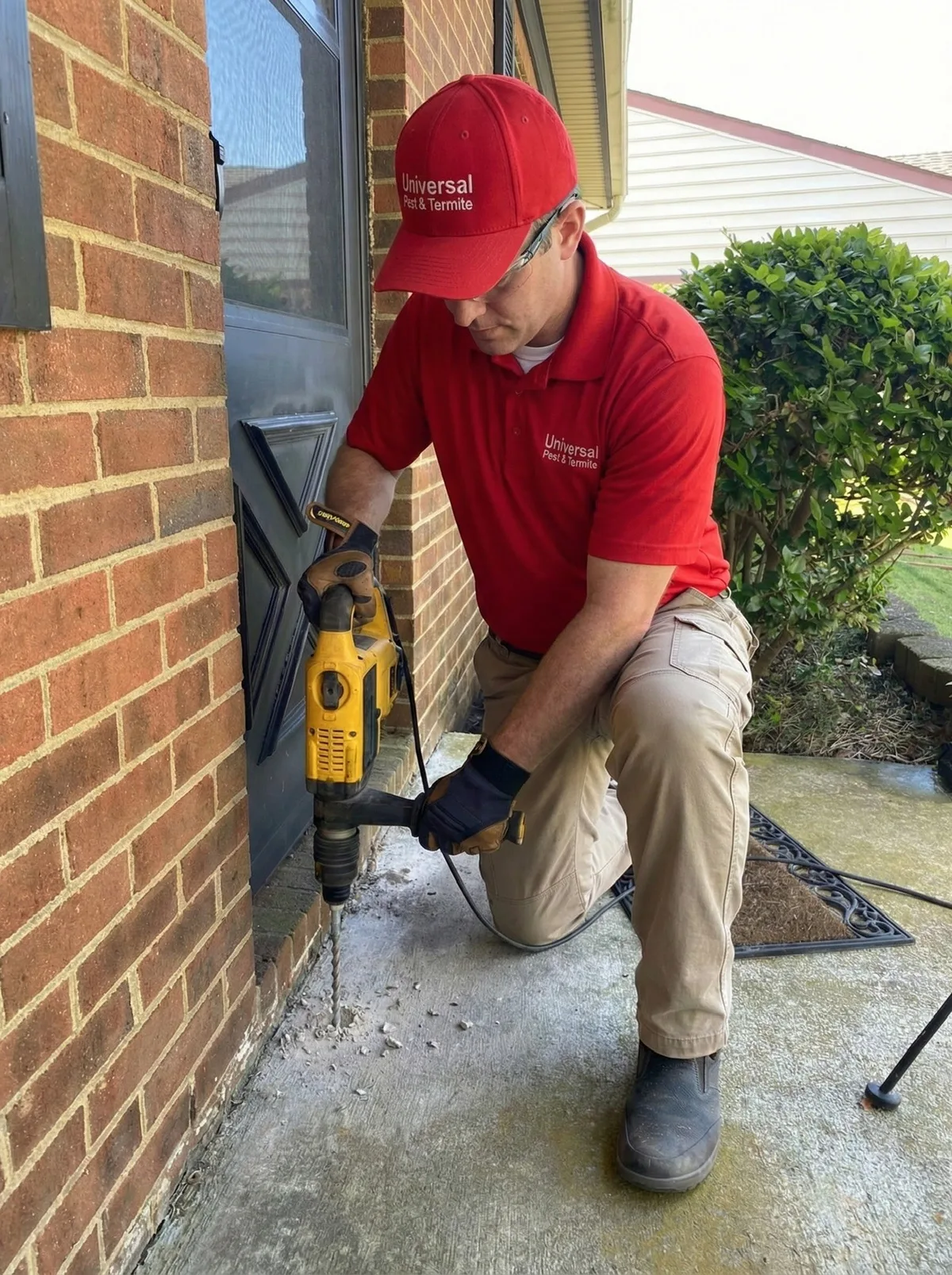
Saturated soil is a mixed blessing. Subterranean termites need moisture, and the fringe of ground beside the creeks off Fox Hill and Buckroe supplies it all year, so pressure is constant. At the same time, a lot that floods complicates a trenched liquid barrier — the treatment zone has to be placed and dosed for ground that moves water through it. On the wettest lots the monitored bait route, $8 to $12 per linear foot to install and $39 per month after that, is often the more sensible engineering, not the more expensive one.
See our termite protection in Hampton
Why do rats show up after every named storm?
Because the surge floods their burrows before it floods anything else. The marsh edge from Greater Wythe around to Northampton holds a permanent rodent population, and a hard nor'easter relocates it into garages, sheds and crawl spaces within days. The lasting fix is exclusion — finding and closing the vents, crawl doors and pipe gaps they used — which is why that work is quoted per opening at $99 to $1,495 rather than as a flat citywide rate.
Explore rodent control in Hampton
Are the old bungalows harder to protect than newer houses?
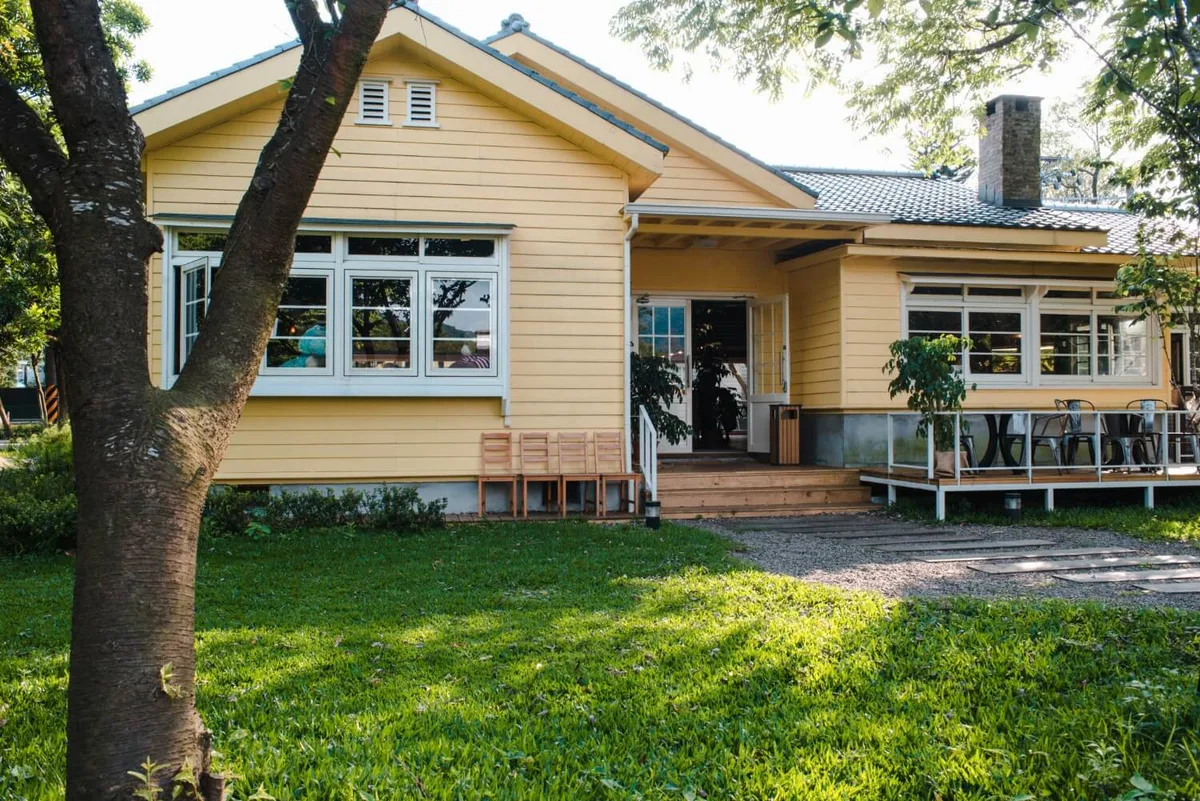
Harder is the wrong word; they simply have more history. The 1920s–1940s stock through Phoebus, Wythe and Olde Hampton sits on brick piers with decades of small repairs, added porches and settled grading. Every one of those changes is a place where soil meets wood or a gap has opened, so inspections take longer and treatments cover more junctions. The houses are worth the care — but the linear footage and the access, not the year on the deed, are what the price reflects.
Where does the money go, neighborhood by neighborhood?
Bayfront and creek-side Hampton spends on mosquitoes, exclusion and moisture control; the historic districts spend on termite inspection and pier-foundation work; the newer inland tracts mostly buy the standing quarterly barrier and seasonal yard treatments.
| Area | What drives the bills |
|---|---|
| Buckroe & Fox Hill | Bay wind, salt marsh and storm surge: mosquito season runs long and rats relocate inland after every blow. |
| Phoebus, Olde Hampton & Pasture Point | Pier foundations from the early 1900s keep termite inspection and moisture readings at the top of the list. |
| Wythe, Greater Wythe & Westhampton | Mature trees over old rooflines: carpenter ants, squirrels-then-mice traffic, and gutters that feed damp foundations. |
| Coliseum Central & Hampton Roads Center | Slab-on-grade construction favors a maintained perimeter band; ants and roaches test the slab edge, not the crawl. |
| Aberdeen, Northampton & Willow Oaks | Drainage ditches thread the blocks, so autumn brings a reliable rodent push and standing-water mosquito pockets. |
The routes also run through Downtown, Briarfield, Elizabeth Lake Estates, Victoria Boulevard, Old North Hampton, Newtown & Crown Point, Cherry Acres, Colonial Acres, West Park and Michaels Wood. The jobs those calls turn into are usually termite treatment, mosquito control, rat control or crawl space moisture work.
PCS orders, closings and the letter with a deadline
Between Langley and the rest of the region's bases, a large share of Hampton home sales run on military move dates that do not slip. The WDIR — the wood-destroying insect report at $75 to $125 — is the pest cost tied to that clock, and the single best move is ordering it the week the contract ratifies.
A clear report on a sound house is quick. The expensive version of this story is the report that finds live termites fourteen days before settlement: the cure — a $395 liquid treatment where the activity is confined, or a full trenched barrier at $595 to $1,195 — is routine work, but scheduling it, doing it and re-inspecting inside two weeks while movers are booked is pressure nobody needs. Sellers can take the whole scenario off the table by having the free annual inspection done before listing. Details on reports and turnaround are on the real estate inspection page. Our flat treatment prices assume a home that qualifies, which the inspection settles first.
Frequently asked questions
Why is your quarterly price under the local going rate?
Volume and geography. Hampton sits inside a dense service area we have driven for decades, so routes stay full and the $38 per month plan carries no windshield-time premium. The plans we see quoted around the region typically run $40 to $70 per month. Market ranges reflect what we typically see other Hampton Roads companies charge, based on quotes homeowners bring us. They are our own observations, not a published survey. What matters more than the gap is what a plan includes — ours folds in free returns between quarterly visits, which is where cheap plans usually claw the difference back.
What does mosquito control cost near the marsh, and does it even work there?
Yard treatments run $75 to $125 per visit, and yes — with the right expectations. Treatment knocks down the mosquitoes resting and breeding on your property: the vegetation line, the shaded fence, the gutters, the plant saucers. A house backing onto tidal marsh will always have flyers drifting in on the wind, but residents near Grandview and Fox Hill find the difference between a treated and untreated yard is the difference between using the porch and abandoning it from October to October.
See mosquito control in Hampton
How much does it cost to rat-proof a house after a storm season?
Somewhere in the $99 to $1,495 span, set by the number of openings rather than the number of rats. A post-storm exclusion job on a raised Hampton house typically means new vent screening, a rebuilt crawl space door, sealed pipe penetrations and repairs to skirting the surge lifted. Trapping clears the animals already inside; the sealing is what keeps the next displaced colony out, and it is the half of the job worth paying for.
Explore rodent control in Hampton
Is encapsulation sensible on ground this wet?
Wet ground is precisely where it earns its price. Encapsulation — $3,000 to $10,000 depending on size and condition — seals the earth under the house, manages drainage and holds humidity down mechanically, which matters more, not less, when the water table is high. The honest caveat: on a lot that floods outright, drainage has to be part of the design or the liner is just a bathtub. That judgment is exactly what the free crawl space evaluation is for.
Do I pay anything to find out whether my house has termites?
No. The annual termite inspection on a home you own and live in is $0, every year, with no plan required. It exists because subterranean termites in this city are a when-not-if pest, and catching a mud tube on a pier in October is a $395 problem, while finding a hollowed sill in October is a structural one. The $75 to $125 WDIR is a different product — a signed report for a real estate file, not a checkup. Not every home qualifies for the flat treatment prices; the inspection comes before anything is sold.
Want a ballpark for your specific home?
Our cost estimator walks you through the services most Hampton homes need and gives you a range before anyone visits.
Try the Cost Estimator →Past that point, real numbers need a tape measure and a flashlight: the foundation walked, the crawl space read, the openings counted, and the price built in front of you. The visit costs nothing and commits you to nothing — schedule a Hampton inspection here.