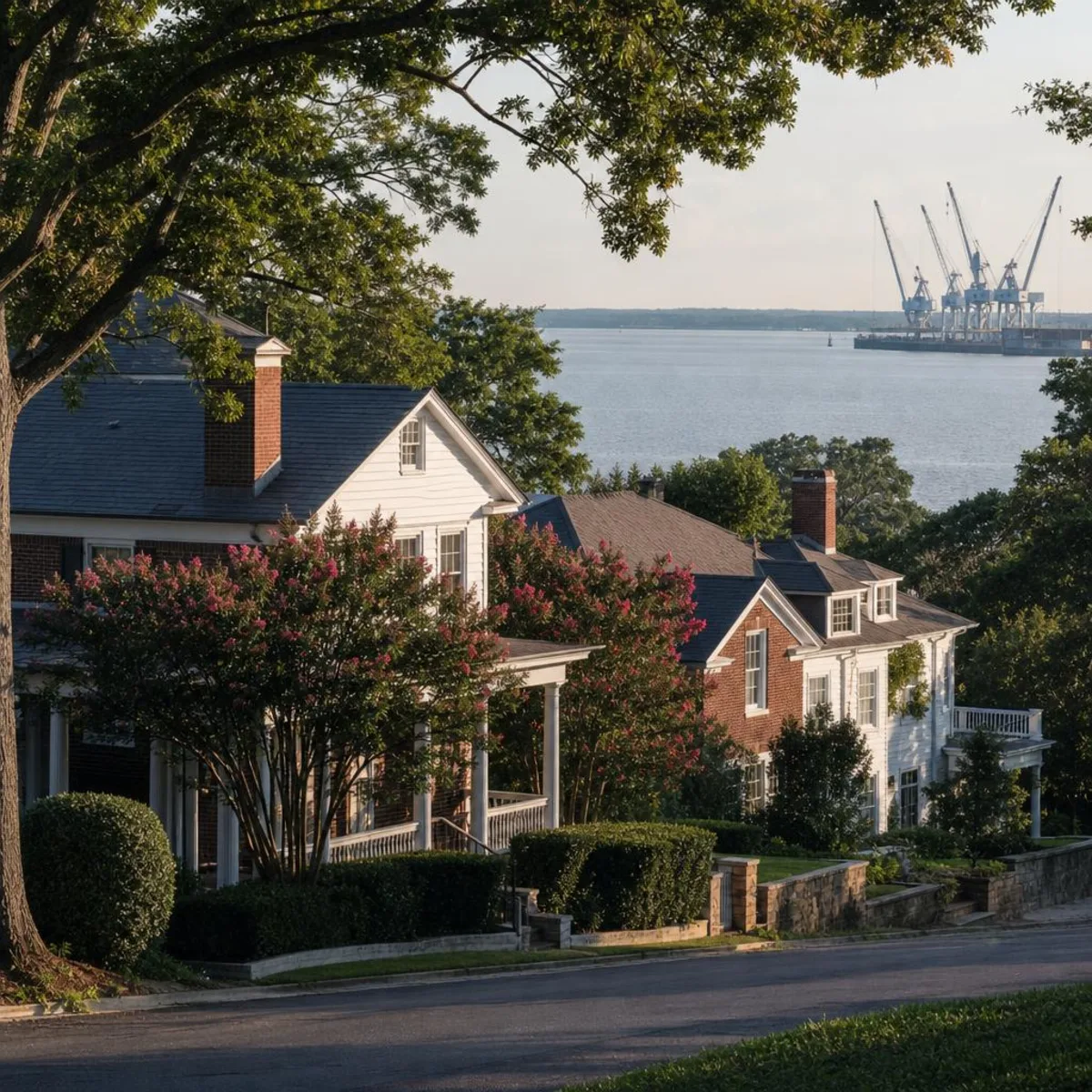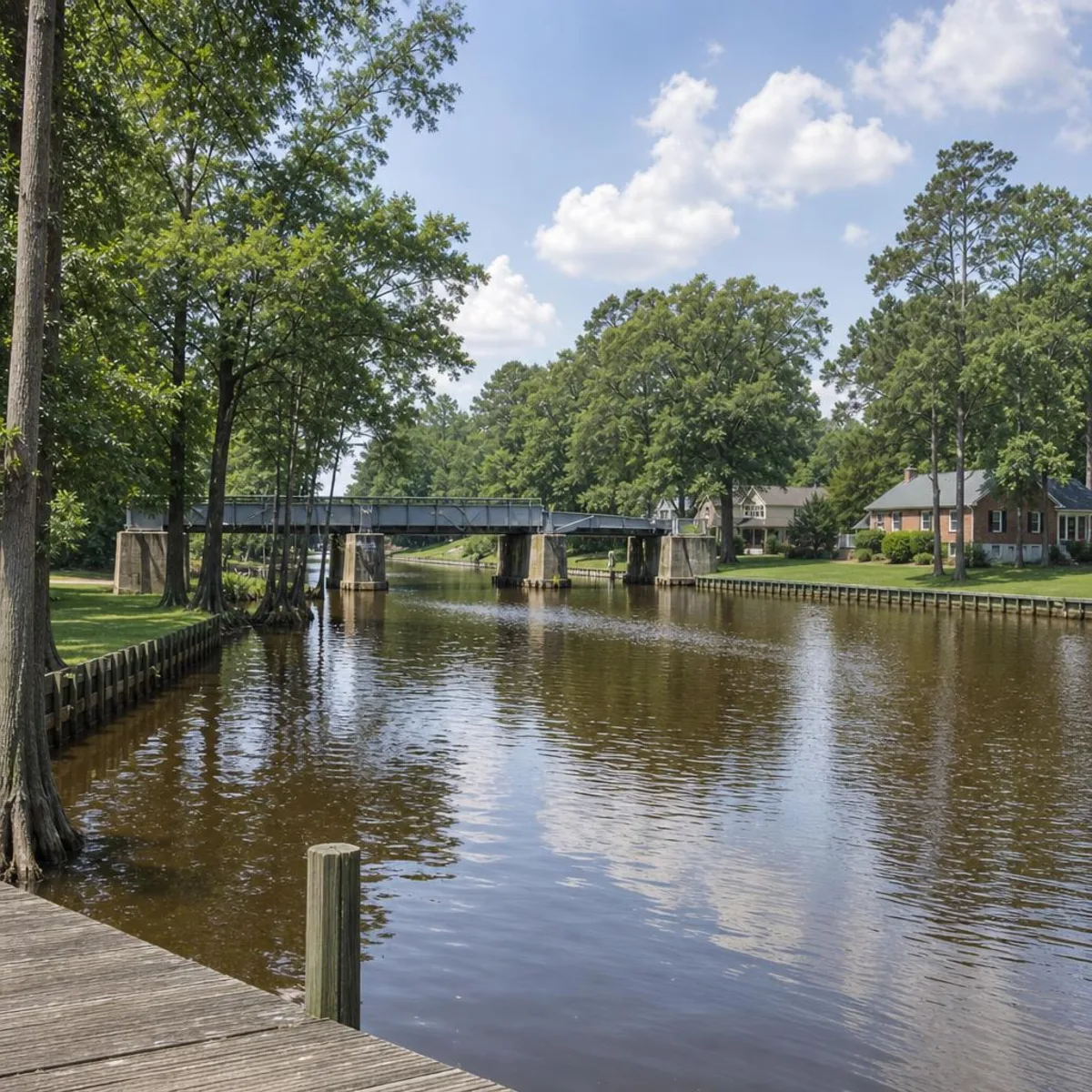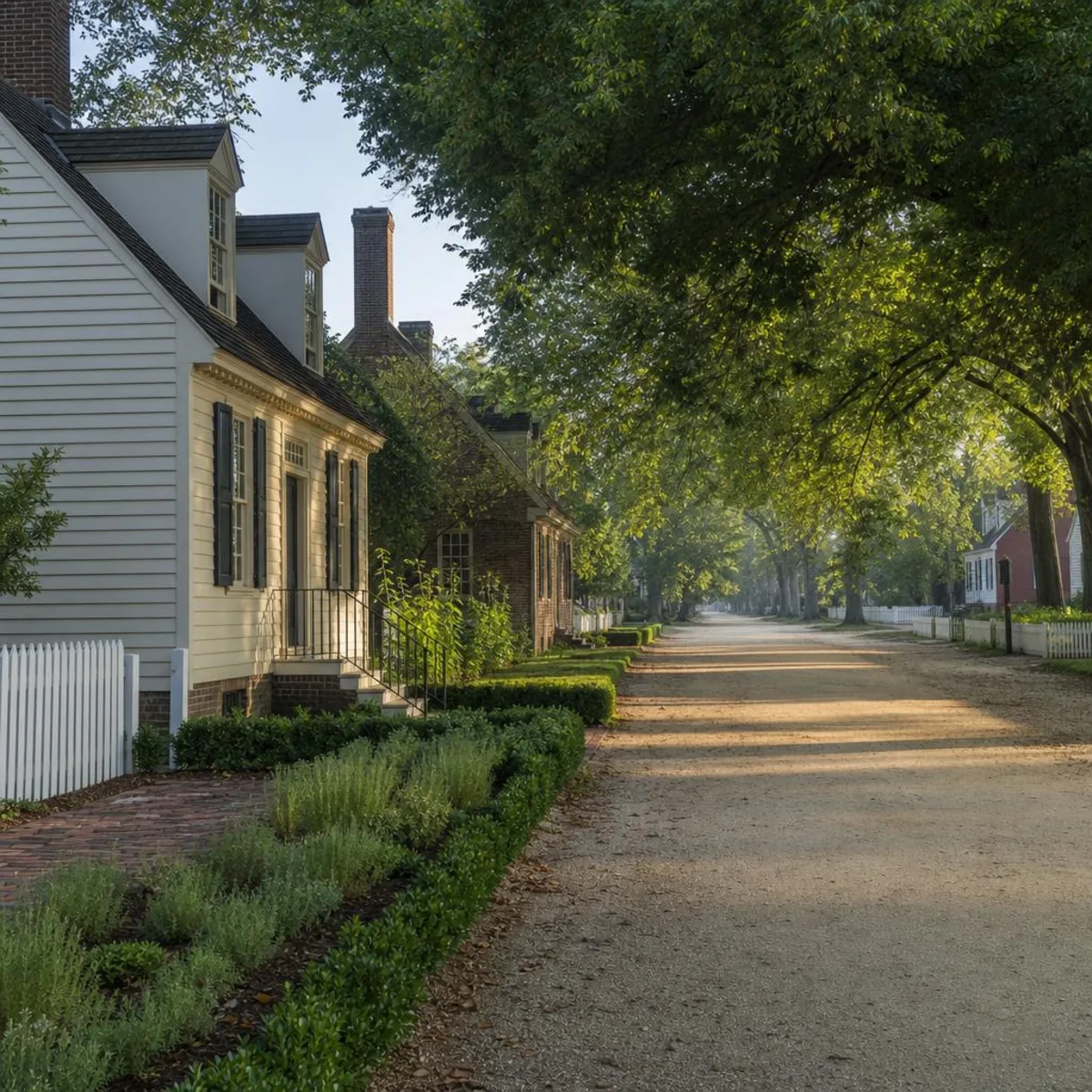
Williamsburg asks more of a pest control company than most of Hampton Roads does. A timber-framed house off Duke of Gloucester Street, a brick-pier cottage on Jamestown Road, a wooded acre in Ford's Colony and a townhouse at New Town are four different jobs with four different price tags, even before anyone opens a crawl space door. What follows is what the work actually costs here in 2026, and which features of a Williamsburg property push a quote up.
How much does pest control cost in Williamsburg in 2026?
Our recurring plans start at $38 per month for Essential quarterly pest service and $63 per month for Pro with termite protection. Duct and dryer-vent cleaning remain available, with separate quotes based on the work at each home. Project work is quoted per property: liquid termite treatment is $395 for one affected area, a full trenched barrier runs $595 to $1,195, whole-home rodent exclusion runs $99 to $1,495, a WDIR letter for a closing is $75 to $125, and crawl space encapsulation runs $3,000 to $10,000. For comparison, quarterly plans around the region are commonly quoted at $40 to $70 per month. Market ranges reflect what we typically see other Hampton Roads companies charge, based on quotes homeowners bring us. They are our own observations, not a published survey. Not every home qualifies for the flat termite treatment prices, and the inspection comes first.
Market ranges reflect what we typically see other Hampton Roads companies charge, based on quotes homeowners bring us. They are our own observations, not a published survey. Our own numbers are starting points and ranges — the figure for a particular house comes from inspecting that house.
The tier comparison sits on the home health plans page, and every service we run in the city is listed on the Williamsburg pest control page.
What drives pest control costs in Williamsburg?
Tree cover, clay soil and the age of the house. Those three explain most of the spread between one Williamsburg quote and another: hardwood canopy feeds carpenter ants, ticks and autumn rodents; clay holds rainwater against a crawl space long after the storm has passed; and a historic or much-added-to foundation takes longer to treat properly than a modern slab.
Get a free quote in Williamsburg
Why do wooded lots cost more to protect?
Deep canopy and years of leaf litter are a habitat, not just scenery. Lots in Ford's Colony and Governor's Land carry carpenter ants and wood-boring beetles in standing deadwood, ticks in the shaded understory, and squirrels and mice that use limbs as a bridge to the roofline. When nights turn cold, that population does not disappear — it moves into soffits, attics and crawl spaces. Protecting an acre of woods costs more than protecting a quarter-acre lawn because the perimeter to treat and the entry points to seal are both larger.
What does clay soil have to do with termites?
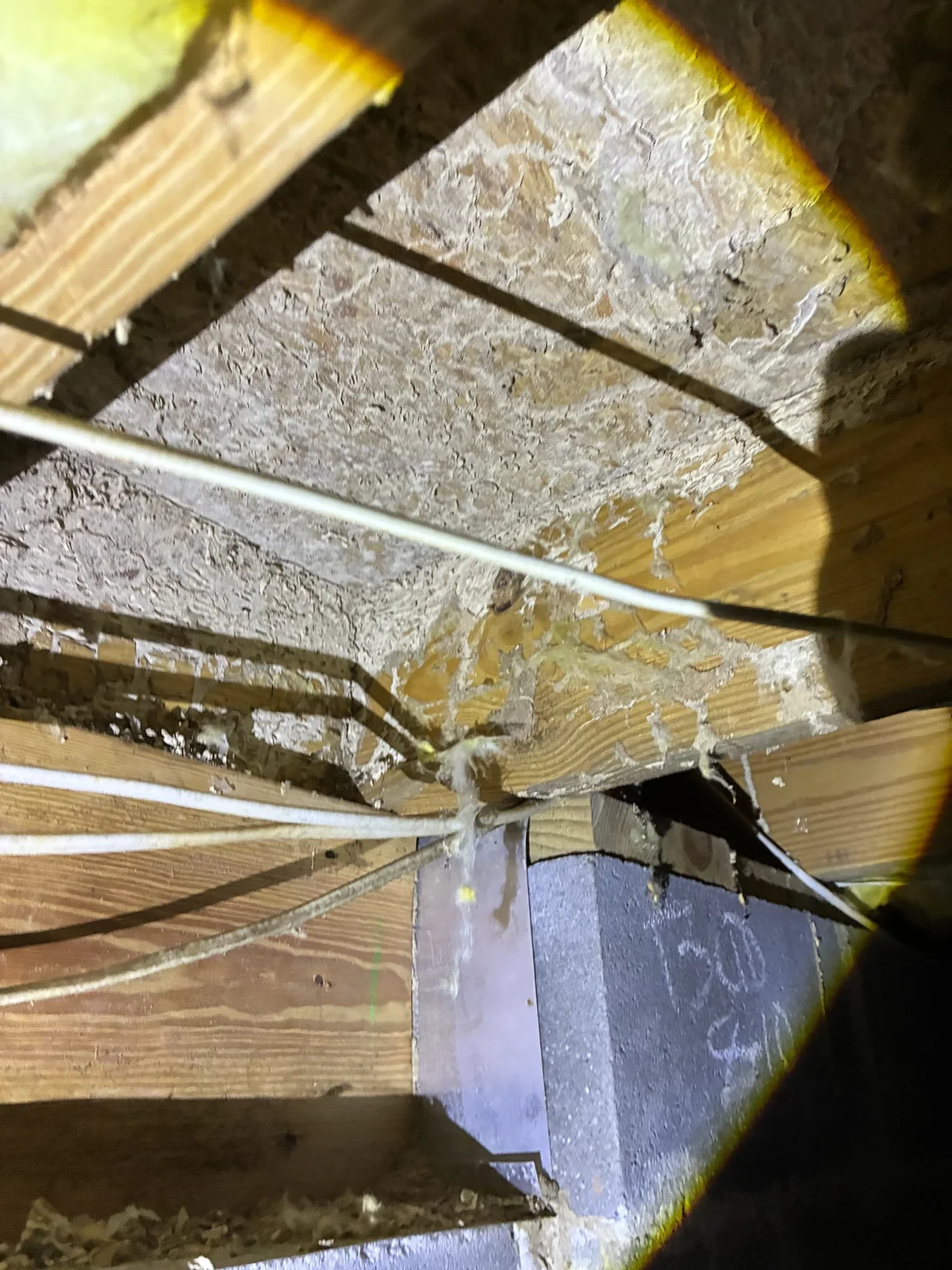
Clay drains slowly. After a heavy rain the water sits against the foundation instead of moving through, and an unconditioned crawl space above it picks up that humidity. Once the wood in a subfloor climbs past roughly 20% moisture, you have the conditions eastern subterranean termites and decay fungi both want, which is why crawl space work and termite work are so often quoted together here. A vapor barrier or dehumidifier is not an upsell in that situation; it is the part that stops the problem coming back.
Get a free quote in Williamsburg
Does an older home cost more to treat?
Frequently, yes — not because of the address but because of the construction. Brick piers, fieldstone footings, later additions on their own slabs and multiple foundation types on one building all mean a liquid barrier has to be trenched and drilled in more places, and treatment near downtown and along the Jamestown Road corridor often has to be planned around finished porches and mature plantings. That is labor and linear footage, both of which are priced by measurement rather than guessed at.
What does each part of Williamsburg tend to pay for?
Wooded western communities spend most on tick, carpenter ant and autumn rodent work; riverfront property near the James spends it on termite and moisture control; the townhouse districts spend it on shared-wall prevention; and the rural north of the county spends it on field mice and wildlife exclusion.
Get a free quote in Williamsburg
| Area | Where the money goes |
|---|---|
| Ford's Colony, Governor's Land & Powhatan Secondary | Canopy and leaf litter drive ticks, carpenter ants and wood-boring beetles, with a rodent push into attics every autumn. |
| Kingsmill & Carter's Grove | River humidity keeps crawl spaces damp, which shows up as spring termite swarms and American roaches below the subfloor. |
| New Town, Midtown Row & High Street | Shared walls let ants and roaches travel between units, so a maintained perimeter matters more than a heavy one-off treatment. |
| Downtown & the William & Mary area | Older fabric, brick piers and student rentals mean inspection-led work: wood-destroying organisms first, exclusion second. |
| Toano, Lightfoot & Norge | Field edges and outbuildings bring mice, wildlife and crawling insects in from open ground through spring and summer. |
We also cover Quarterpath, Skipwith Farms, Holly Hills, The Meadows, Brandywyne and Williamsburg Village. Whichever the address, the work itself is usually termite control, rodent control, tick and mosquito treatment, or crawl space moisture control.
How do you get more for your money here?
Price the pest and termite work as one annual total rather than two separate agreements, ask for a crawl space inspection rather than a perimeter spray, and check the credentials and the guarantee before you sign. Comparing whole-year totals is what tells you which quote is actually cheaper — the monthly figure on its own does not.
Get a free quote in Williamsburg
- Is termite coverage included or extra? Ask for the twelve-month total either way, then compare it against a single membership that carries both.
- Will you go into the crawl space every year? Ask for moisture readings and a note on the joists, not just a visit confirmation.
- What happens if pests come back in week six? A plan should send someone out again between quarters at no charge.
- Can I see your licensing? Pest control businesses in Virginia are regulated through VDACS and DPOR — ask, and verify.
Frequently asked questions
Do I need a WDIR for a VA or FHA loan in Williamsburg?
VA loans require one as a matter of course. On FHA and conventional loans it depends on the lender and on what the purchase contract says, so confirm early which applies to your deal rather than assuming. The WDIR is the written wood-destroying insect report a licensed inspector completes on the property, and it runs $75 to $125 here depending on size and access. It is a different thing from the free annual termite inspection a homeowner books for their own peace of mind — the letter exists to satisfy the loan file, so it has to be current at closing.
Book a real estate termite inspection
Sentricon or a liquid barrier — which is better value on a Williamsburg house?
It depends on what is around the foundation. A liquid treatment is $395 where activity is confined to one area; a full trenched barrier around the entire foundation runs $595 to $1,195, and it suits a straightforward perimeter you can trench. Sentricon baiting costs $8 to $12 per linear foot to install and $39 per month to monitor, and it earns its keep on properties where trenching is awkward — mature plantings, brick walkways, historic fabric, or a foundation broken up by additions. On a wooded lot with constant termite pressure, the monitored stations also tell you what is happening between inspections. Not every home qualifies for the flat treatment prices; the inspection comes before anything is sold.
How the Sentricon system works
What does it cost to keep mice out of an attic in a wooded neighborhood?
Whole-home exclusion runs $99 to $1,495, and where a particular house lands depends on how many openings there are and how hard they are to reach. A single soffit return with a gap behind it is a short job; a rambling roofline with several junctions, a chimney chase and an old crawl door is not. The trapping is the quick part — the sealing is what stops next October's arrivals, which is why exclusion is priced by entry point rather than by the number of mice caught.
Explore rodent control in Williamsburg
Is crawl space encapsulation worth it on a house here?
On clay ground with a chronically damp crawl, usually yes. Encapsulation runs $3,000 to $10,000 and it seals the earth, controls the humidity and takes away the conditions termites, powderpost beetles and decay fungi depend on. On a crawl that is already dry it is money spent for nothing. That is the whole argument for having someone take moisture readings under the floor before quoting a number: the reading, not the age of the house, decides whether the work is justified.
Book a crawl space inspection in Williamsburg
Do rentals near William & Mary need something different?
They need a plan that survives turnover. Occupancy changes every year or two, kitchens are shared, and problems get reported late, so recurring quarterly service at $38 per month with free return visits does more good than a large treatment once a tenant complains. Landlords with several properties generally find that the scheduled visit catches the ant trail or the mouse entry before it becomes an emergency call with a deadline attached.
Get a free quote in Williamsburg
Want a ballpark for your specific home?
Our cost estimator walks you through the services most Williamsburg homes need and gives you a range before anyone visits.
Try the Cost Estimator →If you want a real figure for your own property rather than a range, the useful next step is having someone measure the foundation, read the crawl space and count the openings, then price the work in front of you. That visit is free and there is no obligation attached — book the Williamsburg inspection here.