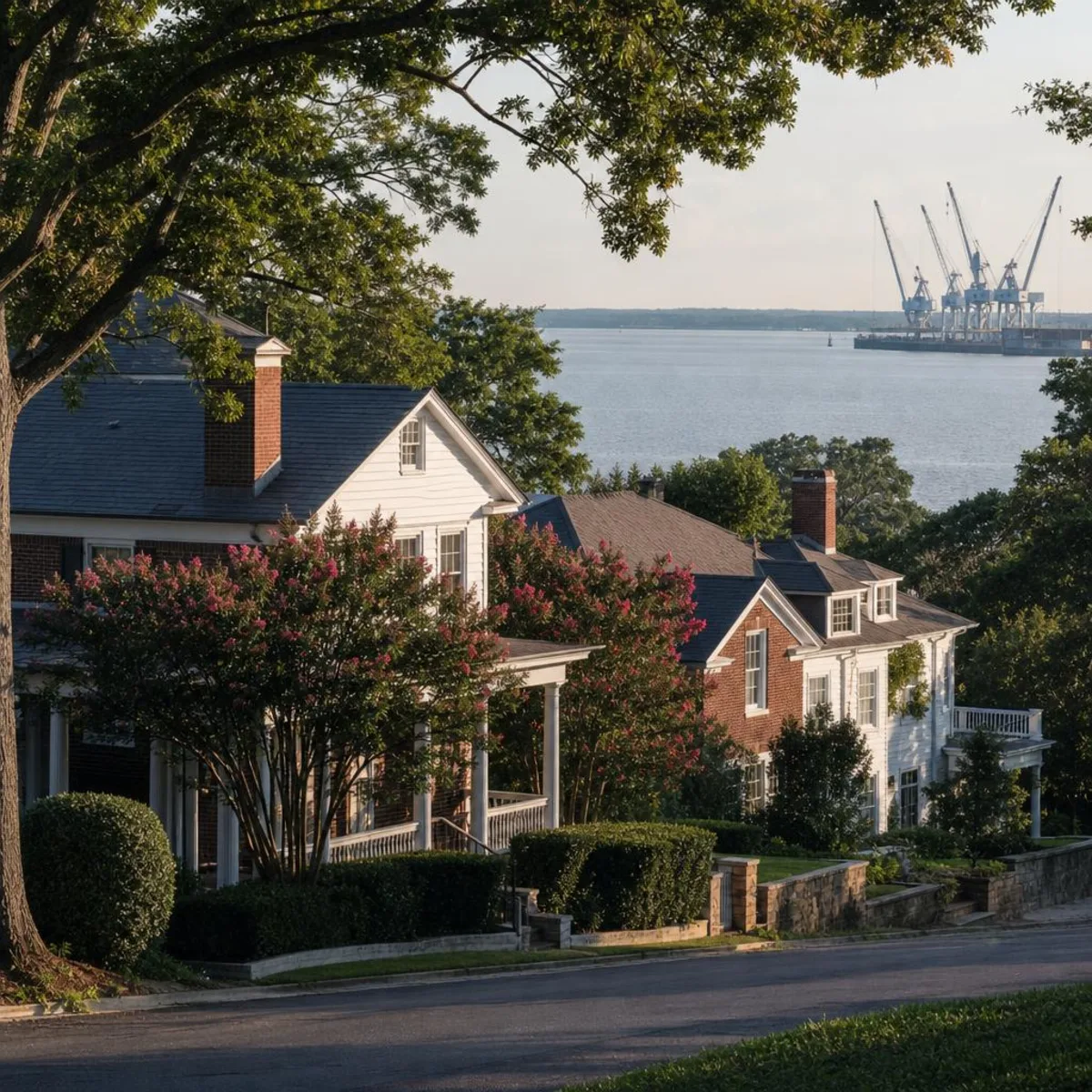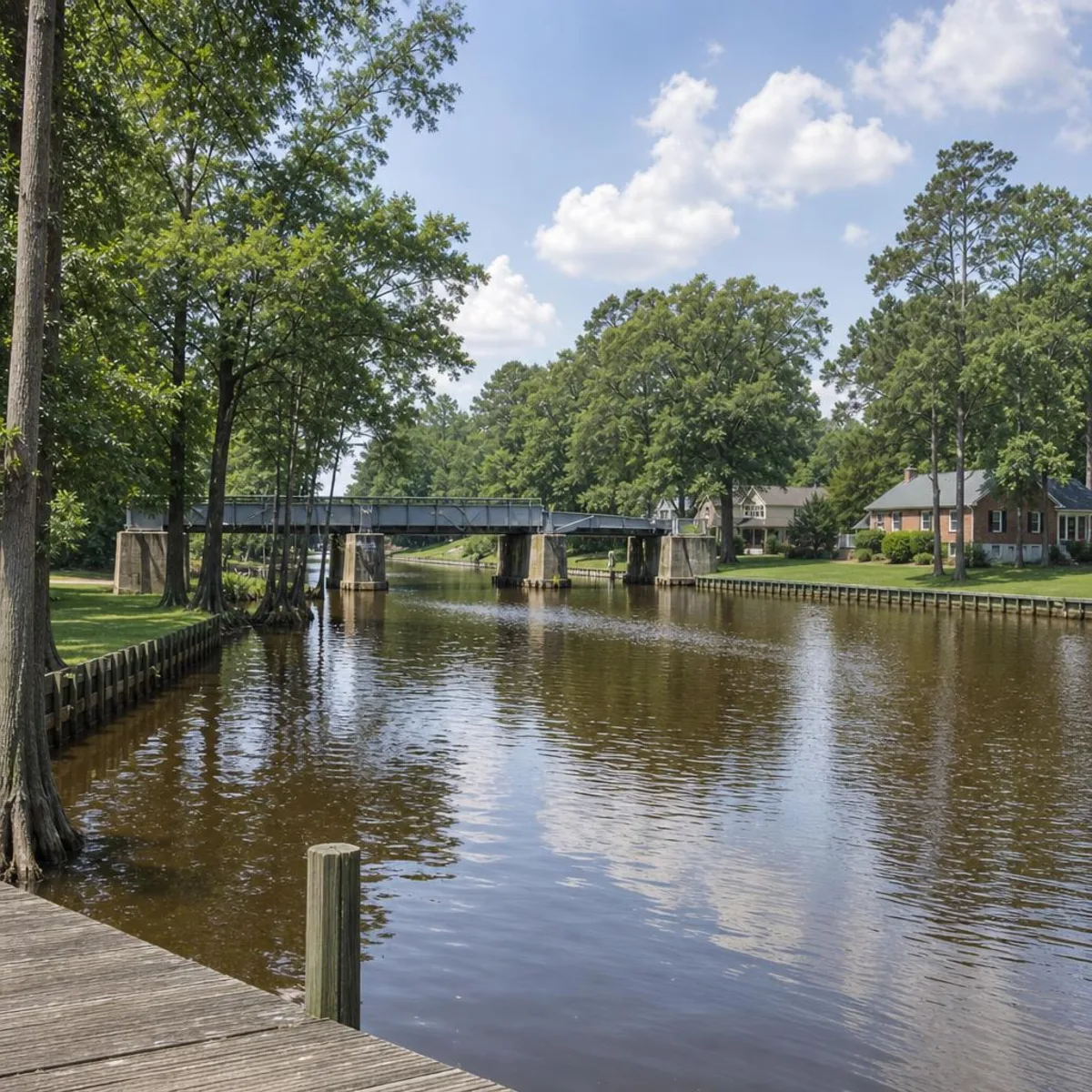
Chesapeake sits between the Elizabeth River and the Great Dismal Swamp, and that geography sets the pest calendar here: a high water table under the crawl spaces, humid summers that run long, and low ground that keeps subterranean termites, marsh rats and mosquitoes in business year after year. Pest control in this city is closer to gutter cleaning than to a luxury — it is maintenance. Below is what it actually costs in 2026, what makes one Chesapeake house cost more than the one next door, and where a quote should make you ask questions.
How much does pest control cost in Chesapeake in 2026?
Recurring pest control with us starts at $38 per month for quarterly service, while Pro adds full termite protection for $63 per month. Duct and dryer-vent cleaning are still available, but each receives its own service quote. Larger one-time work is priced per property: whole-home rodent exclusion runs $99 to $1,495, a liquid termite treatment is $395 where the activity is confined to one area, a full trenched barrier runs $595 to $1,195, and crawl space encapsulation runs $3,000 to $10,000. Across Hampton Roads generally, quarterly plans tend to be quoted at $40 to $70 per month. Market ranges reflect what we typically see other Hampton Roads companies charge, based on quotes homeowners bring us. They are our own observations, not a published survey. The flat termite treatment prices assume a home that qualifies, which the inspection settles first.
Market ranges reflect what we typically see other Hampton Roads companies charge, based on quotes homeowners bring us. They are our own observations, not a published survey. Our own figures are starting points and ranges; the number for your house comes from walking that house.
Two habits are worth carrying into any quote you collect in this city. A recurring plan should include free return visits between scheduled services — if pests come back in week six, someone comes back out at no charge. And anything priced by measurement, such as a termite barrier or rodent exclusion, should be quoted after someone has actually measured, not over the phone. Our full plan comparison sits on the home health plans page, and the citywide service list is on the Chesapeake pest control page.
What drives pest control costs in Chesapeake?
Three local factors move a Chesapeake quote more than anything else: how wet the crawl space is, how close the property sits to marsh or ditch lines, and how big the structure is. None of them are guesses a technician can make from the driveway, which is why a real number follows an inspection rather than a phone call.
Get a free quote in Chesapeake
How does the high water table change the price?
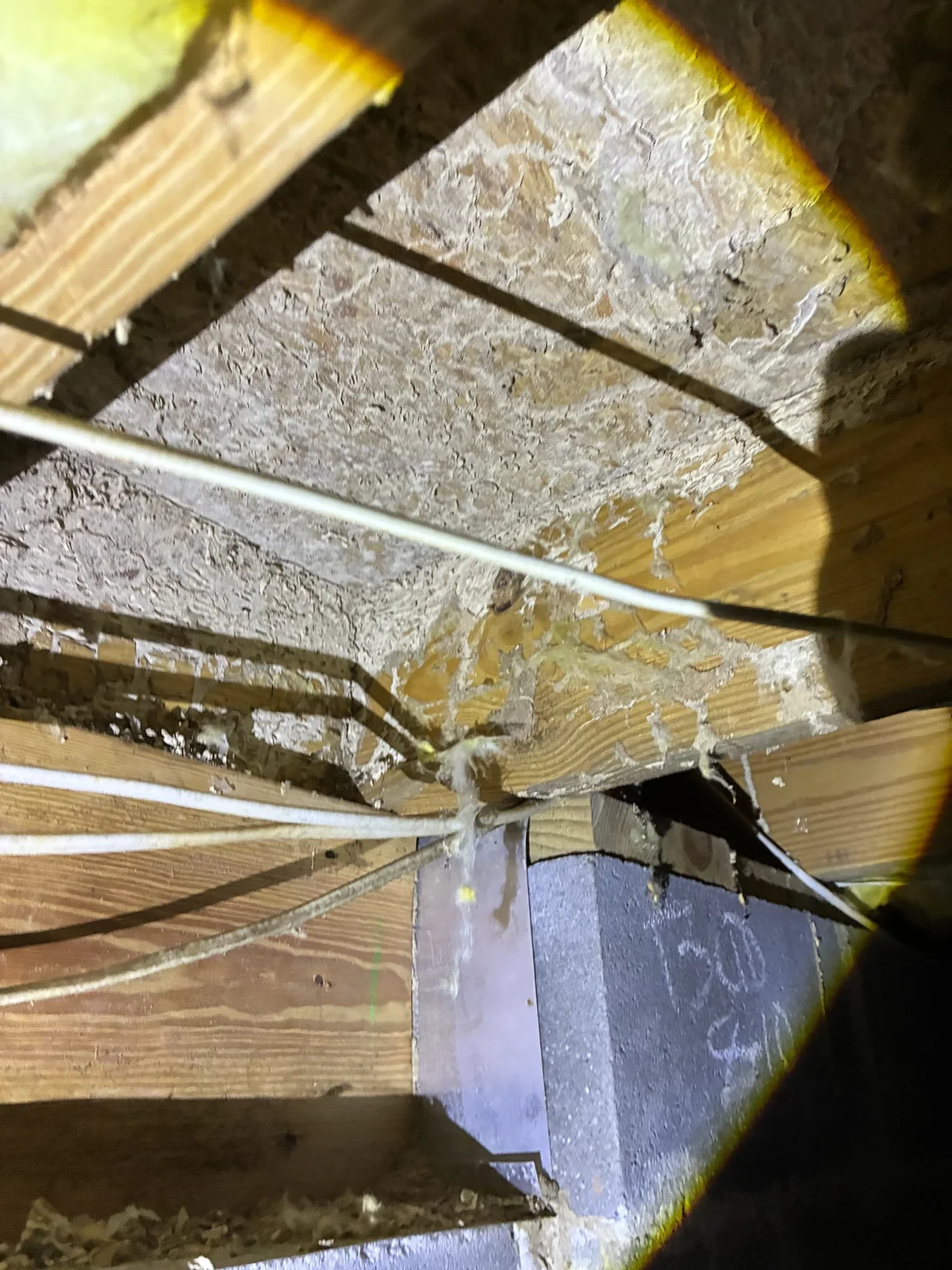
Much of Deep Creek, Grassfield and Hickory is built over crawl spaces on damp, low-lying ground. Standing humidity under a floor rots framing and creates ideal conditions for eastern subterranean termites, carpenter ants, powderpost beetles and silverfish, so a house with a wet crawl needs moisture work alongside pest work. That is the single most common reason a Chesapeake quote lands above the entry price — and the reason skipping it is expensive, because framing repairs cost multiples of a vapor barrier.
Does living near the water cost more?
It costs more in pressure, which turns into scope. Homes backing onto the Southern Branch of the Elizabeth River, the Intracoastal Waterway or the marshy edges near Indian River carry heavier mosquito and tick loads from October through October, and when temperatures drop in October and October, Norway rats and roof rats move off wet ditch lines straight into crawl spaces and attics. A property on the water is not charged a waterfront rate; it simply tends to need yard treatment and exclusion work that an inland lot does not.
Get a free quote in Chesapeake
Why does house size and foundation type matter so much?
Treating a 1,500 square foot slab home in Western Branch takes less time and less material than servicing a 3,500 square foot house on a pier-and-beam foundation in Hickory. Termite work is priced by the foundation it has to cover and rodent exclusion is priced per entry point sealed, so structural layout, not zip code, is what sets those numbers. Detached garages, sheds, long fence lines and pool houses extend the treated perimeter too.
Get a free quote in Chesapeake
Which pests cost Chesapeake homeowners the most, by neighborhood?
The city splits into rough zones by what the ground does. Deep Creek and Grassfield pay most often for crawl space moisture and termite protection, Greenbrier and Indian River for roaches and fall invaders, Great Bridge and Hickory for tick, mosquito and rodent pressure on wooded lots, and South Norfolk and Western Branch for wood-destroying organisms in older structures.
| Area | What the ground and housing stock produce |
|---|---|
| Deep Creek & Grassfield | High groundwater keeps crawl spaces damp, so termite protection and moisture control lead the spend. |
| Greenbrier & Indian River | Established suburban blocks see German and American roaches, ant colonies, and stink bugs pushing in each fall. |
| Great Bridge & Hickory | Larger wooded lots carry heavy seasonal tick and mosquito pressure alongside rodent activity from the tree line. |
| South Norfolk & Western Branch | Older construction needs regular inspection for wood-destroying organisms and careful sealing against rodents. |
Those are the patterns, not rules — a dry, well-sealed house in Deep Creek costs less to protect than a wet one in Greenbrier. We also cover Rivercrest, Camelot, Westover and Deep Creek North, and the work that follows is usually one of termite treatment, rodent control, mosquito control or a crawl space inspection.
How do you pay less for pest control in Chesapeake?
Bundle the pest and termite coverage instead of buying two contracts, insist that whoever quotes you goes into the crawl space, and check that the plan includes free re-treatment between visits. Those three things separate a plan that costs $63 a month from two separate agreements that cost more and still leave the moisture problem untouched.
Get a free quote in Chesapeake
- Bundle pest and termite. Separate contracts usually total more than one membership covering both.
- Make them open the crawl space. A technician who only sprays baseboards has not seen the moisture, the ductwork or the wood damage.
- Check the license. Virginia pest control businesses are regulated through DPOR and VDACS; ask for the number and confirm it.
- Confirm free re-services. A recurring plan should send someone back between quarters at no extra cost if pests return.
Frequently asked questions
Is a quarterly plan cheaper than calling when I see something?
It depends how often you would otherwise call. A one-time treatment runs $87 to $287 and handles what is in the house that day, so a genuine one-off — a wasp nest under a soffit — is cheaper paid for once. Quarterly service at $38 per month keeps a barrier in place year-round and includes return visits between quarters, so a house calling several times a season for ants, roaches or spiders generally spends less on the plan than on repeat callouts, and the barrier stops the cycle restarting rather than clearing it again each time.
Why does a full termite barrier cost more than a liquid treatment?
Because it covers the whole structure rather than the part with the problem. A liquid treatment addresses where the activity was found — $395 for one affected area. A full trenched barrier is dug and injected around the entire foundation, including the slabs and porches that have to be drilled through, and runs $595 to $1,195. Not every home qualifies for the treatment prices, and an inspection settles which route the house needs before anything is sold or started. Chesapeake's swarm pressure makes the decision common here, and the alternative — monitored Sentricon baiting at $39 per month — spreads the same protection across the year instead.
See our termite protection in Chesapeake
Do I have to pay for a termite inspection?
Not for the yearly check on your own home — that visit is $0. The priced service is the WDIR, the written wood-destroying insect report that lenders and purchase contracts commonly require before a Virginia closing, which runs $75 to $125 depending on the property. Buyers and sellers in Great Bridge and Western Branch order that one on a deadline; homeowners just wanting to know whether they have termites do not need it.
Get a free quote in Chesapeake
Is crawl space encapsulation worth it in Chesapeake?
On a house with chronic crawl moisture, it usually pays for itself in avoided repairs. Encapsulation runs $3,000 to $10,000 and seals the ground, controls humidity and removes the conditions that feed termites, powderpost beetles and wood rot. On a dry crawl it is unnecessary, which is exactly why the inspection comes first — the reading under your floor decides whether a vapor barrier and a dehumidifier are worth the money or a waste of it.
Book a crawl space inspection in Chesapeake
Can I just handle it myself with store-bought products?
For a minor, isolated problem, sometimes. A homeowner typically spends around $150 a season on sprays and traps — our own observation of what customers report, not a published survey — which is real money next to a $38 monthly plan, and it is wasted entirely if the target is German cockroaches, subterranean termites or an established rodent colony. Those three do not respond to surface products, and the delay while you find that out is what turns a treatment into a repair.
Get a free quote in Chesapeake
Want a ballpark for your specific home?
Our cost estimator walks you through the services most Chesapeake homes need and gives you a range before anyone visits.
Try the Cost Estimator →If you want a real number for your own house rather than a range, the honest way to get one is to have somebody read the crawl space, measure the foundation and count the entry points, then price the work in front of you. That inspection is free and carries no obligation — book the Chesapeake walk-through here, and you will know what protecting the house costs before anyone asks you to decide.