Living in Norfolk means dealing with moisture most of the year. Between coastal humidity, summer storms, and damp crawlspaces, termites have plenty of chances to move in. One early sign of trouble is a small hole in wood called a termite kickout hole.
Kickout holes are small openings made by drywood termites. They push waste out of the wood through these holes. These tiny openings are easy to overlook along brick walls, drywall, or wood trim. Spotting them early can help prevent a termite infestation from causing costly or structural damage.
In a coastal city like Norfolk, you should never brush off small signs inside your home. Termites often stay hidden behind drywall or brick veneer long before visible damage appears. Knowing what kickout holes mean gives you a clearer picture of what may be happening inside your walls and helps you decide when it may be time to consider professional termite control to protect your home.
Key Takeaways
- Kick-out holes are small termite exit holes made by drywood termites.
- They push out frass, feces, and sawdust-like pellets.
- These holes often appear near brick walls, drywall, entry points, and windowsills.
- A professional inspection is the safest way to confirm active infestation.
Termite Kickout Holes: Quick ID Checklist
Not every small hole in wood means termites. Norfolk homeowners often confuse termite damage with damage caused by other wood-destroying insects. This checklist can help you understand and prevent termites at home.
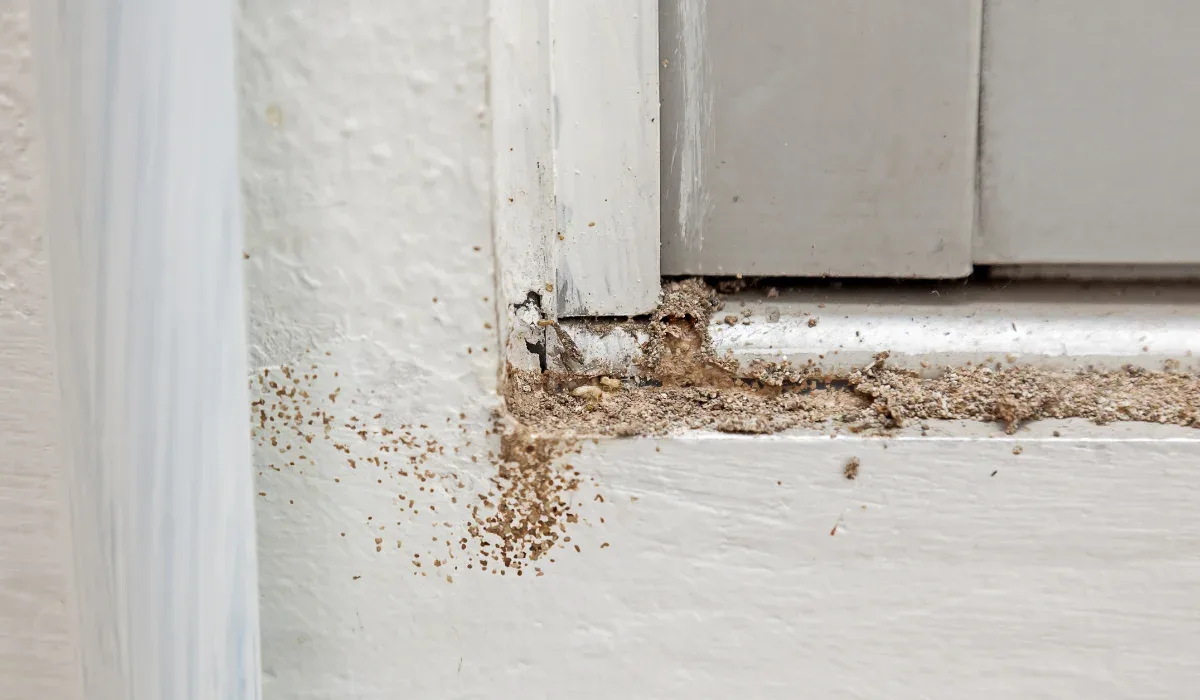
Small Piles of Frass or Sawdust
Drywood termites push out frass through kickout holes. Frass looks like tiny wood pellets. However, homeowners mistake frass for sawdust. Knowing the difference between frass and sawdust can help you determine whether you’re dealing with termites or other pests.
Unlike carpenter ants, drywood termites leave uniform pellets. These termite droppings may collect along baseboards, on a windowsill, or near brick veneer. If you clean the area and the frass returns, that may signal an active infestation.
Frass is different from the rough debris left behind by other destructive pests.
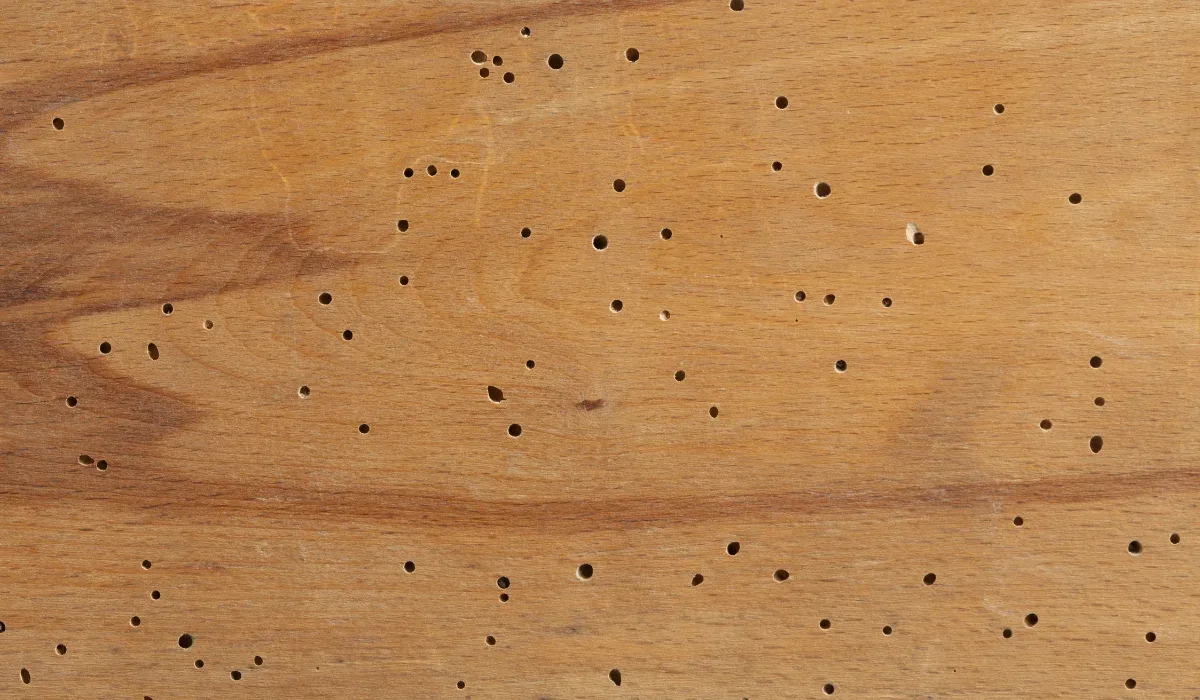
Tiny Pin-Sized Holes in Wood or Drywall
Kick-out holes are small and clean. They are usually about the size of a pen tip. You might see them in wood framing, wooden structures, wooden framing, or drywall.
In many Norfolk brick homes, termites live in the wood framing behind brick walls. They stay hidden while pushing waste out through these round holes.
No Mud Tubes Nearby
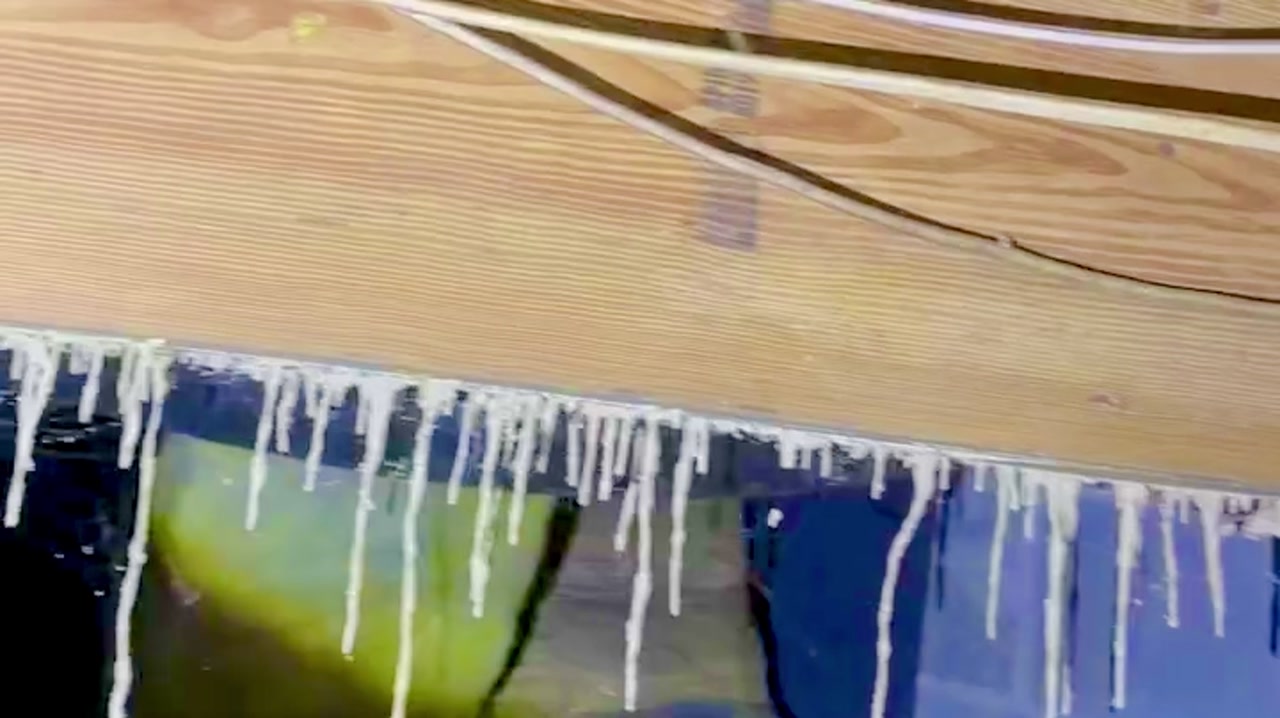
Subterranean termites build mud tubes along foundation walls, expansion joints, and inside crawlspaces. According to Texas A&M, subterranean termites build mud tubes to protect themselves and help them travel from the soil to their food source.
Drywood termites do not build mud tubes. If you see frass and small termite exit holes but no mud tubes, you may be dealing with drywood termites instead of subterranean termites.
Both are types of termites found in Virginia, but they behave differently.
Swarmers or Discarded Wings
When drywood termites swarm, they send out termite swarmers to create new colonies. According to Texas A&M, swarmers are attracted to light and often gather near windows.
If drywood termites swarm inside your home, you may find wings near entry points or along brick walls. Swarming is one of the strongest signs of termites and often indicates growing colonies inside.
Common Places to Find Kickout Holes
Certain parts of Norfolk homes are more likely to show signs of termite damage, especially in older brick houses.
Brick Walls and Brick Veneer
Many homeowners believe a brick house cannot have termites. That is not true. Termites attack the wood framing behind brick walls.
Moisture from mulch, landscaping, and clogged gutters increases the risk. Brick veneer can trap moisture, creating ideal conditions for termite activity.
Kickout holes may appear where brick veneer meets trim or along interior brick walls.
Drywall and Interior Walls
Drywall often hides a drywood termite infestation for months or even years. We frequently find termite exit holes near baseboards or along interior walls.
Frass may collect along the floor. What looks like minor damage can turn into significant damage over time.
Windowsills and Door Frames
Windows and doors are common entry points. When termites swarm inside, they often settle in nearby wood framing.
If you notice termite droppings on a windowsill, do not ignore them. That may indicate new colonies forming inside your walls.
Crawlspaces, Subfloors, and Concrete Slab Areas
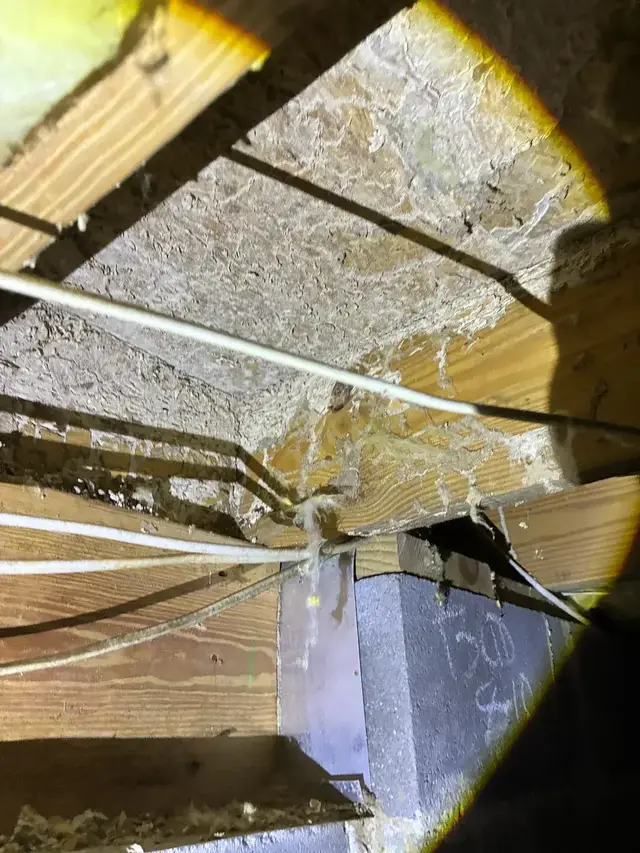
Subterranean termites are common in Norfolk crawlspaces and around concrete slab foundations. These areas often contain moisture and cellulose, which termites use as a food source.
Check joists, subfloors, foundation walls, and concrete block areas for mud tubes or termite activity.
Kickout Holes vs Other Small Holes
Other wood-destroying insects can create holes that resemble termite damage.
Carpenter Bees
Carpenter bees drill large, round holes in exposed wood. These holes are much larger than termite exit holes.
You will not see frass pellets beneath carpenter bee holes.
Carpenter Ants
Carpenter ants leave coarse sawdust mixed with insect parts. Their debris looks rough, not pellet-shaped like termite feces.
They also do not create the same type of kick-out holes as drywood termites.
Bark Beetles and Other Beetles
Bark beetles and powder-post beetles can leave small, round holes in wood. These beetles behave differently from the common termite found in Norfolk.
A home inspection or professional inspection can help confirm which pest is present.
What Kickout Holes May Indicate
Kickout holes are not just cosmetic issues. They often signal larger termite problems.
Active Drywood Termite Infestation
If frass continues to appear, you likely have an active infestation. Drywood termite activity can continue inside walls without obvious surface damage.
Spot treatments may work in small areas. Larger problems may require a full termite treatment plan. In severe cases, our team may recommend fumigation, though this approach is far less common in Virginia than in states like California.
Growing Termite Colonies
When drywood termites swarm, they create new colonies inside the same structure. One kickout hole can mean multiple termite colonies inside your home.
You may not see the nymphs or workers, but they continue feeding on cellulose in your wood framing.
Risk of Costly Structural Damage
Termites feed on cellulose found in wood framing, joists, and subfloors. Over time, this can lead to structural damage and costly damage.
Ignoring signs of termites can result in significant damage that requires structural repairs.
DIY solutions rarely solve hidden termite problems. Effective pest management requires identifying the types of termites present and creating the right treatment plan.
Book a Termite Inspection in Norfolk
If you have seen kick-out holes, frass, swarmers, or other signs of termites, schedule a termite inspection right away. Early action can prevent major termite damage.
At Universal Pest & Termite, we have provided termite control and pest control services in Norfolk and throughout Hampton Roads for over 24 years. We understand how local conditions affect termite problems in brick homes, crawlspaces, and concrete slab foundations.
We offer a free inspection and create a customized treatment plan based on your home’s structure and the types of termites present. Our termite exterminators can handle drywood termite infestation, subterranean termites, and other destructive pests.
Our goal is simple. Keep Norfolk homeowners pest-free and protect their wooden structures from future termite problems. Contact us today to schedule your professional termite inspection and protect your home from serious termite damage.