If you see a small pile of wood-colored debris on your floor, you October not know what it is. Is it sawdust from a project, or is it termite frass? For Suffolk homeowners, knowing the difference helps you spot a termite infestation early.
Frass and sawdust can look similar at first. But they come from different pests and point to different problems in your home. Drywood termites leave behind termite droppings as they push waste out of infested wood. Carpenter ants and powder post beetles also leave debris, but the texture and shape are different.
In Suffolk and across Hampton Roads, our warm, humid climate can support termite activity year-round, including during milder seasons. Knowing the signs of termite problems helps protect your home from serious damage. If you notice suspicious debris or other warning signs, professional termite control in Virginia can help stop the problem before it spreads.
Key Takeaways
- Termite frass consists of hard, uniform termite pellets.
- Sawdust from carpenter ants or powder post beetles is soft and uneven.
- Drywood termites push termite droppings out of kick-out holes, forming small piles.
- A termite inspection is the best way to confirm a termite infestation and choose the right treatment options.
Termite Frass vs Sawdust: What You’re Looking At
When comparing termite frass vs sawdust, small details can reveal the cause. The shape, feel, and location of the debris can tell you a lot.
Pellet Shape and Texture
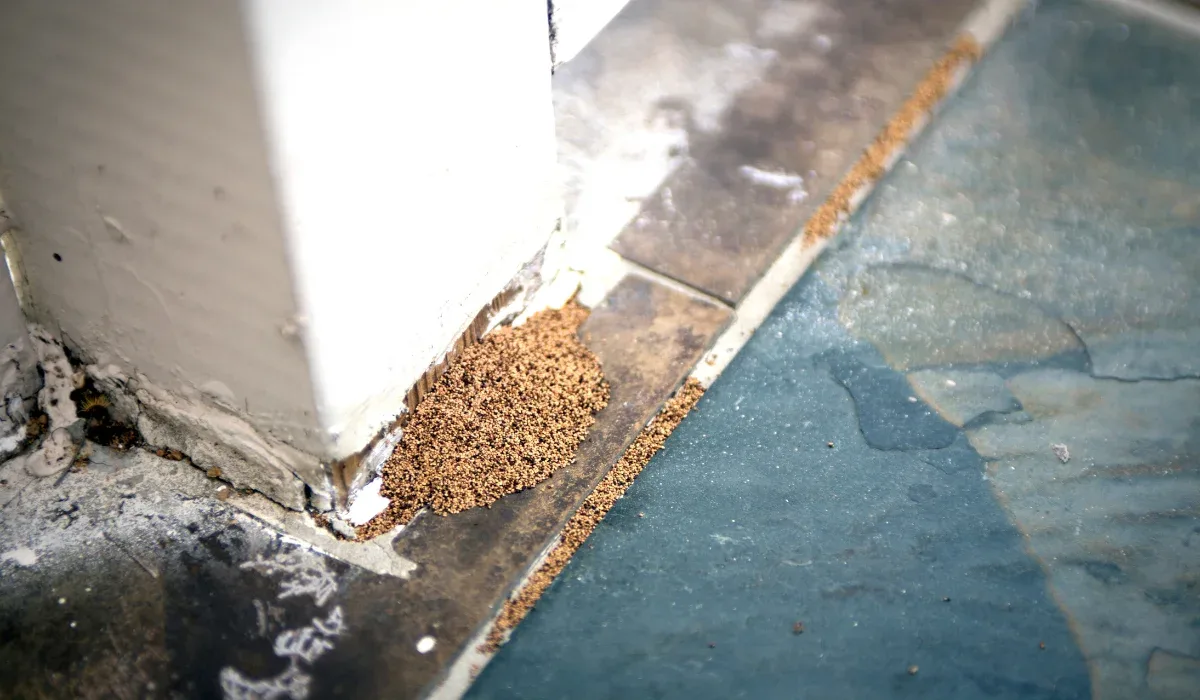
Drywood termites produce termite frass in the form of small, hard, oval-shaped termite pellets. These pellets feel gritty, like sand, and are usually uniform in size.
Sawdust is soft and powdery. Carpenter ants leave behind shavings that October include insect parts. The pieces look rough and uneven, not smooth like termite pellets.
Color and Wood Type
The color of termite frass depends on the type of wood the termites are eating. Termite pellets can be light tan, dark brown, or reddish. The color often matches the infested wood.
Sawdust usually matches the natural color of the damaged wood. Powder post beetles leave very fine powder, while carpenter ants leave coarser shavings.
Small Piles Under Kick-Out Holes
Drywood termites create tiny openings called kick-out holes. They push their excrement out through these holes, forming small piles below.
You October see these piles under window sills, near baseboards, or by door frames. These are common signs of a drywood termite infestation. In Suffolk, subterranean termites typically build mud tubes instead of leaving visible termite pellets.
Where the Debris Appears
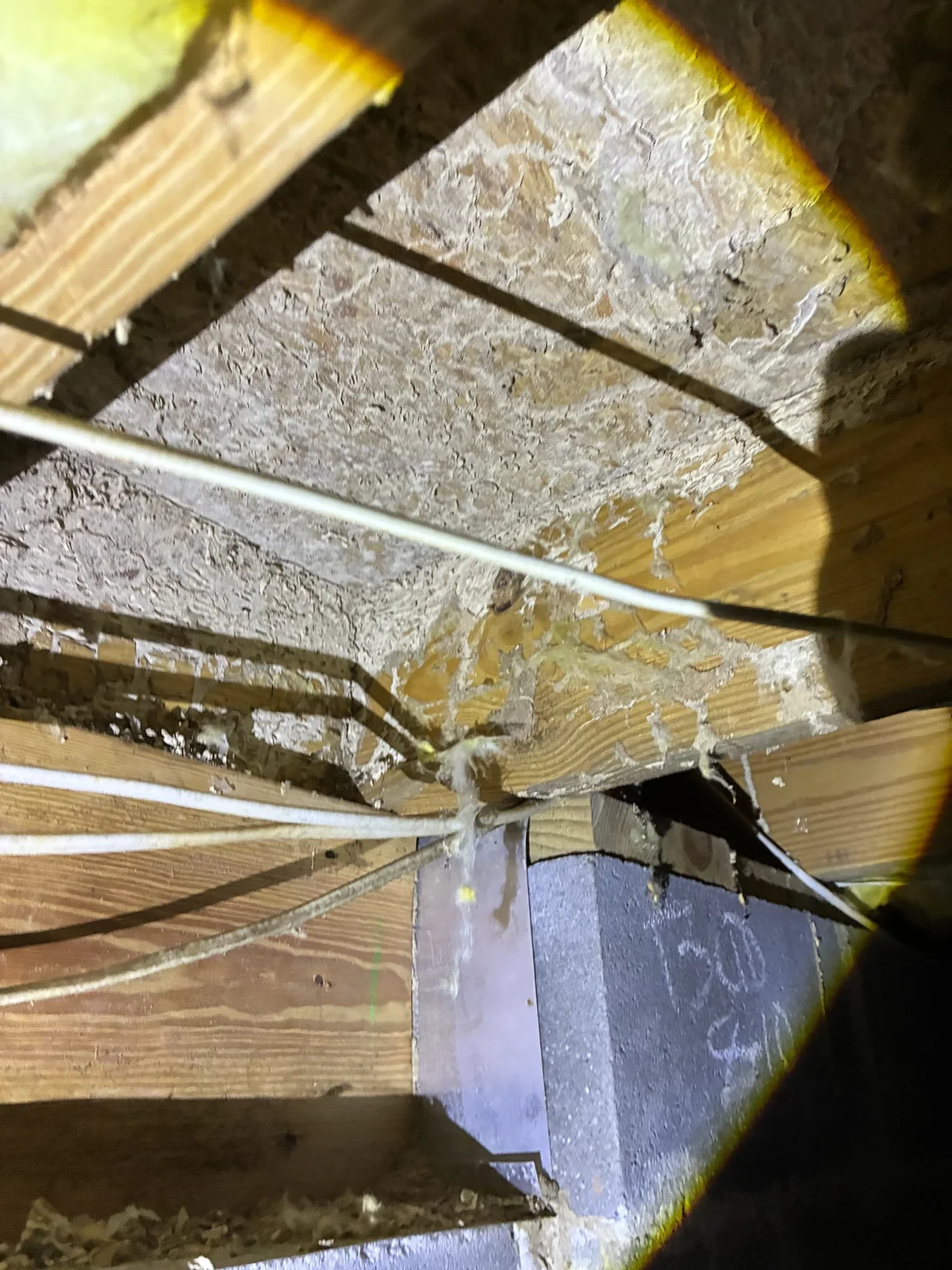
Termite droppings often appear directly below infested wood in walls, ceilings, or furniture. If you clean up the pile and it comes back, that October indicate ongoing termite activity and possibly active termite colonies.
Sawdust from carpenter ants October appear near cracks or openings in wood. The location can help identify the type of termite or other pest causing the debris.
Quick Checks Suffolk Homeowners Can Do
If you find debris, you can take a few safe steps before calling pest control.
Feel the Texture Safely
Use a glove or a piece of paper to check the material. Termite pellets feel hard and gritty. Sawdust feels soft and dusty.
Do not break open damaged wood. Just observe the area.
Look for Mud Tubes or Swarmers
Check the home’s foundation and nearby walls for mud tubes. Subterranean termites build these tubes to reach a food source. You October also notice swarming termites around windows, doors, or exterior lights during certain times of the year.
Also look for swarmers, which are winged termites. Many homeowners confuse flying termites with flying ants. Discarded wings near window sills are often one of the first signs of termite activity and new colonies.
Check for Damaged Wood
Press gently on nearby wood. If it feels soft or hollow, it October be infested wood. Termite damage can weaken wooden structures over time.
Carpenter ants and dampwood termites can also cause damage to wood, so correct identification is important.
Clean Up and Watch the Area
You can clean up the debris and monitor the spot. If frass or sawdust returns, it likely means an active termite infestation or another pest problem.
Repeated debris is one of the clearest signs of termite trouble.
What It Could Mean for Your Home
The type of debris you find can reveal what pest is inside your home.
Drywood Termites Inside the Structure
If you confirm termite frass, drywood termites October be living inside your home. They do not need soil contact like subterranean termites.
Drywood termites form termite colonies inside wooden structures. Over time, they can cause termite damage to baseboards, door frames, and other wood areas.
Subterranean Termites Near the Foundation
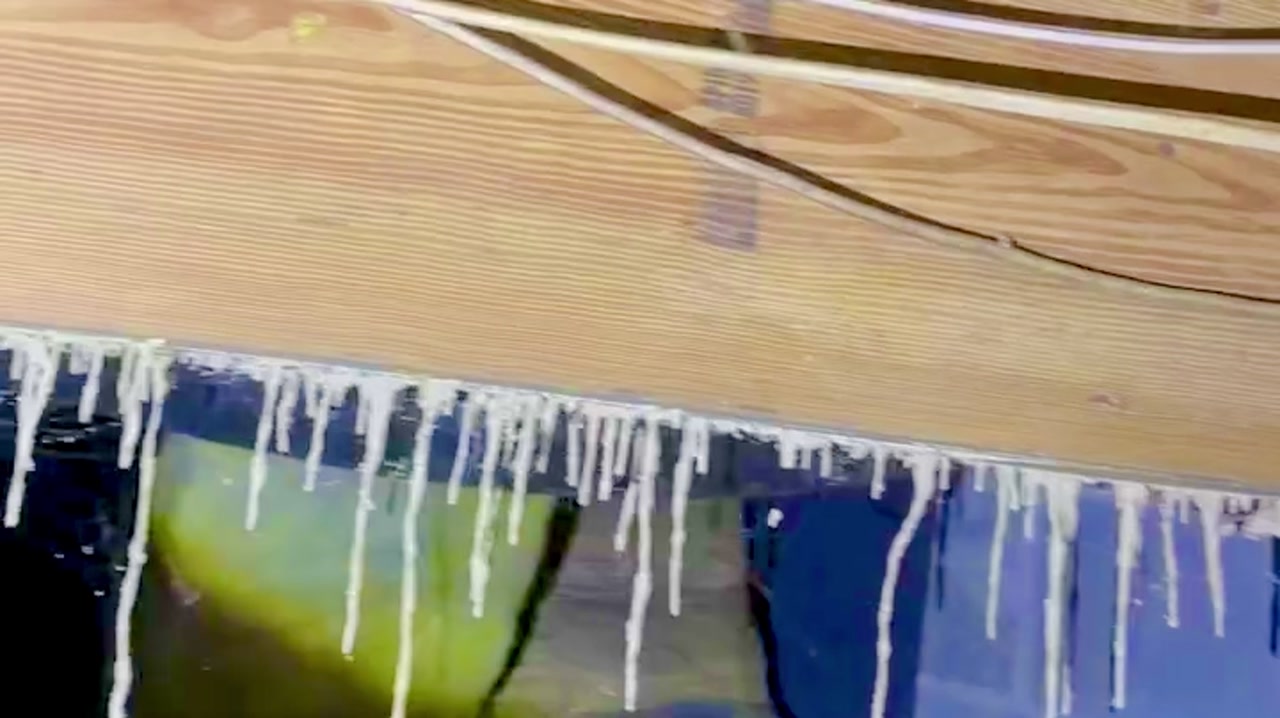
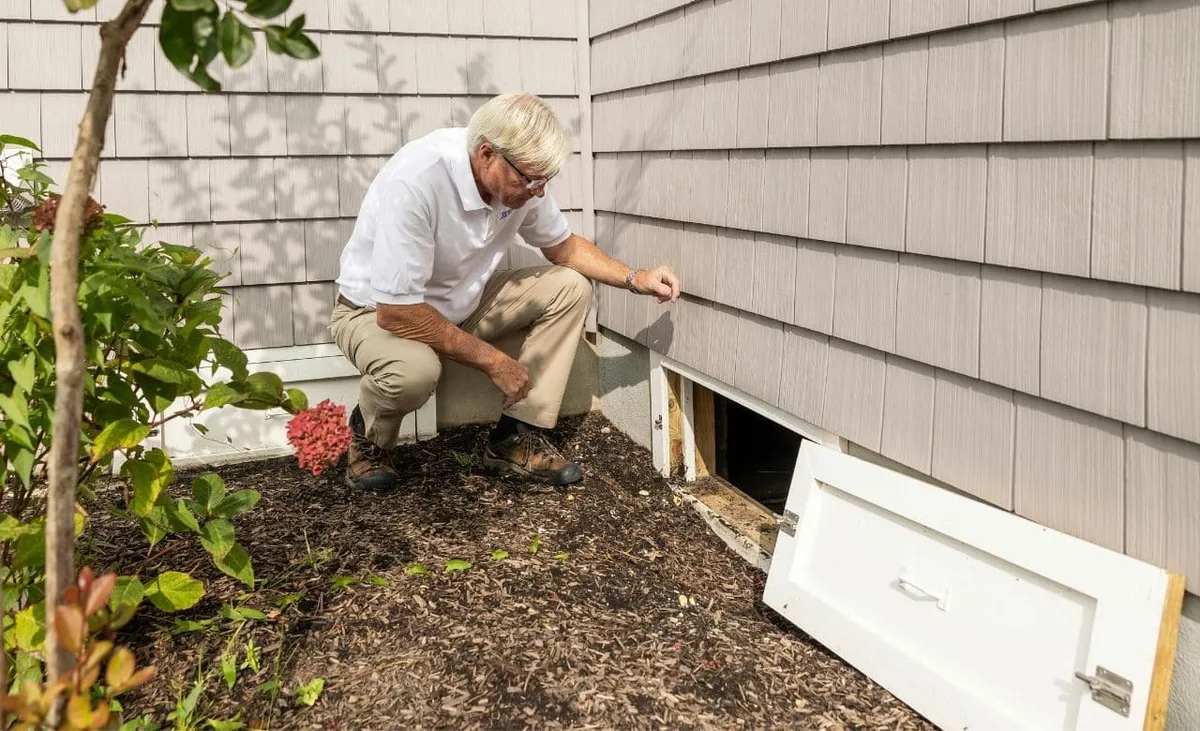
If you see mud tubes instead of pellets, subterranean termites October be active. These termites build nests in the soil and travel into homes, sometimes leading to termites in your crawl space in Suffolk, VA, where moisture and wood framing create ideal conditions.
They can create large termite colonies that lead to serious termite problems if not treated quickly.
Carpenter Ants or Powder Post Beetles
Carpenter ants leave behind sawdust-like shavings mixed with insect parts. Powder post beetles leave fine powder as they feed.
Each pest requires different pest management steps. A proper inspection helps determine the right termite treatment or pest control plan for your termite problem.
Dampwood Termites in Wet Areas
Dampwood termites are less common but October appear in very moist wood. Leaks or water damage can attract them.
Fixing moisture issues helps reduce termite activity and protects your home.
When to Schedule a Termite Inspection in Suffolk
If you are unsure whether you are seeing termite frass vs sawdust, it is time to schedule a termite inspection. A professional inspection can identify the type of termite and confirm if there is an active termite infestation.
At Universal Pest & Termite, we provide detailed inspections and straightforward treatment options for Suffolk homeowners and businesses. Our team performs a thorough inspection, checking for termite droppings, mud tubes, damaged wood, moisture conditions, and other signs of termite activity. We then recommend effective termite treatment and long-term termite control to protect your property.
Contact us today or request a free quote for termite treatment and pest control service.