Keeping spiders out of an older Norfolk home comes down to two moves: close the gaps that hundred-year-old brick and frame construction has opened, and starve out the insects the spiders come in to eat. Do that and the webs stop coming back on their own.
A spider is a hunter following a food trail, not a nuisance that wandered in by accident. In a humid coastal city the trail leads through weathered mortar, worn transoms, and damp masonry pits, and the neighborhoods that give this city its character are the ones that hand a spider the most ways in.
Key Takeaways
- Spiders come indoors chasing food, moisture, and shelter, not to bother people.
- Old brick and frame homes offer entry points modern construction seals by default.
- Controlling the insects spiders eat is the real long-term fix.
- Recurring webs and egg sacs are the signal to bring in professional help.
Video: EVERY Spider in Your House – and what they’re doing there
This video explains why spiders enter homes and where they hide. It shows spider webs, egg sacs, and common hiding spots that homeowners often miss. The cellar and eave shots line up closely with what you find under a turn-of-the-century frame cottage a few blocks off the water.
The Brick Blocks: Ghent and West Freemason
Ghent and West Freemason are turn-of-the-century brick, and a true basement is rare in either. What sits under these homes is usually a shallow masonry pit that holds humidity the way a clay pot holds water. That pit is a breeding room for the roaches, ground beetles, and midges spiders live on, so the spiders set up right at the head of the food supply. A hundred coastal winters also open the mortar joints and settling cracks in that old brick until they are wide enough for a spider to walk straight through, which is why sealing the masonry matters as much here as any spray.
The doorways are the other weak point. Many of the front entrances in West Freemason still carry their original transom windows above the door, and after decades of paint layers and frame settling those transoms rarely seat tight. A slot at the very top of a door frame is an open invitation, and it sits right where warm indoor air draws crawling insects up and in.
The Frame Cottages: Larchmont and Colonial Place
Larchmont and Colonial Place are 1920s and 1930s frame homes, and they fail differently than the brick blocks. Their deep porch eaves, wood siding, and original double-hung windows create sheltered ledges where orb-weavers and cobweb spiders can anchor a web out of the wind and rain for weeks. The mature lots in these two neighborhoods make it worse: overgrown foundation shrubs and low branches touching the siding form a direct bridge from the yard onto the porch ceiling and up the wall.
The low ground here drains toward the Lafayette River, and that river holds the water table high and the air heavy across this whole stretch of the city. Steady humidity is the engine behind the insect activity, and the insect activity is what pulls spiders under the eaves and keeps them there. Homes on the lowest lots near the riverbank run the dampest crawl spaces and see the most web return.
The Rental Turnover Around Naval Station Norfolk
The older rental stock near Naval Station Norfolk housing turns over fast, and that pace works against pest control. A gap in caulk or a torn screen that no one addresses between one tenant and the next lets both insects and the spiders that hunt them drift inside, and by the next move-in the population is already established in the wall voids and sill corners. On these homes the fix is the same as on the historic blocks, it just has to happen on a tighter clock.
Symptom, Cause, and Fix at a Glance
Here is how the things you actually notice map to what is happening and what stops it in an older home like these:
| What you see | What it means | What fixes it |
|---|---|---|
| Cobwebs high in porch corners | Sheltered eaves on frame homes shield webs from wind and rain | Knock down webs, add exterior lighting away from doors, trim overhang debris |
| Spiders slipping in above the front door | An original transom that no longer seals | Reglaze and weatherstrip the transom; caulk the frame gap |
| Webs and egg sacs in the cellar | Damp masonry pit breeding insects spiders hunt | Run a dehumidifier, fix drainage, seal foundation cracks |
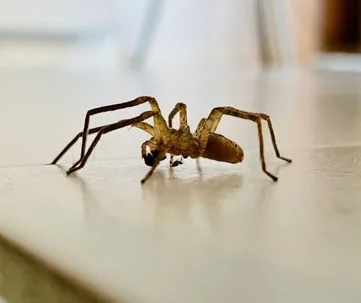
| Fast-moving spiders crossing floors | Wolf and ground spiders following insect prey indoors | Reduce the underlying insect population and seal sill gaps |
How to Prevent Spiders in an Older Home
Seal the Entry Points Old Houses Leave Open
Start where age has opened the building. Caulk the settling cracks in weathered Ghent brickwork, reglaze loose windowpanes, and weatherstrip the transoms and original doors that no longer seat. Old gas and electrical penetrations are common gaps too; pack them and seal the edges so a crawling insect has nowhere to follow.
Reduce Moisture Indoors and Out
A shallow West Freemason cellar or a low Larchmont lot near the Lafayette River will hold water through the whole warm season. A dehumidifier, working gutters, and grading that pushes runoff away from the foundation cut the humidity that feeds insects and, in turn, the spiders that hunt them.
Control the Insects First
Spiders stay where prey is available. Regular cleaning, sealed trash, and keeping roaches and ants down does more to thin out spiders than chasing individual webs. That treats the cause instead of the symptom, and it is the step most homeowners skip.
Keep Landscaping Off the Walls
Trim shrubs back from wood siding, keep mulch off the foundation, and stack firewood away from the exterior. On the mature Colonial Place lots, an overgrown foundation bed is a direct ladder from the ground onto the porch and up the frame.
Use Preventive Treatment When Webs Keep Returning
DIY steps help, but they have limits. When spiders return often, or egg sacs appear, a professional plan gives better results and explains why hiring pest control for spiders is a wise choice for long-term prevention. David Shafer, our lead inspector, has spent more than fifteen years reading exactly these older Hampton Roads structures, and the inspection focuses on prevention rather than short-term fixes.
When to Call a Professional
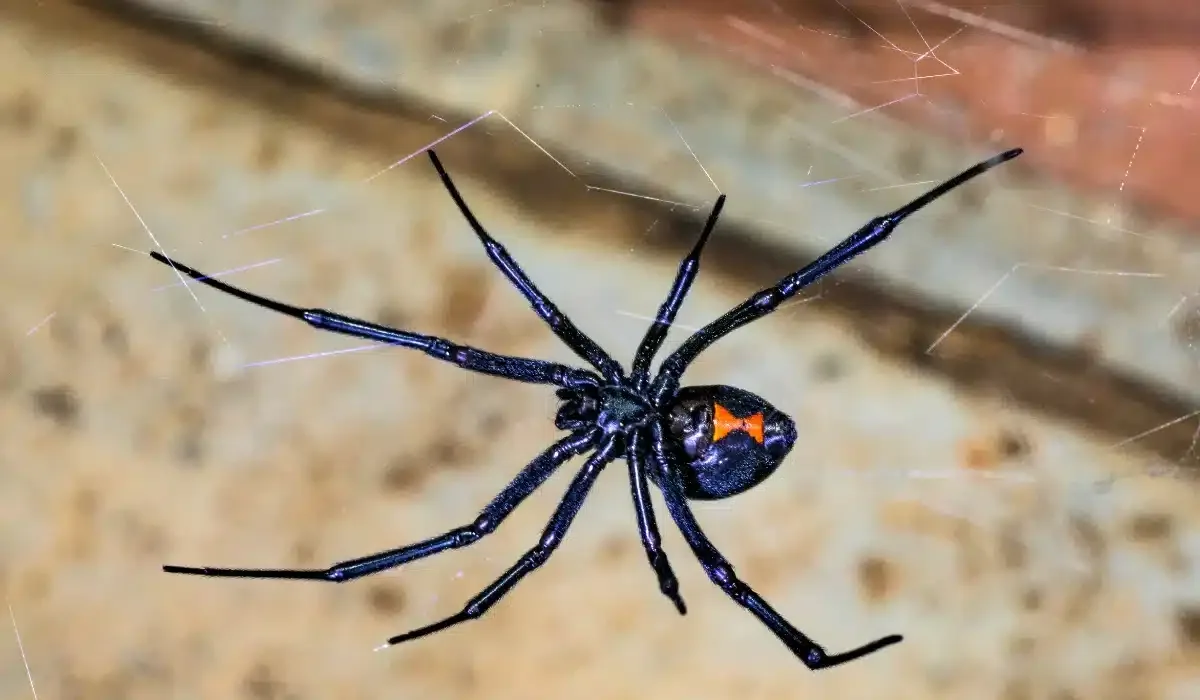
Call an exterminator when spiders return despite your efforts or when safety becomes a concern. Widow spiders do live in this region and favor dry, undisturbed corners exactly like the ones in these old cellars and crawl spaces; a shiny black spider with a red hourglass down in a Ghent masonry pit warrants professional handling. Brown recluse spiders are not established in Virginia, so a brown spider on the wall here is almost always a harmless wolf, grass, or sac spider.
Recurring spider infestations in Virginia usually point to underlying insect activity in the walls or cellar. A professional plan addresses spiders and the pests they hunt together, which is what makes the results last. Our spider control service is built around that pairing.
Building a Spider Plan for an Old Norfolk Home
Spiders are a symptom. Sealing the openings that old brick and frame homes develop, drying out the cellar, and thinning the insects underneath form the base of a plan that holds. Along the Lafayette River, where the humidity rarely lets up, staying consistent is what keeps the webs from coming back.
At Universal Pest & Termite, we work on homes across Norfolk and the wider Hampton Roads region and tailor the approach to the house in front of us. If spiders keep appearing, a customized treatment plan can help keep your home comfortable year-round.
Call today or request a free quote and take the next step toward lasting spider prevention.
FAQs
Why do spiders get into old Ghent and West Freemason brick homes so easily?
A century of coastal weather opens mortar joints and settling cracks in old brick, and the shallow damp cellars under these homes breed the insects spiders hunt. There is rarely a sealed modern basement to stop them, so spiders move between the cellar and living space through gaps around utilities, framing, and worn transoms.
Are the spiders in my Larchmont porch eaves dangerous?
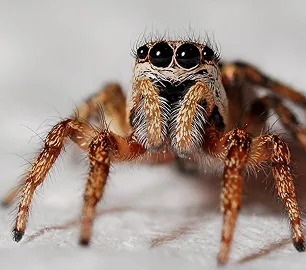
Most porch spiders on frame homes are orb-weavers and cobweb spiders that eat other insects and pose no real threat. Widow spiders do live in the region but stay in dry, undisturbed spots like cellars and crawl spaces rather than open eaves. Clearing webs and reducing the insects they feed on keeps eave populations down.
Does the Lafayette River affect spider activity in nearby homes?
Yes. The low ground along the Lafayette River keeps the water table high and the air humid, which drives the insect activity spiders depend on. Homes on those lots see more moisture in cellars and crawl spaces, so managing humidity and drainage is an important part of keeping spiders out.
Why do spiders keep coming back in rental homes near Naval Station Norfolk?
Fast tenant turnover in that older rental stock leaves gaps in caulk and screen unaddressed between move-outs, so insects and the spiders that hunt them re-establish in the wall voids before the next family arrives. Sealing entry points and knocking down the insect population during each turnover is what breaks the cycle.