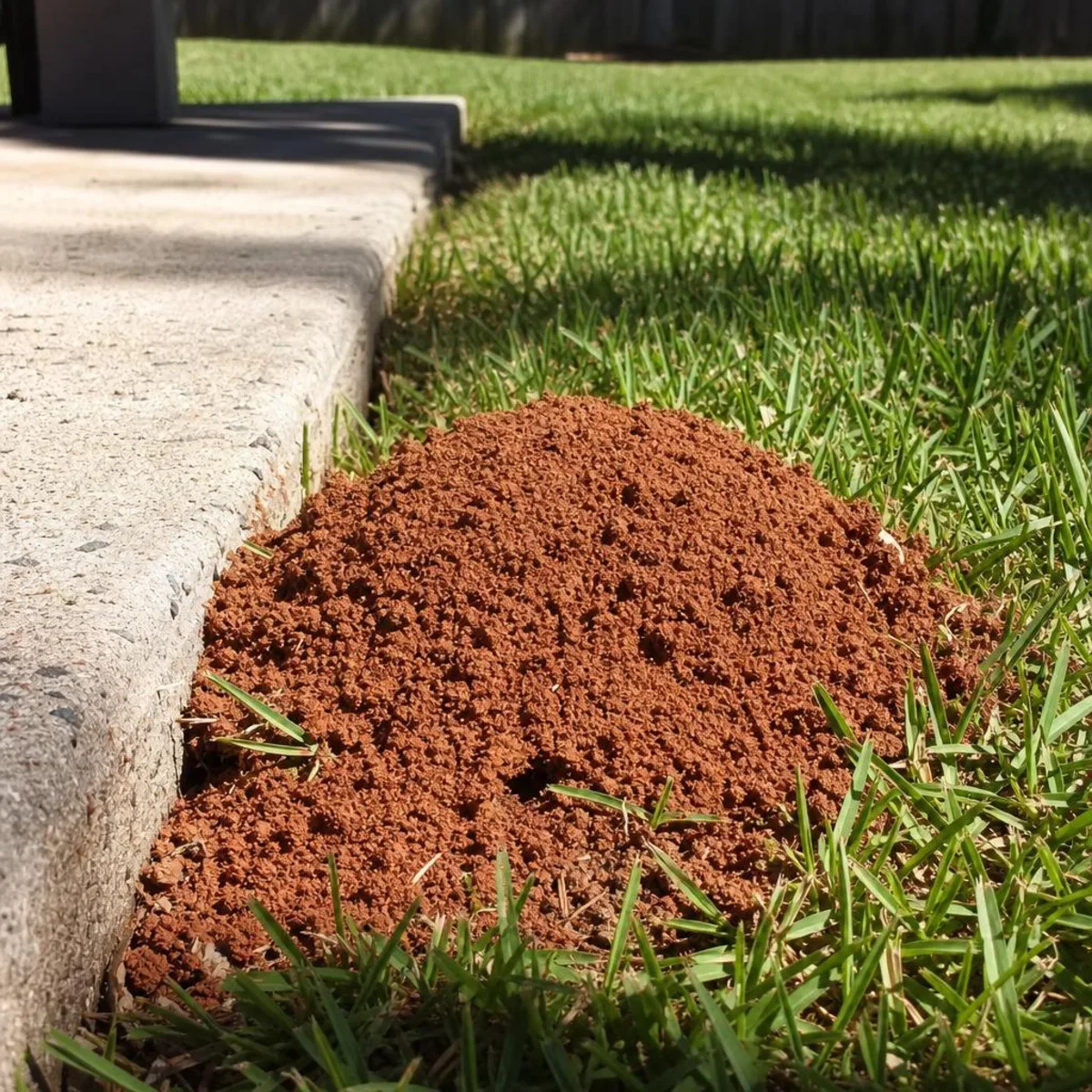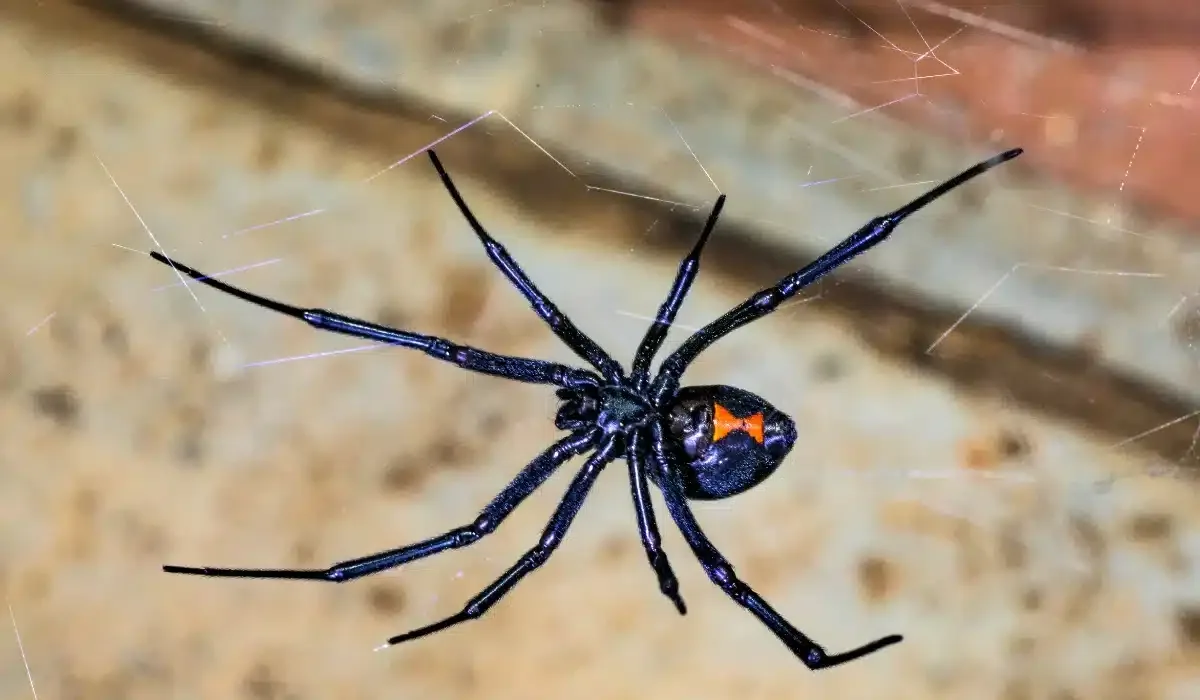
Chesapeake has more of the habitat a black widow wants than most of Hampton Roads, for a simple reason: the city is mostly low-density land. Big lots, detached sheds, block foundations, woodpiles, boat trailers and swamp-edge treelines are exactly the undisturbed, ground-level, dry-void habitat a southern black widow wants — and Chesapeake has more of that per household than the dense, built-up neighborhoods across the water.
Chesapeake gives widows more of what they want than anywhere else in the region
Chesapeake covers roughly 340 square miles, more land than any other city in Virginia, and most of it is not subdivision. Farm fields and woodlots run from Hickory down through Fentress and Blackwater; the Great Dismal Swamp presses in from the southwest; the Albemarle and Chesapeake Canal cuts through Great Bridge with bulkheads, boat lifts and dock framing along its banks. A black widow does not need a rural address, but it does need a dark, still, ground-level void that nobody disturbs for weeks at a time. That describes a Chesapeake shed, crawl space or brush pile far better than it describes a townhouse block.
The housing stock adds to it. South Norfolk and Portlock hold older homes on block foundations, where the mortar joints, crawl access doors and stoop voids give a widow a dozen sheltered anchor points at ankle height. The newer builds in Grassfield and Edinburgh sit on cleared land with fresh treelines, construction debris and unlandscaped edges, which is prime early-colonization ground. Western Branch and Deep Creek fall in between: mature yards, detached garages, and the kind of stored-and-forgotten corner where a widow can build undisturbed for a season.
Where they actually set up in a Chesapeake yard
Black widows do not roam the house. They build a messy, irregular, surprisingly strong tangle-web low to the ground and stay with it, hanging upside down at the back of it. Almost every widow found on a Chesapeake property is within a few feet of the soil, in something that has a roof and no traffic.
| Where they turn up | Why that spot works for a widow | What fixes it |
|---|---|---|
| Under a brick front stoop or porch slab | A dry, dark void at ground level with insects passing by the door light | Clear the webbing, treat the void, seal the gap at the slab edge |
| Detached shed, barn or garage corner | Undisturbed for weeks, gaps under the door, clutter to anchor a web to | Door sweep, declutter off the floor, treat the wall-floor junction |
| Crawl space sill plate and access door | Cool, still air and a torn vent screen letting prey in | Repair screening, treat the perimeter, keep the access door tight |
| Woodpile or debris stacked against the siding | A stack of dark, dry cavities touching the house | Move firewood off the ground and away from the wall |
| Meter boxes, hose reels and utility risers | Sheltered, rarely touched, and warm enough after dark | Check before reaching in; treat the housing and the surrounding wall |
| Dock framing, bulkhead steps and boat lifts | Canal and creekside structures nobody brushes down all summer | Knock down webbing regularly; include the structure in an exterior treatment |
Telling a widow from the harmless spiders sharing the same corner
A mature female southern black widow is glossy jet black, about half an inch in the body and closer to an inch and a half across the legs, with a red-orange hourglass on the underside of the abdomen. Because she hangs inverted in her web, that marking is usually the first thing visible. Males are much smaller, lighter, patterned along the sides, and are not the ones people are worried about.
The look-alikes matter, because most of what gets photographed and sent to us is not a widow. A cellar spider — long, pale, spindly legs, trembling in a loose web in a garage corner — is harmless. A false black widow is dark but matte brown-purple, with no hourglass. A common house spider builds a similar tangle-web but is mottled tan. One thing worth saying plainly: the brown recluse is not established in Virginia, and almost every "recluse" bite reported here turns out to be something else entirely.
The egg sacs are their own tell. A widow's sac is papery, tan or off-white, roughly pear-shaped and about the size of a pencil eraser or a little larger, hung in the middle of the tangle. Finding several in one shed corner means the spot has been working as habitat for a while, not that a spider wandered in yesterday.
Late summer is when you notice them
Widows are present year-round in Chesapeake, sheltering in crawl spaces and outbuildings through the cold. What changes in October and October is size and visibility: females that hatched in spring have reached full size, egg sacs are hanging, and yard work, garage cleanouts and firewood restacking put people's hands in the exact places widows have been building all summer. That is the seasonal reality behind the late-summer spike in calls, not a sudden invasion.
Prey supply drives the rest of it. A widow builds where insects walk or fly past — under a porch light, beside a garage door left cracked open, along a dock rail near the water. Cut the insect traffic and the widow habitat gets less attractive: switch exterior fixtures to warm-toned bulbs, keep the garage door closed at night, and stay on top of the general insect pressure around the foundation with routine spider control rather than one-off knockdowns.
What to do about the ones you find
Do not put a bare hand into a place you cannot see — the overwhelming majority of widow bites happen when the spider is pressed against skin, in a glove, a boot, a stack of firewood or a box being lifted. Wear gloves for shed and crawl space work. Knock down webbing with a shop vacuum or a broom and dispose of it outside. Remove the egg sacs, or you are simply resetting the clock on that corner.
Where widows keep coming back, the fix is habitat plus barrier: clutter off the floor, firewood off the ground and away from the wall, crawl space vents screened, stoop and slab gaps sealed, and a maintained exterior treatment across the foundation, eaves and outbuildings. That is the ordinary quarterly work behind our home health plans, and a property kept on that schedule generally sees far fewer widow finds than one treated once and left alone. If you want the property looked at first, a pest control inspection will tell you where the harborage actually is. For the wider picture of what else Chesapeake homes deal with — swamp-edge mosquitoes, canal-side ants, crawl space moisture — see our Chesapeake pest control page.
Frequently asked questions
Are black widow spiders common in Chesapeake, or is this unusual?
The southern black widow is native to Virginia and established across Hampton Roads, so finding one in a Chesapeake shed or crawl space is not unusual. What makes Chesapeake stand out is the sheer volume of suitable habitat: large lots, outbuildings, woodpiles, farm edges and canal structures, all offering the undisturbed ground-level voids a widow builds in. A single widow is normal. Several webs with egg sacs in the same corner means the spot has become established habitat and should be cleared and treated.
See spider control in Chesapeake
How dangerous is a black widow bite?
A widow bite is medically significant and should be taken seriously, but it is rarely life-threatening to a healthy adult. The venom acts on the nervous system, and reactions typically include pain at the site spreading to muscle cramping in the abdomen or back, sweating and nausea. Children, older adults and anyone with a heart condition are at higher risk. Anyone bitten should seek medical care promptly, and if the spider can be safely contained, bring it along so it can be identified.
Get a free quote in Chesapeake
What is the difference between a black widow and a false black widow?
Colour and marking. A mature female black widow is glossy, almost lacquered jet black with a red-orange hourglass on the underside of the abdomen. A false black widow is smaller, matte, and brown to purplish-brown with no hourglass — sometimes a faint pale band across the front of the abdomen. Both build irregular tangle-webs in the same garage and crawl space corners, which is why they get confused, but only the true widow carries a medically significant bite.
See spider control in Chesapeake
Will treating the outside of my house keep widows out of the garage and shed?
Partly, and only if the outbuildings are treated as well. Widows are not indoor spiders that wander in from the lawn; they colonise sheltered structures directly and stay there. A treatment that covers the house foundation but skips the detached shed, the garage wall-floor junction and the crawl space perimeter leaves the best habitat on the property untouched. Effective work covers every structure, plus the physical fixes — door sweeps, screened vents, clutter and firewood moved off the ground.
Get a free quote in Chesapeake
When is the best time of year to deal with black widows in Chesapeake?
Any time you find one, and ideally before the late-summer peak. Widows overwinter in crawl spaces, sheds and garages, so a treatment in late winter or early spring hits the population while it is small and concentrated in known harborages. Waiting until October means dealing with full-grown females and hanging egg sacs, which is a bigger job. Year-round quarterly service keeps the barrier in place through both ends of that cycle.