Nearly every spider you find in a Portsmouth home is a harmless hunter that followed insects in from a damp crawl space. The reliable fix is short: name what you actually have, dry the crawl space, and cut off the bugs breeding under the floor, and the sightings fall away. Widow spiders in an undisturbed corner are the only ones that call for real caution.
This city's oldest houses were thrown up for shipyard workers, low and close to the water, on shallow brick crawl spaces instead of deep foundations. That building style, sitting a foot or two above saturated ground, is the reason the same rooms fill with webs season after season.
Key Takeaways
- Shallow crawl spaces and river humidity give Portsmouth spiders shelter and food.
- Correct identification tells you which spiders to ignore and which to watch.
- Drying the crawl space is the single most effective control step here.
- Persistent returns usually mean an insect problem underneath the house.
Video: EVERY Spider in Your House – and what they’re doing there
This video helps explain why spiders choose certain rooms and structures. It covers common house spider behavior, hunting habits, and hiding spots. Those habits explain why the crawl-space and utility-room corners in these older homes stay busy while finished living areas do not.
Identifying the Spiders in a Portsmouth Home
Identification is the most useful first step. Many spiders look alike at a glance, but appearance and behavior together usually reveal the species. In most cases the spiders indoors are not dangerous, even when they look alarming.
What They Look Like
The common house spider, Parasteatoda tepidariorum, is light brown or gray and builds loose cobwebs in corners and along ceilings. Southern house spiders turn up on the brick exteriors and garages that fill the streets of Olde Towne and can startle people with their size, though they keep to themselves.
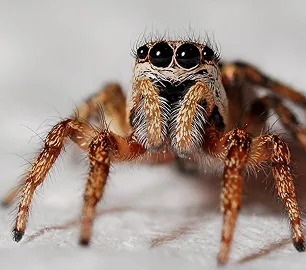
Wolf spiders from the Lycosidae family are dark brown, fast, and often mistaken for something worse. They rarely bite unless handled. Jumping spiders are much smaller, with compact bodies, quick movements, and noticeable eyes.
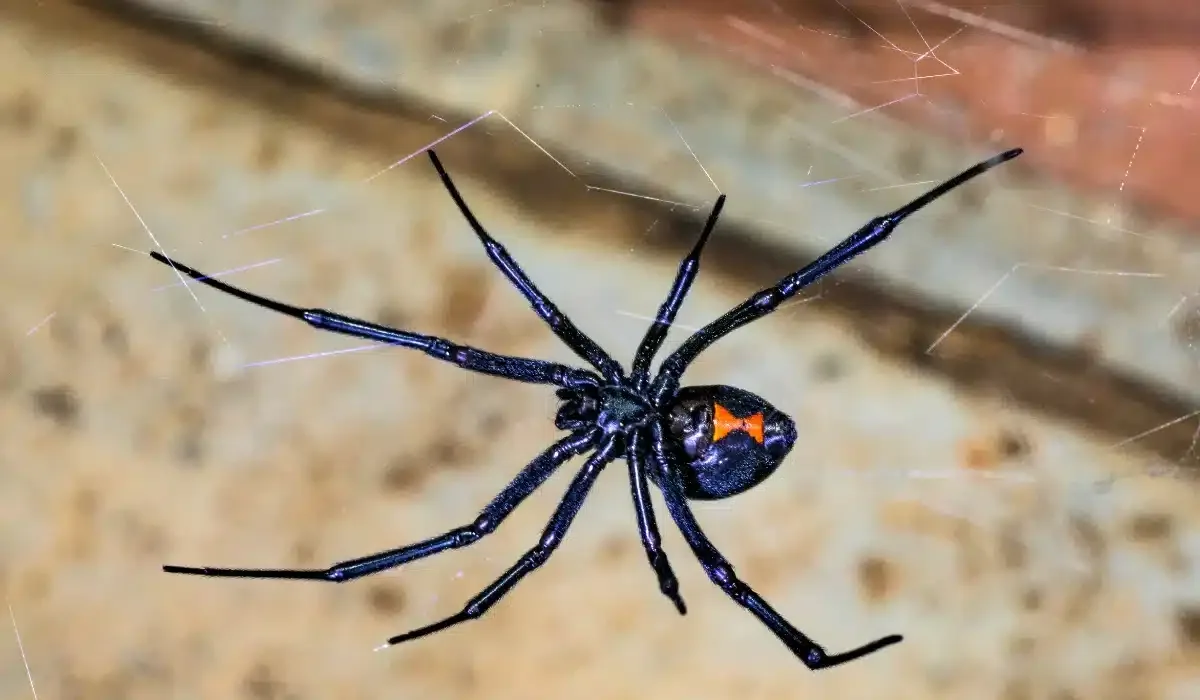
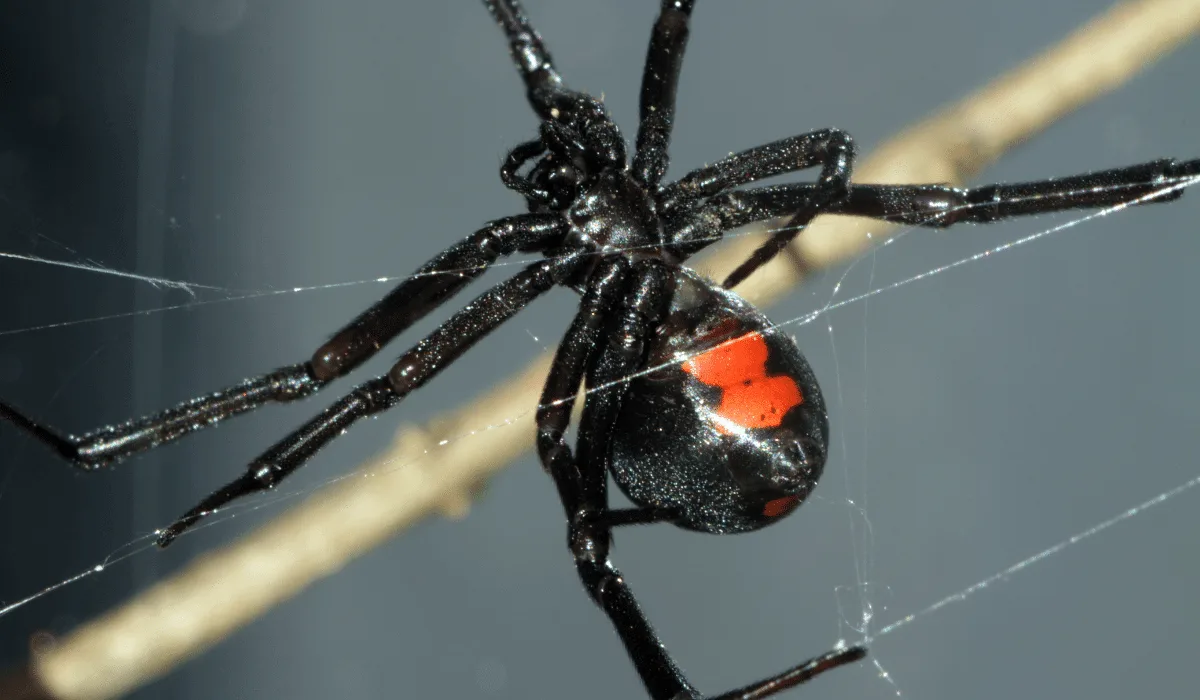
Widow spiders are the ones to know. Black widows have shiny black bodies with a red hourglass on the underside and favor dry, undisturbed spots like the corners of a crawl space. Brown recluse spiders are not established in Virginia, so a brown spider indoors here is almost always a harmless wolf, grass, or sac spider rather than a recluse.
How They Behave
Behavior often reads clearer than color. Wolf and fishing spiders hunt on foot instead of spinning webs, which is why you see them crossing floors. Sac spiders are active at night, so people notice them when the lights come on. Orb-weavers build large, tidy webs outdoors and rarely move in; garden spiders stay near plants where insects are thick.
The Shipyard Cottages of Cradock and Port Norfolk
Cradock and Port Norfolk were laid out as shipyard-era neighborhoods, and the worker cottages there sit on shallow brick crawl spaces rather than deep footings. Those crawl spaces clear the damp coastal-plain soil by only a foot or two, so they hold the humidity that rolls in off the Western Branch of the Elizabeth River and turn into insect nurseries. Long-legged cellar spiders and wolf spiders move up through the subfloor to hunt whatever is breeding down there, which is why the utility rooms in these cottages stay busy while the front rooms upstairs stay quiet.
The waterfront edge feeds the cycle. Craney Island and the industrial ground around it keep mature trees and open lots close to the housing, and that steady outdoor insect supply drifts toward the nearest warm, lit structure after dark. A cottage with an unsealed foundation vent is the first thing that insect wave reaches.
The Aged Brick of Olde Towne
Olde Towne adds age to the problem. Its 18th and 19th century brick homes sit on shallow crawl spaces, and generations of settling have loosened the mortar and framing until both insects and spiders slip through the cracks, unsealed vents, and worn thresholds without effort. On these historic homes the sealing work is more involved than on a newer house, because there is simply more open joint and worn edge to close.
The Newer Stock in Churchland and Western Branch
Churchland and the Western Branch side sit higher and drier on tighter modern foundations, so the spider load shifts. Instead of colonizing a wet crawl space, spiders here concentrate in the garage and the storage corners, following the insects that ride in on boxes and firewood. The same species show up, but the harborage is above grade, and the fix leans on clutter control more than moisture control.
Symptom, Cause, and Fix at a Glance
Use this to translate what you see into what to do:
| What you see | What it means | What fixes it |
|---|---|---|
| Long-legged spiders in the crawl space or utility room | Damp, shallow crawl space breeding insects | Vapor barrier, dehumidification, sealed vents |
| Fast brown spiders crossing floors at night | Wolf or ground spiders hunting prey, not recluses | Reduce insects and seal sill and threshold gaps |
| Shiny black spider with a red hourglass in a corner | A widow spider in undisturbed harborage | Professional removal; keep corners cleared |
| Cobwebs returning in the same garage corners | Southern house and common house spiders on brick | Regular web removal and clutter control |
Managing Spiders Around the House
Control starts by removing what draws them. Regular cleaning clears cobwebs, egg sacs, and hidden insects, and vacuuming corners, baseboards, and storage areas disrupts activity before populations grow.
Sealing gaps around doors, windows, and foundation vents cuts entry, most of all on the worn Olde Towne and Cradock thresholds. Managing crawl-space moisture with a vapor barrier and proper ventilation does the heaviest lifting in this river-edge city. Outdoors, trim plants and move woodpiles off the walls.
Treating Spiders in Your Home
The right treatment depends on the species and how often you see them. Occasional sightings October not call for action, but repeated sightings usually need a focused plan.
DIY Options
You can knock down visible spiders and cobwebs with vacuuming and routine cleaning, and sticky traps help monitor activity in garages and crawl-space access points. These steps handle common house spiders and jumping spiders well.
DIY tends to fall short when widow spiders hide deep in the cracks of a shallow brick crawl space, where they are hard to reach without the right tools and experience.
Professional Options
Professional service starts with inspection and identification, then targets harborages, entry points, and long-term prevention. The benefits of hiring a professional spider exterminator include accurate identification, targeted control, and follow-up visits. David Shafer, our lead inspector with more than fifteen years under Hampton Roads homes, works the crawl space first because that is where these cases start.
For ongoing problems, hiring pest control for spiders is a wise choice. A spider control plan addresses the food, moisture, and shelter underneath the house rather than just clearing what you can see.
Should You Call a Professional?
It makes sense when spiders appear frequently, spread across rooms, or involve widow spiders. A bite from a black widow can require medical attention if the reaction goes beyond a mild sting, and their preference for the dry corners of a shallow crawl space puts them exactly where people reach without looking.
Get a free quote in Portsmouth
Recurring bites, large populations, or sightings in living areas signal the need for expert help. Professional service provides consistent prevention for homeowners dealing with spider infestations in Virginia.
Making the Right Call for Your Portsmouth Home
Spiders are common here, but they do not have to be constant. Knowing why they appear, what they are, and how to manage the crawl space keeps you ahead of the problem along the Western Branch of the Elizabeth River.
When spiders persist despite basic prevention, professional control offers solutions built for local conditions. At Universal Pest & Termite, we bring local experience and practical strategies that fit these older Portsmouth homes.
Contact us today to make managing spiders far less stressful and far more effective.
FAQs
Why do the crawl spaces in Cradock and Port Norfolk have so many spiders?
Those shipyard-era homes sit on shallow brick crawl spaces only a foot or two above damp soil, close to the Western Branch of the Elizabeth River. The trapped humidity breeds insects, and spiders move in to hunt them. Adding a vapor barrier and improving ventilation is usually the single biggest improvement.
See spider control in Portsmouth
Could the brown spider in my Portsmouth home be a brown recluse?
Almost certainly not. Brown recluse spiders are not established in Virginia. A brown spider indoors here is far more likely a harmless wolf spider, grass spider, or sac spider. Widow spiders are the venomous species that do live in the region, and they are shiny black with a red hourglass, not brown.
Get a free quote in Portsmouth
Are spiders in Olde Towne's historic brick homes a bigger problem?
The 18th and 19th century brick in Olde Towne sits on shallow crawl spaces with loosened mortar and worn framing, which gives insects and spiders easy passage. That age means sealing gaps and controlling crawl-space moisture matters more than in the newer Churchland or Western Branch homes.
See spider control in Portsmouth
Why do Churchland homes see spiders in the garage instead of the crawl space?
Churchland and the Western Branch side sit higher and drier on tighter modern foundations, so spiders skip the crawl space and gather in garages and storage corners instead, following insects that ride in on boxes and firewood. Clutter control and sealing the garage door sweep matter more there than moisture work.