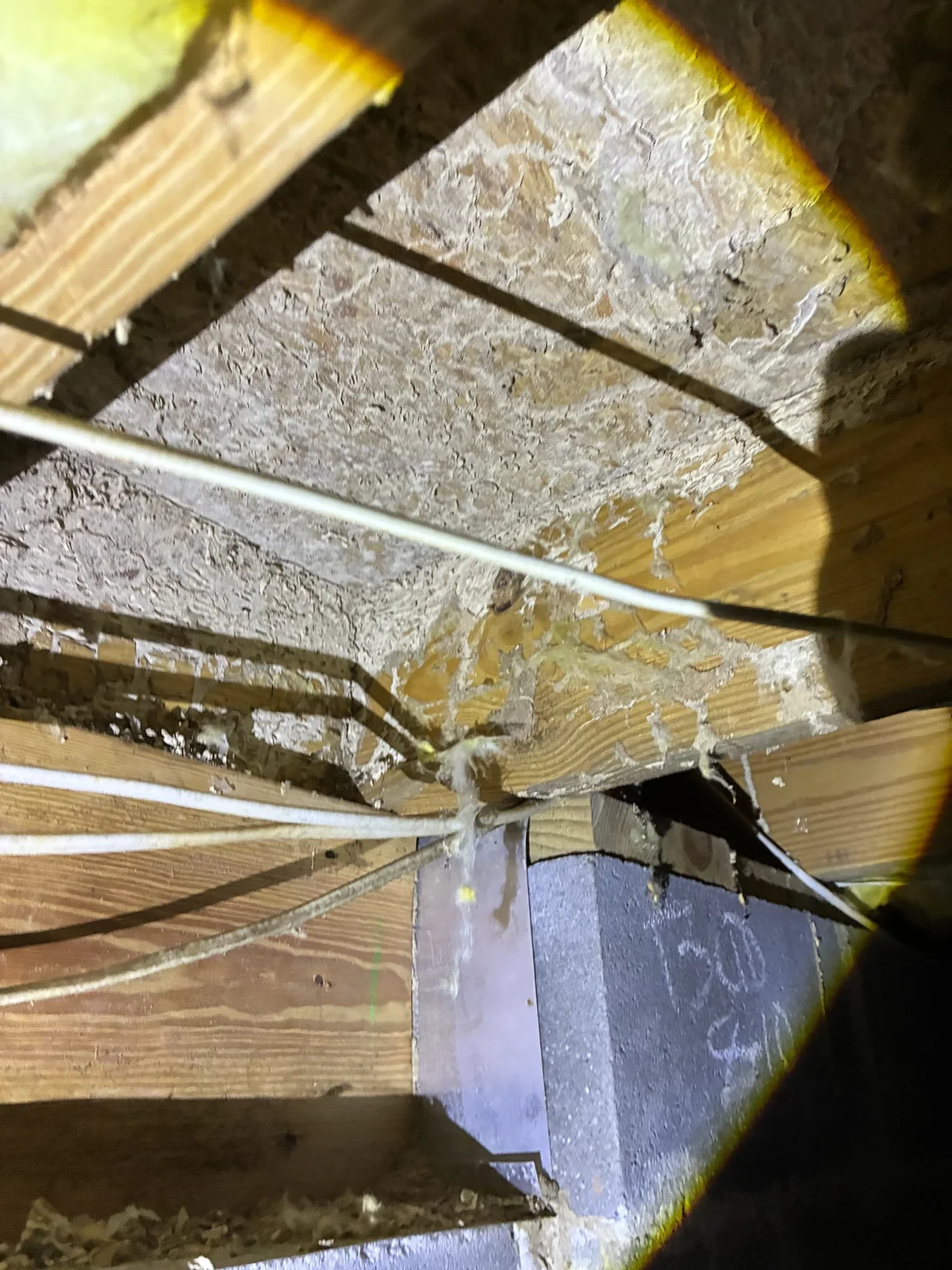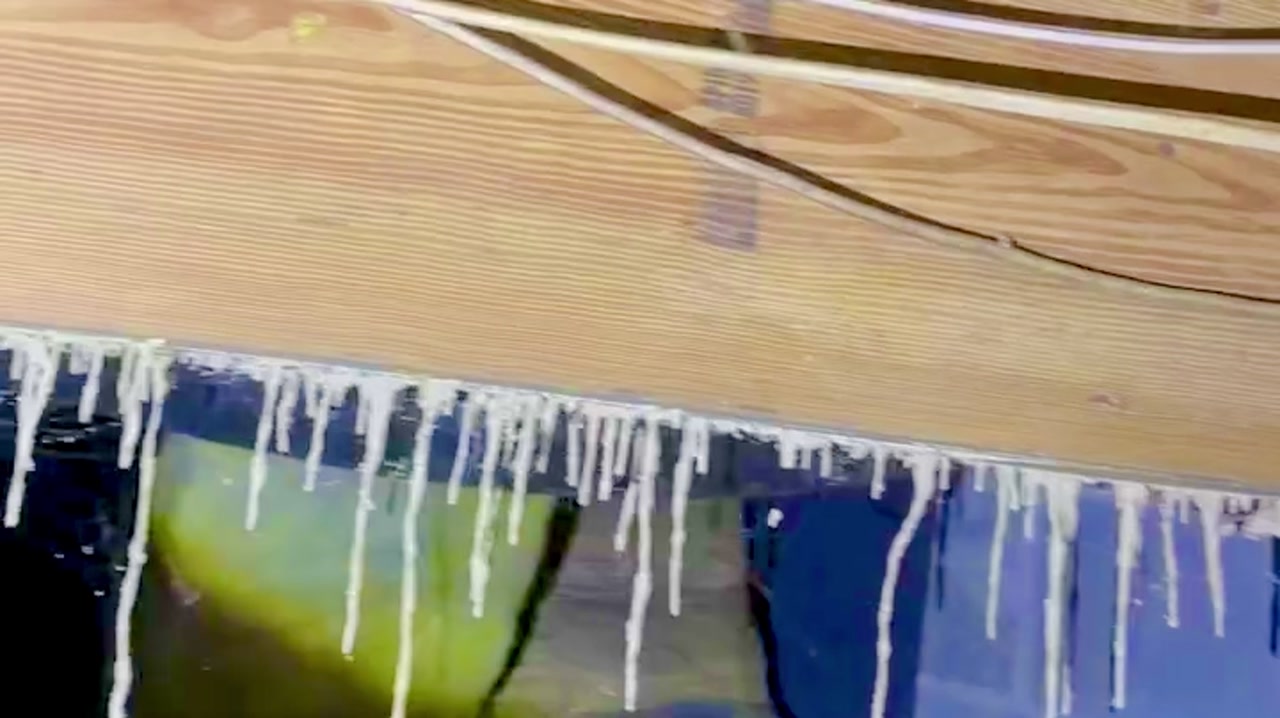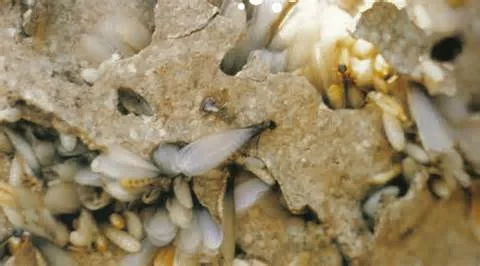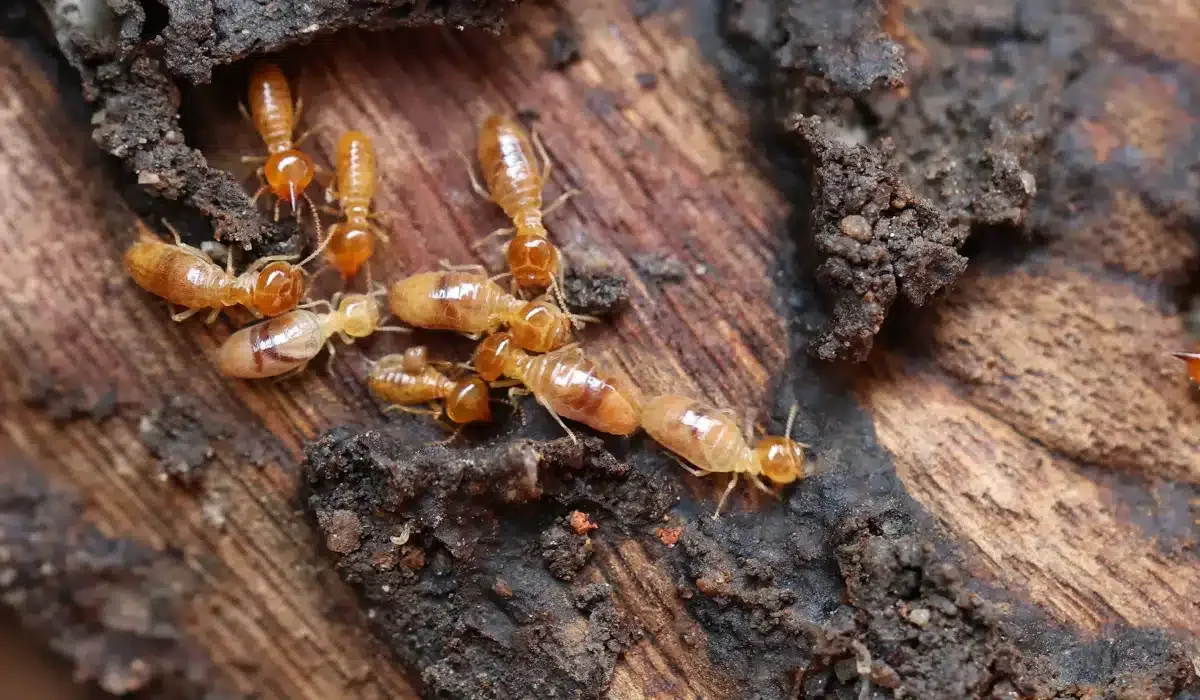
Termites in your crawl space mean a subterranean colony living in the soil has found a damp path up into your subfloor, and it has almost certainly been feeding for months before you noticed. Leave the mud tubes untouched, keep your hands off the damaged wood, and book a professional inspection so the colony gets hit at its source in the ground rather than at the one spot you happened to see. On the low ground west of the Nansemond River, the dirt under the house is the reason this keeps repeating.
Most homeowners never lift the access hatch until a hallway floor flexes underfoot or a swarmer turns up on a windowsill in October. That blind stretch is exactly the head start a colony needs. Down there in the dark, inches from wet soil, workers chew framing around the clock and leave the paint on the living-room side looking perfectly normal.
Acting early keeps the bill small, and a proper termite inspection in Suffolk tells you what is really under the floor. This guide walks through why ground on this side of the river feeds termites, what live workers actually signal, and the order of moves that stops them.
Key Takeaways
- The water-holding ground draining off Bennett's Creek and the Great Dismal Swamp keeps crawl spaces damp enough for subterranean termites to feed all year.
- A pencil-width mud tube on a block pier and a joist that thuds hollow are the two signs that surface first.
- A soil treatment only holds if you pull the crawl-space humidity down in the same visit.
- An annual look under the house catches a tube while the repair is still one plank instead of a beam.
Video: How to Identify Termites | Pest Control
The clip shows what mud tubes, hollowed framing, and live workers look like up close. Seeing the real thing takes the guesswork out of a problem that hides where you rarely look.
Why the Ground Around Bennett's Creek Never Dries
Subterranean termites cannot live without soil moisture, and the flats along Bennett's Creek hold it stubbornly. Tidal water working up the creek keeps the surrounding water table high, so the sandy loam under these houses stays damp even through a dry spell. A crawl space parked on that ground is humid most of the calendar, which is all a colony asks for.
Head out toward Driver and the fringe of the Great Dismal Swamp and the soil shifts to peat. Peat drinks up rain and lets it go slowly, parking humidity right against the piers instead of draining it away. That is why a home on this side of the river fights damp that a place on higher, sandier ground up around Harbour View never has to think about.
Then construction piles onto the soil problem. The housing stock out here runs heavily to vented crawl spaces on block piers, and on a sticky Hampton Roads afternoon those foundation vents draw warm outside air under the floor instead of drying it out. That air hits the cool ductwork and joists, condenses, wets the subfloor, and hands termites a moist ladder from the dirt straight into the framing.
What It Means When You Actually Find Them
Termites under the floor almost never signal a fresh arrival. They settle only where conditions carry them long term, so live workers on a pier usually mean the colony has been eating there a good while.
By the time you see them, the damage is often already in the joists, the subfloor, or a sill plate resting on a pier. Left running, that shifts from a treatment into carpentry. The longer a colony works, the harder and costlier it is to shut down.
At this point, understanding termite statistics and prevention tips helps you gauge the risk. Termites work quietly and never clock out. Once a colony settles beneath a house on the flats draining toward the Nansemond River, it pushes into nearby framing with no visible tell until the damage is real.
Symptom, Meaning, and Fix at a Glance
| What you see | What it means | What fixes it |
|---|---|---|
| Pencil-width mud tube up a block pier | Active subterranean colony bridging wet soil to wood | Do not break it; a liquid soil treatment at the source |
| Floor joist sounds hollow when tapped | Wood eaten from the inside, surface still intact | Inspection to map the damage, then targeted treatment |
| Standing damp or musty air under the house | The peat and creek-fed moisture keeping a colony alive | Encapsulation, vapor barrier, and a dehumidifier |
| Winged swarmers at a window in early summer | A mature colony sending out reproductives | Professional confirmation before any treatment |
How to Get Rid of Them
Clearing a crawl-space colony takes more than a surface spray. A hardware-store product may drop the workers you can see near the hatch, but it seldom reaches the nest sitting in the soil. Real treatment opens with a full inspection under the house.
Step-by-Step Immediate Actions
First, leave the mud tubes and chewed wood exactly as you found them. Break a tube and you only hand the colony a new route and make its activity harder to trace. Instead, schedule a free inspection with a crew that runs professional termite control.
A complete look finds the entry points along the piers, the moisture feeding them, and how far the colony reaches into the framing. Treatment then hits both the termites and the wet crawl space that let them in, and follow-up visits keep the problem from creeping back.
When DIY Works and When It Doesn't
Foam and granules can slow what you see near a hatch, but termites live deep in the soil and inside the wood, past anything you can reach from the opening. On peaty ground toward Driver a soil colony can sit feet from the framing and still be connected to it. That is why infestations out here tend to hang on out of sight.
Most homeowners hand it to a professional for lasting results, especially when a whole colony has to be stopped. A local crew already knows the water-holding soil, the vented block-pier construction, and how the seasons swing on this side of the river.
What Keeps Drawing Them Back
Moisture is the first draw. A weeping supply line, drainage that sheets water under the house after a Route 17 downpour, or soil that never dries all stack the odds. On low ground the water simply has nowhere to run.
Wood-to-soil contact is the second. Where a stair stringer, a stored plank, or a low sill touches the dirt, termites get a direct bridge and climb the piers into the subfloor unseen.
Climate is the third. Winters here stay mild enough that colonies keep feeding instead of slowing down, so the active season runs long. Reading up on the damage termites can cause shows why heading them off early pays.
How to Keep Them Out for Good
Lasting prevention fixes the crawl space, not just the insects in it. Encapsulation is the strongest long-term move on water-holding ground: it seals the space off, drops the humidity, and closes the paths a colony travels.
A proper job lays a vapor barrier over the soil, seals the vents so damp creek-side air stays out, and adds a dehumidifier to hold the space steady across the year. Those same steps also cut the rodents and roaches that like a wet crawl space every bit as much as termites do.
Yearly inspections still earn their keep. An annual pass under the house catches a fresh mud tube while the fix is a single board. Homeowners on the flats around Bennett's Creek and out by Driver often pick plans with warranties and scheduled follow-ups for that reason.
When to Call a Professional
Call the moment you spot mud tubes, hollow-sounding wood, or live termites. Waiting only lets the colony grow and pushes the repair from cosmetic to structural.
Professional termite control brings a real inspection, honest findings, and a proven treatment matched to your ground. A crew that works the west side of the river knows this soil and this construction. Many offer free inspections so you can move fast.
If the moisture keeps returning or a past treatment failed, professional help matters even more. Lasting results ride on the right method and steady follow-up, not a one-time spray.
Making the Right Call for Your Home West of the River
Termites under a crawl space on the Nansemond River flats rarely clear on their own. Damp peaty ground, wood touching soil, and hidden pier paths let a colony grow quietly beneath the floor. Treating the termites and the wet conditions together gives the best outcome.
From inspection through encapsulation, a complete approach protects the home from repeat trouble. At Universal Pest & Termite, David Shafer and our inspection crew have spent years under houses across Suffolk and the rest of Hampton Roads with practical, local fixes.
If you see warning signs, call today to schedule a free inspection and take the first step toward a pest-free home.
FAQs
Why do crawl spaces near Bennett's Creek stay damp enough for termites?
Tidal water working up Bennett's Creek keeps the surrounding water table high, so the sandy loam under these homes rarely dries out. Vented crawl spaces then pull humid outside air under the floor, holding the moisture subterranean termites need to feed year-round.
Are termites on one pier a sign of a bigger problem under the house?
Yes. Termites found on one pier or in one joist usually mean a larger colony in the soil nearby. They spread slowly through the framing and can reach joists and sill plates in other bays. What you see is a small slice of the colony.
Does the peaty ground toward Driver and the Great Dismal Swamp make treatment harder?
It makes moisture control the hard part. Peat holds water and releases it slowly, so the crawl space stays humid and re-invites termites unless you seal and dry it. A liquid soil treatment plus encapsulation addresses both the colony and the ground that feeds it.
What is the fastest way to deal with termites in a crawl space out by Harbour View?
Schedule a professional termite inspection. A trained technician can confirm the activity, treat the colony at its source in the soil, and fix the moisture problems under the house. Store-bought products rarely reach a soil colony and seldom stop it completely.