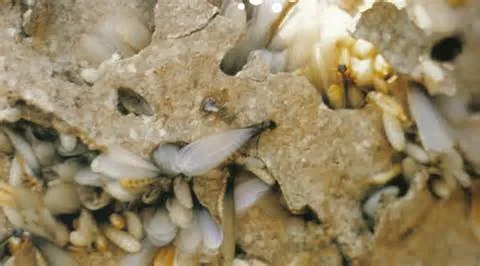
A termite swarm is a colony pushing out winged reproductives to start new nests, and it happens once a year on the first warm, still afternoons after a rain. The swarmers barely fly before dropping to pair off, so where they land is decided by whatever damp, warm ground sits closest. On the resort strip, that ground is beach sand a few inches under the slab, which is why swarm season shows up early here and comes back to the same blocks year after year.
The lots stacked behind the Virginia Beach Oceanfront and the higher ground up around Hilltop sit on old dune and beach fill that drains at the surface but holds heat and moisture below. That buried warmth wakes a colony ahead of the heavier clay soils inland, so the reproductives grow wings, catch a light sea breeze, and touch down on the next warm lot over before neighborhoods a few miles west have seen a single wing.
Where the Strip Swarms First
Not every block behind the beach swarms on the same schedule, and the ground water is the reason. The commercial and residential blocks ringing Rudee Inlet sit where the tide pushes the water table up under the fill, so the crawl spaces there hold humidity like a sponge and hand a swarmer a soft, wet place to burrow in and found a nest. The same thing happens on the low lots that drop off Shore Drive toward the water, where a heavy rain leaves the crawl dirt saturated for days.
Over at Chic's Beach, the small post-war cottages sit on short block piers barely above grade, which puts the sill plate right at the line where damp sand meets open air — a straight shot for a colony coming up out of the ground. Along the tidal edge of Linkhorn Bay, the brackish-influenced soil holds its warmth deep into the fall, so the swarm window on those lots runs weeks longer than it does on the drier ground closer to the interstate.
What a Swarm on the Sand Actually Looks Like
On the first warm morning after a wet stretch, sun hits a window and a cloud of winged insects piles against the glass, followed by a scatter of silvery, shed wings on the sill. That wing pile is the tell. On the sand lots behind the strip the swarmers rarely come out of the yard — they come up through crawl-space vents and follow plumbing penetrations under the floor, so the first thing most owners notice is indoors at the window, not out in the grass.
| What you see | What it means | What fixes it |
|---|---|---|
| Silvery shed wings piled on an interior windowsill | A mature colony under the slab or crawl just released reproductives | Book an inspection before the pairs settle into the sill wood |
| Crawl-space dirt stays wet for days after rain off Shore Drive | A tidal water table is keeping the ground saturated and colony-friendly | Dry the crawl and treat the soil, not just the visible swarmers |
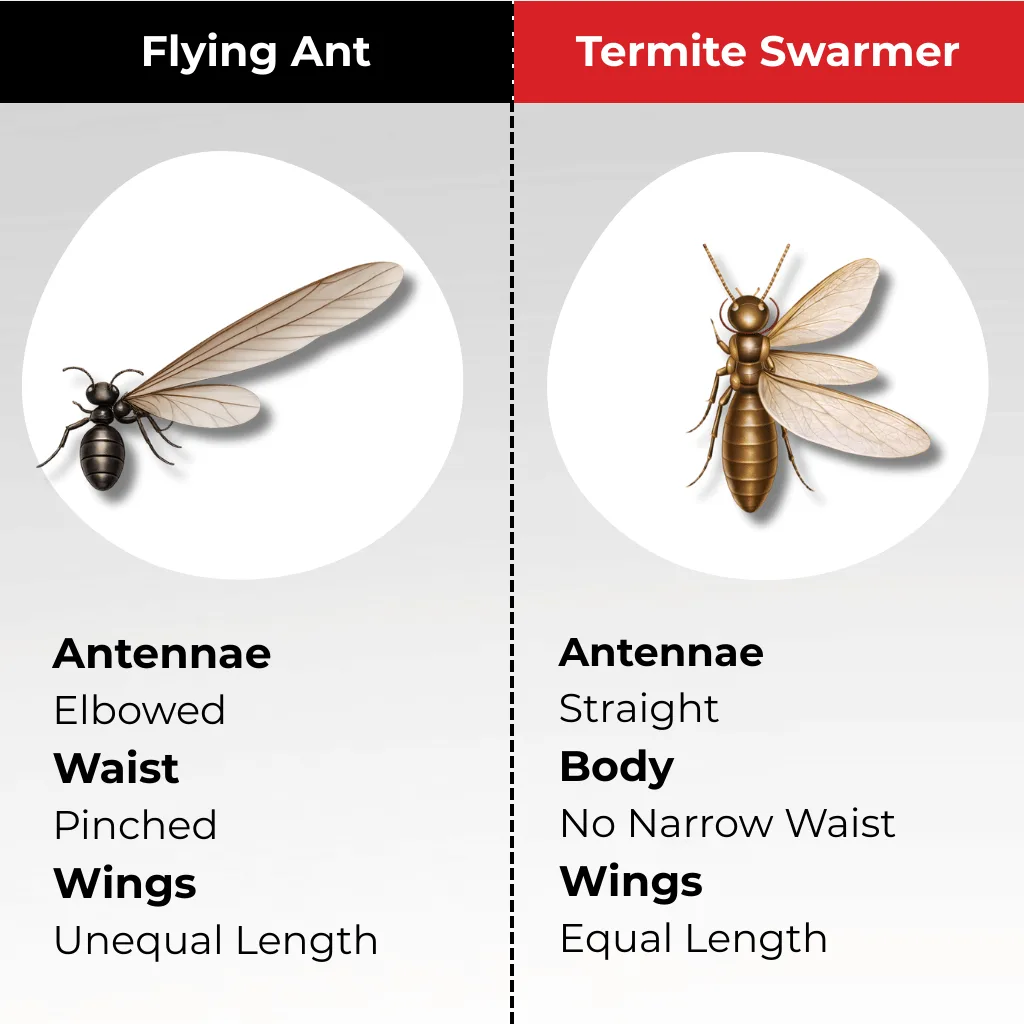
| Winged insects clouding a sunny window on the first warm day | Swarm flight timed to the resort strip's early-warming sand | Positive ID first — wing shape and waist tell termite from ant |
| Mud tubes climbing a block pier under a Chic's Beach cottage | Workers are traveling wood-to-soil under a low, damp floor | Barrier or bait treatment aimed at the colony below grade |
Why the Fix Runs Deeper Than the Bugs
On these lots the pest problem and the crawl space are the same problem. When the water table off Shore Drive keeps the ground wet, insulation soaks up the damp and ducts sweat, and that standing humidity is exactly what a subterranean colony needs to keep working through the floor. David Shafer, our Lead Inspector, has spent 15-plus years under Hampton Roads homes reading that connection — the wet crawl, the soft sill, the mud tube on the pier — which is why service here treats the termites and dries the space in the same pass instead of chasing swarmers one window at a time.
Termite Information Top FAQ
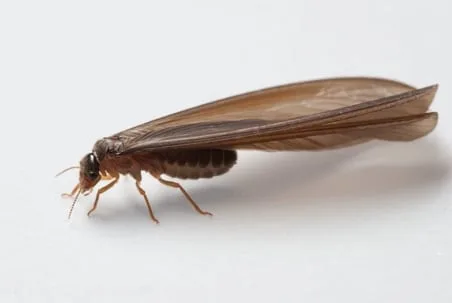
Q: How do I tell if it’s a flying ant or a termite? A: Look at the waist and wings. Termites have a thick, cigar-shaped waist and four wings that are all the same length. Ants have a pinched “wasp” waist and wings of different lengths. If you see discarded, silvery wings on your windowsill, that is a sure sign of termites.
Q: Why do the lots behind the Oceanfront and up toward Hilltop swarm before the rest of the city? A: The dune and beach fill under the resort strip warms and drains fast on top but holds heat and moisture below. Colonies there reach swarming temperature days ahead of the heavier soils inland, so it is usually the first place we find wings on the sill.
Q: Does my homeowners insurance cover termite damage? A: No. In Virginia, insurers treat termite damage as preventable maintenance and expect you to carry a termite bond or keep up regular inspections. A standing inspection schedule is the practical protection.
Q: Can I just spray the ones I see with a can from the store? A: You can knock down the swarmers at the window, but you never touch the colony. For every winged termite in the glass, thousands of workers are still under the floor, and near Linkhorn Bay the warm, damp soil keeps them fed long after the flight ends.
Q: Why is a crawl space near the water such a big risk here? A: On the low lots off Shore Drive and around Rudee Inlet the tidal water table sits right under the sand, so the crawl stays wet and warm year-round. Wet insulation and leaky ducts turn that damp crawl into a highway for termites, which is why treatment, drying, and insulation repair belong in one plan.
Once they land, the survivors pair off and try to found a new nest under the nearest warm, damp lot. A colony usually swarms just once a season, and any later flights that year tend to be smaller than the first. Our Universal Pest & Termite technicians can help with questions about swarming termites in Virginia Beach, Chesapeake, Norfolk, Portsmouth, Williamsburg, and surrounding areas. Call today (757) 502-0200.
Flying Ants or Swarming Termites? How to Read a Swarm on the Sand
When the sun hits your windows after a heavy rain near the strip, you might see a cloud of winged insects piling against the glass. Most homeowners breathe a sigh of relief and call them flying ants. That guess is how a small colony under the sand becomes a structural problem before anyone opens the crawl-space hatch.
For a recent Peninsula example, read our Newport News termite swarm alert, which explains why warm spells and rain can shift swarm timing.
Because Universal Pest runs alongside Universal Insulation Doctor and Universal Duct Cleaning, the wet crawl spaces behind the Oceanfront get read as one problem — pests, insulation, and ducts together. On the sand lots the fix is rarely just the bugs.
Signs of a Termite Infestation:
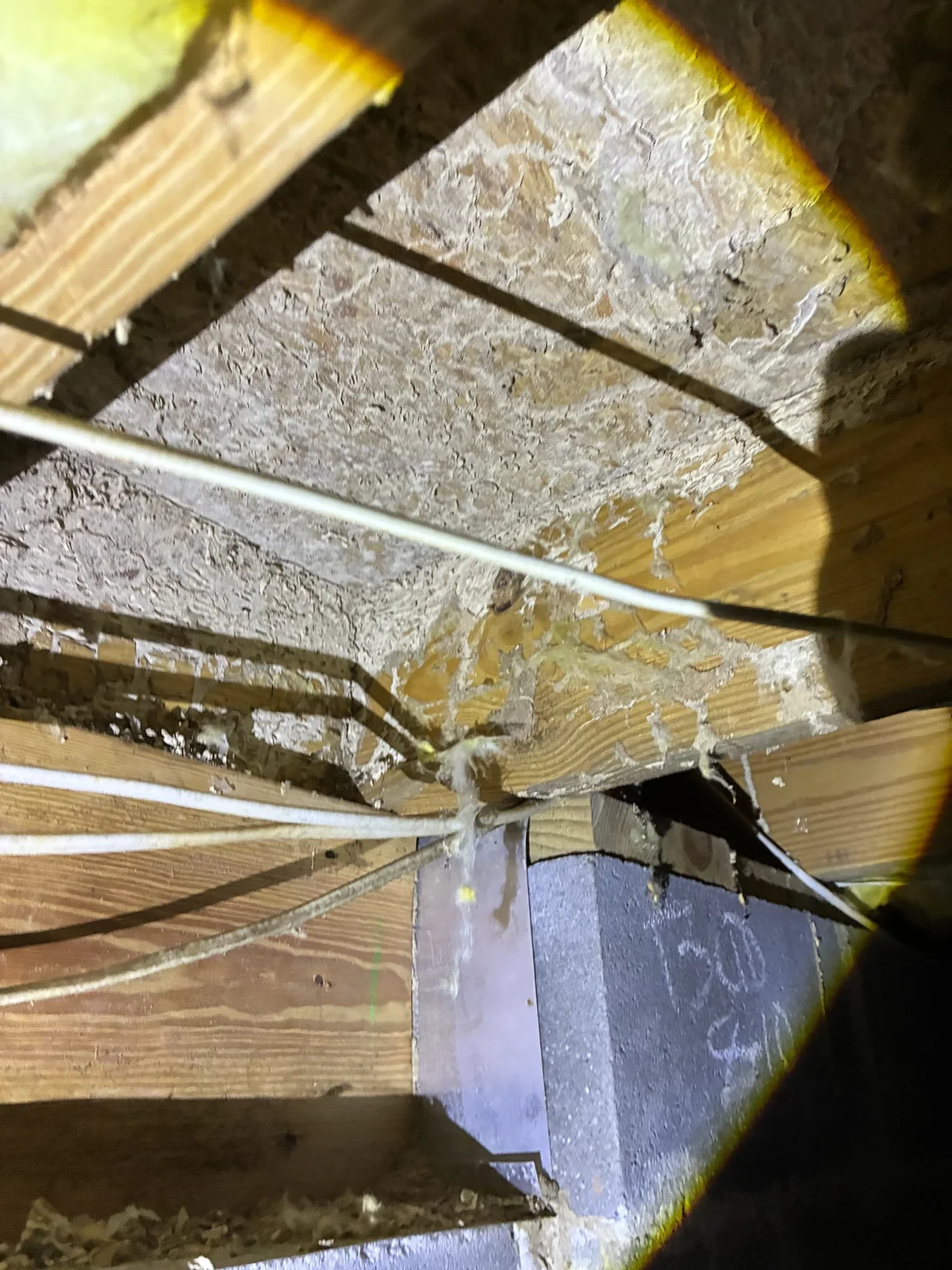
Damaged wood. Some termites leave visible blistering and holes, but a lot of the damage hides below the surface. Infested wood turns soft, pierces easily, and sounds hollow when tapped — watch the sill plates on the low-pier cottages around Chic’s Beach.
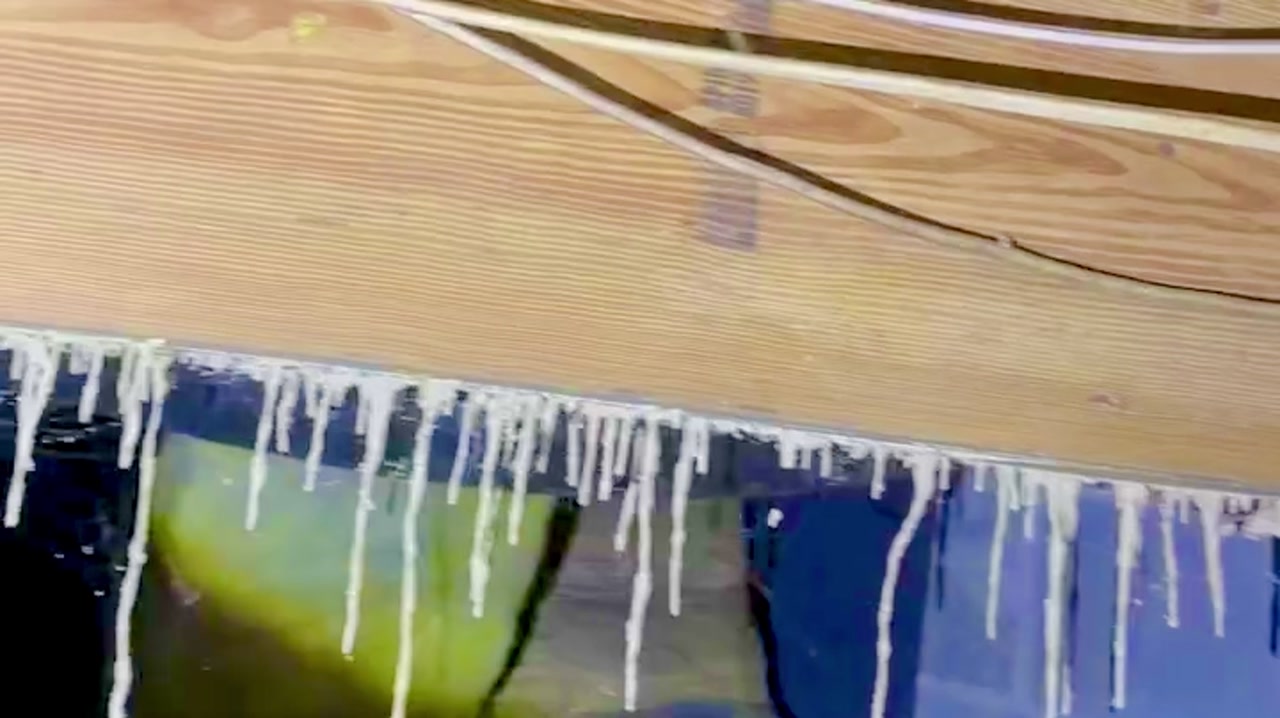
Shelter tubes. Termites build these mud tubes out of dirt, wood particles, and saliva so they can move without drying out. On the sand lots off Shore Drive you’ll find them climbing interior piers and foundation walls inside the crawl space.
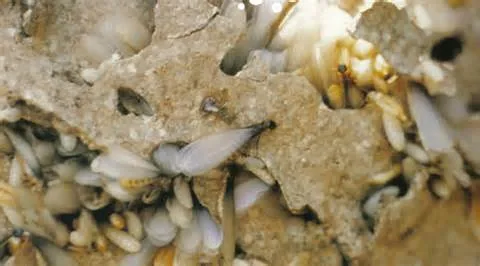
Flying swarmers. These are the reproductives out looking for new nesting sites. You’ll see them emerging from soil and wood, and you October find their shed wings on the floor or around windows and doors. Schedule a Termite Inspection.