A Homeowner’s Guide to termite identification for Great Bridge, Deep Creek, and Western Branch
Termites are a year-round threat to homes throughout Chesapeake, but certain areas like Great Bridge, Deep Creek, and Western Branch face higher risk due to moisture, wooded surroundings, and soil conditions that attract subterranean termites. Because termite damage often happens out of sight, knowing how to identify early warning signs can help homeowners prevent costly structural repairs.
Here’s what Chesapeake homeowners should look for when identifying termite activity.
The Most Common Termites in Chesapeake
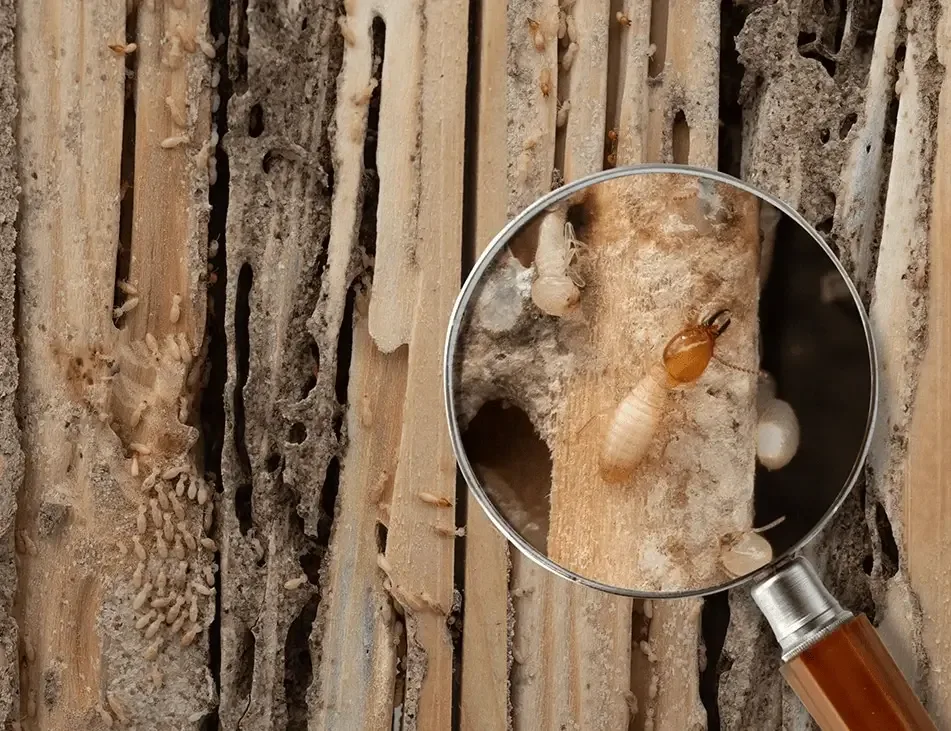
The primary species found in Chesapeake is the subterranean termite. These termites live underground in large colonies and build mud tunnels to travel between the soil and your home’s wood structure.
Subterranean termites are especially active in areas with:
- High moisture levels
- Crawl space construction
- Nearby wooded lots or water sources
Neighborhoods in Deep Creek and Western Branch, with their mix of wooded properties and nearby waterways, provide ideal conditions for these colonies to thrive.
Sign #1: Mud Tubes
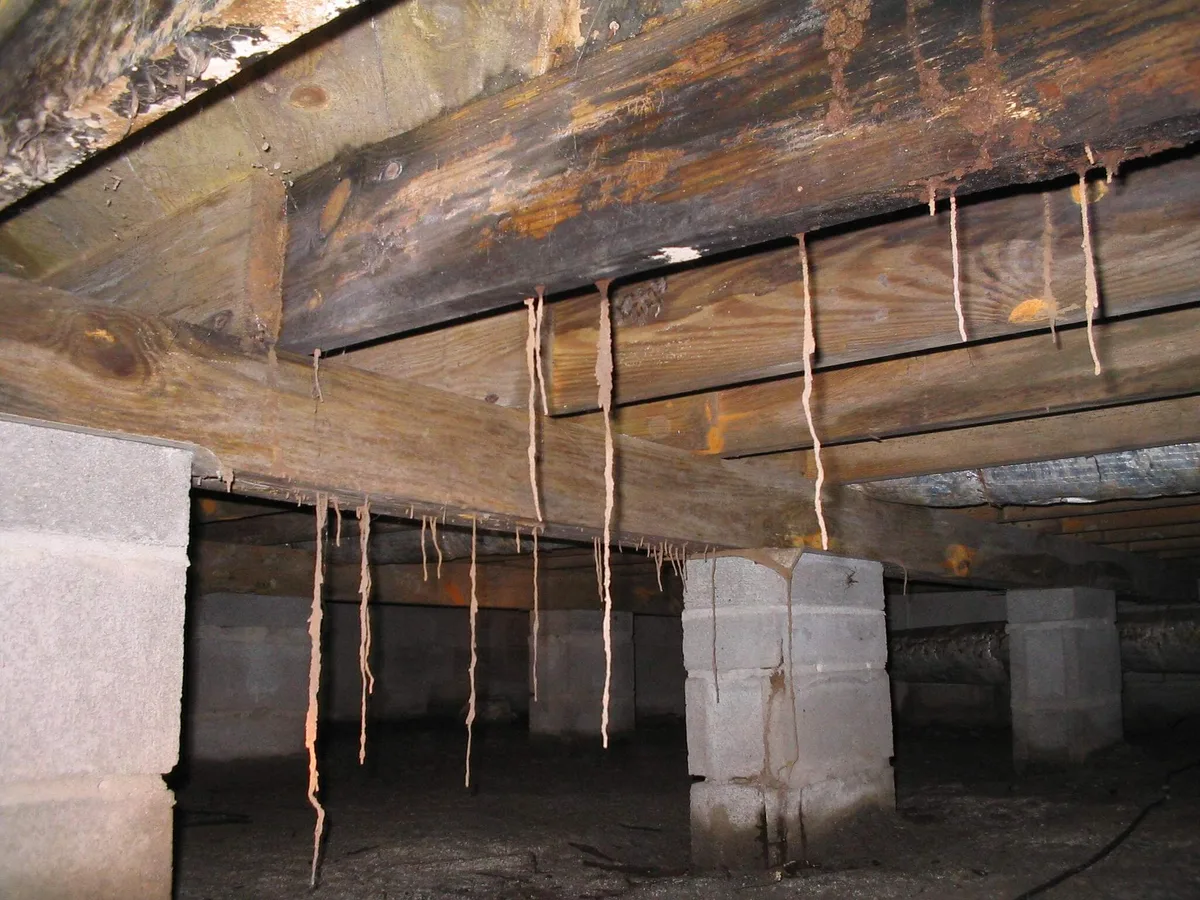
One of the most common signs of termite activity is the presence of mud tubes. These pencil-sized tunnels are built along:
- Crawl space walls
- Foundation blocks
- Support piers
- Exterior brick or siding
Mud tubes allow termites to stay moist while traveling from the soil into your home. In crawl space homes throughout Great Bridge, these tubes are often found along support beams and foundation walls.
Sign #2: Swarming Termites
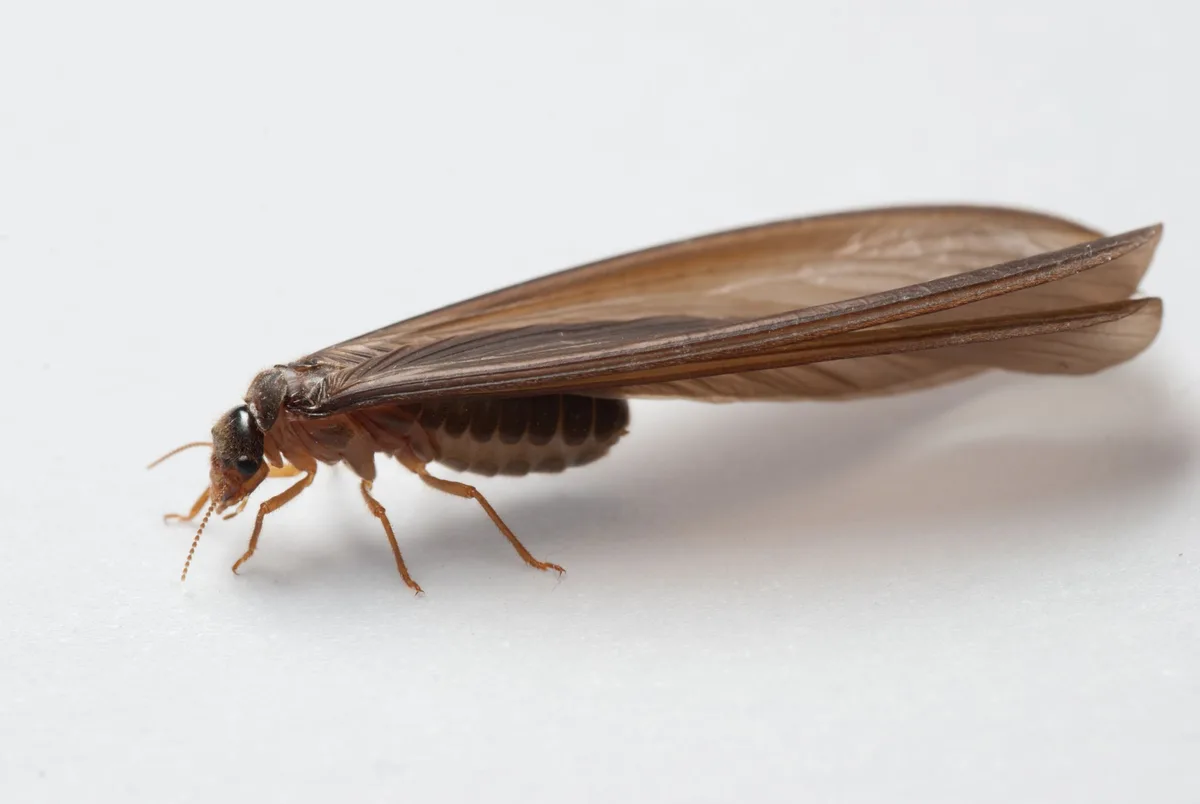
In the summer, homeowners in Chesapeake may notice swarms of winged termites, especially around windows, doors, or exterior lights. These swarmers are reproductive termites looking for a new place to start a colony.
Signs of swarming include:
- Flying insects indoors
- Piles of discarded wings near windows or baseboards
Homes near water or wooded areas in Deep Creek and Western Branch often see swarm activity earlier due to warmer ground temperatures.
Sign #3: Damaged or Soft Wood
Termites eat wood from the inside out, which makes damage difficult to detect. Watch for:
- Wood that sounds hollow when tapped
- Soft or blistering baseboards or trim
- Sagging floors or door frames
- Bubbling or peeling paint that resembles water damage
In older homes throughout Great Bridge, termite damage is sometimes discovered during renovations or crawl space inspections.
Sign #4: Moisture in the Crawl Space
Subterranean termites are attracted to moisture. Homes in Chesapeake with:
- Poor crawl space ventilation
- Standing water
- High humidity
- Wood-to-soil contact
are at increased risk. This is especially common in low-lying areas of Deep Creek and along waterways in Western Branch.
Why Early Identification Matters
A subterranean termite colony can contain hundreds of thousands of termites and feed continuously. By the time visible damage appears, repair costs can reach several thousand dollars. Early identification through a professional inspection is the best way to stop damage before it spreads.
Local Termite Protection for Chesapeake Homes
Universal Pest & Termite is a family-owned company serving Chesapeake and the entire Hampton Roads area for over 25 years. Our team understands the conditions affecting homes in Great Bridge, Deep Creek, Western Branch, and surrounding communities.
We provide:
- Professional termite inspections
- Liquid termite treatments
- Sentricon® Always Active Baiting Systems
- Real estate termite and moisture inspections
Protect Your Chesapeake Home
If you’ve seen mud tubes, swarmers, or signs of wood damage—or if it’s been more than a year since your last inspection—now is the time to schedule a professional termite evaluation.
In high-risk areas like Great Bridge, Deep Creek, and Western Branch, regular termite inspections are one of the best ways to protect your home and avoid costly repairs.