Termites are one of the most destructive pests affecting homes across Virginia Beach. The coastal climate in southeastern Virginia creates ideal conditions for subterranean termites, which thrive in moist soil and often invade homes without immediate warning. Many homeowners do not notice a termite infestation until visible wood damage appears.
A thorough termite inspection helps identify signs of termite activity before serious structural damage occurs. In many real estate transactions, lenders require a termite inspection as part of a home inspection before approving a loan. Even if you are not buying a new home, regular inspections remain one of the most effective ways to detect termite issues early.
This termite inspection checklist outlines the same general areas pest management professionals examine during an inspection. A quick DIY review can help homeowners spot red flags, but a professional termite inspection is still the best way to confirm termite activity and plan termite control.
Key Takeaways
- A termite inspection checklist helps homeowners spot early warning signs before an infestation grows.
- Exterior moisture issues, landscaping materials, and wood-to-soil contact often attract subterranean termites.
- Crawl spaces, basements, and interior trim commonly reveal early signs of termite damage.
- Professional termite inspection and termite control protect your home’s structural integrity.
Termite Inspection Checklist for Homeowners
A termite inspection checklist helps homeowners understand where termites commonly appear and what warning signs to look for. While this process does not replace a professional termite inspection, it can reveal early signs of infestation that require further evaluation.
Termites feed on cellulose found in wooden structures and other plant-based materials. Because of this, pest control professionals focus on areas where wood, soil, and moisture meet. These locations often provide termites with easy entry points and steady food sources.
Check Visible Wooden Structures
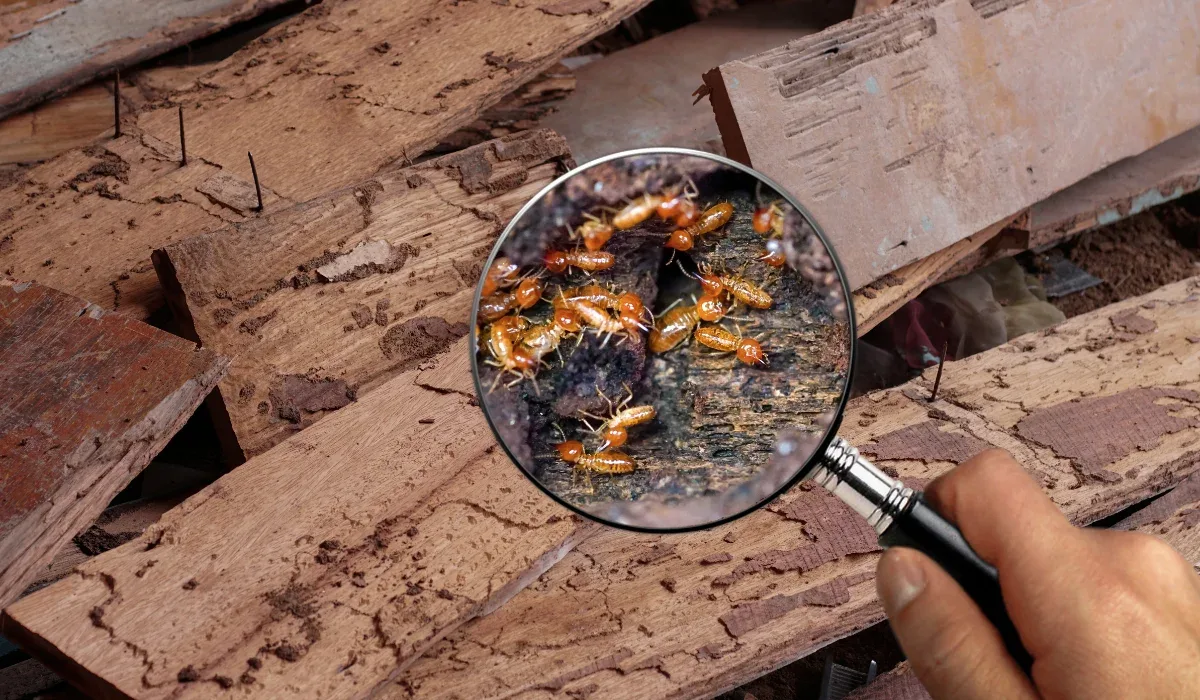
Start by inspecting wooden structures around the home. Deck posts, porch supports, fences, and stored lumber should all be examined for termite damage. Look for damaged wood, hollow-sounding wood, or sections that crumble easily when pressed with a screwdriver.
Termites often leave subtle signs of infestation before major damage appears. Small tunnels within wood or uneven surfaces may indicate termite activity. Wooden furniture stored in garages or basements can also attract termites if moisture levels are high.
Look for Signs of Termite Activity
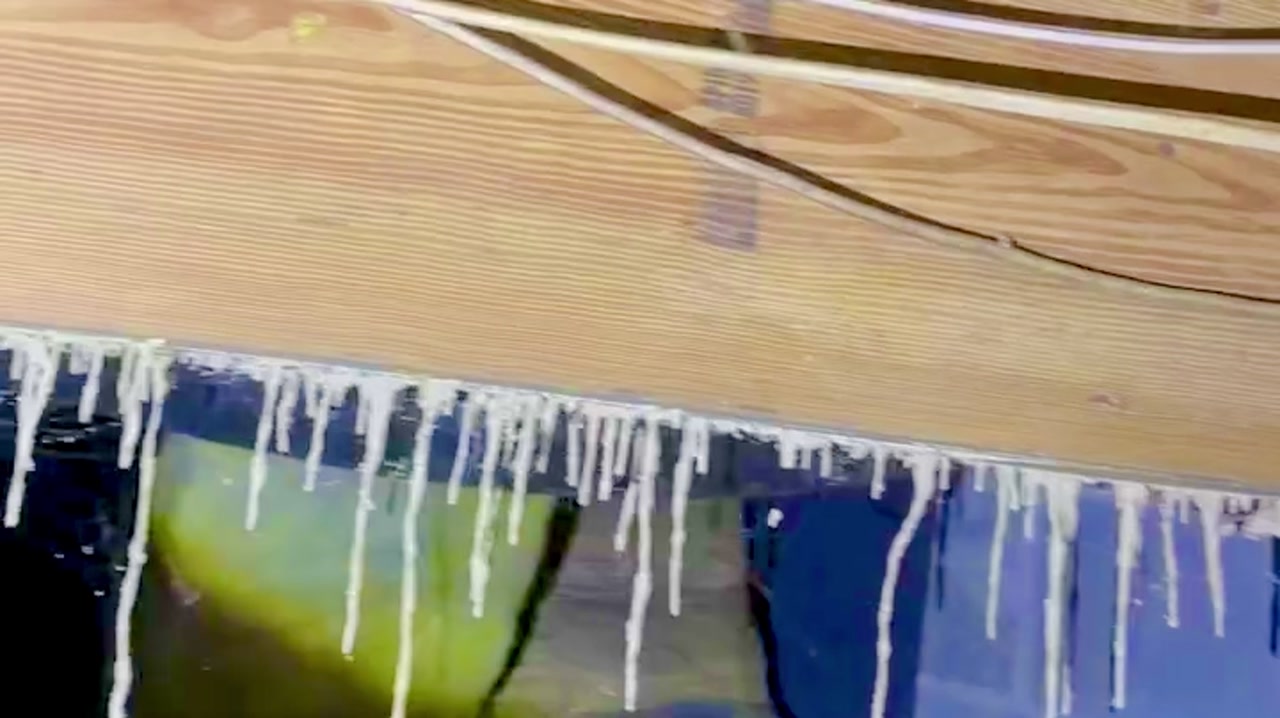
Homeowners should learn to recognize common signs of termite activity. Mud tubes along foundation walls are one of the most obvious indicators of subterranean termites traveling between soil and food sources.
Other warning signs include termite droppings, known as frass, and small piles of sawdust near infested wood. These materials sometimes appear near drywood termite activity. If you notice these signs of termite damage, it is best to contact a pest control company quickly.
Watch for Moisture Issues
Moisture issues often contribute to termite infestation. Termites require moisture to survive, so water leaks, standing water, and poor drainage increase the likelihood of termite problems.
Check for water leaks around outdoor faucets, irrigation systems, and air conditioning units. High moisture levels around the home can encourage termite activity and weaken wooden structures over time.
Checklist: Exterior Entry Points and Moisture Areas
A professional termite inspection always begins outside the home. Exterior conditions often reveal how termites gain access to the structure and which factors may support termite activity.
Termite control strategies often focus on correcting these exterior conditions before an infestation spreads further.
Foundation Entry Points
Inspect the foundation carefully for potential entry points. Cracks in concrete, gaps around plumbing lines, and small openings near vents allow termites to reach the interior structure.
Mud tubes running along foundation walls are one of the strongest signs of termite activity. These tubes protect subterranean termites as they travel between soil and wooden structures.
Landscaping and Mulch Areas
Landscaping materials can create food sources for termites. Mulch placed directly against siding traps moisture and provides easy access for termites searching for cellulose.
Tree stumps, wooden landscape borders, and stacked firewood should also be inspected. These items may attract termites and allow a termite infestation to grow before reaching the home itself.
Gutters, Drainage, and Standing Water
Drainage problems frequently contribute to termite issues in Virginia Beach homes. Clogged gutters, broken downspouts, or poor yard grading can allow water to collect near the foundation.
Standing water increases soil moisture, which attracts termites. Keeping gutters clean and directing water away from the home helps reduce termite activity and supports termite prevention.
Checklist: Interior and Crawl Space/Basement Checks
Once exterior areas are reviewed, inspectors move indoors to evaluate hidden areas where termite damage often develops.
Crawl spaces and basements are especially important because they contain structural supports and often have higher humidity.
Crawl Spaces and Support Beams
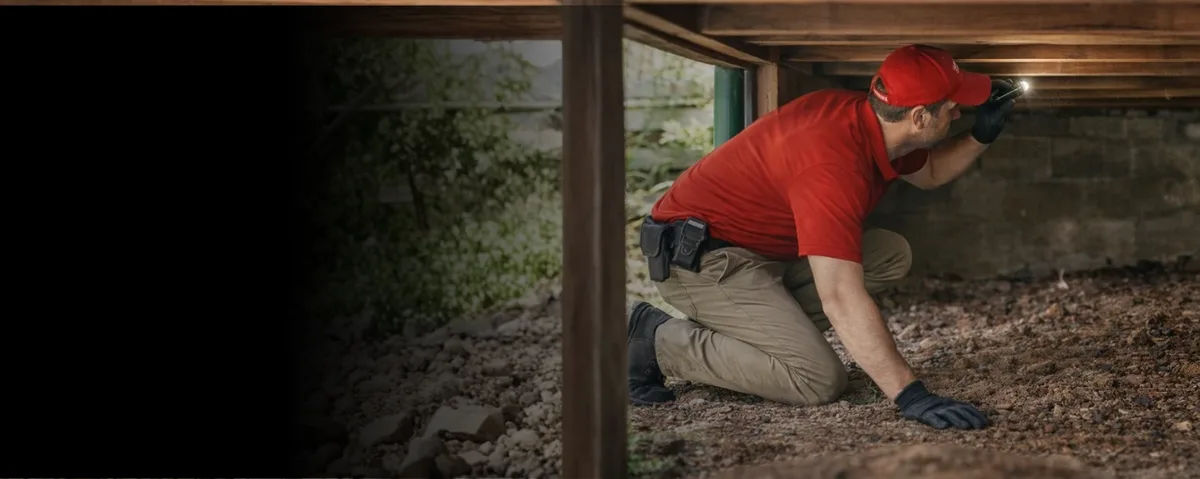
Crawl spaces are among the most common places for termite infestations in Virginia homes. Limited ventilation and high moisture levels create favorable conditions for subterranean termites.
Inspectors examine support beams, floor joists, and subfloor materials for damaged wood or mud tubes. Crawl spaces may also contain other pests if moisture levels remain high.
Basements and Utility Rooms
Basements often contain exposed wooden structures and plumbing systems. Inspectors check beams, wall studs, and storage areas for signs of termite damage.
Water leaks or condensation can raise moisture levels in basements. These conditions attract termites and may weaken the building’s structural integrity over time.
Interior Trim and Wooden Fixtures
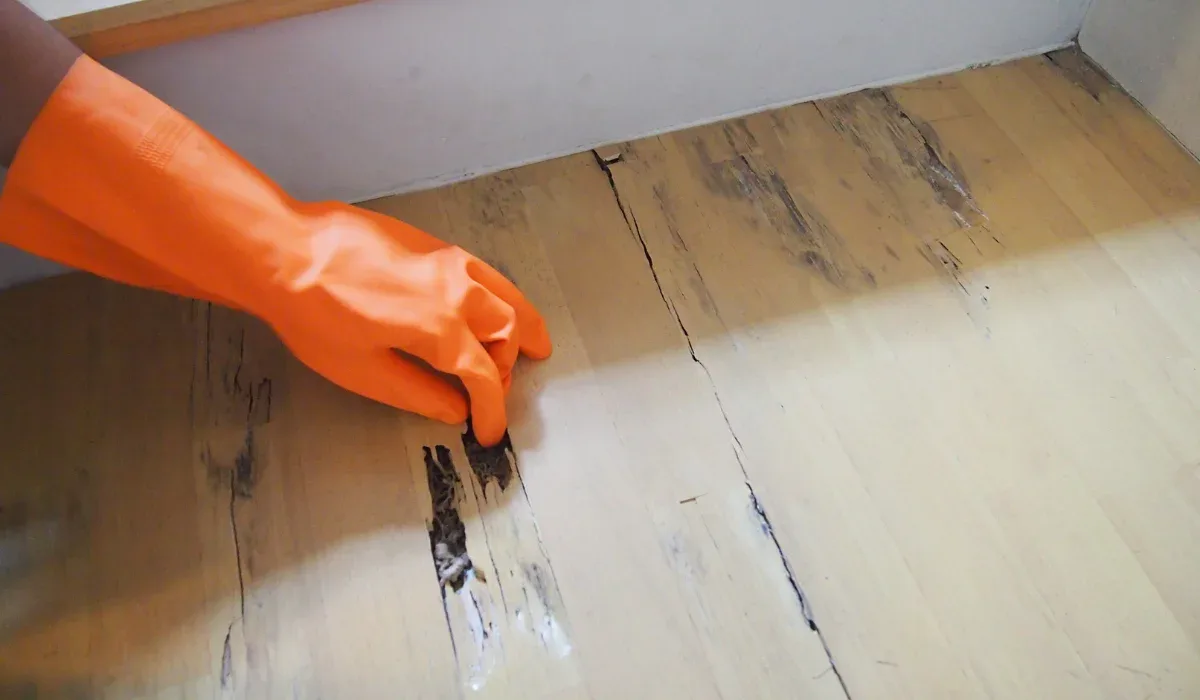
Inside the living space, inspectors examine baseboards, door frames, and windowsills. These areas sometimes reveal early signs of termite damage because termites feed from inside the wood outward.
Hollow-sounding wood or blistering surfaces may indicate hidden termite activity. In some cases, homeowners may also find termite droppings or frass accumulating near infested areas.
Checklist: Notes, Photos, and Questions for the Inspector
Keeping records during a termite inspection helps homeowners and inspectors evaluate potential termite problems more accurately.
Clear documentation also supports better pest management decisions and future termite prevention strategies.
Take Photos of Suspicious Areas
Photos provide valuable evidence of termite damage or possible infestation areas. Images of mud tubes, damaged wood, or moisture issues help inspectors understand the severity of the situation.
These images also create a record that allows homeowners to monitor changes over time.
Record Problem Locations
Homeowners should keep notes about locations where signs of termite activity appear. Write down areas with damaged wood, high moisture levels, or visible entry points.
This information helps pest control professionals conduct a more efficient termite identification and identify potential termite problems faster.
Prepare Questions for the Inspector
Preparing questions before the inspection helps homeowners better understand their options. Ask about termite treatment, termite prevention strategies, and available warranty plans.
A pest control company can explain how preventive measures and regular inspections reduce the risk of future infestation.
Schedule a Termite Inspection in Virginia Beach
Termite issues are common in Virginia Beach because the region’s climate supports year-round termite activity. Homes with crawl spaces, moisture issues, or aging wooden structures face an even greater risk of infestation.
Following a termite inspection checklist can help homeowners recognize signs of termite damage early. However, only a professional termite inspection can fully evaluate hidden areas and determine the best termite control strategy.
Universal Pest & Termite provides professional termite inspection services for homeowners and businesses throughout Virginia Beach. Our experienced team identifies termite activity, recommends effective termite treatment, and provides ongoing pest management solutions.
If you suspect termite issues or want to schedule regular inspections, contact us today to schedule your termite inspection and protect your property from costly termite damage.