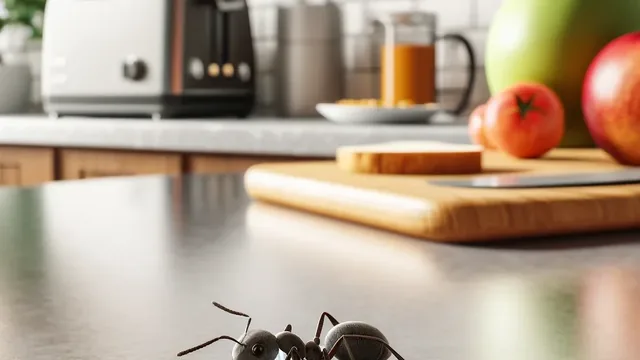
If you live in Western Branch, you’ve probably noticed that the transition into summer brings more than just humidity—it brings ants. Suddenly, your kitchen counters look like a major highway.
Whether you are in 23321 near the high school or tucked away in 23435, our unique coastal Virginia climate creates the perfect storm for severe ant infestations.
But before you run to the home improvement store to grab a can of broadcast bug spray, you need to understand how these pests function. Taking a DIY approach often triggers a biological survival mechanism that multiplies your problem overnight.
The Usual Suspects: Ants of Western Branch
Not all ants are created equal, and a one-size-fits-all treatment doesn’t work. The most common invaders in the Hampton Roads area include:
- Odorous House Ants: Small, dark brown or black, and famous for the rotten coconut smell they release when crushed. They love sweets and travel in massive, fast-moving trails.
- Carpenter Ants: Large, completely black ants that don’t actually eat wood, but excavate it to build nests. They target moisture-damaged areas like crawl spaces, roofs, and windowsills, causing serious structural damage.
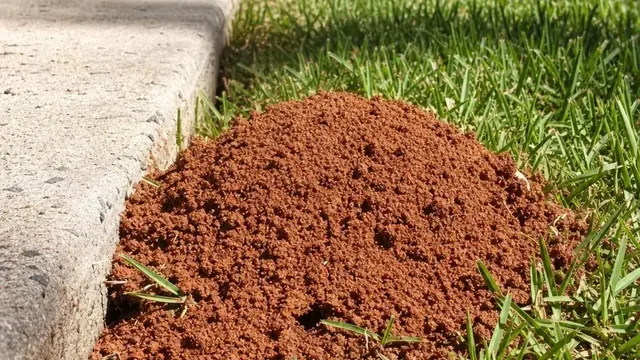
- Pavement Ants: These small pests build those tiny dirt mounds along driveways, sidewalks, and foundations, entering your home through the lowest entry points in search of grease and protein.
- Red Imported Fire Ants: Aggressive yard invaders that build large mounds in sunny spots. Their painful, blistering stings pose a real threat to kids and pets.
The Danger of DIY: Colony Splitting (Budding)
The absolute biggest mistake homeowners make is grabbing a standard retail aerosol spray and dousing the ants they see on the counter.
While it feels satisfying to watch those specific ants drop, you are actually signing up for a much bigger headache. This is due to a biological phenomenon known as budding (or colony splitting).
What is Budding? Multi-queen ant species—especially Odorous House Ants—are highly sensitive to chemical threats. When you spray a harsh, repellent insecticide on a foraging trail, you cut those ants off from the main nest. The remaining queens inside the walls sense the chemical attack and go into panic mode.
Instead of dying, the colony fractures. One massive colony will instantly split into three, four, or five smaller “satellite” colonies, each with its own queen, spreading deeper into your walls, bathrooms, and bedrooms.
[Store-Bought Spray Applied]
            │
            ▼
[Colony Senses Chemical Threat]
            │
            ▼
[Queens & Workers Scatter Indoors] ──► (New Colony 1: Kitchen Wall)
                                  ──► (New Colony 2: Master Bath)
                                  ──► (New Colony 3: Crawl Space)
By trying to wipe out fifty ants on your counter with a cheap spray, you accidentally incentivize thousands of ants to colonize your entire home.
How to Handle an Influx Safely
To completely eliminate an ant problem, you have to outsmart their biology.
- Stop Spraying: Put down the retail aerosols.
- Keep it Clean: Wipe down surfaces with vinegar and water to temporarily disrupt their scent trails without triggering a budding response.
- Address Moisture: Ants are drawn to water. Fix leaky pipes under the sink and ensure your crawl space remains dry.
- Use Non-Repellent Transfer Technology: True colony elimination requires slow-acting, non-repellent baits and materials. Foraging ants cross the invisible barrier, pick up the treatment, carry it deep into the heart of the nest, and feed it directly to the queens. The entire network collapses from the inside out before they even realize what hit them.
If your Western Branch home is currently facing an ant invasion, don’t wage a chemical war you are biologically wired to lose. Leave it to a professional who can identify the exact species and deploy a targeted system to knock out the source permanently.