Ants on a second-floor windowsill after heavy rain rarely came down from the roof. In Colonial Place, a shallow water table floods the soil colonies live in, and they climb the structure to escape it, arriving upstairs from below.
How does a high water table push ants into upper living areas?
Soil-nesting ants build below ground, and when the water table rises after rain, the lower galleries flood. The colony evacuates upward through any dry route it can find — usually the foundation, then the wall cavity — and emerges wherever that cavity opens indoors, which can be a first-floor baseboard or a second-floor window frame.
See ant control options in Norfolk
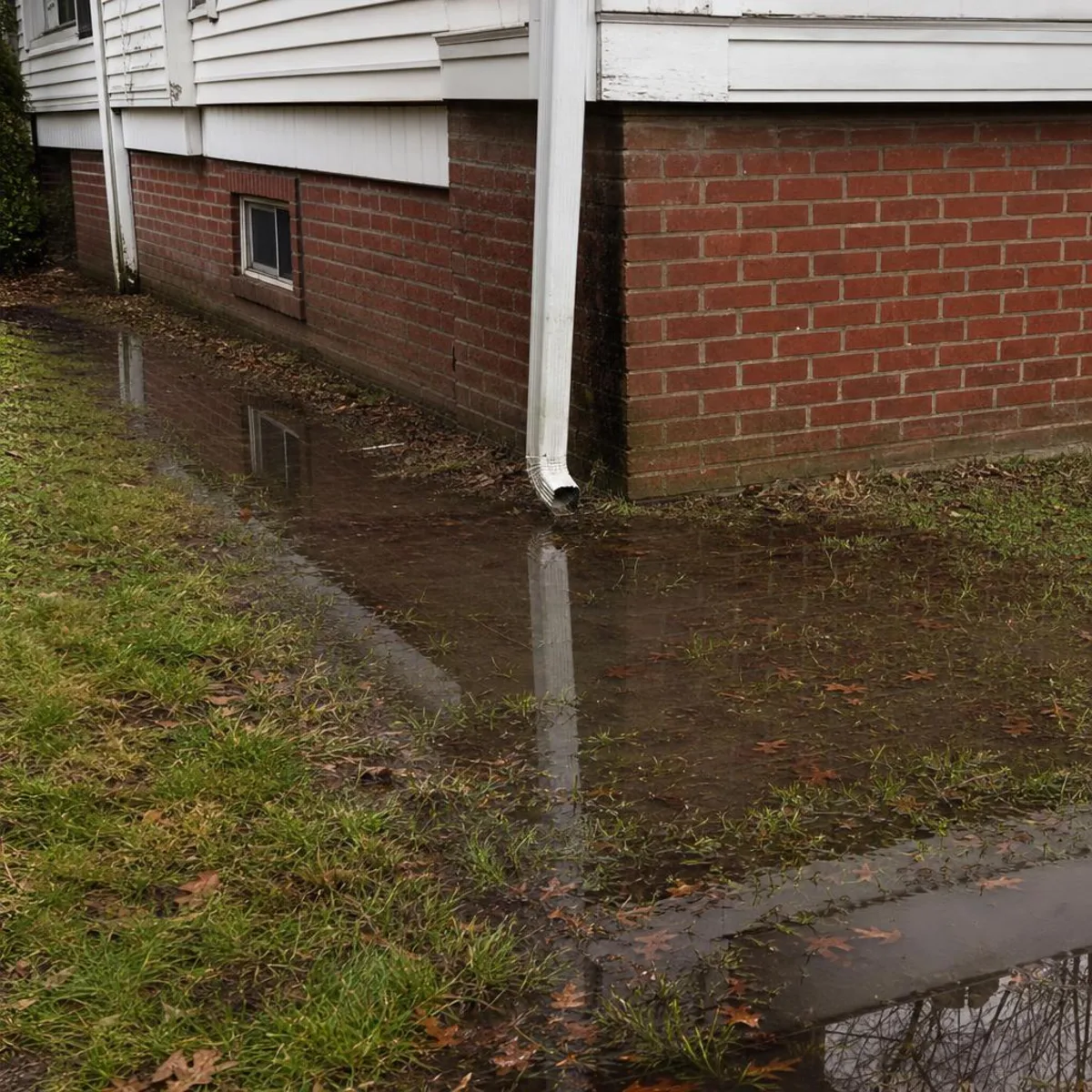
The riverside blocks of Colonial Place sit low and close to the tidal water of the Lafayette. Groundwater that would stay well below the footings in a higher, sandier neighborhood is only inches down here after a wet spell. When it surges, the colony relocates the vulnerable parts — brood and queen — to the highest dry pocket it can reach, and that pocket is often a wall cavity inside the house: dry, warm and undisturbed while the soil is saturated. It is why the sightings jump right after rain rather than during dry stretches.
Why do the ants show up upstairs instead of at the kitchen floor?
Ants follow the driest vertical path, and in older Colonial Place homes that path runs up the wall cavity to wherever it opens — often a second-floor window sill or the gap around an upstairs pipe. They are not foraging for food when they surface there; they are a displaced colony that has climbed as high as the flooding forced it.
Get a free quote in Colonial Place
This trips people up because it inverts the usual assumption that ants come in low and work upward toward a food source. Here the colony enters from below and pushes up, so the first place you notice them is where the cavity happens to have a gap — an upstairs window, a bathroom penetration, a light fixture in a top-floor ceiling.
Knowing that changes where treatment goes. Spraying the kitchen counter does nothing to a colony living in a second-floor stud bay. You can compare what we see across the city on our Norfolk pest control pages, and the specifics of this neighborhood on the Colonial Place page.
Which ants behave this way in Colonial Place?
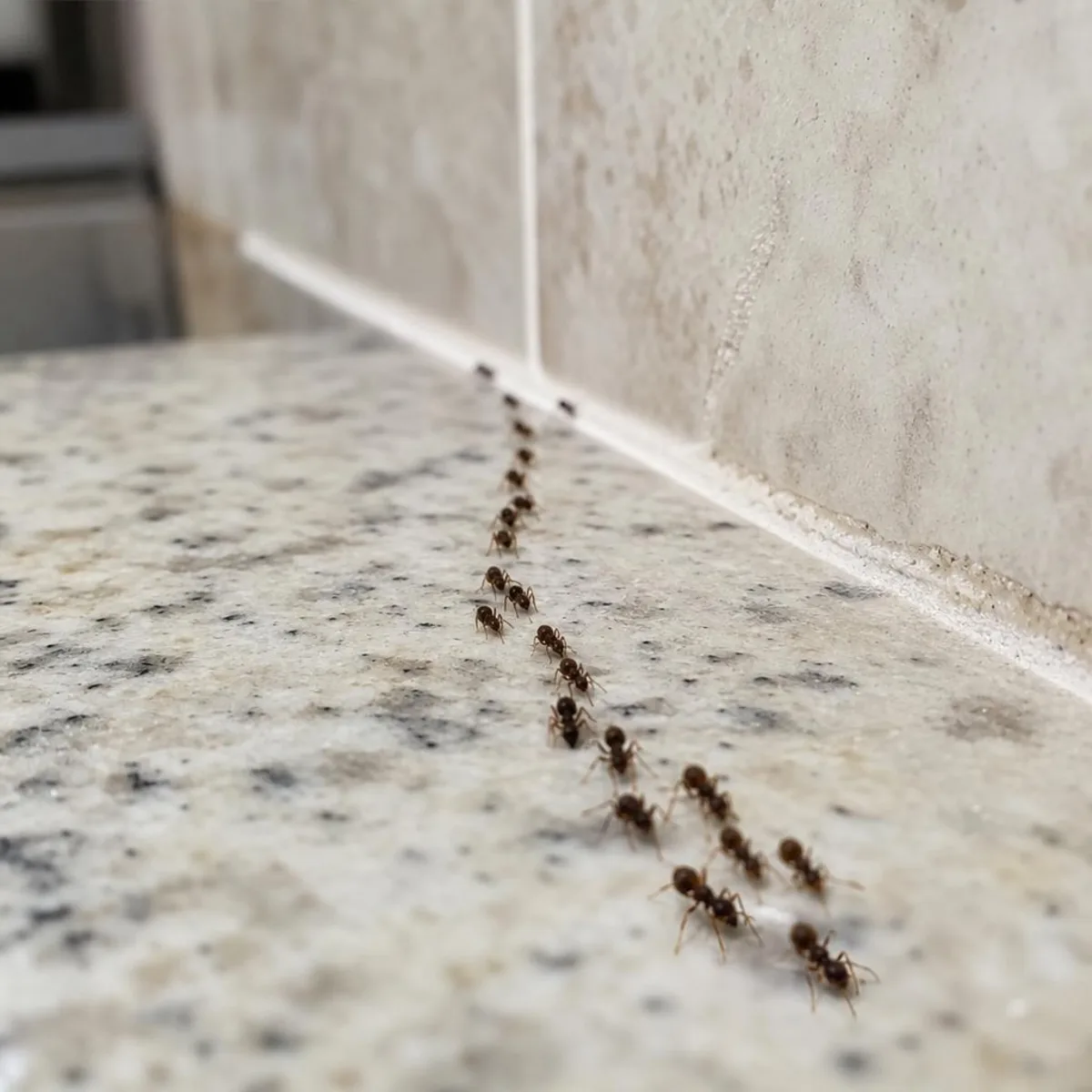
Odorous house ants — the small dark "sugar ants" — are the usual climbers, relocating whole trails upward after rain. Carpenter ants matter here too: they excavate damp wood rather than eat it, and a flood-prone wall cavity gives them the moisture they need. Neither is drawn upstairs by food; both are chasing dry, stable shelter.
See ant control options in Norfolk
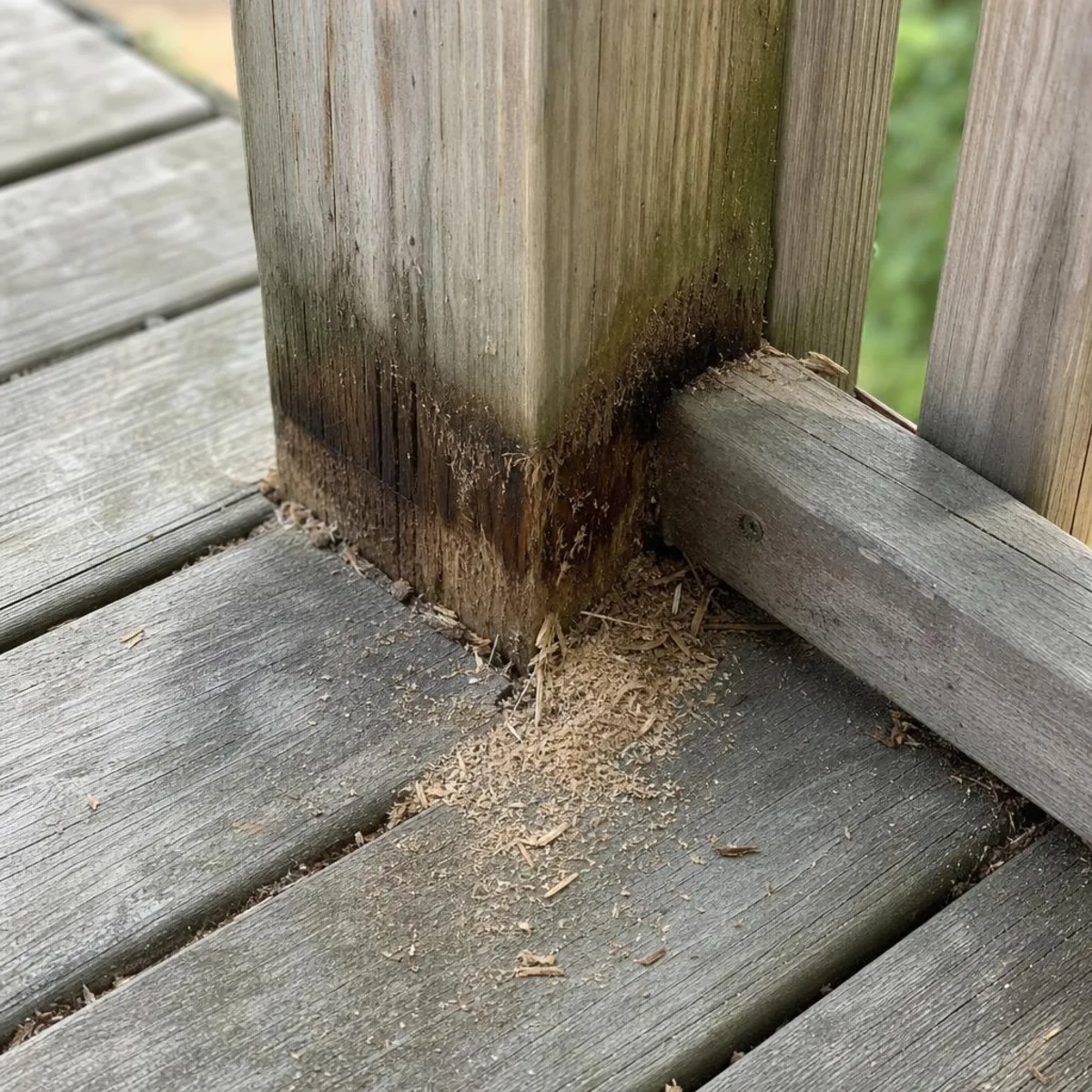
Odorous house ants give off a faint coconut-and-rot smell when crushed and move in obvious trails that reappear in the same spot each wet spell. Carpenter ants are larger and quieter; the tell is coarse sawdust-like frass below a window or ceiling corner where the cavity wood has stayed damp. Because both are reacting to water rather than crumbs, the treatment that lasts reaches the nest and addresses the moisture. Our ant control service finds the harborage first, and the pest library has photos if you want to confirm which one you have.
What does groundwater-driven ant control actually change about the treatment?
It moves the work off the countertop and onto the structure. Technicians trace the trail down to where the colony enters, treat the wall cavity and foundation route rather than the interior surface, and address the moisture pulling ants in — often a damp crawl space over the high water table. Fixing the water problem is what stops the annual return.
Get a free quote in Colonial Place
In practice that means inspecting the crawl space under these low-lying homes, because a dirt crawl space above a shallow water table stays humid year-round and keeps the wall cavities damp above it. Managing that moisture removes the condition the colony exploits. Our crawl space inspection is usually where a persistent Colonial Place ant problem gets diagnosed, and crawl space encapsulation is often what breaks the cycle.
Sealing the ants' entry routes belongs to the same category of work — closing the foundation gaps and pipe penetrations they use to reach the cavity, which is standard pest exclusion. Treat the trail, close the route, dry the space beneath, and the after-rain invasions stop being an annual event.
| Where the ants turn up | What the water table is doing | Where treatment has to go |
|---|---|---|
| Ants on a second-floor windowsill after rain | Flooded ground colony climbs the wall cavity to a dry pocket upstairs | Treat the cavity route and foundation entry, not the sill surface |
| Trails reappearing in the same spot every wet spell | A shallow water table saturates the same galleries each time it rains | Drainage and moisture control plus a nest-directed treatment |
| Coarse frass below an upstairs ceiling corner | Carpenter ants excavating a wall member kept damp by the humid cavity | Locate and treat the damp harborage; dry the source below |
| Faint rotten-coconut smell when ants are crushed | Odorous house ants relocating brood up from the flooded soil nest | Bait the trail back to the relocated nest, not a spot spray |
| Humid, musty air in the crawl space near the river | Dirt crawl space sitting just above the tidal water table stays wet | Crawl space inspection, then encapsulation to break the moisture loop |
| Ants around an upstairs bathroom pipe | The cavity around the penetration is the driest vertical exit for the colony | Seal the penetration and treat the route the trail is using |
The same shallow water table that lifts the ants tends to wreck two things directly beneath the floor. The fiberglass batts stapled up between the crawl-space joists soak, sag and lose their grip, and once they are hanging soaked they do nothing for the rooms above — that is when Universal Insulation Doctor tears out the wet batts and re-insulates a dry, sealed floor. The ducting that runs through that damp crawl space collects condensation and mildew on the inside of the flex, which the blower then pushes into the upstairs bedrooms, so Universal Duct Cleaning is often the second call once the water is under control.
Frequently asked questions
Why do the ants only appear after it rains?
Rain raises the already-shallow water table under Colonial Place and floods the underground galleries. The colony evacuates upward into the driest route available, which is your wall cavity, and surfaces indoors. During dry stretches the soil nest is comfortable and you see little or nothing, so the timing tracks the weather far more than it tracks anything happening inside your kitchen.
See ant control options in Norfolk
Will sealing the windows stop them?
Caulking the visible gap helps a little, but it treats the exit rather than the cause. The colony is still living in or below the flooded soil and will find the next dry opening — a different window, a pipe chase, a light fixture. Lasting control means treating the nest route and reducing the groundwater moisture in the crawl space that keeps drawing the colony up into the structure.
Get a free quote in Colonial Place
Are these carpenter ants damaging my house?
Carpenter ants do not eat wood; they hollow out galleries in wood that is already damp, which is why a flood-prone cavity attracts them. The damage is slow and depends on how long the wood stays wet. The frass — coarse shavings mixed with insect debris — is the warning sign. Drying the cavity removes the condition they need, which matters more long-term than the ants you can see.
See ant control options in Norfolk
Does a dry crawl space really reduce ant problems?
In low-lying, high-groundwater blocks it often makes the biggest difference. A dirt crawl space over a shallow water table keeps the wall cavities above it humid, and that humidity is exactly what the relocating colony is seeking. Sealing and drying the space removes the refuge, so ants that flood out of the soil no longer find a comfortable dry pocket waiting inside your walls.
Book a crawl space inspection in Norfolk
When Colonial Place ants track the rain and surface at an upstairs window instead of the kitchen counter, the colony is riding the water table up your wall cavities, and countertop spray will never reach it. The lasting fix runs the whole vertical path — the relocated nest inside the cavity, the foundation route it climbs, and the damp crawl space over the Lafayette groundwater that keeps drawing it in. Note where the trails appear, send it over on the free quote page, and a technician follows that path from the second-floor sill down to the water sitting under the house.