Back-to-school week changes the rhythm of a Hampton Roads house. The alarm goes off earlier, backpacks move through the entryway, and the home October sit quiet for seven or eight hours while everyone is in class or at work. That quiet does not stop pests. It can give mice, subterranean termites and wood-boring insects more time to move through places the family rarely sees.
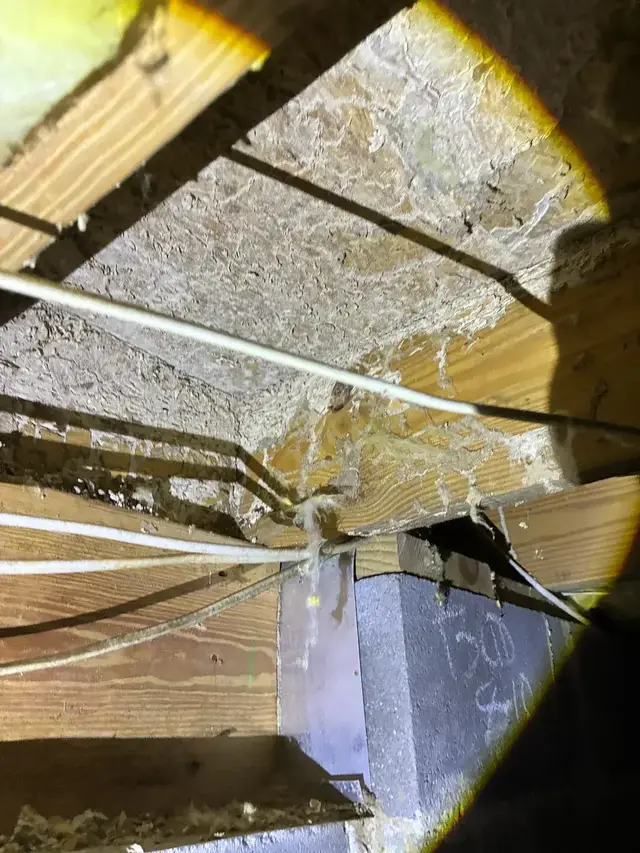
In Virginia Beach, Chesapeake and Norfolk, the most useful back-to-school pest check is not a frantic search for one bug. It is a short look at the routes pests use when the house is empty: crawl-space access doors, foundation vents, plumbing penetrations, pantry edges and the wood below the first floor.
Why daytime quiet can hide a pest problem
Mice do not need a dramatic hole to get started. A gap around a pipe, a loose crawl-space door or a torn section of screening can be enough. Once inside, they can move behind stored boxes and under insulation while normal household noise covers the small sounds they make.
Termites are even easier to miss. Eastern subterranean termites travel from soil through protected routes, often leaving mud tubes or feeding inside framing that is hidden from the living area. A quiet house does not cause a colony, but it can delay the moment someone notices a faint scratching sound, a discarded wing or a soft spot near a doorway.
Three places to check before the school routine settles in
- The crawl-space perimeter. Look at the access door, foundation vents and where utilities pass through the wall. A door that no longer closes tightly or a vent screen with damage deserves attention before fall.
- Pantry and utility edges. Check behind pet food, paper bags and rarely moved appliances for droppings, gnaw marks or a stale odor. Store food in hard-sided containers and remove crumbs before leaving for the morning.
- First-floor wood and trim. Look for mud tubes, blistered paint, discarded wings, pinholes or trim that sounds hollow when lightly tapped. Do not pry open structural wood to investigate; photograph the area and have it assessed.
Neighborhood conditions change the clues. A home near the high water table and wooded edges around Hickory or Sandbridge October have more moisture around the foundation. Older homes in Norfolk and Portsmouth can have crawl-space doors, sill areas and utility penetrations that have been repaired more than once. In Chesapeake, drainage canals and damp soil near Great Bridge and Deep Creek can keep the ground attractive to subterranean colonies.
What a professional inspection adds
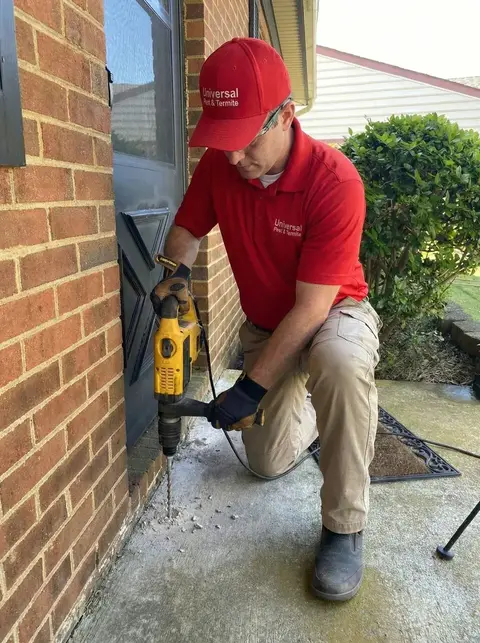
A homeowner can spot a gap or a pile of wings, but an inspection connects those clues. A technician checks accessible crawl-space and foundation areas, follows possible entry routes, looks for moisture and wood-to-soil contact, and separates active evidence from old damage. That matters because spraying a visible insect without finding the route can leave the underlying problem unchanged.
For termite concerns, start with a free homeowner termite inspection. If the property is being bought, sold or refinanced, say so when you call: a written WDI/WDIR report is a separate real-estate service with its own published fee. A free homeowner inspection and a paid closing report are not the same appointment.
Put protection on autopilot
Back-to-school is a useful reminder to make the hidden parts of the house part of the family calendar. Seal food, correct obvious gaps, keep mulch and firewood away from the foundation, and do not ignore a new odor or unexplained floor movement. When you want recurring termite and pest protection instead of waiting for the next clue, ask about the UniGuard Program, the combined termite and pest membership published at $63/month.
While your family gets back on schedule, put your home's protection on autopilot. Book a no-obligation inspection or ask about UniGuard at Universal Pest & Termite.
Are pests more active when the house is empty during school?
An empty house does not make pests appear, but fewer people moving through the rooms can make activity less noticeable. Mice October explore pantry edges and wall voids, while termites continue feeding in concealed wood whether the family is home or not. The practical response is to inspect entry points and hidden areas before a small clue becomes a larger repair.
Is a termite inspection free for a homeowner?
Universal Pest & Termite offers a free homeowner termite inspection with no obligation to start treatment. A WDI/WDIR report prepared for a real-estate closing is a separate paid service, so tell the office what kind of inspection or documentation you need when you schedule.