Yes — and for most Hampton Roads homes it takes one phone call and one visit. There is no long-term contract to sign with us, nothing to buy out on our side, and no waiting for a renewal date: we look at what your current agreement says, book the first service, and start where the last company left off.
What to check on your current agreement first
Before you cancel anything, pull out the paperwork and look for three things. First, whether the plan is month-to-month or an annual agreement with a term — a term agreement October ask for written notice, and a short email is usually enough to satisfy it. Second, whether you have already paid for a service period you have not received; if you are three weeks into a paid quarter, it is generally worth letting that visit happen before the switch. Third, whether the agreement bundles a termite bond, which is a separate matter and covered further down.
What you will not find is anything that stops you leaving. Ongoing pest control in Virginia is a service arrangement, not a lien on the house, and it does not transfer with a sale or bind a future owner. If the company holds a key or a gate code, ask for it back in the same message that cancels the service.
What the first visit looks like
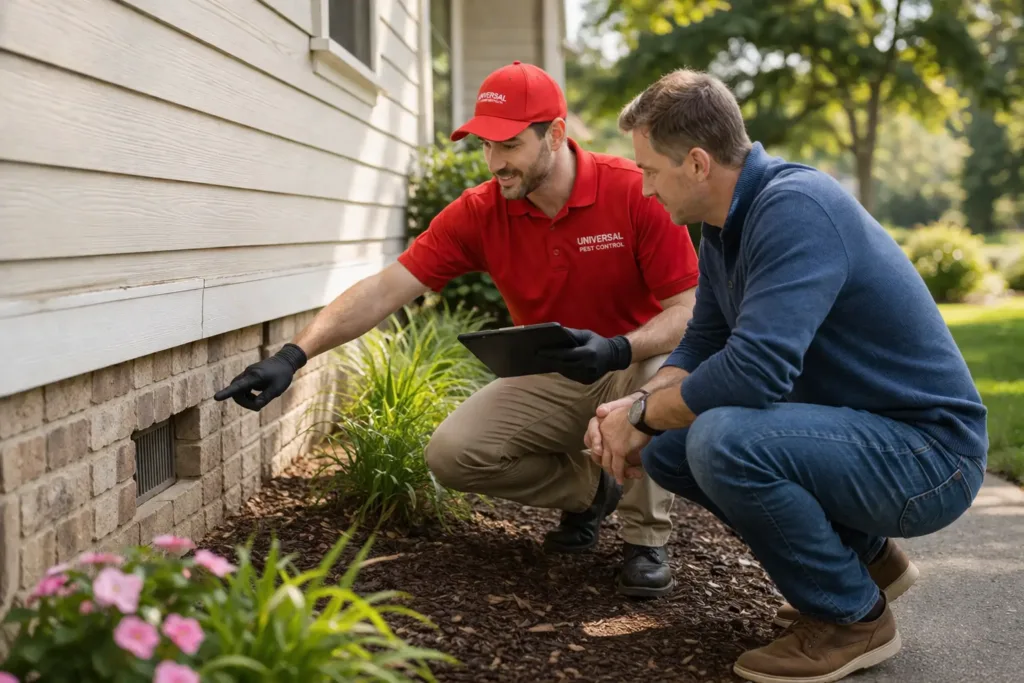
A switch-over visit is not a light touch. The technician walks the exterior before touching a sprayer: the foundation line, the hose bibs and utility penetrations, the mulch beds, the shrub line where it meets the siding, the crawl space vents and access door, the garage door corners, the eaves and soffit junctions. The point is to find what the previous plan was not reaching, because a homeowner who is switching is almost always switching over something specific that kept coming back.
Then the work itself: full exterior barrier, eaves and entry points, plus the interior areas you point out. Whatever is active that day gets treated that day rather than being written up for a return trip. Anything structural we cannot fix with a treatment — a torn vent screen, a missing door sweep, a downspout dumping against the foundation — goes on the report with a photograph, so the next technician arrives knowing the property instead of starting over.
If you are switching because of a specific pest, that shapes the first visit. Rodents mean exclusion work first and trapping second, which is the sequence on our rodent control page. Ants mean tracing the trail to its actual entry rather than wiping the counter trail, as covered under ant control.
Your termite warranty is the one thing that does not travel
A termite bond or warranty is an agreement between you and the company that issued it, backed by their treatment and their inspections. It does not transfer to a new provider, and no honest company will tell you otherwise. That does not mean you are stuck, but it does mean the decision needs to be made deliberately rather than by accident.
In practice there are two sensible paths. If the existing bond is in force and being renewed at a price you are happy with, keep it and switch general pest control only — plenty of homes here run exactly that way. If you would rather have one company covering both, we inspect the structure, quote the termite work on its own merits, and set up new coverage; from that point the inspections and the renewal live with us. Either way, bring the paperwork to the first visit and ask for the renewal date to be recorded on your file. Our termite treatment page explains what coverage on this coast actually needs to account for.
What switching costs
Nothing to start. Quarterly pest control runs from $38 per month, paid monthly rather than as a quarterly lump sum, with free return visits between scheduled services if something comes back. Pest and termite protection together on the UniGuard membership starts at $63 per month. There is no enrollment fee for moving from another company, no long-term contract, and you can cancel at any time — the full breakdown by tier is on the home health plans page.
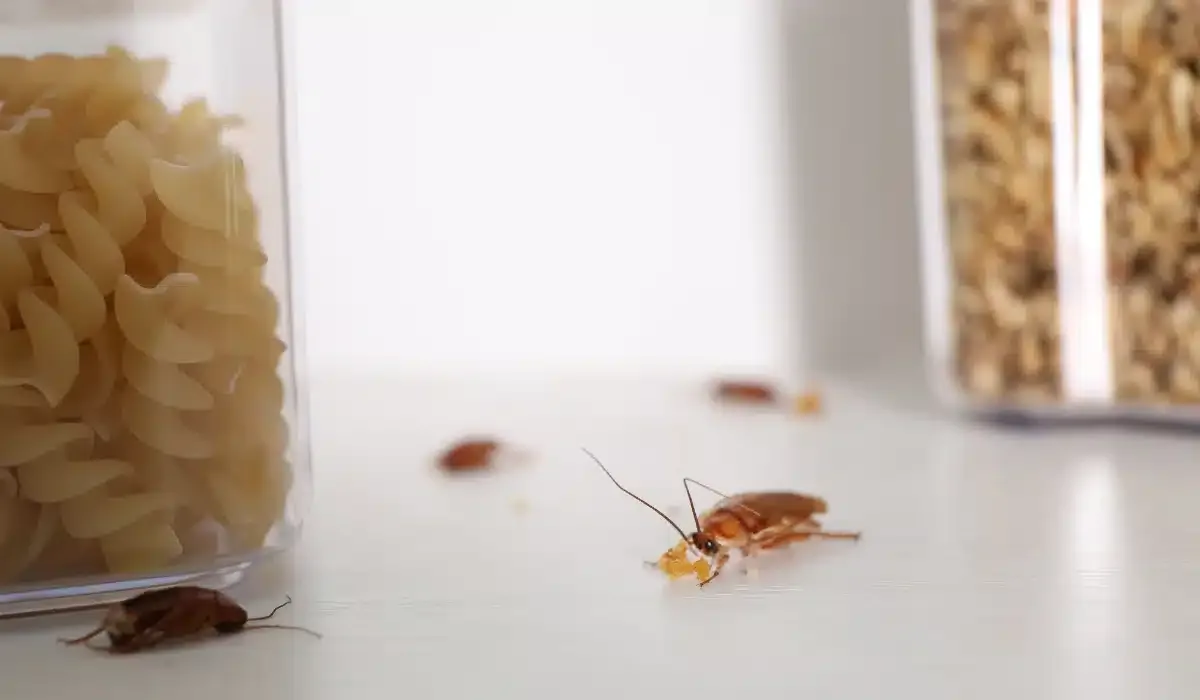
One caveat worth stating plainly: if the home has an active infestation on the day we arrive — an established roach population, rodents already inside, bed bugs — that is remedial work priced separately from ongoing service, whoever does it. Getting a house to zero and keeping it at zero are two different jobs, and a quarterly plan is the second one.
What changes when the company is local
Everything on this coast is a moisture problem wearing a costume. Crawl spaces on the water table in Ocean View and Chic's Beach, sand under beach cottages, tidal creeks behind Harbour View and Bennetts Creek, 1920s pier foundations in Hilton Village, slab-on-grade subdivisions in Greenbrier and Landstown built on fill: each of those pushes a different pest at the house for a different reason. A route built around Hampton Roads housing spends its time on crawl space vents, sill plates and slab edges because that is where the pressure comes from here.
Being dispatched from Virginia Beach is the other half of it. Same-day and next-day appointments are available across the seven cities, and a return visit between quarterly services is included rather than negotiated. If you want the property looked at before committing to anything, book a pest control inspection and decide afterwards, or send the details through the free quote form and we will come back with a written number.
Frequently asked questions
Can I switch pest control companies in the middle of a contract?
In most cases yes. Ongoing pest control is a service agreement, not a debt secured against the property, and the usual requirement is written notice — often thirty days for an annual plan, and none at all for month-to-month. Read the cancellation clause before you send anything, and if you have prepaid for a service period, let that visit happen first so you get what you paid for. We do not ask anyone to cancel before we have looked at the property and agreed on a start date.
Will my termite warranty transfer to a new company?
No. A termite bond is backed by the treatment and the inspections of the company that issued it, so it ends when that relationship ends. You have two workable options: keep the existing bond in force with your current provider and move only general pest control, or have the structure inspected and set up new termite coverage so one company handles both. What you should not do is let the old bond lapse quietly with nothing arranged to replace it.
How quickly can you start after I switch?
Usually the same week, and often within a day or two, because our technicians are dispatched locally across Hampton Roads rather than routed in from out of the area. An active problem — roaches in a kitchen, rodents in a wall, a wasp nest by a door — is treated as urgent and slotted in ahead of routine work. You do not need to wait for your old plan's billing cycle to end before we come out.
Do I have to sign a long-term contract?
No. Membership plans are month-to-month with no long-term commitment, and you can cancel at any time. That is deliberate: a plan that has to be enforced by paperwork is not a plan anyone should be selling. What keeps the arrangement working is the quarterly visit landing on schedule and free return visits in between when something reappears, not a cancellation penalty.
What if the pests come back between visits?
Call, and a technician comes back out at no additional charge. That is included in the membership rather than sold as an extra, because pressure between quarterly services is normal here — a wet spring, a neighbour's renovation, a shrub line that has grown into the siding. Return visits also feed back into the schedule: if the same problem returns twice in one season, the route notes get changed so the underlying cause is dealt with rather than the symptom.