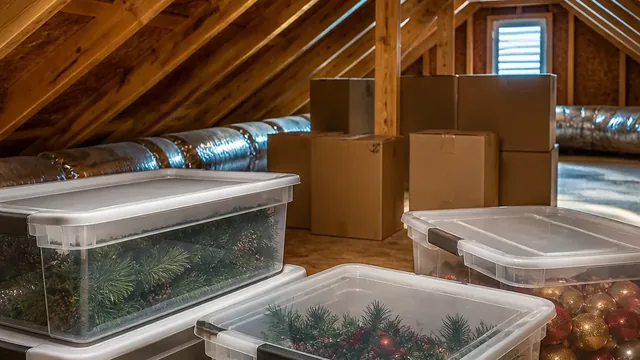
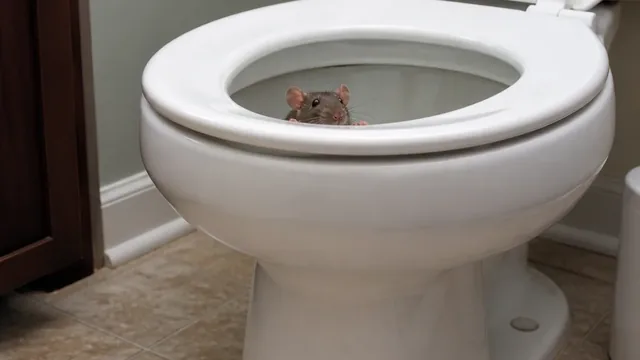
Before Hampton Roads homeowners rely on their heat through winter, a quick look at the attic, crawl space, and ductwork can reveal small issues that deserve attention: rodent-sized openings, damp or displaced insulation, exposed plumbing, or a damaged duct run. These problems need different fixes, but noticing them early can help you contact the right professional before conditions worsen.
If you are getting seasonal storage out of the attic, see our companion guide on protecting holiday decorations from attic rodents.
Hampton Roads homes range from Norfolk’s Ghent and Larchmont near the Elizabeth and Lafayette Rivers to Virginia Beach’s Great Neck near Lynnhaven Inlet and Chesapeake’s Great Bridge corridor. The Hampton Roads Bridge-Tunnel and Chesapeake Bay Bridge-Tunnel are familiar regional landmarks, but winter readiness depends on the openings, pipes, insulation, and ducts at each individual home. For local rodent-entry information, see our guides for Norfolk, Virginia Beach, and Chesapeake.
Check roof edges and vents for rodent entry points
Look from the ground for gaps at soffits and fascia, loose or damaged vent screens, openings around utility lines, and branches that touch the roof. In an accessible attic or crawl space, signs such as gnaw marks, droppings, nesting material, or insulation pulled out of place can justify a closer inspection. A sound in the ceiling or a single gap does not confirm that rodents are inside.
Do not climb onto the roof or enter an unsafe space. Keep children and pets away from droppings or nesting debris, and do not dry-sweep or vacuum it. If you suspect active rodent use, have the entry route assessed before it is sealed so an animal is not trapped inside. Read more about rodent inspection and control and common rat and squirrel attic entry points.
Look for damp, sagging, or disturbed insulation
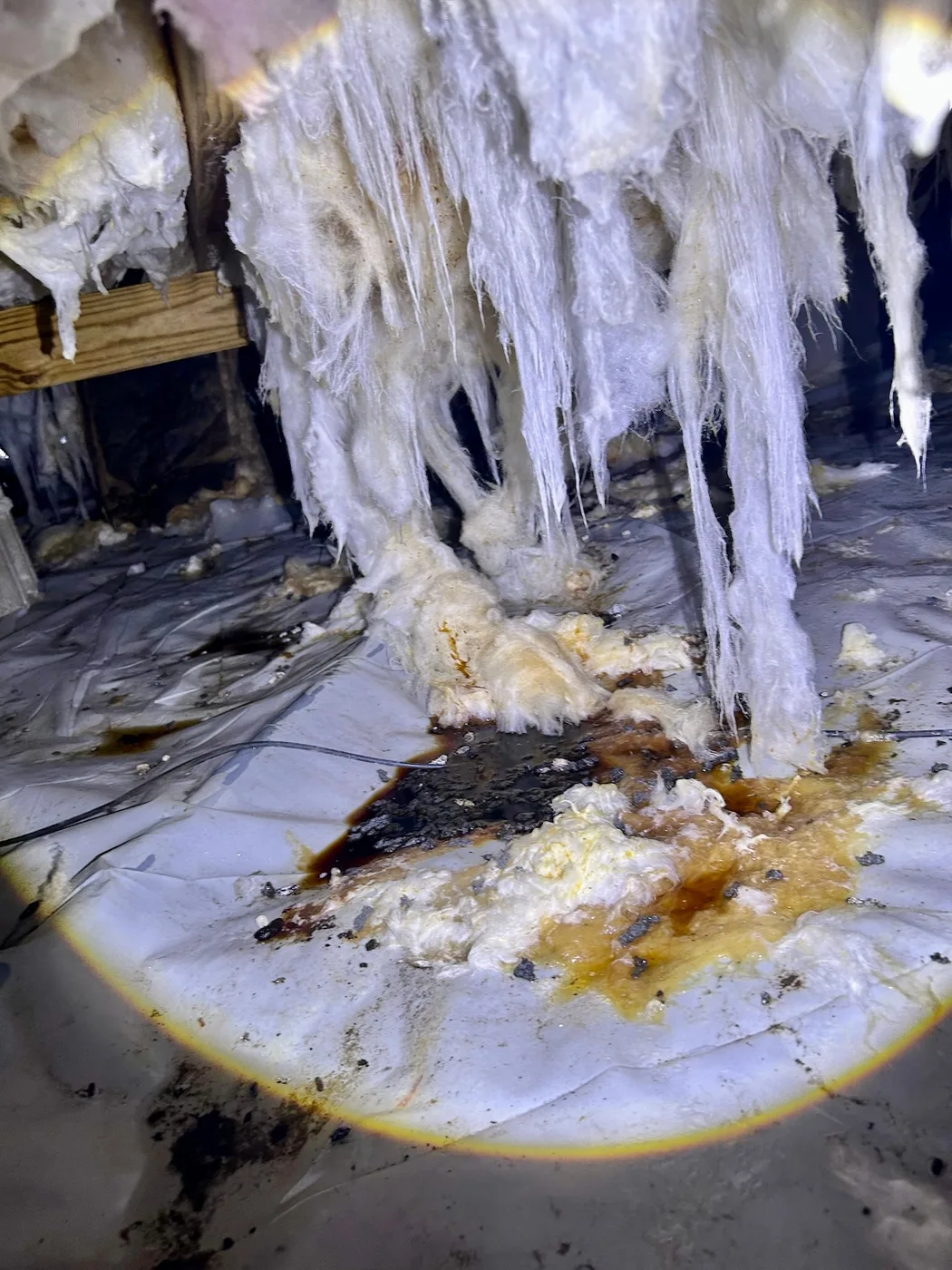
Insulation that is wet, compressed, or hanging away from its intended position may not perform as designed. The effect depends on the material and how much moisture it has absorbed. Before replacing insulation, identify and address the source—such as a plumbing leak, roof leak, or persistent crawl-space moisture—so the problem does not simply return. For related information, see attic cleanup and insulation remediation after rodent activity and crawl-space insulation and moisture services.
Protect plumbing in cold, unheated spaces
Pipes that run through an unheated attic, crawl space, garage, or exterior wall can be more exposed during a hard freeze. Check for visible drips or corrosion, insulate accessible pipes with appropriate materials, and ask a licensed plumber to repair leaks or advise on vulnerable lines. Keep the home’s heat on during cold weather and know where the main water shutoff is. Never use an open flame to thaw a pipe; if a pipe freezes or bursts, contact a plumber promptly.
Moisture from a leak can also affect nearby framing and insulation, so a stain should be traced rather than covered up. A pest inspection can identify rodent access and activity, but plumbing diagnosis and pipe repair belong to a qualified plumbing professional.
Check for loose or damaged air ducts
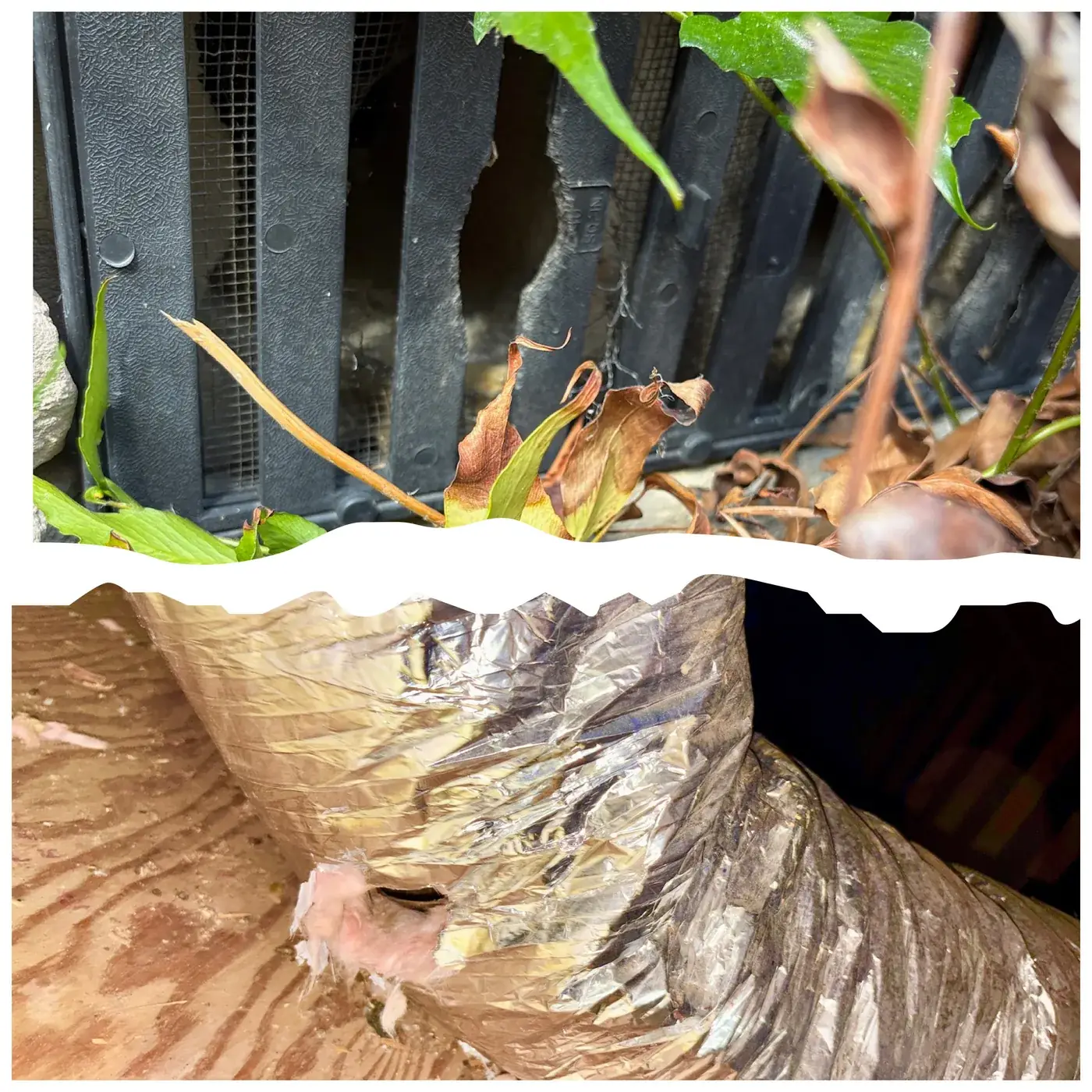
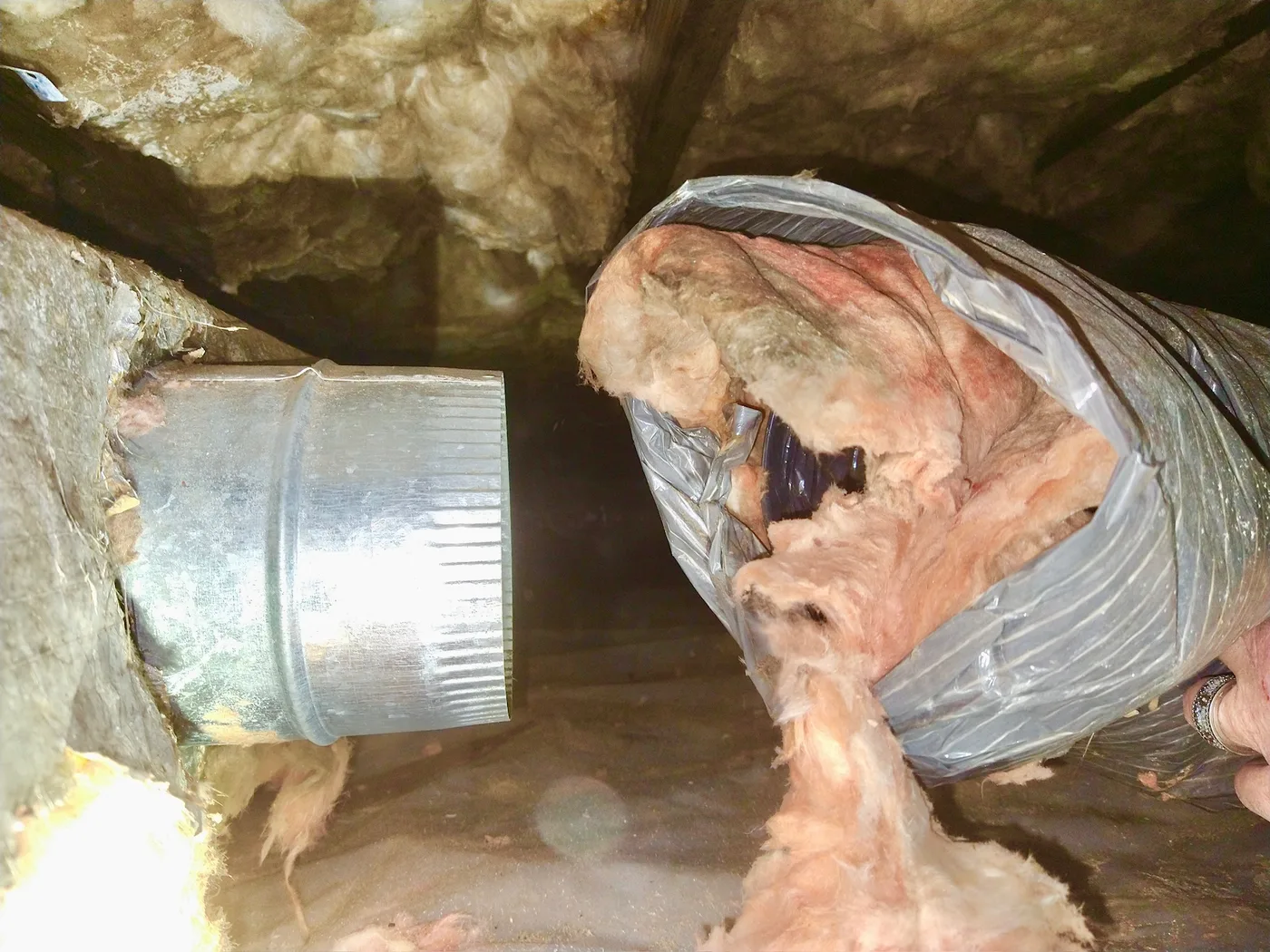
From an accessible area, look for a duct that has come apart at a connection, crushed flexible duct, tears in the outer jacket, or insulation that is wet or missing. A leak or disconnection can let heated air escape into an attic or crawl space, but the amount of energy lost varies with the system and the size, location, and condition of the duct. There is no single reliable percentage that applies to every home or every day. Have a qualified HVAC professional inspect and repair damaged ductwork. If the issue is cleaning rather than a repair, see Universal Duct Cleaning and our information about crawl-space duct moisture.
Use a simple winter-prep order
- From a safe location, note visible roof-edge, vent, and foundation openings.
- Photograph staining, sagging insulation, or damaged ducts without disturbing them.
- Keep people and pets away from suspected rodent debris or exposed wiring.
- Contact the appropriate professional: pest control for rodent activity, a plumber for pipes and leaks, and an HVAC contractor for duct repairs.
- Address the source of moisture before replacing affected insulation or finishing cleanup.
Universal Pest & Termite can inspect for rodent activity and entry points. Insulation and duct services are provided by our Universal sister companies. A visit can help identify which issue needs attention first; it cannot guarantee a particular repair cost or amount of energy savings.
Request an inspection or quote, or review the related attic rodent cleanup service, crawl-space insulation and moisture service, and duct cleaning.
Frequently Asked Questions
What should I check for rodent entry before winter?
Look for gaps at roof edges, soffits, vent screens, utility openings, and foundation vents, plus signs such as gnawing or droppings.
A gap alone does not prove activity. Avoid climbing or disturbing debris, and have suspected rodent use assessed before an opening is sealed.
Does wet insulation lose its R-value?
Wet or compressed insulation can perform below its intended insulating value, but the effect depends on the material and how wet it is.
Find and correct the moisture source before deciding whether the insulation can dry or should be removed and replaced. Staining in a photo does not by itself identify the cause.
How do I protect pipes in an attic or crawl space from freezing?
Have exposed pipes checked, insulate vulnerable runs, repair leaks, and keep the home heated during freezing weather.
A licensed plumber can advise on pipes in unheated spaces. Do not use an open flame to thaw frozen plumbing; call a plumber if a line freezes or bursts.
How much energy can a damaged air duct waste?
There is no one percentage that applies to every damaged duct; energy loss depends on the leak and the HVAC system.
See duct & dryer vent cleaning
A disconnected, crushed, or torn duct can leak conditioned air into an attic or crawl space. Ask a qualified HVAC professional to inspect and repair it rather than relying on a general per-day estimate.
Who should inspect rodent damage, insulation, pipes, and ducts?
Use a pest professional for rodent signs, a plumber for pipe leaks or freeze damage, and an HVAC professional for duct repairs.
Insulation work may be needed after the moisture or pest source is addressed. Keep away from exposed wiring and contaminated material until the right professional has assessed the area.