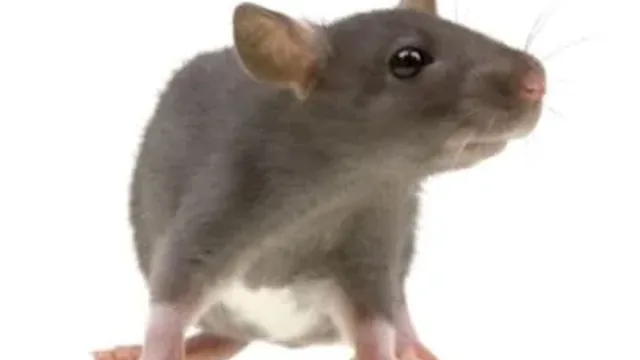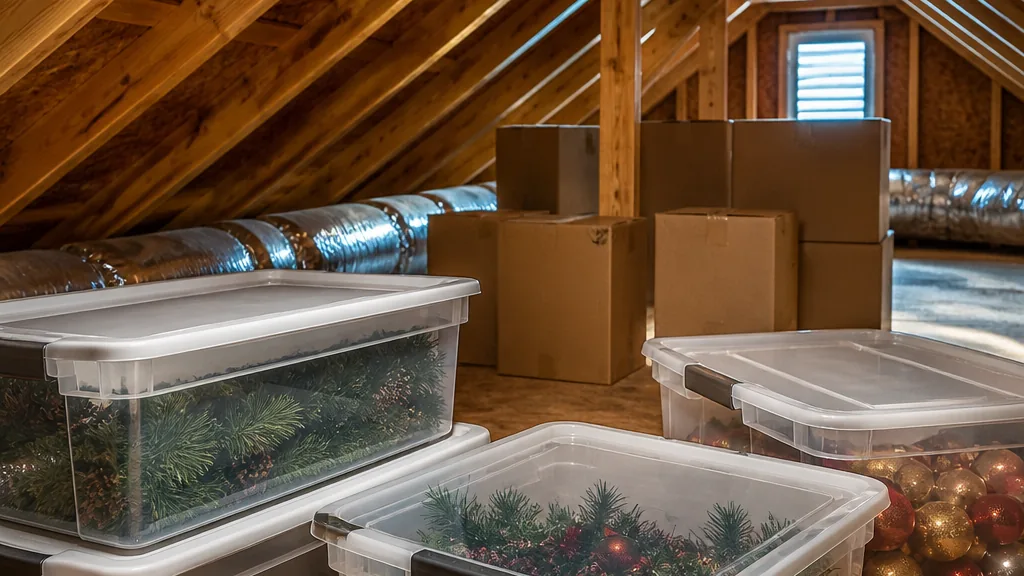
Before bringing holiday decorations down from the attic, take a moment to check the boxes and the space around them. In Hampton Roads, a damaged carton, droppings, shredded material, or a gap near the roofline deserves a closer look—but one mark does not prove an active infestation.
This companion to Universal Insulation Doctor’s guide to holiday attic storage health risks focuses on prevention: how to store seasonal décor, what to inspect before carrying it indoors, and when to stop and call for help. For a broader cold-weather check, read our Hampton Roads winter home-prep checklist.
Why holiday storage deserves a quick attic check
Attics are often quiet and used only for storage. Cardboard, fabric, and greenery can provide nesting material if rodents already have access, while decorations themselves do not establish that pests are present. A quick visual inspection can help you catch a damaged box or signs around an entry point before moving items into a living space.
Hampton Roads homes have different rooflines and attic access—from Norfolk’s Ghent and Larchmont near the Elizabeth and Lafayette Rivers to Great Neck in Virginia Beach and Great Bridge in Chesapeake. Familiar landmarks such as First Landing State Park and the Hampton Roads Bridge-Tunnel help orient the region, but the condition of each home’s vents, eaves, and storage area is what matters.
Store decorations in sturdy, closed containers
Rigid plastic totes with secure lids are more resistant to gnawing than ordinary cardboard boxes and help keep dust and moisture off decorations. They are not a substitute for repairing an attic entry point, and no container can guarantee that rodents will stay out if an attic is accessible.
- Use clean, dry, hard-sided totes for ornaments, artificial greenery, and fabric decorations.
- Do not store food, birdseed, or pet food with seasonal items.
- Keep boxes and totes clear of soffit vents, access paths, and electrical equipment.
- Before putting decorations away, check for crumbs, damaged packaging, and moisture.
Do not block attic ventilation or compress insulation while arranging storage. If the attic has limited safe flooring or exposed wiring, leave the inspection to a qualified professional rather than stepping between joists.
Inspect before carrying boxes into the house
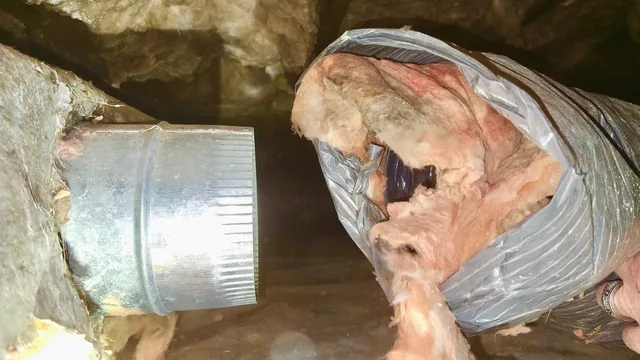
Use a flashlight to look over the outside of a box or tote and the area where it was stored. Warning signs can include gnaw marks, droppings, urine staining, shredded paper or fabric, nesting material, or an unusual animal odor. Check the lid and underside too, but do not open or shake a package that appears contaminated.
Do not sweep or vacuum suspected rodent droppings or nesting debris. Keep children and pets away and ask a pest professional how to proceed. For detailed health and wildlife cautions involving rodents, birds, and bats, use the sister-site holiday attic safety guide.
Check the attic entry points—not only the decorations
From the ground, look for visibly loose or damaged vent screens, gaps at soffits or fascia, and openings where pipes or cables enter the home. Tree branches touching the roof can also make roofline access easier for some animals. Do not climb onto the roof to inspect a suspected gap.
If you find possible rodent signs, have the activity and entry route assessed before an opening is sealed. Sealing an active route without a plan can leave an animal trapped inside. Learn about rodent control and entry-point inspections, or see our guide to common rat and squirrel attic entry points.
If you see a live bat, bird, or an active nest, do not touch, move, or seal it. Keep people and pets away and contact a qualified wildlife professional for guidance; requirements can vary by species and season.
What to do if a box or decoration looks contaminated
- Set the item down without shaking it or carrying it through the home.
- Keep people and pets away from the affected area.
- Do not dry-sweep, vacuum, spray, or handle droppings, nesting material, or an animal.
- Contact a pest professional about rodent activity; ask a qualified wildlife professional about birds or bats.
- After the source is addressed, decide with the appropriate professional whether the item can be cleaned or should be discarded.
A damaged box or a single dropping is a reason to pause and investigate, not proof of how long an animal has been present or what caused the damage. Universal Pest & Termite can assess rodent signs and possible entry points; insulation removal, HVAC repairs, and wildlife handling require the appropriate service professional.
Request a rodent inspection or learn about attic cleanup after rodent activity.
Frequently Asked Questions
How can I protect holiday decorations from attic rodents?
Store decorations in clean, hard-sided totes with secure lids, keep food out of the attic, and check for entry gaps and rodent signs.
Sturdy containers help protect stored items, but they do not remove rodents or repair an opening in the roofline.
Are cardboard boxes safe for attic holiday storage?
Cardboard is easy for rodents to gnaw and can be damaged by moisture, so sealed plastic totes are a more durable storage choice.
A cardboard box alone does not mean rodents are present. Inspect the box and storage area, and avoid opening it indoors if you see droppings, nesting material, or gnaw marks.
What signs of rodents should I look for before bringing decorations inside?
Look for droppings, gnaw marks, shredded material, urine staining, or an unusual animal odor on boxes and around the attic storage area.
Do not shake, sweep, or vacuum suspected debris. Keep children and pets away and ask a pest professional for guidance.
What should I do if I find droppings or nesting material on a decoration box?
Do not carry the box through the home or disturb the material; set it down, keep people and pets away, and contact a professional.
For more on health and wildlife safety around attic storage, read Universal Insulation Doctor’s companion guide.
What if I find a bat, bird, or nest near the holiday decorations?
Do not handle an animal, disturb a nest, or seal its opening; keep clear and contact a qualified wildlife professional.
Bird and bat protections can vary by species and season. The sister-site guide covers additional safety steps for suspected contact or contaminated material.