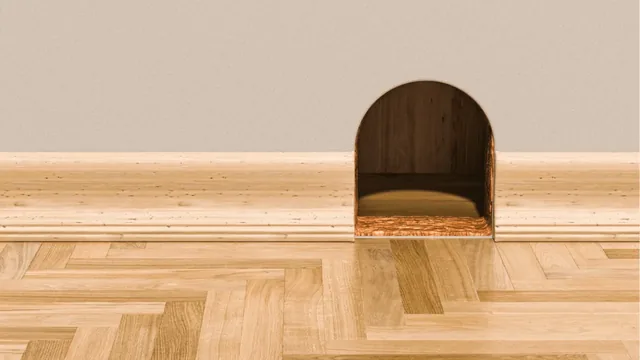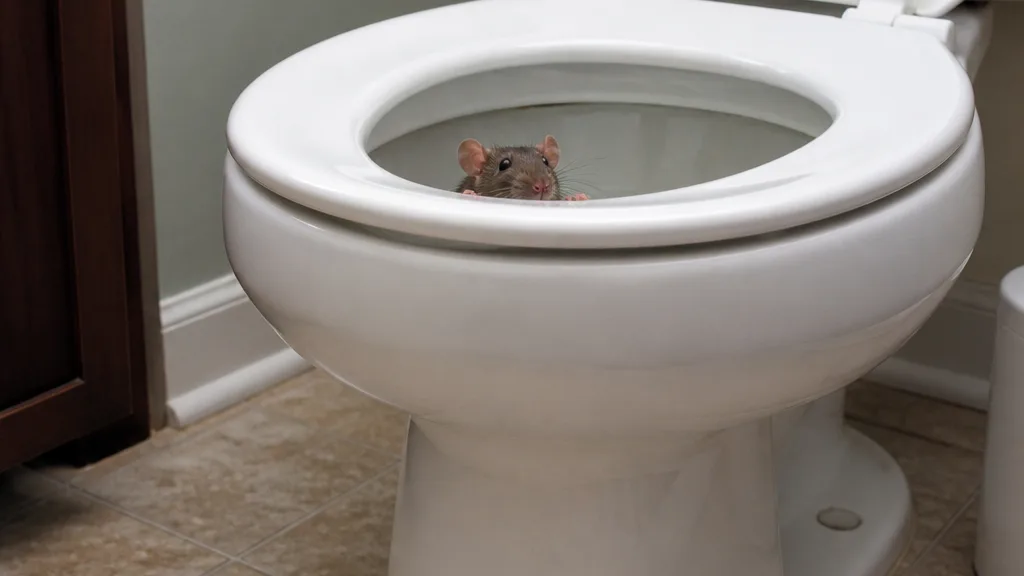
Could a rat travel through plumbing and appear in a toilet? It is possible, but unusual. The water-filled trap normally separates the bowl from the drain line, so a sighting is not an everyday event—and it does not automatically mean a rat is living inside the house. If it happens, keep people and pets away, avoid trying to handle or flush the animal, and have both the plumbing route and any signs of rodent activity checked.
For homeowners in Norfolk, Virginia Beach, Newport News, and elsewhere in Hampton Roads, the practical response is the same: secure the room from a safe distance, then call a licensed plumber or sewer professional and a pest-control professional. A plumber can investigate the toilet, drain, sewer lateral, and cleanout; a rodent inspection can look for separate entry points and evidence elsewhere in the structure.
Hampton Roads cities where we have received rodent reports
Over the years, Universal Pest & Termite has received rodent-activity reports from Norfolk, Virginia Beach, and Newport News. These are reports about rodent concerns generally—not claims that a rat came through a toilet in any of these cities.
- Norfolk
- Virginia Beach
- Newport News
How a rat might reach a toilet
Rats may live around sewer infrastructure, but getting from a sewer line through household plumbing and into a toilet bowl is uncommon. A damaged or altered pipe, a problem in the sewer connection, or an unusual route through the plumbing may warrant investigation. The toilet’s water trap is normally a barrier; the exact route cannot be diagnosed from the sighting alone.
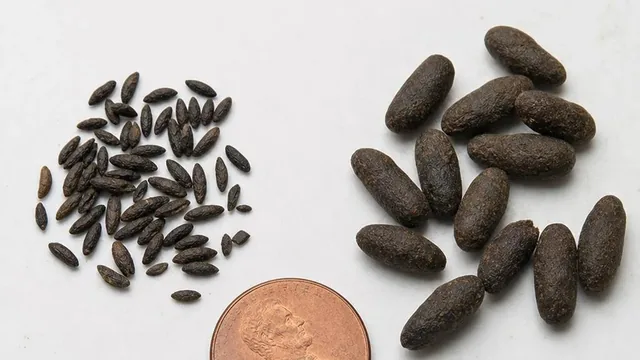
Do not assume every animal in a toilet came through the sewer. It may have entered the bathroom another way, or the sighting may involve a different animal. A plumber can inspect the fixture and connected drain route, while a pest professional can look for droppings, gnawing, rub marks, or other evidence around the home.
What to do if you see a rat in a toilet
- Keep your distance. Move children and pets away. Do not reach into the bowl, attempt to grab the animal, or try to force it down the drain.
- Secure the area if you can do so safely. Leave the bathroom and close its door. Do not put your hands near the animal or block its movement.
- Call for the right inspections. Contact a licensed plumber or sewer professional to check the toilet and plumbing route, and a pest professional to inspect for rodent activity in the home.
- Do not pour poison or chemicals into the toilet. They are not a safe or reliable way to solve a plumbing or rodent problem and can create additional hazards.
If anyone is bitten or scratched, wash the area with soap and water and contact a healthcare professional promptly for advice. If a pet may have been bitten, call a veterinarian. If there is a sewer backup, leaking waste, or a suspected public sewer problem, contact the appropriate plumber or local sewer authority.
What the plumber and pest inspection should check
A plumber can examine the toilet trap and drain, look for damaged or improperly connected piping, and advise whether the sewer lateral, cleanout cap, or a backwater device needs attention. The correct solution depends on the property and plumbing code; do not install a device or alter a drain based only on a blog article.
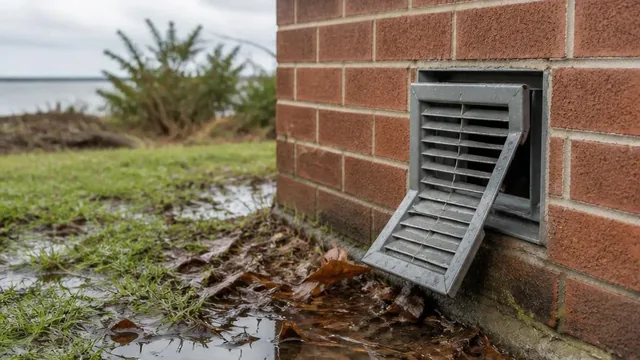
A pest inspection is a separate check for signs such as droppings, gnaw marks, nesting, rub marks, or repeat sightings. In Hampton Roads, rats can also use gaps around utility lines, foundation openings, garages, roof edges, or crawl-space access. Finding one animal in a toilet does not prove those routes are active, but checking the building can rule out a second entry path.
Learn about rat control and inspection, or review local service information for Norfolk, Virginia Beach, and Newport News. Universal Pest & Termite can assess rodent signs and entry points; plumbing diagnosis and sewer repairs should be handled by a qualified plumbing professional.
If you find droppings or nesting material after the incident, keep people and pets away. Do not dry sweep or vacuum it. A rodent inspection can help determine whether there is additional activity and whether removal, exclusion, or cleanup is needed.
Frequently Asked Questions
Can a rat come up through plumbing and out of a toilet?
Yes, it can happen, but it is rare; a toilet’s water trap normally separates the bowl from the drain line.
A sighting does not identify the route or prove there are rats elsewhere in the home. Have a plumber inspect the plumbing and consider a separate pest inspection for signs inside the structure.
Why might a rat appear in a toilet?
An unusual plumbing or sewer route may allow a rat to reach a toilet, but the cause cannot be confirmed from the sighting alone.
A damaged pipe, sewer connection issue, or another entry route may need to be checked. A licensed plumber can assess the plumbing, and a pest professional can look for evidence of activity in the building.
What should I do if I see a rat in my toilet?
Keep people and pets away, do not reach for the animal or flush it, and call a plumber and pest professional.
Leave the bathroom and close its door if you can do so safely. Do not pour poison or chemicals into the bowl. If someone is bitten or scratched, wash the area and contact a healthcare professional promptly.
Does a rat in the toilet mean I have rats in my home?
No; one toilet sighting does not prove a rat is living in the home, but it does deserve a plumbing check and a careful inspection for other signs.
Look from a safe distance for droppings, gnaw marks, or repeat activity. A pest inspection can assess the structure while a plumber investigates the fixture and connected sewer route.
How can I help prevent rats from entering through plumbing?
Ask a licensed plumber to check the sewer connection, cleanout cap, and any backwater protection appropriate for your property.
Keep plumbing in good repair and do not put rodent poison, bleach, or other chemicals into drains. A pest inspection can also check for separate gaps around the foundation, utility lines, or crawl-space access.