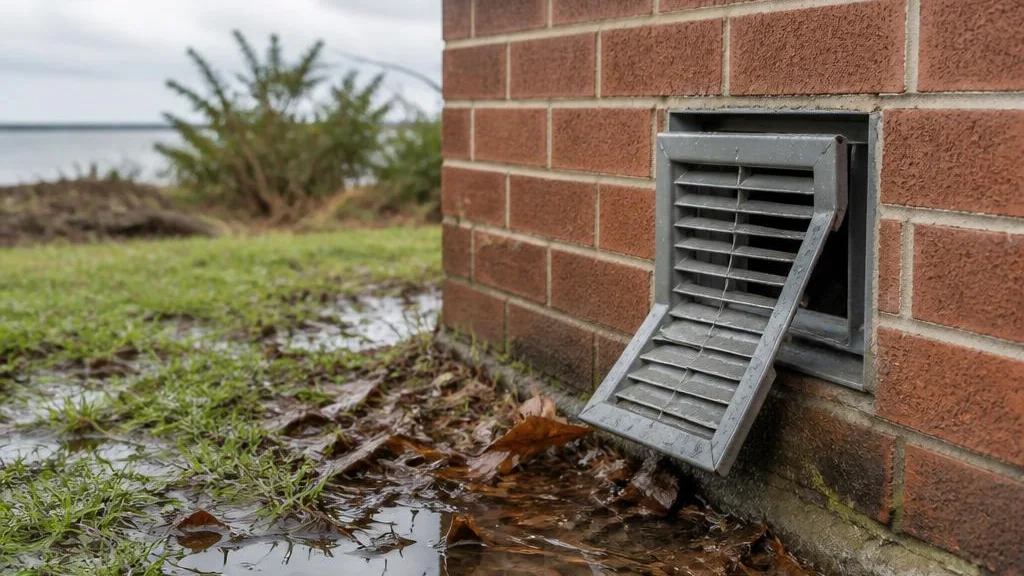
The Thanksgiving 2026 nor’easter brought major flooding across Hampton Roads. Once the water recedes, the area under and around a home can still hold standing water, wet insulation, displaced soil, debris, and openings animals may use for shelter. An inspection after the storm can help identify what actually changed at your property—without assuming that every flooded home has rodents, mold, or termite damage.
Bay Island in North Great Neck took an especially hard hit. The neighborhood sits between Broad Bay and Long Creek, with access from West Great Neck Road. A local report shared with our team described roughly four feet of water on Broad Bay Road and water entering homes. During the same storm, Shore Drive was reported closed between E Stratford Road and First Court Road because of flooding. These road and neighborhood reports show how severe conditions became in specific places; they do not establish the condition of every nearby property.
Across Hampton Roads—from Virginia Beach’s tidal waterways to Norfolk’s Elizabeth River neighborhoods, Chesapeake’s canals, and low-lying areas across the Peninsula—flood paths vary from one block and property to another. If water reached your foundation, crawl-space entrance, or yard, document visible changes from a safe place and arrange the right inspection after access is safe.
Floodwater can change the shelter around a home
Rodents may seek dry shelter when burrows, drainage edges, or outdoor cover are flooded. A storm can also damage a crawl-space door, loosen a foundation vent, wash soil away from an opening, or leave debris that obscures a gap. Those conditions can create a route beneath a home, but flooding alone does not prove that an animal entered. Look from outside for damaged screens, gaps, fresh droppings, gnaw marks, or nesting material; do not reach into openings or disturb contaminated debris.
If you hear movement overhead or under the floor, sound by itself cannot reliably identify a rat, mouse, or squirrel. A pest inspection can look for corroborating evidence and possible entry points before removal or exclusion is recommended. See our Virginia Beach rodent-control service and earlier guide to coastal rodent activity after nor’easters.
Did floodwater wash away a termite barrier?
Flooding does not automatically mean a termite treatment barrier has been washed away. The answer depends on the treatment method, product, application area, soil movement, and conditions at the specific property. Water or erosion near a treated foundation is a reason to contact the company that applied the treatment and ask whether the site needs reassessment—not proof that protection failed. Keep treatment records available, and do not apply pesticide or disturb a treated area based only on a storm or visible waterline. A Virginia Beach termite inspection can check for visible evidence, while the original treatment provider is best placed to review the product and application details.
Check wet insulation and crawl-space moisture safely
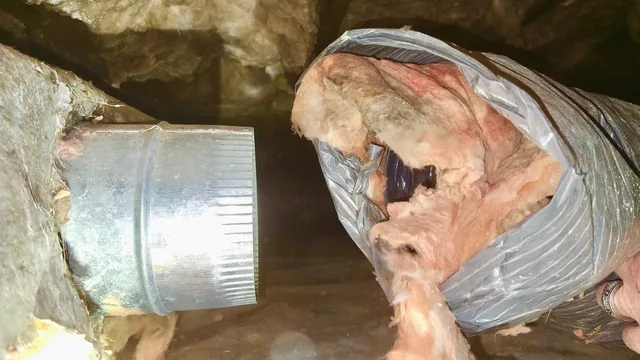
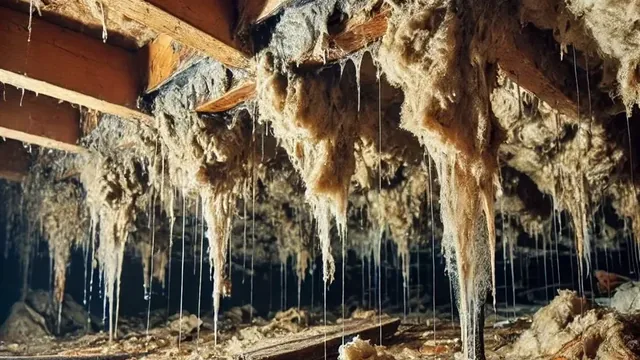
Wet, compressed, displaced, or contaminated insulation may perform below its intended insulating value. Whether it can be dried or needs replacement depends on the material and its condition after the space is safe to assess. Do not pull down insulation or handle material exposed to floodwater. Persistent dampness can also support mold or mildew growth on susceptible materials and create musty odors. Odor alone cannot confirm mold or determine indoor air quality; have the moisture source and affected materials evaluated, and consult a health professional about health symptoms.
Water, debris, and moisture under a home may require different specialists. Our crawl-space services address crawl-space conditions. For insulation assessment, homeowners can also contact Universal Insulation Doctor. If an inspection finds water or contamination inside ductwork, the duct system may need a separate assessment through Universal Duct Cleaning. A pest or crawl-space inspection does not automatically mean duct cleaning, mold remediation, or insulation replacement is needed.
What homeowners can do after the Thanksgiving storm
- Put safety first. Do not enter standing water or a flooded crawl space. Floodwater can hide electrical, structural, sewage, and contamination hazards. Follow local emergency instructions; if water reached electrical equipment, contact the appropriate utility or qualified professional.
- Record visible changes from outside. Note water marks, damaged vents or access doors, displaced soil, and debris. Take photos without entering the space, touching floodwater, or moving insulation.
- Arrange an inspection when it is safe. A pest professional can check for animal evidence and entry points. Moisture, insulation, termite-treatment, duct, and electrical concerns may need separate assessments.
- Do not seal an opening until it is checked. A damaged vent or gap should be repaired after confirming an animal is not trapped inside and the surrounding area is safe.
If flooding reached your crawl space or damaged an opening, request a post-storm inspection and describe what you observed. Universal Pest & Termite can assess pest evidence and potential entry points after access is safe, then explain which follow-up is appropriate.
Frequently Asked Questions
How badly was Bay Island affected by the Thanksgiving 2026 storm?
A local report shared with us described roughly four feet of water on Broad Bay Road and flooding inside homes. Water depth and damage can differ by property, so have your home checked individually once it is safe to do so.
Can rodents move into a home after flooding?
Rodents may seek dry shelter and use storm-damaged openings, but flooding alone does not prove they entered your home. Look for signs from a safe location and have suspected activity and entry points checked before sealing a gap.
Does flooding mean my termite treatment barrier is gone?
No; floodwater does not by itself prove that a termite treatment barrier failed or was washed away. Soil erosion, treatment method, product, and application location matter, so contact the treatment provider if water changed the ground near a treated foundation.
Does wet crawl-space insulation need to be replaced?
Not always; the material and its condition should be assessed after the space is safe. Wet or compressed insulation may perform below its intended insulating value, while material that remains wet or contaminated may need professional removal and replacement.
Can I enter a flooded crawl space to inspect it?
No; do not enter a flooded crawl space or stand in floodwater near electrical or structural hazards. Water can conceal serious risks. Follow local emergency guidance and arrange an inspection only when access is confirmed safe.
Looking for current prices?
Review published pest-control, termite, rodent, and other service prices for Hampton Roads.
See Current Prices