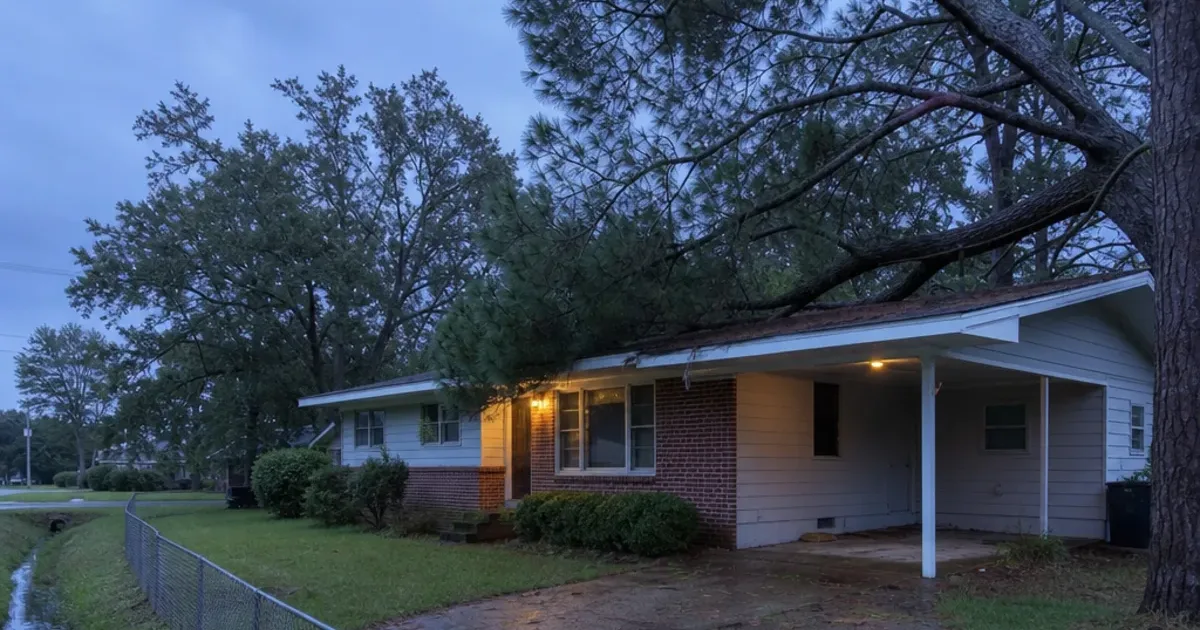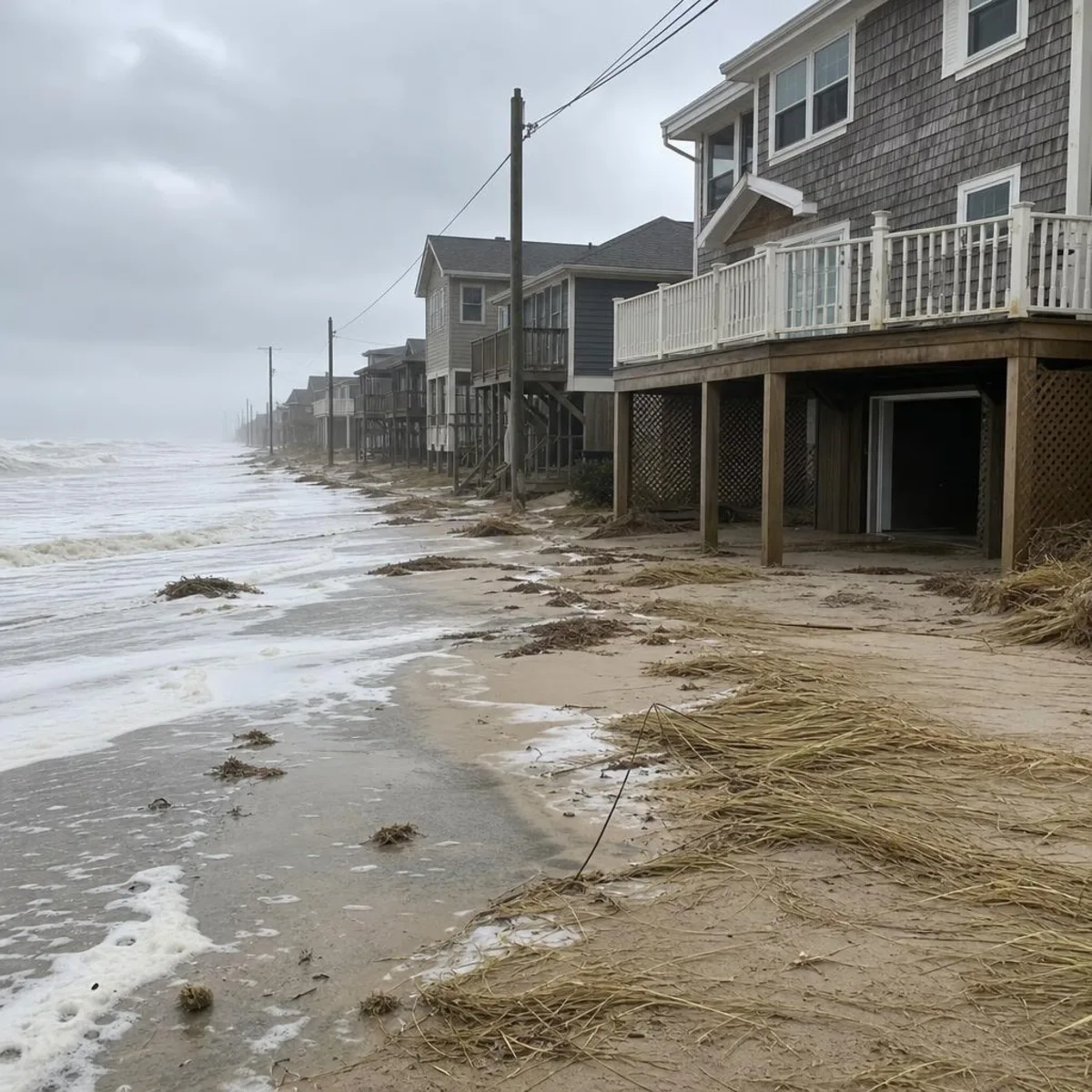
A hard nor'easter pushes tidewater into the dunes, marsh edges, and drainage ditches where coastal rats burrow, and the flooded animals move to the nearest dry shelter — which along the Oceanfront and Chic's Beach usually means the raised cottage or under-house garage next door.
What does a nor'easter actually do to a rat's habitat?
Norway rats burrow low: in dune backslopes, marsh margins, ditch banks, and under sheds and decks near the water. A nor'easter drives tidal surge into those burrows, floods the tunnels, and forces the colony out. Displaced rats do not disperse randomly — they climb to the first dry, sheltered space they can reach.
Explore rodent control in Virginia Beach
The water table along these blocks is already high, so burrows sit shallow and fill fast. When surge stacks brackish water into the low ground, the tunnel system is uninhabitable within hours. The animals leave in a hurry and under stress, and stressed rats take more risks than settled ones, pressing into spaces they would normally avoid.
That is why the calls cluster in the days after the storm rather than during it. The weather is the trigger; the intrusion is the aftershock that lands on the structures nearest the flooded ground.
Why do raised cottages and under-house garages take the hit?
Coastal construction here sits up on piers, block, or a ground-level garage to stay above surge. That same design gives a fleeing rat exactly what it is looking for — a dry, dark, elevated cavity right at the water's edge, open underneath, with utility penetrations and vents leading up into the living space above.
Get a free quote in Oceanfront
An under-house garage is effectively a sheltered platform above the flood line. Once a rat is in that space, the plumbing chases and floor penetrations that pass up into the cottage are the next step, and a gap the size of a quarter is all it needs to follow one. Stored boxes and beach gear add cover and, sometimes, food.
These are the blocks we cover on our Oceanfront and Chic's Beach pages, and the raised, open-under design that protects the house from water is the same feature that shelters the displaced rat.
What is the week-after pattern homeowners notice?
The tell is timing. For several days after the surge recedes, homeowners hear movement in the floor structure, find droppings in the garage or a ground-floor closet, and see gnawing at the base of a door or a utility penetration. It arrives as a cluster because a whole flooded colony relocated at once, not as one wandering animal.
Get a free quote in Oceanfront
Look low and look at the entry points that flooding exposed. Surge can wash out the soil around a pier or strip the seal from a slab penetration, opening a gap that was closed before the storm. Fresh, greasy rub marks along a joist or the top of a foundation wall mean an active route, and droppings concentrated near the water side of the house point to where the animals came in.
The heightened numbers usually settle within a week or two as the ground dries. That window is the moment to close the openings, because a rat that finds the cottage comfortable has no reason to leave once the marsh dries out.
How do you stop the storm-driven intrusion for good?
Seal the elevated cavity the storm sends them into. That means closing utility penetrations, vents, and the gaps around piers and garage doors with metal rather than foam, then clearing whatever moved in. Doing it in the calm between storms — not mid-flood — is what keeps the next nor'easter from repeating the cycle.
Get a free quote in Oceanfront
Whatever drove the animals up, the closing move is the same: locate every opening the surge left and shut it with material a rat's teeth cannot work through. That sealing is pest exclusion, the trapping of anything already sheltering under the floor is rodent control, and because the storm tends to open new gaps below the floor first, a crawl space inspection usually leads the way.
Salt water and displaced rats hit the under-floor systems hardest. Batts soaked with brackish water and threaded with runways stop insulating and hold a sour, damp odor for weeks; that is the material Universal Insulation Doctor pulls and replaces once the space dries. If a rat has torn into a duct run down there, every cycle of the air handler carries grit and nesting debris up into the cottage, and Universal Duct Cleaning clears that run. A flooded under-house envelope is rarely just a rat call — the pest, the insulation, and the ducts all come back to the same wet cavity, so they get put right together.
| In the week after the surge | How the flooding set it off | How to close it out |
|---|---|---|
| Movement in the floor structure a few days after surge | A flooded dune or marsh colony relocated into the raised cavity at once | Trap out the animals and seal the elevated space they entered |
| Droppings clustered in the under-house garage | The garage is the first dry, sheltered platform above the flood line | Clear stored cover and close the garage-door and wall gaps with metal |
| A washed-out gap around a pier or slab penetration | Surge stripped the soil and seal that had closed the opening | Reseal penetrations and re-grade around piers after the water drops |
| Gnawing at the base of a ground-floor door | A stressed, displaced rat testing the nearest edge for a way up | Fit door sweeps and metal thresholds on the water side |
| Musty odor and matted insulation under the floor | Brackish water soaked the batts and rats ran through them | Remove and replace the soaked, contaminated insulation |
| Rub marks along the top of the foundation wall | An active route from the flooded ground up into the structure | Follow the trail to the entry point and seal it shut |
Frequently asked questions
How soon after a nor'easter do rats usually show up indoors?
Typically within a few days of the surge receding. The flooding forces a whole colony out of its burrows at once, and the animals head straight for the nearest dry shelter, so the intrusion arrives as a short, concentrated wave rather than a slow trickle. Numbers tend to settle within a week or two as the ground dries and the displaced rats either establish or move along.
Explore rodent control in Virginia Beach
Are these Norway rats or roof rats?
Storm displacement at the shoreline is mostly a Norway rat story. Norway rats are the burrowers, nesting low in dune slopes, ditch banks, and marsh margins, so they are the ones flooded out by tidal surge. Roof rats climb and nest higher, so they are less exposed to rising water, though both species turn up along the coast and both use a quarter-sized gap to get inside.
Get a free quote in Oceanfront
Why does my raised cottage get hit when the water passes underneath it?
The elevation that protects the living space from surge also creates a dry, dark platform right at the water's edge. A rat driven off the flooded ground climbs into that under-house cavity or garage for shelter, then follows the plumbing and wiring penetrations up into the floor above. The design that keeps water out is the same one that shelters the animal.
Get a free quote in Oceanfront
Should I wait until storm season is over to deal with it?
Sealing goes more smoothly in the calm between storms than during a flood, but it should not wait a whole season. Every nor'easter that finds the same openings repeats the cycle and lets a new group move in. Closing the under-house gaps once, properly, is what breaks the pattern so the next surge floods the burrows without filling your floor structure.
Get a free quote in Oceanfront
If the last nor'easter left movement under your Oceanfront or Chic's Beach floor, the dry stretch before the next storm is the window to act. A technician can go under the raised structure, mark the washed-out pier gaps and garage-door and penetration openings the surge left, and reseal them with metal so the following high tide floods the burrows and not your joists — set up that under-house walk-through here. The rest of our coverage is listed on the Virginia Beach hub.