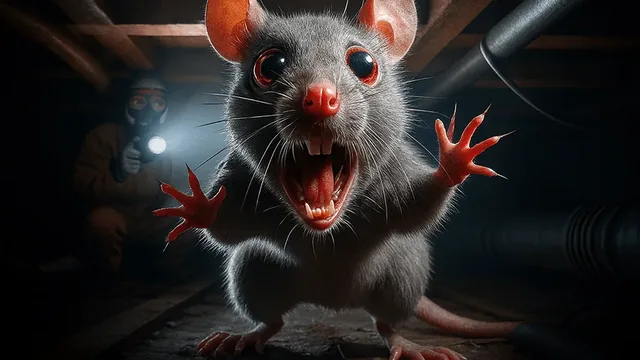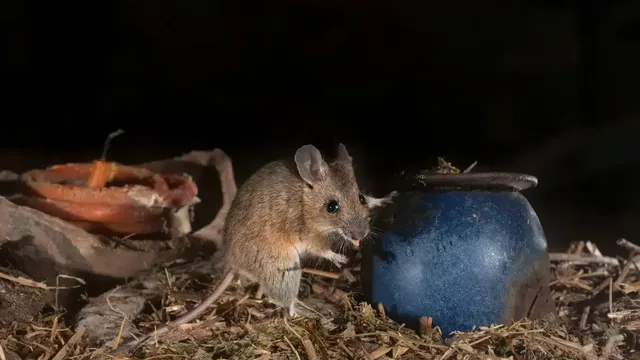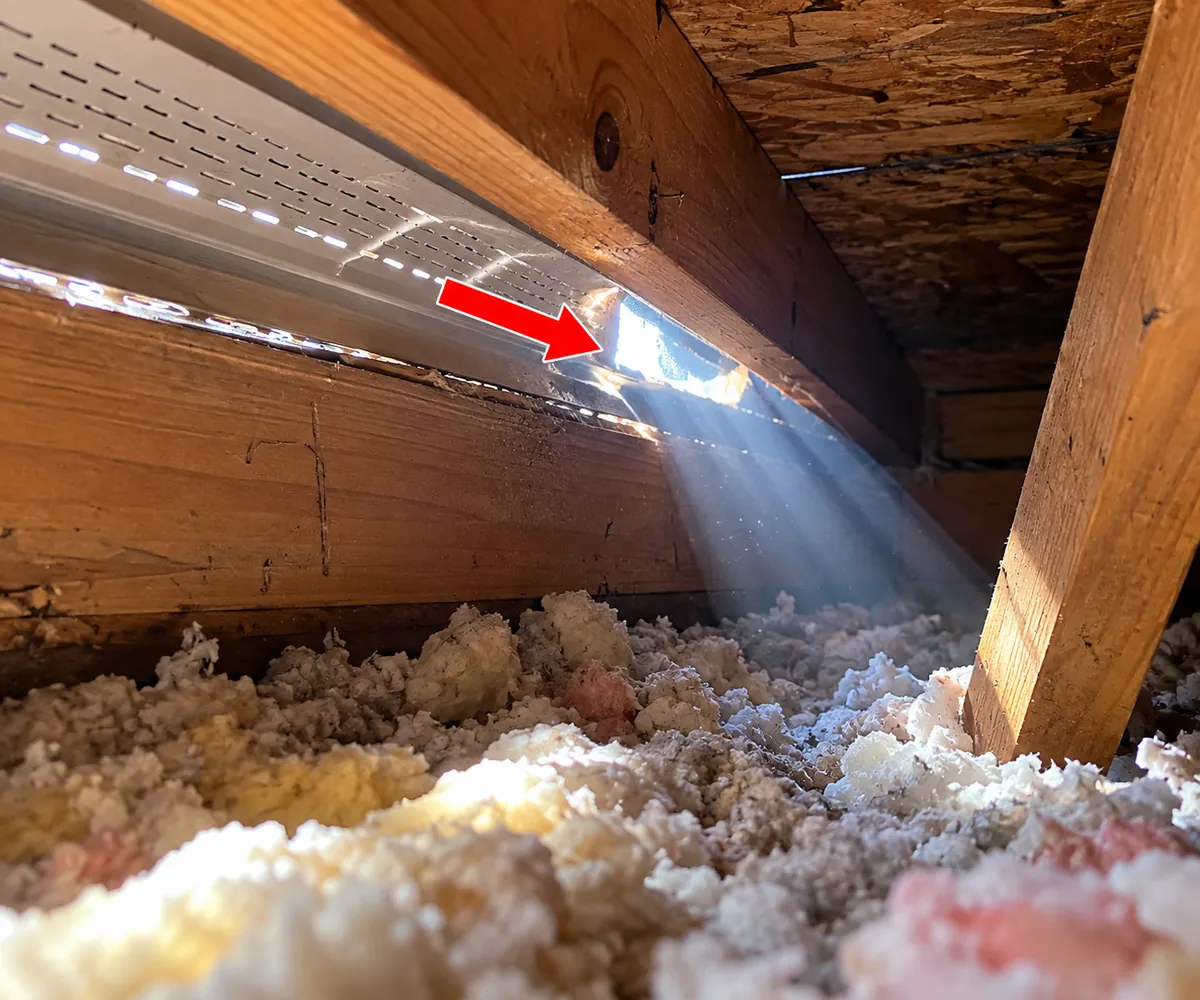
The opening at the roof edge shown in the photo may look small, but gaps around soffits and fascia can give rats or squirrels a route into an attic. Once inside, animals may chew wire coverings, disturb insulation, and leave droppings or nesting material. The photo shows daylight through a gap above loose insulation; it illustrates a possible access point, not proof that an animal used it.
In Hampton Roads, loose vent screens, deteriorated trim, storm damage, and branches that reach the roofline can all deserve a closer look. The first step is to identify the opening and check for current activity before anyone seals it or disturbs attic material.
Common places rats and squirrels enter attics
Start with the roof edge and the places where building materials meet. An inspection can check:
- Soffit and fascia seams: loose panels, damaged boards, open corners, and gaps at soffit returns.
- Roof and gable vents: missing or bent screening and damaged trim around vent openings.
- Eaves and roof intersections: openings where a roofline meets siding, dormers, or another roof section.
- Utility and pipe penetrations: unsealed gaps where cables, pipes, or vent lines pass through the structure.
- Branches touching the roof: limbs are not an opening by themselves, but they can give squirrels easier access to the roofline.
Not every gap is active, and not every attic sound identifies the animal. For signs that help distinguish rats from mice, see our Hampton Roads attic rodent guide. If the signs point to a squirrel, our squirrel removal and exclusion service explains the inspection-first approach.
Why attic activity should be checked promptly
Rats and squirrels may gnaw on wiring, wood, plastic vent screens, or other materials. Damaged wire insulation can expose conductors and create an electrical or fire hazard. Do not touch damaged wiring; have it assessed by a qualified electrician.
Droppings, urine, nesting material, and animal debris can contaminate insulation, create persistent odors, and add particles when disturbed. That can affect indoor air quality, but the extent depends on the material and how much contamination is present. Keep children and pets away from affected areas, and do not dry-sweep or casually vacuum attic debris.
A prompt inspection may catch a small opening before damage spreads. When contamination or wiring damage is extensive, cleanup and restoration can reach thousands of dollars; the actual scope varies, and an inspection cannot guarantee a specific amount of savings. Our attic rodent cleanup and sanitization overview explains the work that may be needed after activity is addressed.
What an attic inspection can establish
An inspection looks for the likely access route, signs of current or past activity, and damage to insulation or wiring. The findings help determine whether the next step is exclusion and seal-out, cleanup, or removal and replacement of contaminated insulation. The opening should not be closed until the appropriate plan accounts for any animal that may still be inside.
From the ground, you can note when you hear activity, photograph visible roof-edge gaps, and keep pets away from droppings or nesting material. Do not climb onto the roof, enter an unsafe attic, handle wiring, or disturb debris. Homeowners in Virginia Beach and Chesapeake can also review their local rodent-control information.
Not sure what is using the opening?
Request an attic inspection to identify the access point and discuss the right next step for rats, squirrels, or contaminated insulation.
Frequently Asked Questions
Where do rats and squirrels enter an attic?
They commonly use gaps at soffits, fascia, roof and gable vents, roof intersections, and utility penetrations.
Explore squirrel removal and exclusion
Branches can also give squirrels access to the roofline. An inspection helps determine whether a visible gap is active and what animal evidence is present.
Can attic animals damage wiring and insulation?
Yes; rats and squirrels can gnaw on wiring coverings and disturb insulation, so suspected damage should be checked promptly.
Do not touch damaged wiring. A qualified electrician should evaluate exposed or damaged conductors, while an attic inspection can assess the animal entry route and affected material.
Can droppings in attic insulation affect indoor air quality?
They can; droppings, urine, and nesting debris may contaminate insulation and release dust or odors when disturbed.
The level of concern depends on the material and extent of contamination. Keep people and pets away, and avoid dry sweeping or vacuuming until the area is assessed.
How can I tell whether a rat or squirrel is in the attic?
Sound alone is not reliable; droppings, gnaw marks, nesting material, and the opening provide better clues when assessed together.
Explore squirrel removal and exclusion
Activity time can offer context, but it does not confirm a species. A professional inspection can compare the evidence without disturbing the attic.
What should I do before an inspection?
Stay out of the attic, keep children and pets away from debris, and photograph visible openings from a safe place.
Do not climb onto the roof, handle damaged wiring, or seal an opening before the inspection determines whether an animal could still be inside.