By the end of summer, a Hampton Roads crawl space has spent months responding to coastal humidity, heavy rain and warm ground. The damage may be invisible from the living room. Under the floor, elevated wood moisture can support termite activity, wood-decay fungus, musty odors and conditions that make rodents more comfortable.
That is why late summer is a practical inspection window. You can find the clues while the conditions are still active, before fall schedules fill up and before a soft floorboard or winter odor forces an emergency decision.
What several months of coastal weather can leave behind
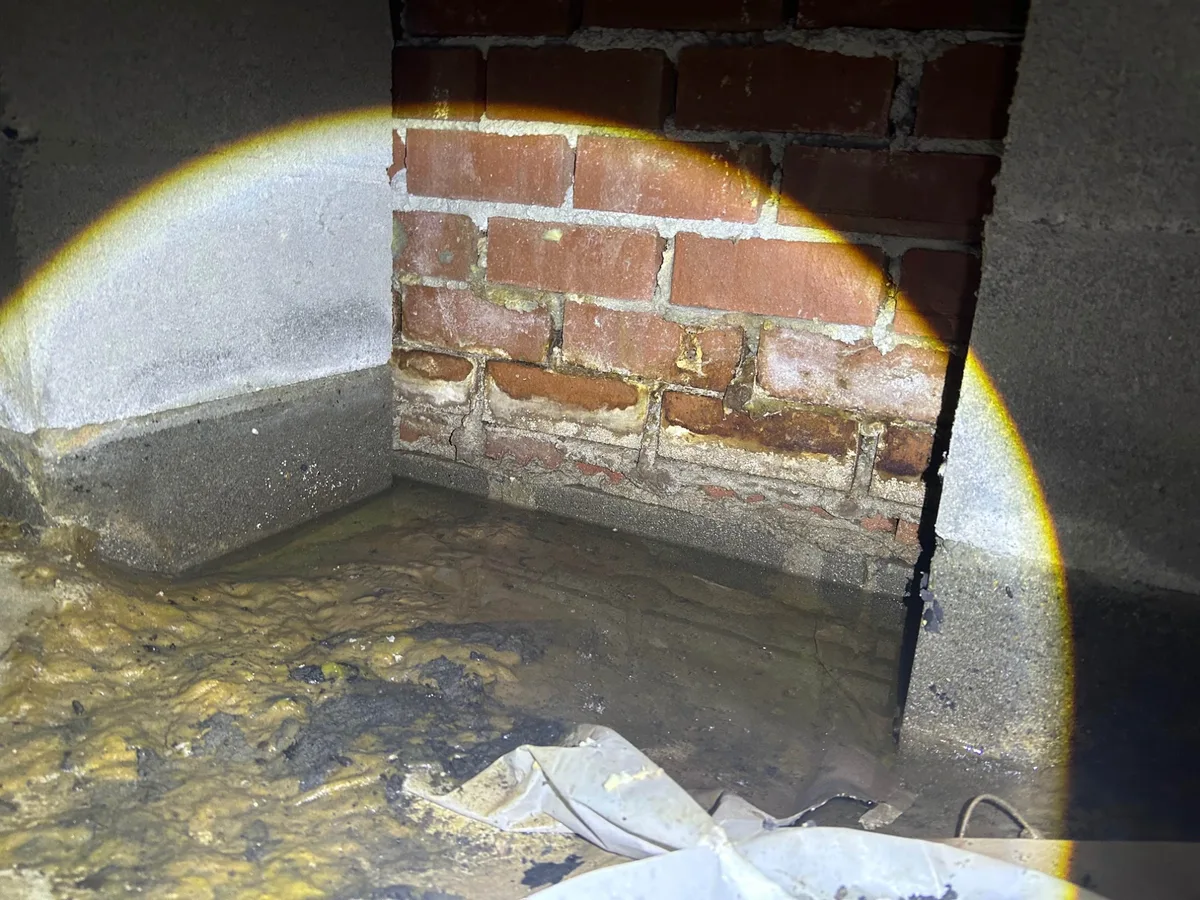
Moisture enters the crawl-space picture in more than one way. Humid air can condense on cooler surfaces. Downspouts or grading can direct water toward the foundation. Plumbing may seep slowly. A damaged ground vapor barrier can leave exposed soil contributing moisture day after day. A crawl space may have no standing water and still have a moisture problem.
Moisture also changes the pest picture. Subterranean termites use soil moisture and protected routes to reach wood. Fungus can discolor or soften damp members over time. Rodents prefer dry, quiet nesting pockets, and they can turn damaged insulation into a hiding place. These problems can overlap, which is why a visual inspection should look at the structure, moisture and pest evidence together.
Five findings worth putting in writing
- Wood moisture and visible decay. Ask which members were checked and whether the technician found discoloration, softness or fungal growth.
- Termite evidence. Mud tubes, discarded wings, damaged wood and conducive soil-to-wood contact deserve photos and a clear explanation of whether the evidence appears active.
- Ground and drainage conditions. Note exposed soil, torn vapor barrier, wet insulation, plumbing drips and water that collects near piers or foundation walls.
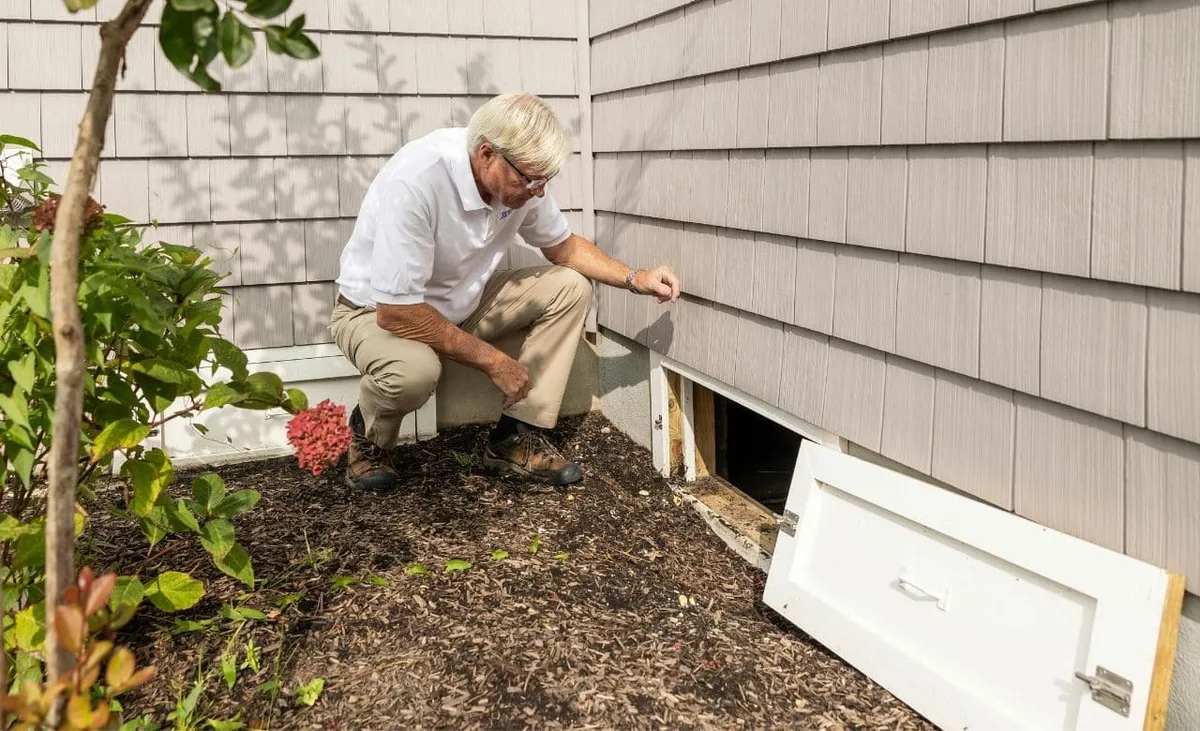
- Ventilation and access. A door that does not close, damaged vent screening or blocked airflow can create both pest and moisture concerns.
- Insulation and duct condition. Look for fallen batts, staining, rodent nesting, torn flex duct and gaps where the floor system meets the living space.
Local construction makes the inspection specific. Older colonial homes in Portsmouth and Norfolk can have tight or irregular crawl-space access around additions. Low areas near Sandbridge and Hickory may need closer attention to grading, drainage and moisture movement. Homes around Western Branch, Great Bridge and Poquoson can have different soil and water conditions even when the upstairs symptoms sound similar.
Why early findings can protect the repair budget
A report cannot promise that a small issue will never become expensive, but it can give you a chance to make decisions while the work is limited. Sealing a route, correcting a downspout, replacing a damaged access door or treating an active termite colony is easier to plan before a joist, subfloor or duct system has been affected for another season.
Start with a crawl-space inspection when the main concern is moisture, access, insulation or structure. If you see termite evidence, request a free homeowner termite inspection as well. If the property is part of a sale or refinance, a WDI/WDIR closing report is separate from that free homeowner inspection and carries the published real-estate fee of $75–$125.
What happens during a late-summer visit?
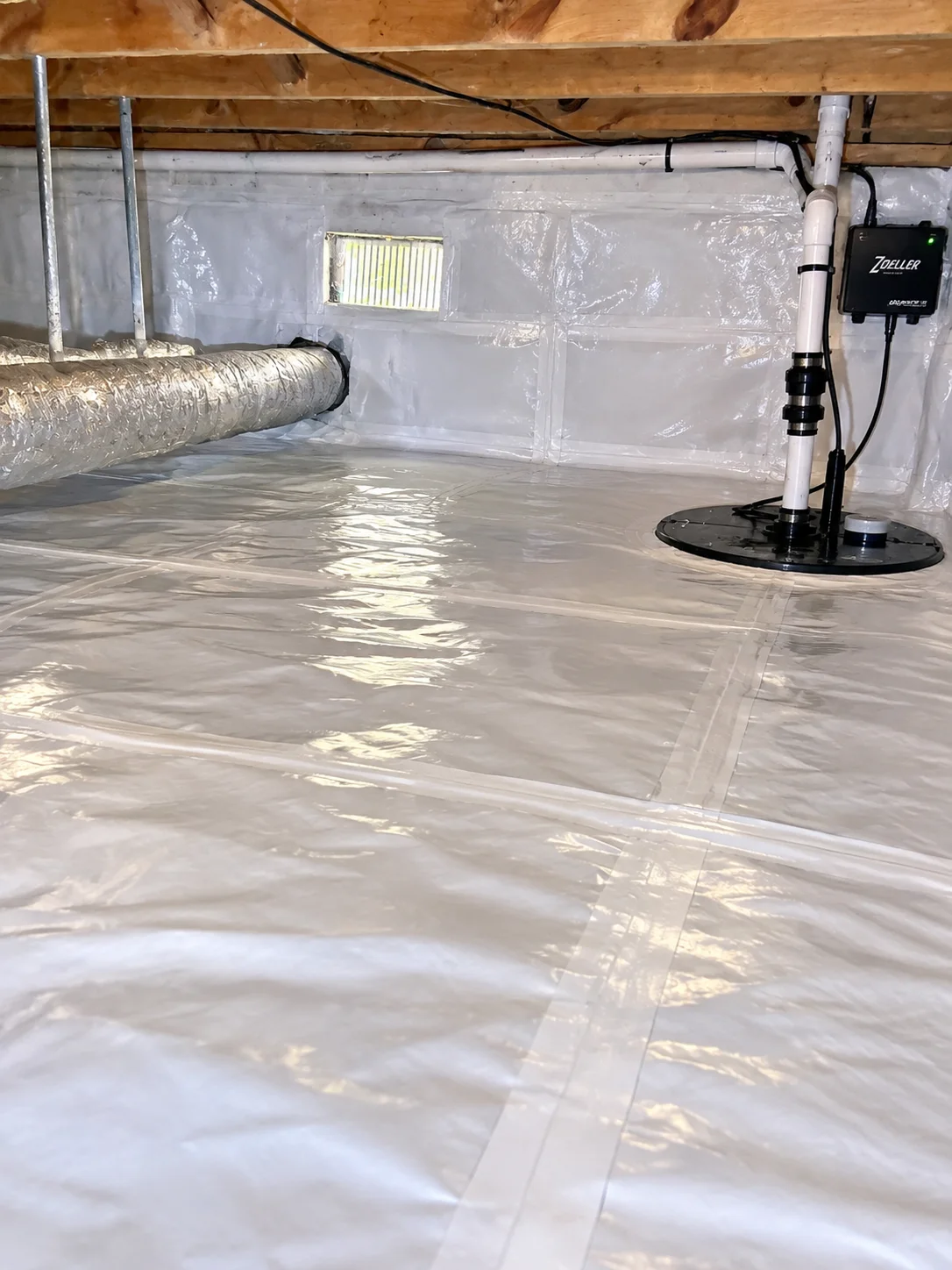
A technician checks the accessible crawl space, foundation walls, piers, sill areas, floor framing, insulation, ductwork and visible plumbing. The visit should connect photos and written findings to practical next steps rather than simply label the space “damp.” Depending on what is found, the next step may involve pest control, drainage or moisture correction, crawl-space cleaning, dehumidification or encapsulation.
For persistent moisture, compare the options for crawl-space dehumidification and encapsulation after the source of water has been addressed. A treatment should match the actual condition under the house, not just the odor noticed upstairs.
Frequently Asked Questions
Is October a good time for a crawl-space inspection?
Late summer is useful because the crawl space has experienced the season’s humidity and rain, so moisture and pest clues may be easier to find. It is not the only good time to inspect: new odors, soft flooring, visible termites, rodent evidence or water intrusion should be checked whenever they appear.
What should a crawl-space inspection look for?
A thorough inspection connects conditions under the house to practical next steps: wood moisture and decay, termite evidence, drainage and ground conditions, venting and access, insulation, ductwork and visible plumbing. Photos and written findings make it easier to decide which issue needs attention first.
Can a crawl space have a moisture problem without standing water?
Yes. Humid air can condense on cooler surfaces, exposed soil can add moisture through a damaged vapor barrier, and slow plumbing leaks or poor grading can keep wood moisture elevated without leaving a pool on the floor. Moisture readings and the surrounding conditions matter more than a single visual check for water.
What is the difference between a homeowner termite inspection and a WDI report?
A homeowner termite inspection is a service visit to look for termite evidence and explain treatment options. A WDI/WDIR report is formal documentation prepared for a real-estate transaction, so it is a separate paid report. Tell the provider whether you need a diagnosis for your home or closing paperwork.
What should I do after a crawl-space inspection finds moisture?
Address the source before choosing a finish: correct drainage or plumbing issues, repair damaged vapor-barrier areas, and improve the conditions that keep moisture elevated. After that, the appropriate next step may be dehumidification, encapsulation, insulation work or pest treatment, depending on the findings.