Most house mice prefer to move when a Chesapeake home is quiet, which is why a mouse crossing the kitchen floor at noon gets attention. Daytime activity is not a species test by itself, but it is a useful clue. It can mean a mouse is hungry, displaced, competing for space, or using a route that has become unusually safe.
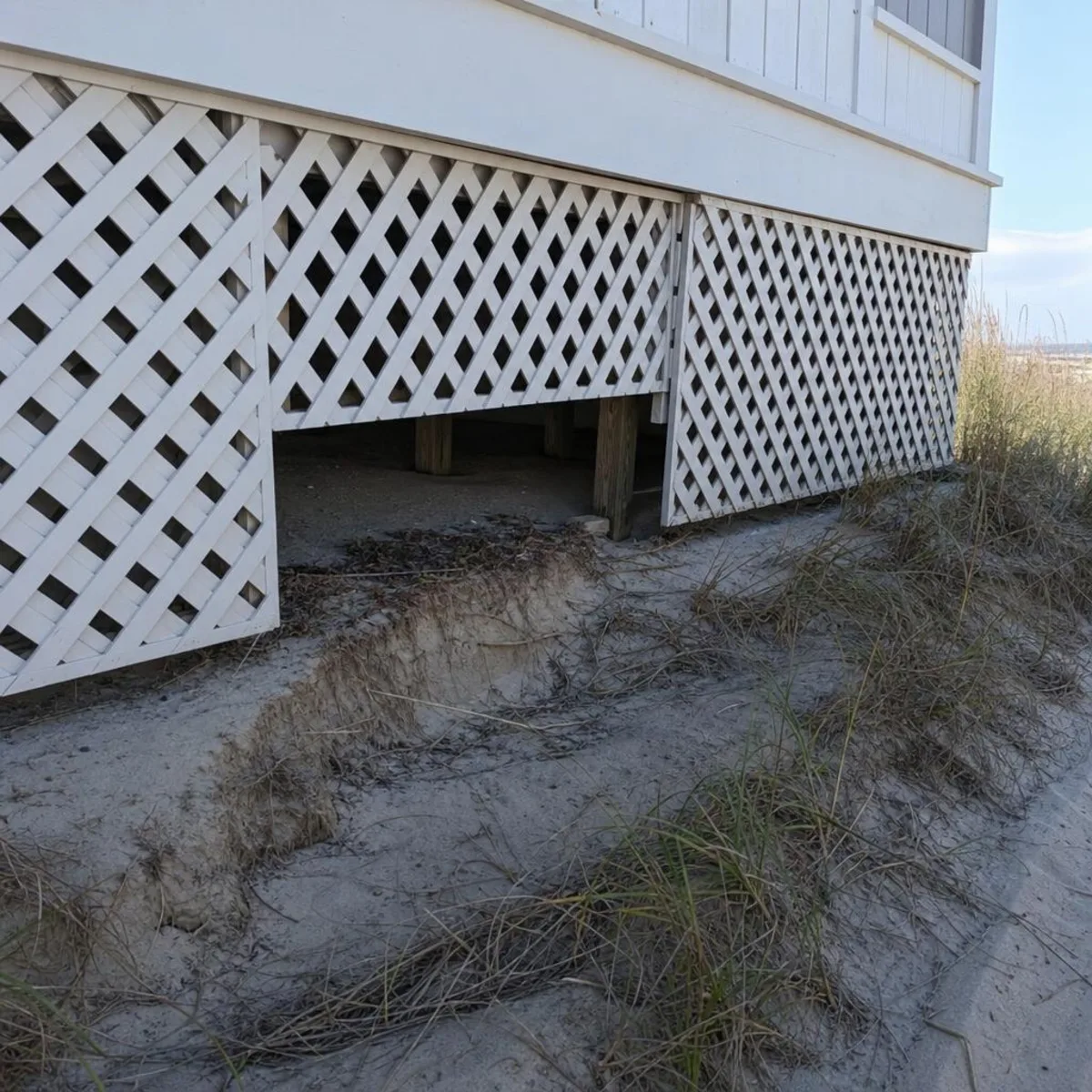
In Chesapeake, the surrounding setting can change the clue. A crawl-space home near Great Bridge or Deep Creek may have a different entry route from a slab home in Greenbrier, Western Branch, or South Norfolk. The time of day tells you when the animal was visible; droppings, runways, and the entry gap tell you why.
What daytime mouse activity can signal
A single daytime sighting may be a young mouse exploring or an animal flushed from a hiding place. Repeated daytime movement, several sightings in one day, or activity in rooms that were previously quiet deserves more attention. A crowded nest or a blocked route can make mice take risks they normally avoid.
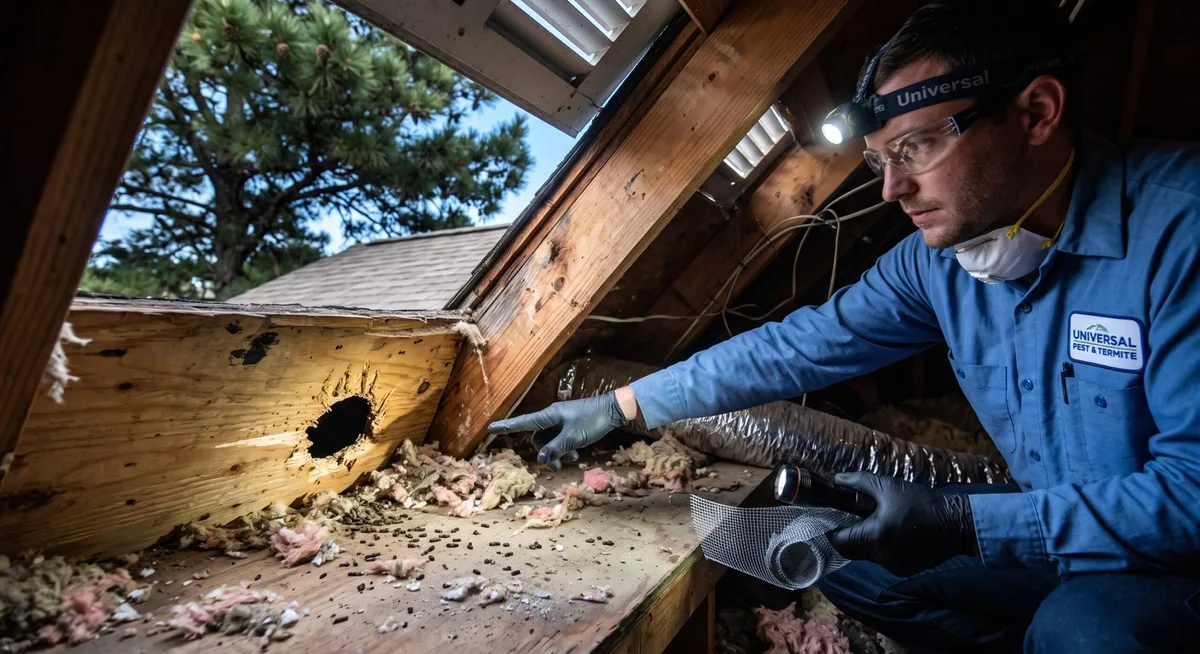
Do not wait for a daytime sighting to confirm a problem. Small droppings under a sink, gnaw marks near a food package, a greasy edge along a wall, and shredded paper in a cabinet can provide stronger evidence than the clock.

Daytime versus nighttime evidence
| Clue | What it may tell you |
|---|---|
| One mouse at night | Typical timing, but still worth checking for an entry route and fresh evidence. |
| One mouse in daylight | Could be exploration or disturbance; note where it came from and where it went. |
| Repeated daytime sightings | October indicate a busy route, limited hiding space, or strong food and shelter pressure. |
| Day and night signs | Treat the pattern as active until an inspection shows the route has been cleared and closed. |
Frequently Asked Questions
Are mice normally active during the day?
House mice are generally more active at night, but they can move during the day when food, shelter, competition, or disturbance changes the safest route.
The clock is one clue, not a diagnosis. A daytime sighting should be considered with droppings, gnawing, nesting material, and the location where the mouse disappeared.
What does seeing a mouse in daylight mean?
A daytime sighting may mean the mouse was exploring, was flushed from cover, or is dealing with enough pressure that a normally hidden route is no longer sufficient.
One sighting cannot measure the population. Repeated movement, fresh signs in several rooms, or activity near food and water makes a closer inspection more useful.
Why might a mouse cross my Chesapeake kitchen during the day?
A kitchen offers food, water, and protected edges, so a mouse may cross it when those resources are easier to reach than its usual hiding place.
Look along the toe-kick, behind appliances, beneath the sink, and around utility lines. Keep food sealed while preserving any evidence that shows how the animal reached the room.
Can traps alone solve a daytime mouse problem?
Traps can remove individual mice, but they do not close the opening or change the conditions that let more mice enter and travel through the home.
Placement should follow evidence rather than guesswork, and a suspected entry point should not be permanently closed until the current activity has been addressed. Otherwise, animals may be trapped inside or redirected into a wall void.
When should I arrange a Chesapeake mouse inspection?
Arrange an inspection when daytime sightings repeat, fresh droppings appear, you hear movement in a wall or ceiling, or you find gnawing, nesting material, or a likely entry gap.
Prompt attention is especially sensible around damaged wiring, contaminated insulation, or a crawl-space opening. Keep the area undisturbed and document what is visible from a safe position.
Chesapeake places that deserve a closer look
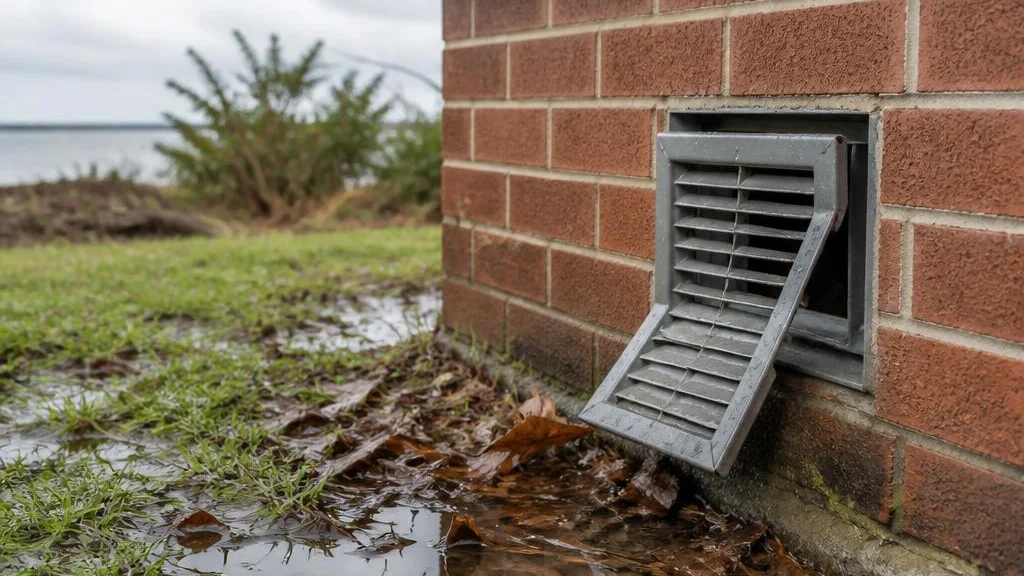
Begin at the edge of the home. Garage door corners, foundation vents, crawl-space access panels, and gaps around plumbing or HVAC lines are common places to compare with an indoor trail. In older homes, a settled addition or worn screen can leave a narrow route that is easy to miss from the yard.
In newer areas, do not assume the building is sealed simply because the home is new. A door sweep, utility penetration, or unfinished transition can be enough for a mouse. Landscaping can also provide cover along the foundation, especially where mulch, dense plants, and stored materials touch the wall.
Safer next steps after a daytime sighting
- Keep children and pets away from the mouse’s route and any droppings.
- Store food and pet supplies in sealed containers and clean crumbs.
- Note the time, room, direction, and hiding place without chasing the animal.
- Photograph signs without sweeping or vacuuming them dry.
- Have the activity and entry route evaluated together.
Our mouse control and pest exclusion services are built around both parts of the problem. Chesapeake homeowners can also start with the local rodent control page or submit a rodent inspection request.