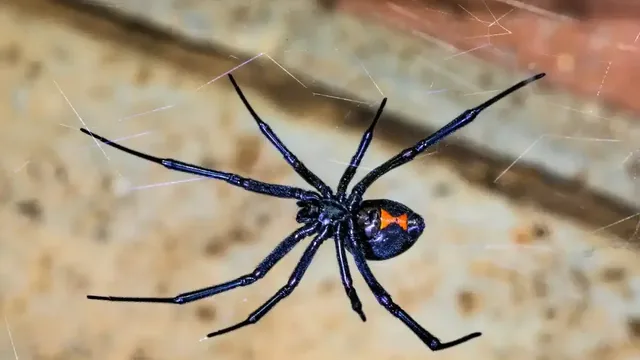
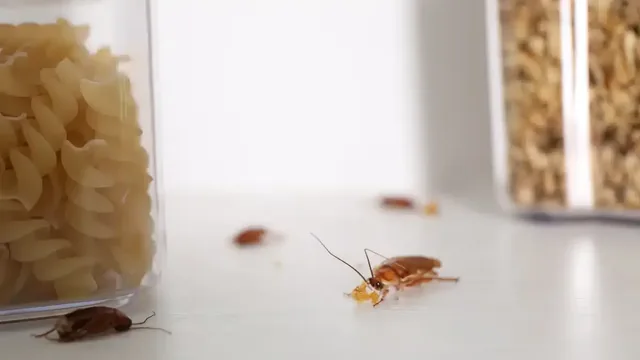
A bug on a windowsill, a mouse in the pantry, wings beside a door, or a line of mud on a foundation can all prompt the same question: what am I looking at? A clear photo can help narrow the possibilities, but the useful details depend on what you found and where it appeared.
Universal Pest & Termite’s 24/7 Instant Pest ID gives a preliminary visual match for insects, rodents, termite signs, and other visible pest evidence. It is a starting point—not a diagnosis of an infestation, hidden damage, or treatment need.
How to take a useful pest photo
Use steady light and hold the camera still. Move close enough to show useful markings, but keep the entire insect or piece of evidence in frame. Avoid digital zoom, filters, and a dark background that hides the edges. If the pest is small, take the clearest close-up you can without touching or trapping it.
- For an insect: Include the whole body and any visible markings. A second angle can help you compare features, but the Instant Pest ID form accepts one image, so choose the clearest view.
- For a mouse or rat: Photograph from a safe distance if the animal is visible. For droppings, gnaw marks, or nesting material, show where the sign was found without touching or sweeping it. Keep children and pets away from the area.
- For possible termite evidence: Photograph the visible wings, mud tube, or damaged area with enough surrounding context to show where it is. Do not break open a tube or remove material just to improve the picture.
If you cannot get a clear photo safely, do not approach or handle the pest. Describe where you saw it and what else you noticed instead. The location—a kitchen cabinet, attic, crawl-space access, or exterior foundation—can help a specialist decide what to check.
What a 24/7 photo ID can—and cannot—tell you
You can submit a photo any time. The automated tool returns a likely match and a confidence level when the visible details support one. If the image is blurry, the subject is partly hidden, or similar pests cannot be separated from the photo, it may return an uncertain result and send the image to the local team for review.
A single picture cannot confirm how many pests are present, whether they are breeding inside the home, how they entered, or whether there is concealed damage. A termite-like insect near a window, for example, is not by itself proof of a colony in the framing. A mouse photo does not show every entry point. Use the pest library to compare common local pests, then use the photo result as a guide to what to ask—not as a reason to start treatment on your own.
When a photo should lead to an inspection
Repeated sightings, fresh droppings, gnawing, a visible entry gap, or termite evidence in the same area are reasons to ask for a closer look. The right inspection depends on the evidence: rodent work may include checking accessible entry points, while termite concerns need an inspection of the structure and relevant wood or foundation areas. Learn more about our rodent control and exclusion service.
You can request an inspection through the photo form by adding the service address. That sends a request to our team; the appointment is not confirmed until someone contacts you to agree on a time. If you only want a preliminary photo match, you can submit without requesting an inspection.
When you are ready, use 24/7 Instant Pest ID to show us what you found. One clear image and a short note about where it appeared give the local team a better starting point.
Frequently asked questions
Can the photo ID help with a mouse or rat, not just an insect?
Yes. The tool can provide a provisional rodent match when the photo shows enough detail to support one. A picture of droppings or gnaw marks may help identify the kind of evidence, but it cannot confirm how many rodents are present or where they entered.
Can a photo confirm that I have termites?
No. A photo may show a likely termite, wings, or a mud tube, but it cannot confirm the extent of activity or concealed damage. Treat the result as a preliminary clue and request an inspection when you find repeated or structural evidence.
What if I find pest evidence but do not see the animal?
If you can photograph the evidence safely, choose one clear image that shows both the detail and its location. Do not touch or sweep droppings, break open mud tubes, or move material to get a closer view. Add a short note about where and when you found it.
Does sending a photo automatically book an inspection?
No. You can submit a photo for a preliminary match alone or separately request an inspection by providing the service address. A requested visit is not booked until a team member contacts you to confirm a date and time.
Is the photo result a professional diagnosis?
No. It is an AI-assisted preliminary visual match, not a professional inspection or confirmation of an infestation, damage, health risk, or treatment plan. A local specialist can review uncertain photos and inspect the property when needed.