FOR IMMEDIATE RELEASE
Universal Pest & Termite – Proper Bed Bug Identification & the Hidden Health Risks They Carry
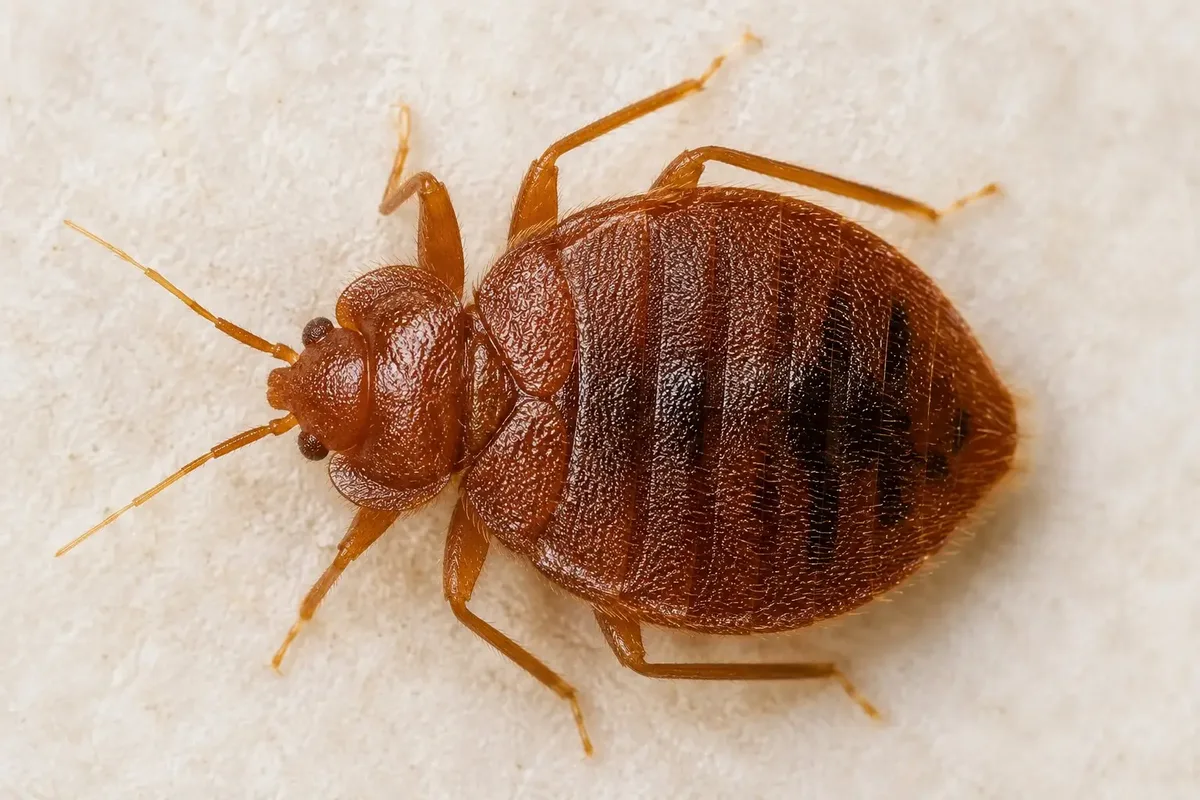
Virginia Beach, VA – The fastest way to stop a bed bug problem in Hampton Roads is to confirm what you actually have before anyone treats: an adult bed bug is a reddish-brown, apple-seed-shaped insect, and misreading it as a carpet beetle or roach nymph is how a few bugs become a whole unit. Universal Pest & Termite, the region's family-owned pest company for 26 years, is pressing that point because this is a corner of Virginia where beds and belongings move constantly — proper identification is critical in a place with this much turnover.
Look for reddish-brown, apple-seed-shaped insects; tiny white eggs the size of a pinhead; shed skins; pepper-like fecal spots; and small blood spots on bedding or furniture seams. Bed bugs travel on luggage and secondhand furniture, and few places move more of both than the Virginia Beach Oceanfront during its rental turnover, when a mattress and box spring change hands every few days through the summer season. Catch the signs early and the job stays contained to one room instead of a building.
Why Bed Bug Identification Matters More in Hampton Roads
Two things make this region different from an inland market. First, the Oceanfront and the I-264 hotel corridor run on short stays: guests roll in and out of the same rooms nightly, and a single infested suitcase can seed a floor before housekeeping ever notices. A property that inspects and identifies early is dealing with one room; one that waits for guests to report bites is usually dealing with more than one.
Second, the military moves people through here on a schedule no other city keeps. Naval Station Norfolk relocations put families into new-to-them housing and storage units on a permanent-change-of-station clock, often with furniture that has ridden a moving truck across the country. Bed bugs travel exactly that way, folded into the seams of a couch or the joints of a bed frame, so the weeks around a move are when identification matters most.
The dense multi-unit stock adds a third pressure. The apartment blocks around Town Center share walls, chases, and utility runs, and a bed bug that establishes in one unit can follow those voids into the next. In a shared building, correct identification in a single apartment protects everyone on the floor.
What You See Versus What It Means
Homeowners and renters can settle most of the guesswork with a quick read of the evidence:
| What you see | What it means | What to do |
|---|---|---|
| Reddish-brown, apple-seed-shaped bugs in mattress seams | Adult bed bugs — the confirming sign | Stop moving items between rooms and schedule an inspection |
| Pepper-like black specks along seams and headboards | Fecal spotting from an active harborage | Isolate the bedding and have the room professionally checked |
| Tiny translucent shells near the box spring | Shed nymph skins — the population is growing | Treat promptly before it spreads through wall voids |
| Itchy welts but no physical evidence | Bites alone are unreliable and mimic other pests | Confirm with physical signs before paying to treat |
Bed bugs can easily be confused with carpet beetles, bat bugs, or small roach nymphs, which often leads to ineffective treatment or delayed action. Bed bugs are not known to spread disease to people. What they do cause is itchy welts, allergic reactions in sensitive people, lost sleep, and skin infections from scratching, along with the cost and disruption of treating a building once they have spread. That is reason enough to identify them quickly in hotels, dormitories, multi-unit housing, and assisted-living settings, where one missed room becomes a building-wide problem.
Identification comes first. Bed bug treatment is a different job from routine pest control, and calling the wrong insect a bed bug — or missing a real one — is how a single room turns into a home-wide infestation over a few weeks.
Universal Pest & Termite provides thorough bed bug inspections, advanced treatment techniques, and family-safe products designed for Virginia’s coastal climate and housing structures. Lead inspector David Shafer has spent more than fifteen years reading these signs in Hampton Roads homes, from Oceanfront rentals to the older brick apartments inland, and the company reminds residents that DIY methods often fail because bed bugs resist many over-the-counter products and hide deep within furniture, wall voids, and electrical outlets.
Universal Pest & Termite: Bed Bug Identification FAQ
1. What do bed bugs actually look like?
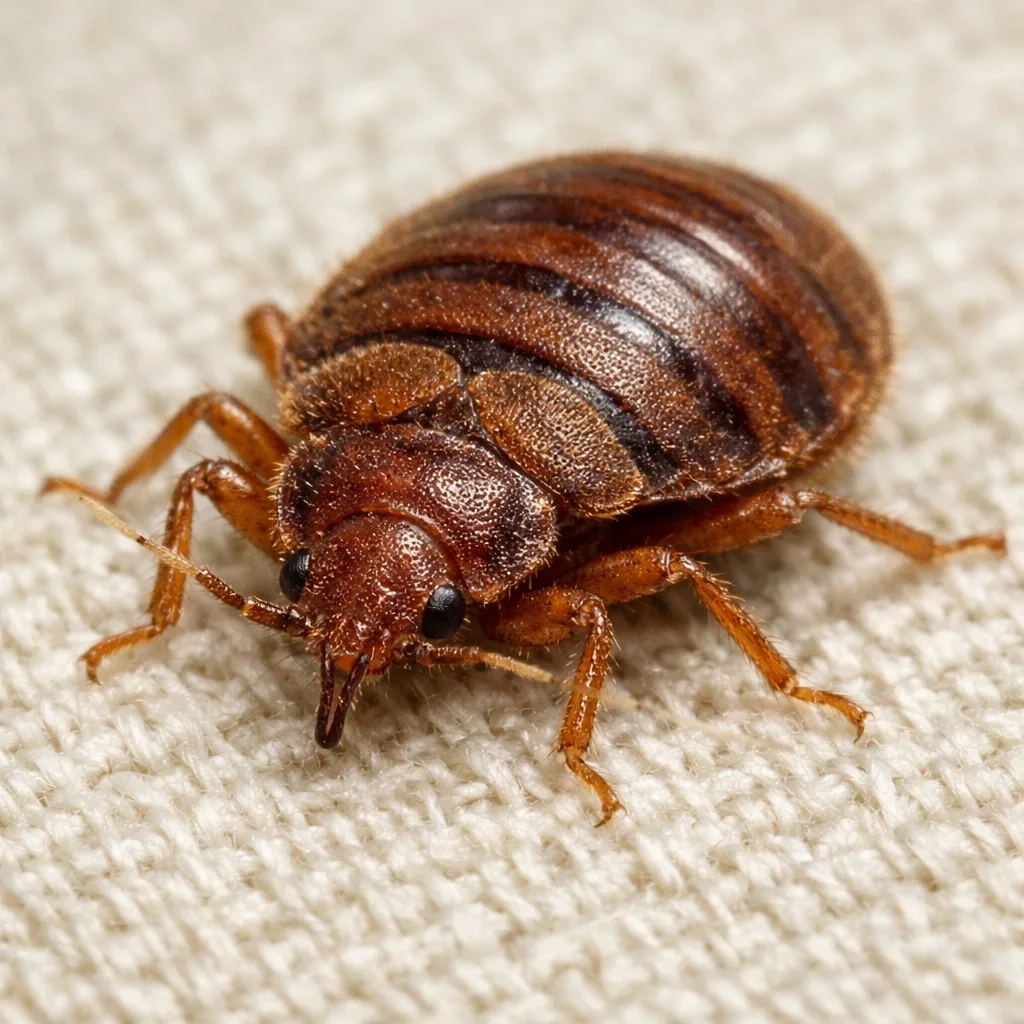
To the naked eye, adult bed bugs are reddish-brown, wingless, and about the size and shape of an apple seed. If they’ve recently fed, they look more elongated and “torpedo-shaped.” Younger bed bugs (nymphs) are much smaller and can be translucent or pale yellow, making them extremely difficult to spot without professional training.
2. I just checked out of an Oceanfront rental. How do I avoid bringing bed bugs home?
Because the Oceanfront and the I-264 hotel corridor turn rooms over so fast, treat every stay as a chance to inspect. Keep luggage off the bed and floor on a hard-topped rack, check the mattress seams and headboard for pepper-like spotting before you unpack, and run everything through a hot dryer when you get home. That routine catches the bugs before they settle into your own seams.
3. Where are the most common hiding spots?
Bed bugs are experts at “hide and seek.” They prefer to stay within 5–8 feet of where you sleep. We check the piping and seams of mattresses, the folds of headboards, behind electrical outlet covers, and even in the joints of nightstands. If a crack can hold a credit card, it can hold a bed bug — and in a Town Center apartment those cracks continue into shared wall voids.
4. We just PCS'd into Norfolk with a moving truck. Should we worry about our furniture?
It is worth a careful look. Naval Station Norfolk relocations bring furniture that has sat in trucks and storage alongside other households, which is a classic way bed bugs travel. Inspect bed frames, couch seams, and dresser joints as you unload, and set anything questionable aside for a professional inspection before it goes into a bedroom.
5. How do I know the bed bugs won’t just come back?
Elimination is only half the battle; prevention is the other. As part of an ongoing pest control program, we provide continual monitoring and place professional-grade monitoring strips discreetly under the bed where no one can see them. Those strips catch a potential issue before it becomes a full-blown infestation, which matters most in shared buildings where a neighbor's problem can migrate through the walls.
About Universal Pest & Termite
Universal Pest & Termite is a family-owned, BBB Accredited company serving Virginia Beach, Chesapeake, Norfolk, Newport News, Suffolk, Portsmouth, Hampton, and Williamsburg. For 26 years, Universal has provided expert pest control, termite protection, moisture control, insulation services, duct cleaning and structural repair solutions—with no long-term contracts and local, in-house customer support.
For media inquiries or to schedule an inspection, contact:
Universal Pest & Termite
www.universalpest.com