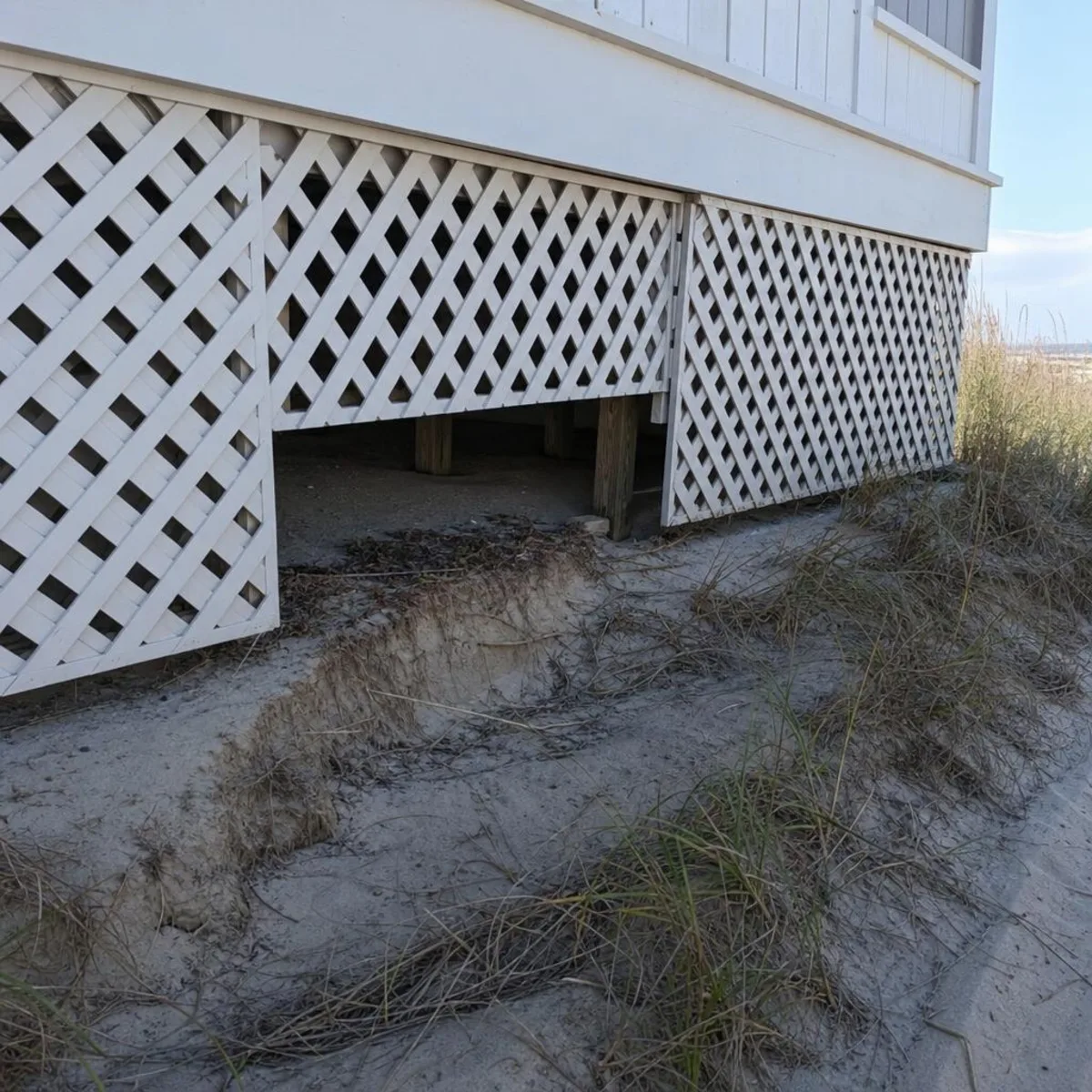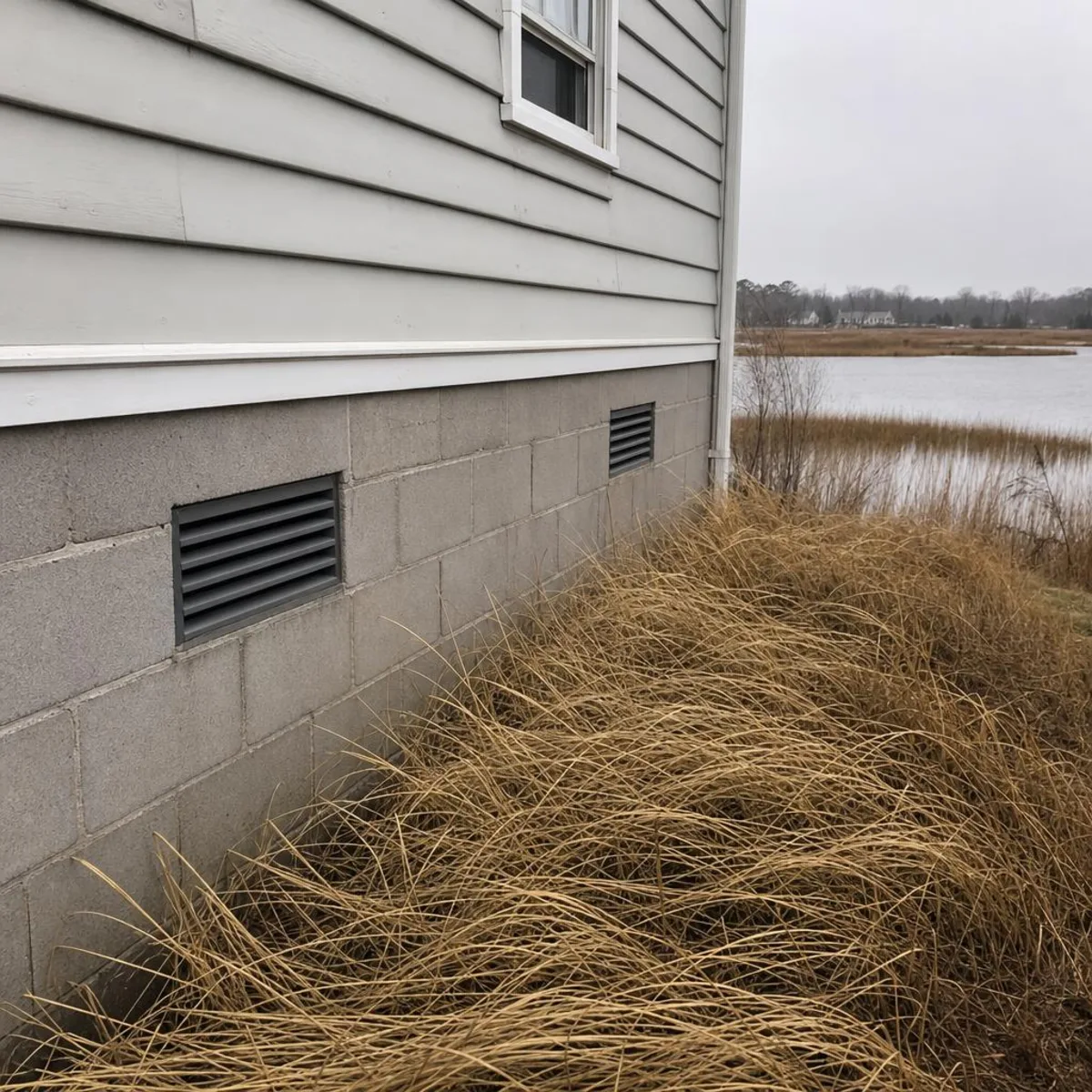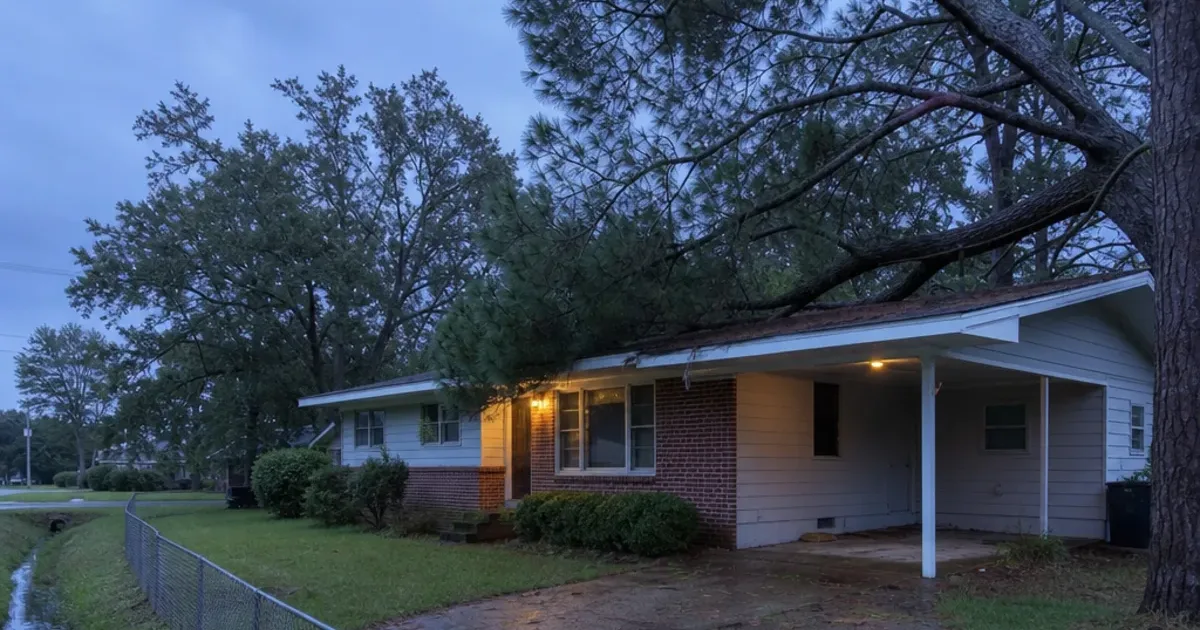
An early-1900s home in Ghent or Larchmont was built beautifully but not tightly. Decades of lost mortar, a sill plate that never sat flush on its brick foundation, and aged crawl doors leave gaps a rat clears easily — and exclusion on masonry this old cannot simply be foamed shut.
How does a rat get through a solid brick foundation?
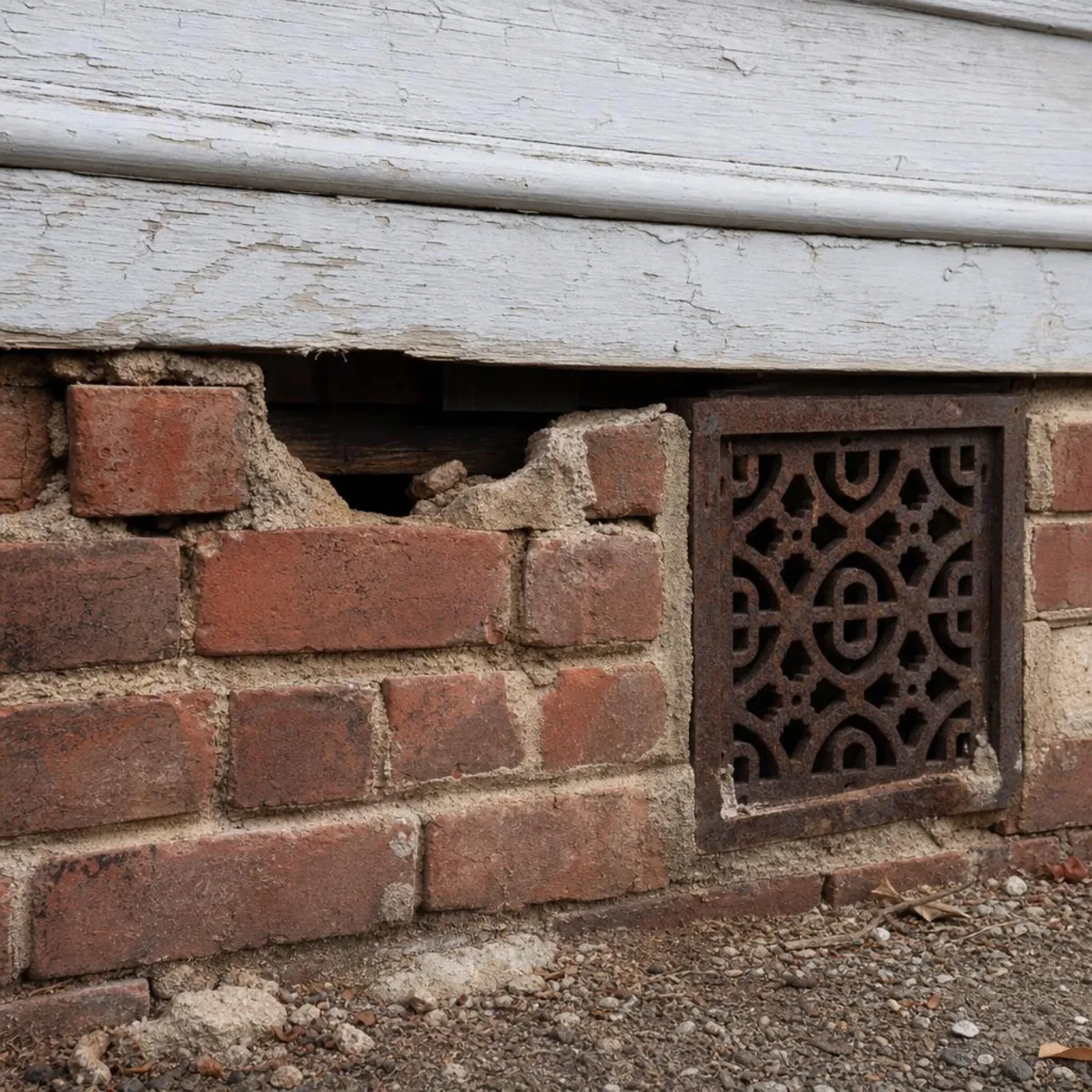
It does not go through the brick — it goes through what time has opened around it. Give a rat an opening roughly as wide as a quarter is across and it will force through, and a century-old foundation offers plenty: eroded mortar joints, the seam where the wooden sill plate meets the brick top course, gaps around old pipe penetrations, and warped crawl vents. Rats find the softest seam and widen it.
Ghent and Larchmont housing stock leans heavily on brick or brick-veneer foundations laid with lime-based mortar that has weathered for generations. Mortar recedes, individual joints crumble, and a rat's constant gnawing turns a crumbled joint into an opening. Norway rats, the burrowers, work the base of the wall and the crawl vents near grade; roof rats, the climbers, exploit gaps higher up where the sill meets brick.
The sill plate line is the classic weak point. Old framing rarely sat perfectly level on the masonry, so a ribbon of daylight runs along the top of the foundation behind the siding — invisible from the yard, wide open to a rat that climbs.
Why can't you just foam these historic gaps shut?
Rats chew straight through expanding foam and caulk, so those materials fail on any home. On a historic house there is a second reason: soft lime mortar and original brick are easily damaged, and slathering foam across a hundred-year-old foundation traps moisture against the masonry and looks wrong on a home whose character is the point. Exclusion here has to respect the building.
The correct approach uses rigid materials rats cannot gnaw — stainless steel mesh, hardware cloth, and metal flashing — fitted into the openings and, where a joint has failed, repointed with a compatible mortar rather than smeared with modern sealant. The aim is a barrier that holds against rodents without harming the wall or the look of the house.
Because the openings are woven through original fabric, this is careful, hand-fitted work. That is exactly what pest exclusion covers, and it is why we inspect a historic home opening by opening rather than reaching for a foam gun.
Where are the entry points on a Ghent or Larchmont home?
Concentrate on four zones: the mortar joints and weep holes low on the brick, the sill plate seam along the top of the foundation, the original crawl access door and its rotted frame, and the foundation vents whose old louvers and screens have rusted through. Add every pipe and utility line that pierces the wall — those penetrations were rarely sealed and have only loosened with age.
See how pest exclusion works in Norfolk
Larchmont's riverfront lots and Ghent's tree-lined blocks both sit on ground where the water table runs high and crawl spaces stay damp, which rots the wooden crawl door and its jamb faster than the brick around it. A door that no longer closes tight is a front entrance for a Norway rat.
Foundation vents are the other reliable gap. The cast louvers and thin screens on a home this age corrode and tear, and once a vent is compromised the crawl is open. A crawl space inspection maps these from inside, where the rub marks and droppings show which openings are in active use, and rodent control clears whatever is already living below the floor.
| Opening in the masonry | What a century of age did to it | How we close it on a period home |
|---|---|---|
| Crumbled, receding mortar joints low on the brick | Century-old lime mortar weathering and gnawed wider by rats | Repoint with compatible mortar and set steel mesh into open joints |
| A daylight seam behind the siding at the foundation top | Original sill plate never sat flush on the brick course | Pack the sill line with rodent-proof metal, not foam |
| A crawl door that no longer shuts tight | High water table and damp crawl rotting the wooden door and jamb | Rebuild the frame and fit a sealed, gnaw-resistant access door |
| Rusted or torn foundation vent screens | Aged cast louvers corroding in the coastal air | Replace with heavy galvanized or stainless vent screening |
| Gaps around an old pipe through the wall | Original penetrations never sealed and loosened over decades | Wrap and seal the penetration with metal collars and mesh |
| Droppings along a crawl beam near an outer wall | Rats entering low and nesting under the historic floor | Trapping to clear the population, then seal the entry seam |
In these old houses the ductwork frequently runs through the same low crawl the rats have colonized, so a run gnawed open below the parlor floor ends up blowing crawl air and rodent debris up through the registers — the situation where Universal Insulation Doctor replaces the fouled crawl batts and Universal Duct Cleaning scours the flex before the space is sealed. A rat problem in a hundred-year-old home is seldom just a masonry job by the time anyone calls; the crawl, the insulation and the ducts have usually been drawn in too.
Frequently asked questions
What size opening in an old Ghent foundation is enough for a rat?
Roughly a quarter's width across is the working threshold; a mortar joint, sill seam or vent gap that wide will admit a rat, which then gnaws it larger. In the period housing around Ghent and Larchmont the failed joints and warped vents are usually well beyond that before a homeowner spots them, since they hide behind siding, sit low on the brick, or open inside the crawl where only an inspection catches the rub marks.
Will sealing damage the original brick or mortar?
Done correctly, no. The point of using steel mesh, hardware cloth and metal flashing fitted into the openings is that they hold against rodents without loading modern sealant onto soft historic masonry. Where a joint has failed, repointing with a mortar matched to the original is both the sound repair and the rodent barrier. The wall is stabilized rather than coated over, which protects both the building and its appearance.
Can I keep the original crawl vents and door on my period home?
Often the frames and openings stay; it is the corroded screening and rotted door slab that get replaced with rodent-resistant equivalents. Keeping the historic proportions while upgrading the actual barrier is standard on these homes. Where an original louver is too far gone, a replacement can be chosen to sit sympathetically in the opening rather than announcing itself as a modern part.
Why do rats keep coming back after I plug the holes I can see?
Because the openings that matter on an old brick home are usually the ones you cannot see — the sill seam behind the siding, a mortar joint low in the crawl, a loosened pipe collar. Plugging visible holes with foam also fails, since rats chew through it. Lasting results come from an inside-and-out survey that locates every quarter-inch gap and closes each one with metal.
A period home in Ghent or Larchmont deserves exclusion done by hand — repointing a crumbled joint with matched mortar, fitting steel into the sill seam, rebuilding a rotted crawl door rather than foaming over any of it. Our Ghent pest control page and Larchmont pest control page show how that plays out on these streets, part of our broader Norfolk coverage. Start a free quote with a photo of the foundation and a technician can map every quarter-width gap and close it in a way the house can live with.