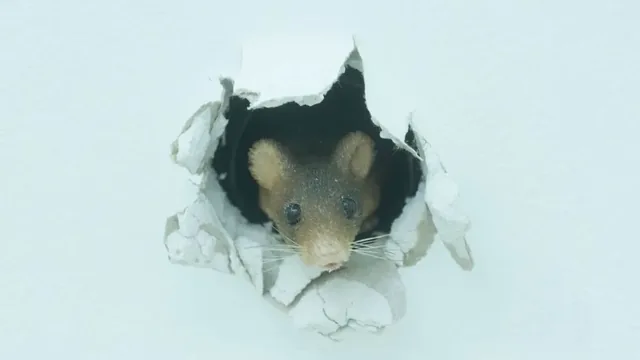
A few dark pellets in a pantry corner, along a garage shelf, or on attic insulation can raise the same question across Hampton Roads: mouse, rat, or something else? The answer is not in color alone. Size, shape, location, nearby gnawing, and how the animal could have entered all help build a picture—but droppings by themselves cannot confirm a species or tell you how many animals are present.
That distinction matters in homes from Norfolk’s Ghent and Larchmont to Great Neck and Kempsville in Virginia Beach, and Great Bridge and Deep Creek in Chesapeake. A kitchen cabinet, attached garage, crawl-space access, and attic insulation each suggest different places to inspect next. Treat those as clues, not a neighborhood-specific diagnosis.
Common rodent-dropping clues—and their limits
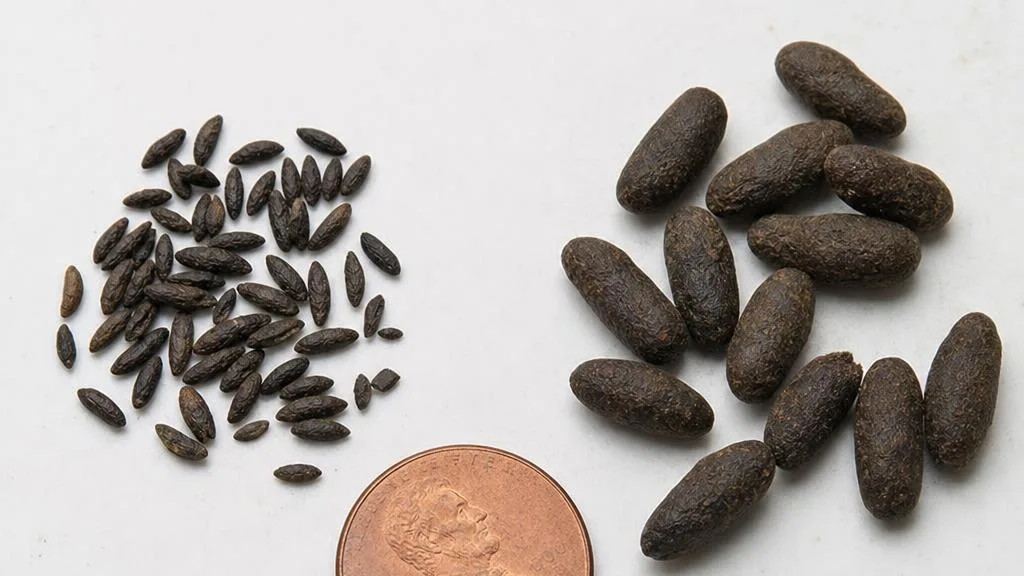
Mouse droppings are usually much smaller than rat droppings and are often described as rice-shaped with tapered ends. Rat droppings are generally larger and thicker; their ends can look blunt or tapered depending on the species. These are approximate field clues, not a reliable species test. Squirrel droppings can also be confused with larger rodent evidence, so the location and nearby signs matter.
House mouse
Small, dark, rice-like pellets, often tapered at both ends. They may appear along pantry edges, cabinet kick plates, or sheltered wall routes.
Rat
Usually larger and thicker than mouse droppings. Norway and roof rat signs can differ in where they appear, but pellet shape alone cannot reliably identify which rat is present.
Possible squirrel or another animal
Larger pellets can overlap in appearance. Attic sounds, chewing, an opening near the roof edge, and the route into the structure can help narrow what to inspect.
Read the location, not just the pellet
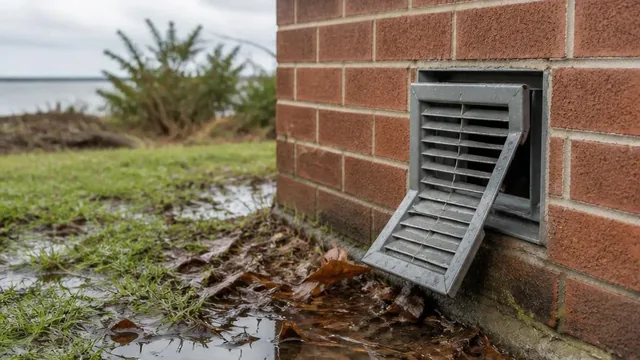
Where you find droppings helps guide the next inspection. Pantry or cabinet evidence may point toward food storage and low travel routes. Droppings along an attic joist or beside disturbed insulation make the roofline, soffits, and nearby utility openings worth checking. In a crawl space, look from a safe access point for droppings near the sill plate, torn insulation, or a damaged vent screen. Do not climb into a contaminated, confined, or unsafe area just to get a closer look.

Fresh-looking does not always mean newly deposited
Darkness, shine, softness, or a gray dusty surface can change with age, diet, temperature, moisture, and the material around the droppings. A photograph can document what you found, but color or texture alone is not a dependable way to determine when it was left. Note the exact room or space, take a picture from a safe distance, and look for other signs such as gnaw marks, nesting material, rub marks, or repeated activity.
Rodent protection included with our standard pest-control program
Our standard pest-control program now includes a Rodent Repellant Application at no additional cost. The application is normally $75 each. This is a prevention measure within the pest-control program—not a substitute for identifying active rodents, removing them when needed, or sealing an entry point found during an inspection.
For details about service options, see our pest-control plans. If droppings keep appearing or you find evidence in an attic or crawl space, start with a rodent inspection; cleanup and insulation work can be assessed separately when needed.
Local rodent-control guidance for Hampton Roads
The best next check depends on the home and where evidence appears. Read our local information for Virginia Beach rodent control, Chesapeake rodent control, and Norfolk rodent control. We also serve Portsmouth, Suffolk, Hampton, Newport News, and Williamsburg. A site-specific inspection can separate old evidence from current activity and show whether removal, exclusion, or cleanup is the relevant next step.
Need help identifying what you found? Request a free rodent inspection from Universal Pest & Termite. Keep people and pets away from suspected contamination while you wait, and do not dry sweep or vacuum rodent droppings or nesting material.
Frequently Asked Questions
What do mouse droppings look like in Hampton Roads homes?
Mouse droppings are usually small, dark, rice-like pellets with tapered ends, but appearance alone cannot confirm the animal.
They may be found near food storage, cabinet edges, wall routes, or sheltered corners. Keep people and pets away and note where you found them instead of picking them up to compare.
How can I tell rat droppings from mouse droppings?
Rat droppings are generally larger and thicker than mouse droppings, but size and shape are only clues—not a definitive identification.
Different rat species can leave droppings with different-looking ends, and the material may change as it dries. The nearby route, gnawing, rub marks, and nesting signs help determine what needs inspection.
Can droppings tell me whether I have rats, mice, or squirrels?
No. Droppings can suggest a rodent, but they cannot reliably confirm the exact species, especially when pellets are old or resemble one another.
Explore squirrel removal and exclusion
In an attic, sounds, disturbed insulation, chewing, and a possible roofline opening can help guide an inspection. A photo is useful documentation, but it is not a substitute for checking the whole sign pattern.
Can the color of droppings show whether rodent activity is fresh?
Color and texture are not reliable on their own for dating droppings because moisture, dust, diet, and the surface can change their appearance.
Take a photo from a safe distance and note whether new pellets or other signs appear later. Do not touch or disturb the material to test its age.
Should I clean rodent droppings myself?
Do not dry sweep or vacuum rodent droppings or nesting material; keep people and pets away and follow current public-health cleanup guidance.
For widespread contamination, an inaccessible attic or crawl space, or evidence near wiring or insulation, arrange a professional assessment rather than entering or disturbing the area.