In Virginia Beach, a termite problem often starts quietly. Many homeowners spot the first warning sign when they see dirt-like lines creeping up a wall or along the home’s foundation. Those lines may be termite mud tubes.
Subterranean termites build termite mud tubes as covered “hallways” between the soil and your house. Inside those tunnels, termite workers travel to wood structures that can serve as their food source. Because the termites stay hidden, a termite infestation can grow before you ever see bugs.
The good news is that termite tubes are easier to spot than many people think. If you know what termite mud tubes look like and where to check, you can catch termite activity early and reduce the chance of termite damage.
Key Takeaways
- Termite mud tubes are a common sign of subterranean termites and can indicate a growing infestation.
- Check the home’s foundation, crawl spaces, basements, and areas near baseboards and window frames.
- If you see termite tubes or swarmers, schedule a termite inspection with Universal Pest & Termite and get a clear plan for termite control.
What Subterranean Mud Tubes Look Like
These clues help you recognize termite mud tunnels fast.
Pencil-Width Lines That Look Like Dried Mud
Many termite mud tubes are about as wide as a pencil. They look like thin, brown lines stuck to brick, concrete, or block. If you see a raised line that seems “glued” to the surface, it may be a termite tube.
Subterranean termites use soil and bits of wood fibers to build these tubes. They do this to avoid open air and dry air while traveling. If the tube is fresh, it may look darker and slightly damp.
Drop Tubes Hanging Down
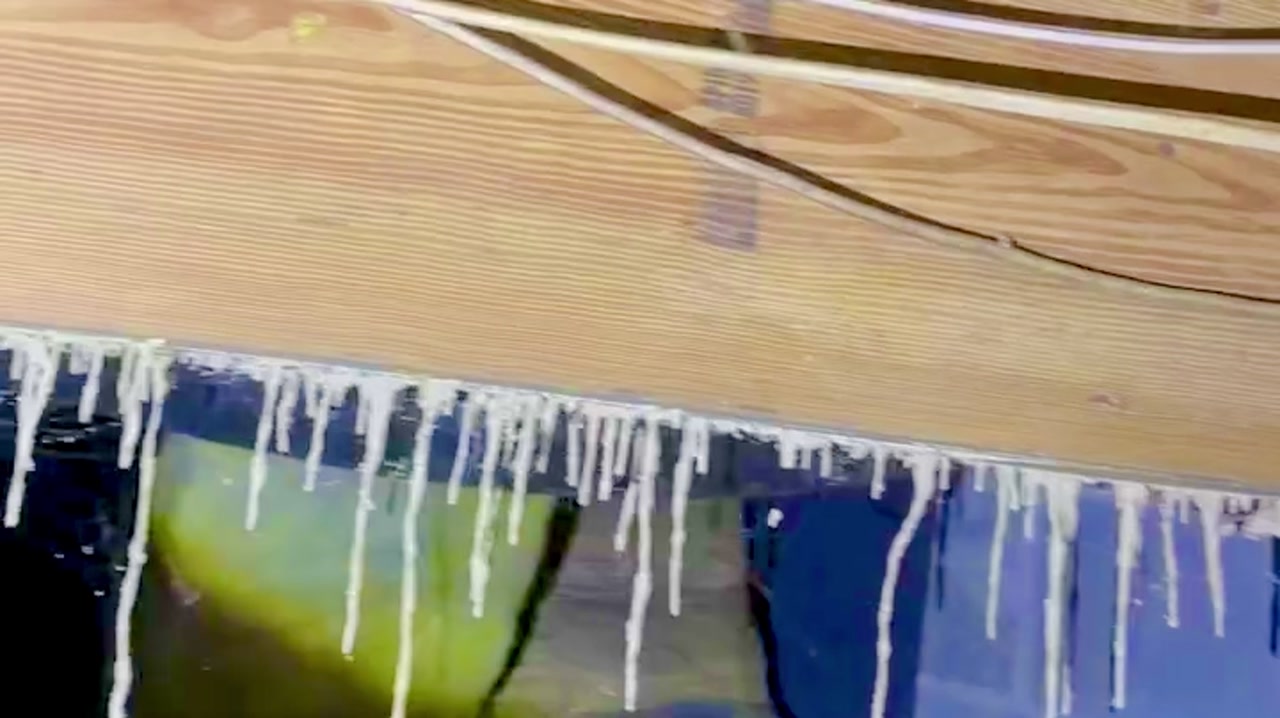
Drop tubes are termite tubes that hang down from wood. You may see them in crawl spaces or basements, dangling from subfloors, joists, or sills. They can look like a tiny mud “icicle.”
Short Exploratory Mud Tubes
Exploratory mud tubes are smaller “test” tunnels. Subterranean termites build them when searching for a new food source or trying to start new colonies. These tubes may stop suddenly or branch off in odd directions.
Where to Check for Mud Tubes in Homes
A quick walk-through can help you spot termite mud tubes before they spread.
Along the Home’s Foundation Outdoors
Start outside. Look along the home’s foundation where soil meets the wall, especially near porches. Subterranean termites often build termite mud tubes up from the ground. Check corners, steps, and any place where mulch stays damp.
If you see several termite tubes in the same area, it can mean active termite infestation and multiple termite colonies feeding nearby.
Inside Crawl Spaces and Basements
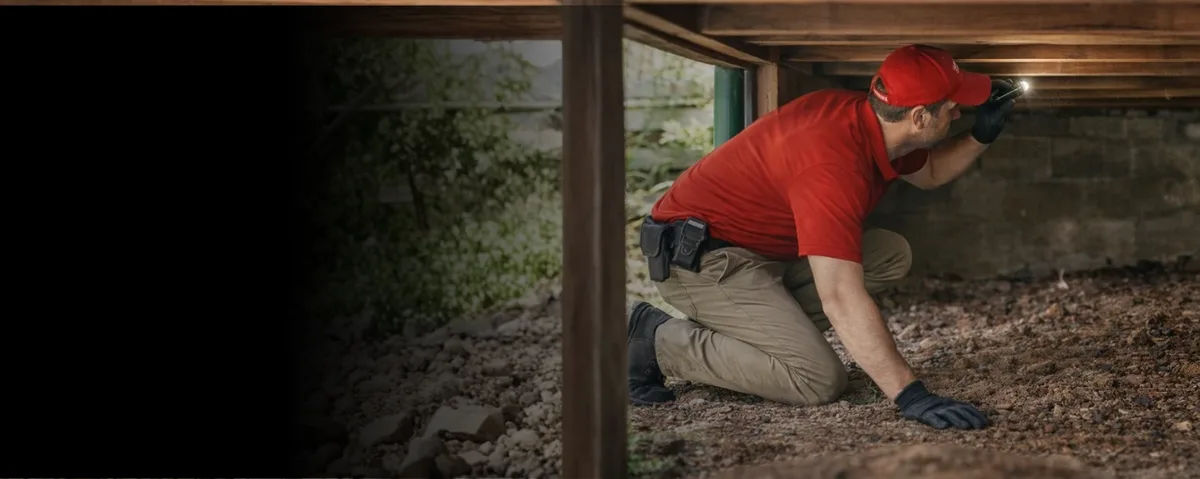
Next, check crawl spaces and basements. Crawl spaces are a common spot for subterranean termites in Virginia Beach because they can stay humid. Look at subfloors, joists, and sills for termite mud tunnels or drop tubes.
Around Baseboards and Window Frames Indoors
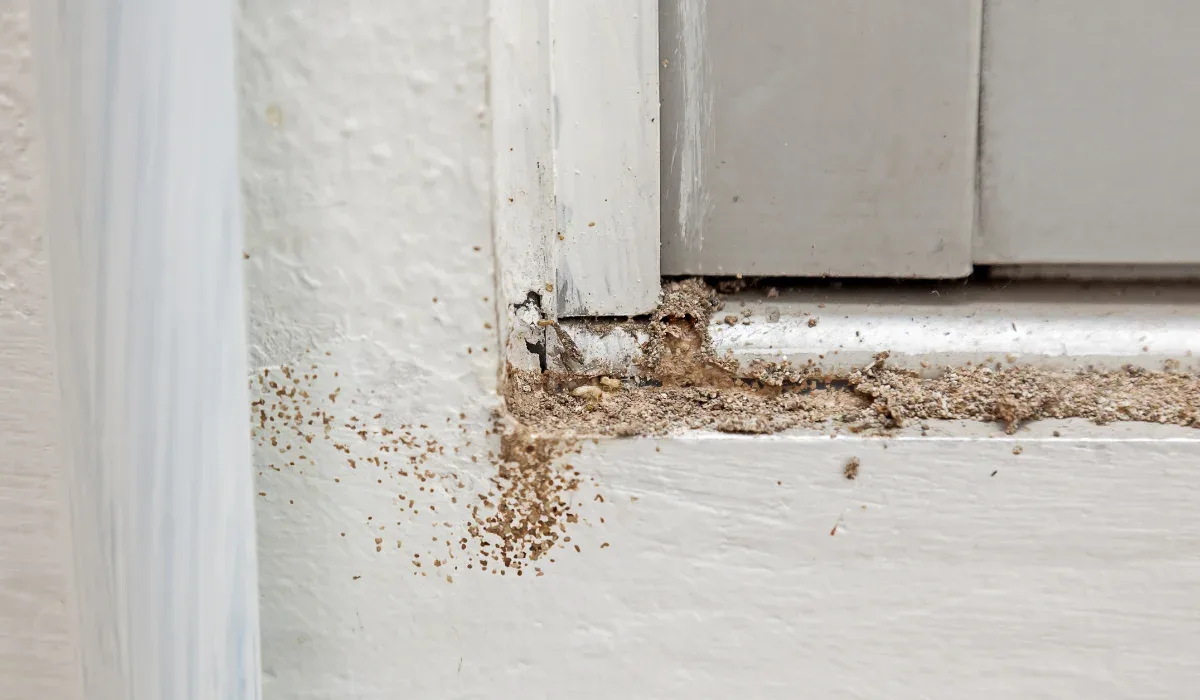
Finally, look indoors around baseboards and window frames. Termite mud tubes sometimes appear where termites travel through wall gaps. You may also notice bubbling paint or soft trim, which can point to termite damage.
Mud Tubes vs. Other Stains and Tunnels
Not every brown streak is a sign of a termite problem, so use these clues to compare.
Mud Tubes vs. Water Stains
Water stains are usually flat and spread out like a blotch. Termite mud tubes are raised and look like a narrow ridge. If you lightly tap a tube, it may sound hollow in spots.
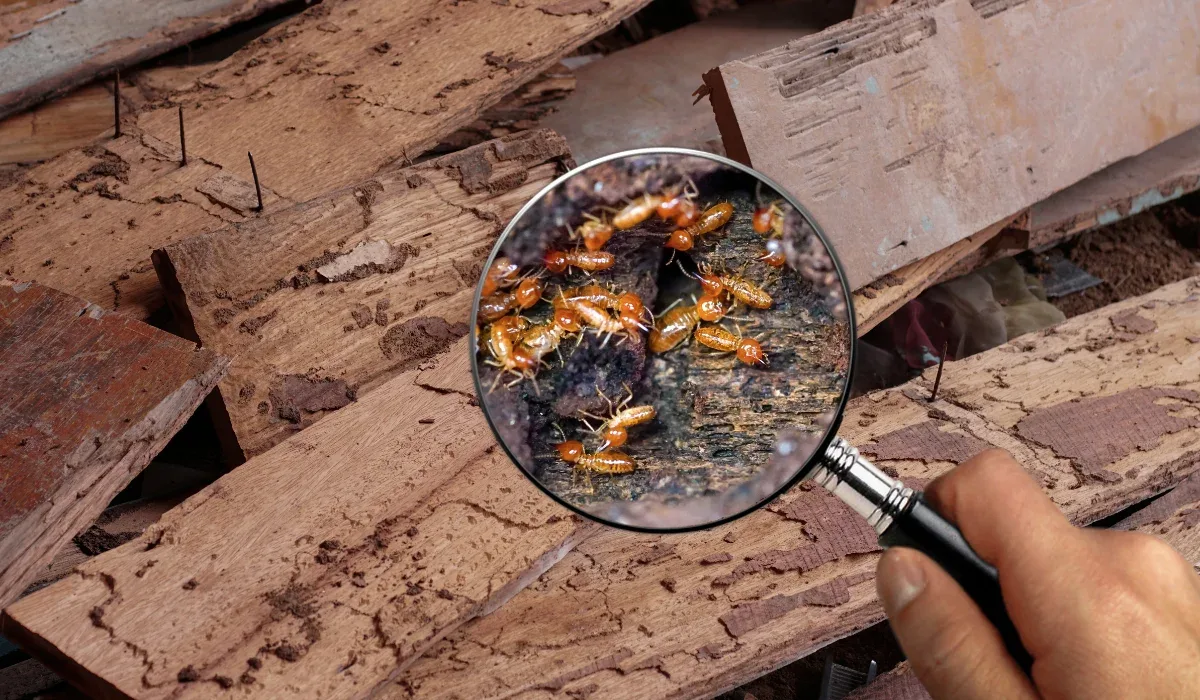
If you carefully break open a small section and see tiny, pale termite workers, that indicates an active termite infestation. If it’s just dust and no movement, it still may be old termite tubes that need a closer look.
Mud Tubes vs. Ant Trails and Nesting Signs
Ants do not build termite mud tubes. Ant trails are open and easy to see, and ants do not need covered tunnels to move through open air.
A pest control company can confirm the types of termite or other pests involved and explain what you are seeing.
Mud Tubes vs. Wasp Mud Spots
Some wasps make small mud clumps that can look like tiny stalagmites. These are usually small dots or lumps, not long tunnels that run upward from the ground. Wasps also tend to build in sheltered spots like eaves, not along the home’s foundation.
What to Do if You Find Mud Tubes
If you find termite tubes, stay calm and take a few smart steps.
Do Not Rely on DIY Fixes
Scraping off termite mud tubes does not stop subterranean termites. They can quickly rebuild tubes and continue feeding on your wood structures. DIY steps may hide the problem rather than solve it.
Instead, treat termite mud tubes as a warning sign that you need a plan for termite control.
Take Photos and Note Locations
Take clear photos and write down where you found the termite mud tubes. Note if they are on the home’s foundation, in crawl spaces, or near baseboards. This helps pest control experts track termite activity patterns and decide where to inspect first.
Also note any signs of termites, such as swarmers, soft wood, or cracked trim.
Get a Termite Inspection
A termite inspection helps confirm the problem, find termite nests, and check for termite damage in hidden areas. It also helps you understand how widespread the termite infestation may be, including in crawl spaces and behind walls.
From there, your provider can explain termite treatment options that match your home and the level of risk.
Schedule a Termite Inspection in Virginia Beach
If you spot termite mud tubes, it’s time to act before termites cause structural damage. Virginia Beach homeowners often deal with subterranean termites because they thrive in soil and can reach homes through small gaps near the home’s foundation.
Universal Pest & Termite provides termite inspection appointments and termite control solutions for homeowners and businesses across Hampton Roads. If you’re seeing termite mud tunnels, we can help you confirm the situation and recommend the right termite treatment.