A first year of pest service in Hampton Roads is really two jobs, because the region is split by water and the two halves don't have the same problems. The Southside and the Peninsula sit across the harbor from each other, joined by the tunnels and bridges, and a technician plans a route around those crossings the way everyone else does. Here is what the first twelve months actually look like once you account for the tidal creeks, the two-sided geography, and the drive time in between.
The Region Is Cut in Half by Water
The Hampton Roads Bridge-Tunnel and the Midtown Tunnel aren't just commuter chokepoints — they set the shape of a service calendar. Crossing the harbor at the wrong hour turns a two-stop morning into a half-day, so routes get built around the Southside cities on one side of the water and the Peninsula on the other rather than hopping back and forth. A colony doesn't care about traffic, but the plan to reach it does, and that is the first thing a new customer's schedule quietly reflects.
Southside vs. Peninsula: Two Different Houses
On the Southside — Virginia Beach, Norfolk, Chesapeake — the housing runs to post-war slab and block-pier construction on flat, sandy coastal-plain soil with the water table close under it. That means slab-edge ant trails, mud tubes on foundation walls, and crawl spaces that hold humidity through the summer. Push south in Chesapeake toward Deep Creek and Great Bridge and the ground turns peaty against the Great Dismal Swamp, holding water so well that the moisture-driven pests never really let up.
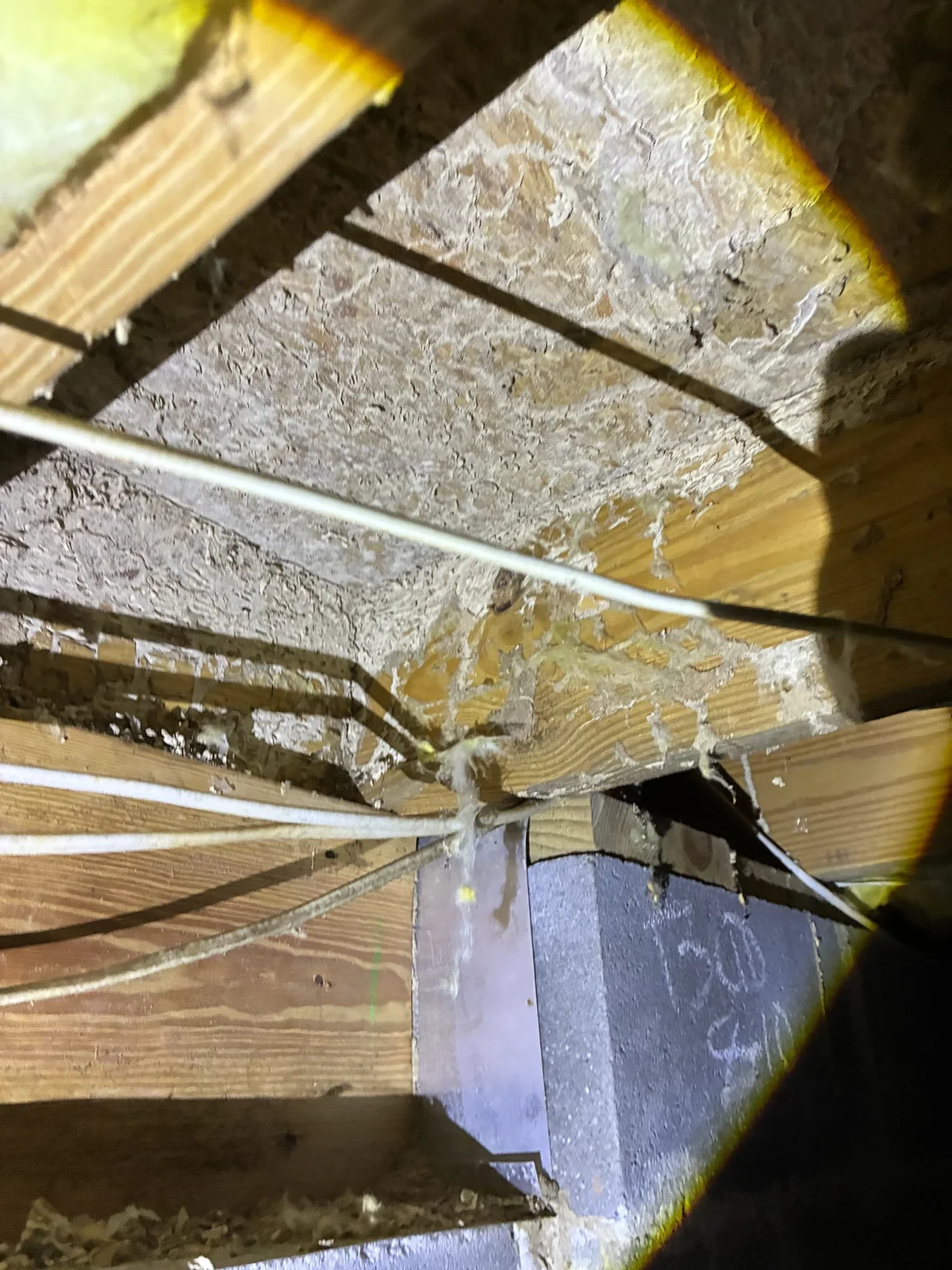
The Peninsula reads differently. Newport News and the older frame housing up the corridor lean on shallow crawl spaces and framing close to grade, so the first-year focus shifts toward subterranean termites and the damp wood they travel. The pests overlap city to city, but the entry points don't, and a plan written for a Norfolk slab misses the mark under a Peninsula frame cottage. That split is why the first inspection matters more than any single treatment.
The Tidal Creeks Set the Pest Pressure
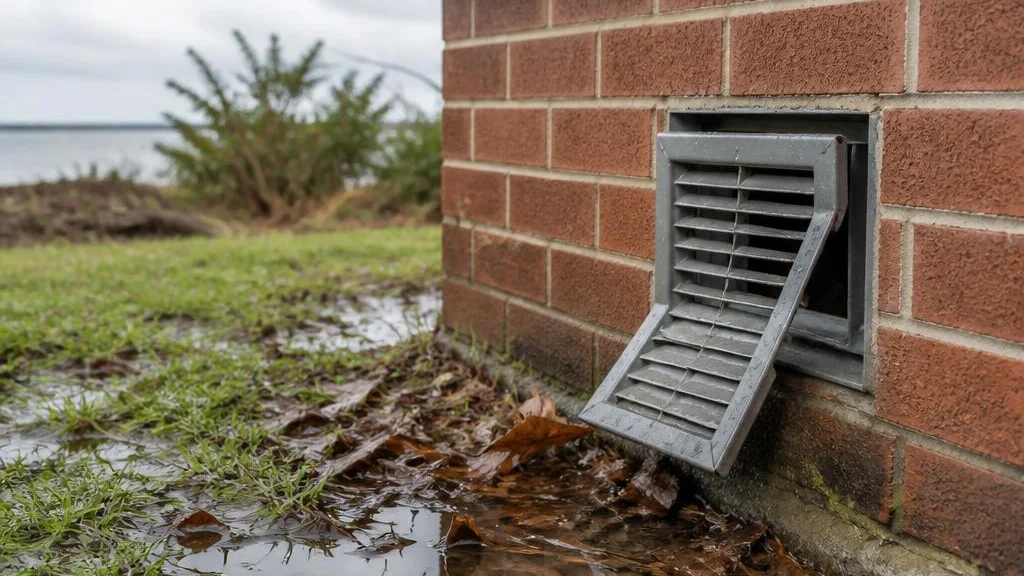
The Chesapeake Bay tidal creeks fingering into these neighborhoods are the reason moisture pests stay busy here. Every creek and drainage swale that backs up on a high tide leaves the nearest yards and crawl spaces damp for days, and standing damp is what feeds mosquitoes, keeps subterranean termites working, and pulls ants and roaches toward a foundation. A house three lots from a creek behaves differently from one on the high side of the same street, and a first-year plan is really a season-by-season read of how close the water sits to each home.
| What you notice | What's driving it | What the first year does about it |
|---|---|---|
| Ant trails at the slab edge on a Southside lot | Sandy soil and a high water table keeping the perimeter damp | Treat the foundation band and pull mulch back off the slab |
| Mud tubes under a Peninsula frame cottage | Shallow crawl with framing close to grade | Inspect the crawl and set a termite plan, not a spray |
| Mosquitoes thick near a tidal creek after high tide | Creek backs up and leaves standing water in the yard | Knock down harborage and treat resting sites each visit |
| Crawl dirt near the Dismal Swamp stays wet | Peaty, water-holding soil south of Great Bridge | Pair pest treatment with drying the space |
What the First Year Looks Like Month to Month
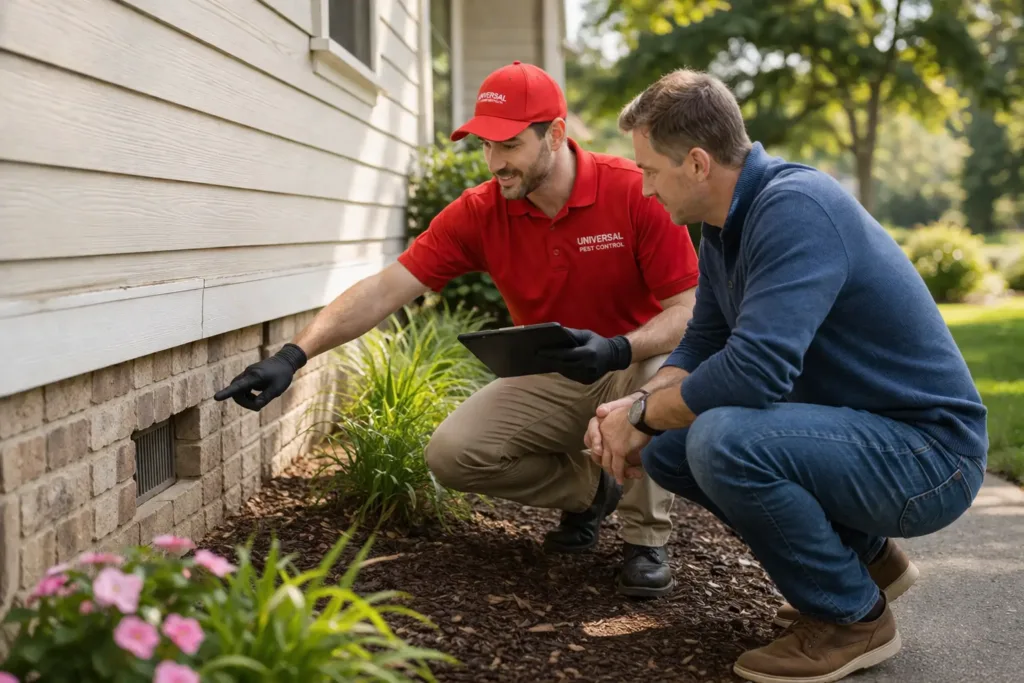
It opens with an inspection. David Shafer, our Lead Inspector, brings 15-plus years of reading homes across both sides of the harbor, and that first walk-through covers the role every technician's year is built on — where the water sits, how the house is framed, which entry points the pests are actually using. From there the year follows the seasons: termite swarms and ants in spring, mosquitoes and roaches through the humid summer, rodents pressing indoors as the fall cools, and a winter reset that checks the crawl spaces before the cycle starts over. On the duct and insulation side, Jacob, our Lead Air Duct Cleaning Technician, handles the crawl-space air quality work when a wet space turns into a duct or insulation problem — common on both shores once the humidity has had a full summer to settle in.
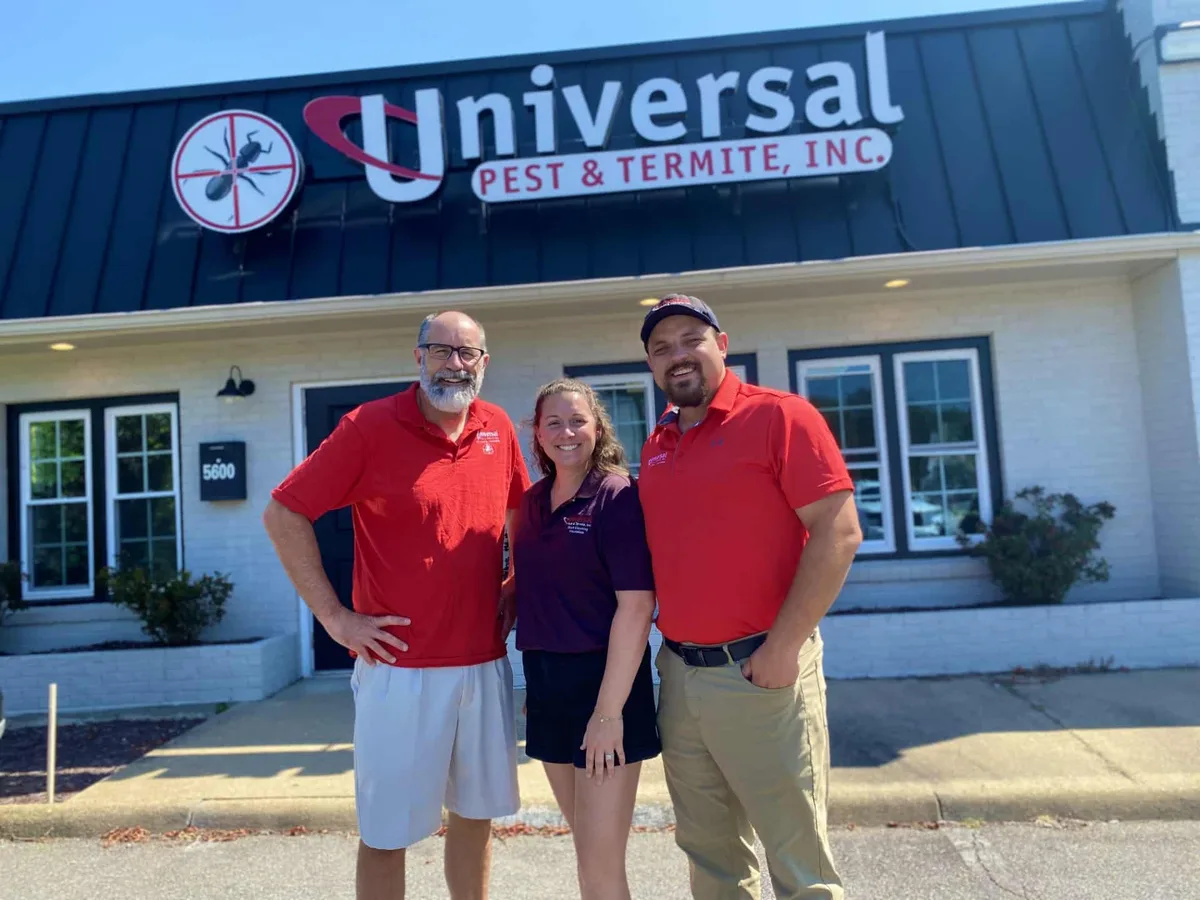
Universal Pest & Termite is family-run, owned by George Pilkington with Brittany Baine and Tanner Baine, with decades in the trade behind the crew. That continuity is why the first-year plan looks past a single visit: the point isn't to knock down what you see today, it's to learn how your specific lot behaves across a full turn of the seasons.
First-Year Service FAQ
1. I live in Newport News but work on the Southside — does the tunnel affect my service?
It affects scheduling more than treatment. Routes are built around the HRBT and Midtown Tunnel so crews aren't stuck crossing the harbor at rush hour, which is why Peninsula and Southside visits tend to land on days that keep a technician on one side of the water.
2. Why would my Chesapeake home need a different plan than my sister's in Newport News?
Different houses on different ground. Southside lots lean toward slab and block-pier on sandy soil, while much of the Peninsula's older frame housing sits on shallow crawls close to grade, so the entry points and the moisture problems aren't the same.
3. My yard backs up to a tidal creek. Does that change anything?
Yes. Creeks off the Chesapeake Bay leave the nearest yards damp for days after a high tide, and that standing moisture drives mosquitoes, termites, and ants. A lot near the water gets a closer read on harborage and crawl-space moisture than one on higher ground.
4. What actually happens on the first visit?
An inspection first. The technician reads how the house is framed, where the water table sits, and which pests are getting in, then sets a season-by-season plan rather than a one-time spray.
Serving Virginia Beach, Chesapeake, Norfolk, Portsmouth, Newport News, Williamsburg, Hampton, Suffolk and the surrounding cities on both sides of the water.