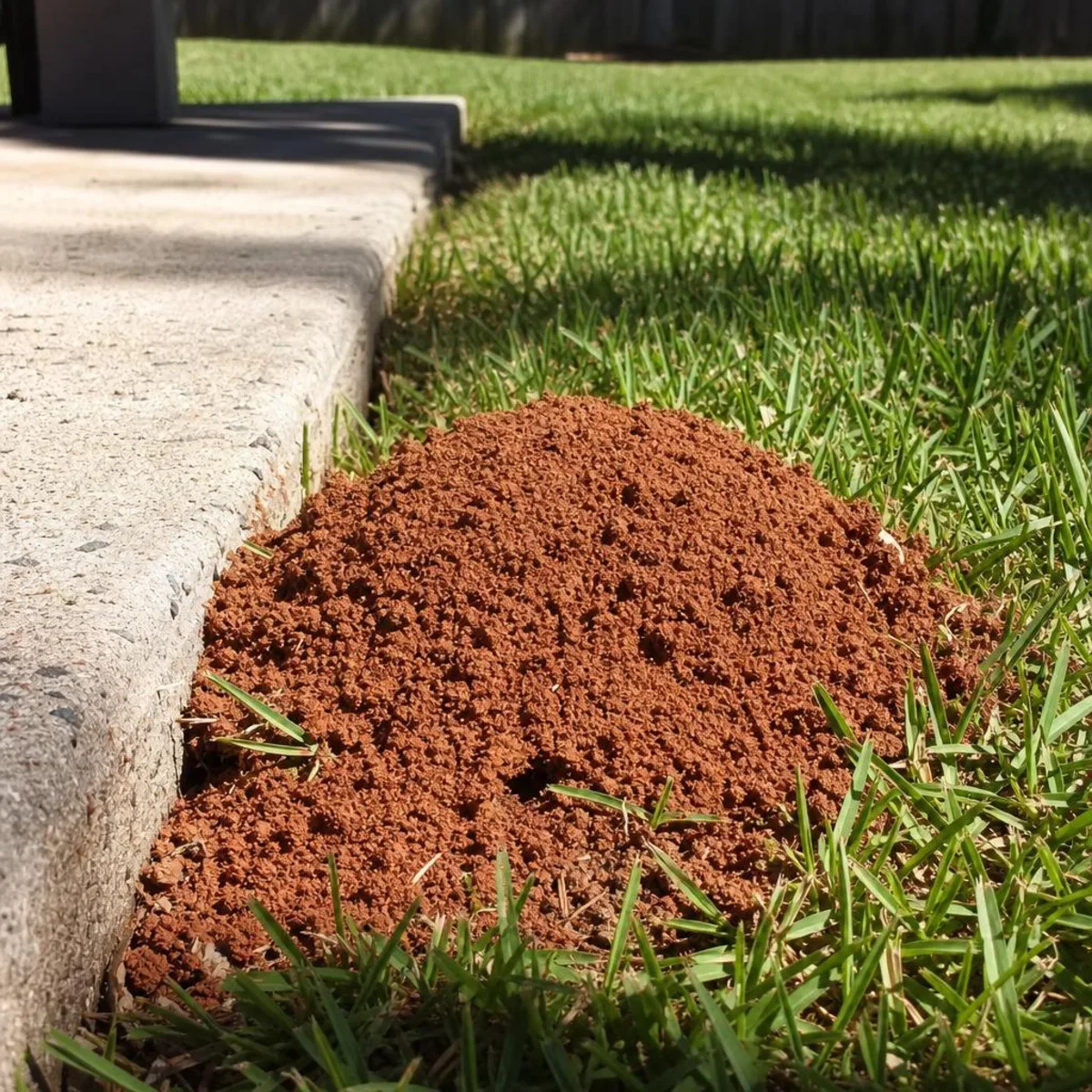
A treated foundation is a poison band ants must cross to reach your house — unless something lets them skip it. In Great Bridge, overhanging branches, climbing vines, piled mulch and fence rails all act as bridges over that band, and a single one can cut the protection you paid for roughly in half.
How does a tree branch cut an ant treatment's effectiveness in half?
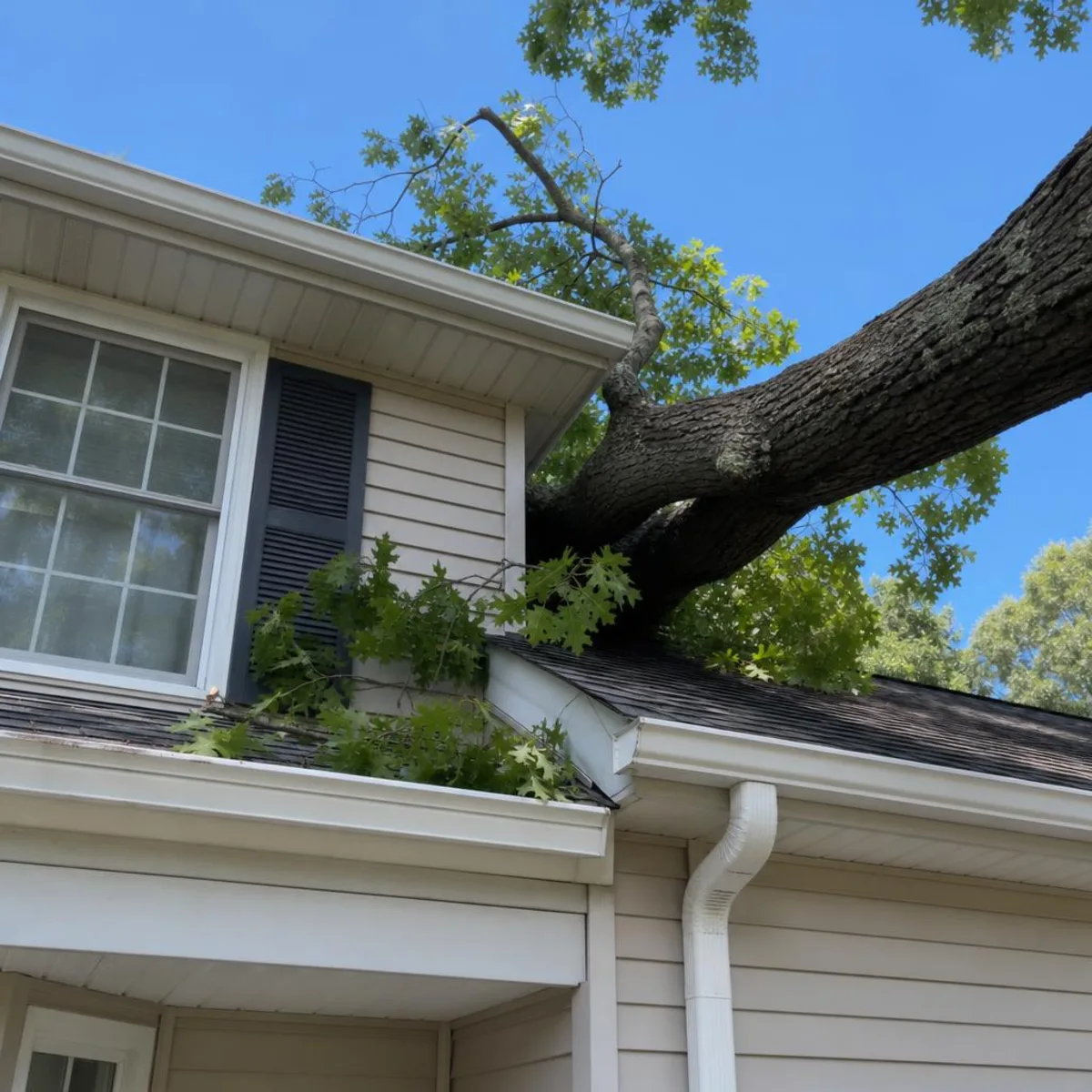
Perimeter ant control works because ants have to walk through the treated soil and foundation zone to get inside. A branch that touches the roof or a vine climbing the brick gives them an aerial route straight to a second-story soffit or an upstairs window, bypassing the treated band entirely. Half your barrier is on the ground; the other half is being walked over.
See ant control options in Chesapeake
Odorous house ants — the small dark "sugar ants" that trail across counters — are strong climbers, and they will follow any continuous surface that leads up and over. Carpenter ants do the same, and because they favor damp wood, an overhanging limb that keeps a section of fascia shaded and moist doubles as both a highway and a nesting invitation.
The frustrating part for homeowners is that the ground treatment can be working perfectly. The ants simply are not using the ground. They are using the maple limb resting on the gutter.
Which bridges do we find most on Great Bridge properties?
Four recurring ones: tree limbs touching the roof or eaves, English ivy and other vines growing up the foundation and brick, mulch piled against the siding above the treated band, and wooden fence rails or decks that run right up to the house. Each gives ants a dry, continuous path that starts past the point where the barrier ends.
Get a free quote in Great Bridge
Great Bridge has mature loblolly pine and live oak canopy on many lots, and those limbs reach the roofline on older streets near the Intracoastal Waterway and the established neighborhoods around the locks. Landscaping tight against the foundation is common too, and it is usually the mulch depth and the vines that undo an otherwise solid treatment.
Fence lines are the one people overlook. A wooden privacy fence that ties into the house at the corner is a bridge ants read as a boardwalk, and it delivers them behind the treated zone every time.
What trimming and grading restores the ant barrier?
Cut every branch back so nothing touches the roof, siding or gutters — a couple of feet of clearance is the goal. Pull vines off the walls and keep them off. Rake mulch down so it sits below the siding line and away from the foundation, and separate any fence rail or deck that lands directly on the house. Removing the bridges forces ants back onto the treated ground where the barrier does its job.
See ant control options in Chesapeake
Grading matters because water and ants follow the same low routes. Where soil or mulch slopes toward the foundation, both collect there; regrading so the ground falls away from the house dries the band and removes the moisture that draws carpenter ants and feeds the vegetation they climb.
Once the property is cleared, a perimeter ant control treatment finally covers the routes the ants are actually using. If a colony has already moved into damp framing, pest exclusion closes the entry gaps, and where that damp wood traces back to a crawl issue, a crawl space inspection finds the source.
| The bridge on the property | How Great Bridge lots create it | Trimming or grading that closes it |
|---|---|---|
| Live oak or pine limb resting on the gutter | Mature canopy near the waterway grows into the roofline, giving ants a route to the eaves | Prune the limb back so nothing contacts roof, gutter or fascia |
| Ivy climbing the brick foundation | Vines hold moisture on the wall and carry ants up past the treated soil band | Strip the vines and keep the wall face clear |
| Mulch mounded against the siding | Deep bed landscaping sits above the treated zone and shelters foraging trails | Lower and pull back the mulch below the siding line |
| Wood fence tied into the house corner | Continuous rail delivers ants behind the barrier from the yard | Break the connection or treat the fence-to-house junction |
| Ants only appearing on the upper floor | They are entering through a soffit reached by a branch, not the ground floor | Trim the aerial route and seal the soffit gap |
| Sugar ants along a deck ledger board | Deck framing bridges directly from the yard to the wall over the treated soil | Clear vegetation off the deck and treat the ledger contact point |
Where carpenter ants have followed a shaded limb into damp fascia, they often push on into the attic and the duct runs that pass through it, chewing the flex and leaving the return air drawing across their galleries; that is the point at which Universal Duct Cleaning gets pulled into the same job. The soft, moisture-swollen wood those ants prefer usually sits next to attic insulation that has already matted down and lost its value, and restoring it is what Universal Insulation Doctor is brought in for — one damp-wood problem quietly reaching three trades.
Frequently asked questions
How much clearance should there be between tree branches and my roof?
Keep at least a foot or two of open air between any limb and the roof, gutters and siding, with more for fast-growing species. The goal is that no branch, twig or hanging vine ever makes contact, because ants only need a single point of touch to treat it as a bridge. Re-check after storms, since a limb that was clear can settle onto the gutter overnight.
Get a free quote in Great Bridge
Why do I only see ants on the second floor and not the kitchen?
That pattern usually means the ants are entering high, through a soffit or upstairs window frame reached by a branch or a vine, rather than crossing the ground-level treated band. They are skipping the barrier entirely by going over it. Finding the branch or climbing plant that touches the upper structure explains the location far better than anything happening at the foundation.
See ant control options in Chesapeake
Does mulch really cause ant problems or is that a myth?
Mulch itself is fine; the problem is depth and placement. A thick bed piled against the siding sits above the treated soil zone, holds moisture, and shelters trails right where they can slip behind the barrier. Kept shallow and pulled back from the foundation so the treated band and the wall base stay exposed, mulch stops acting as cover and as a bridge over the treatment.
Get a free quote in Great Bridge
If I trim everything back, do I still need a perimeter treatment?
Trimming removes the shortcuts, but it does not treat the ants already foraging along the ground. The two work together: clearing branches, vines, mulch and fence contacts forces the ants back onto the soil, and the perimeter treatment then intercepts them there. Doing only one leaves either an untreated aerial route or an active barrier the ants keep walking over.
Get a free quote in Great Bridge
When ants keep reappearing on the counters no matter how carefully you clean, the shortcut carrying them in is almost always a limb, a vine or a fence rail outside. Our Great Bridge pest control page lays out how we handle these bridging problems locally, alongside the rest of our Chesapeake work, and repeat coverage lives in the home health plans. Send us the details through a free quote so a technician can walk your live oaks, vines and fence line with you and treat the paths the ants are truly using.