Maintaining your crawl space in Virginia Beach takes extra care because of the city’s humid coastal climate. Many homes benefit from a professional cleaning every 35 years, but the most important step is scheduling annual inspections. Regular upkeep between cleanings helps prevent expensive repairs and protects your family’s health. This guide explains what makes crawl space care in Virginia Beach unique and gives you a step-by-step plan for keeping your home safe and healthy.
Understanding Virginia Beach’s Unique Crawl Space Environment
Virginia Beach has a humid subtropical climate, which means it’s hot and humid in the summer, mild in the winter, and there’s no real dry season. In the summer, the average high temperature is about 83–87°F, and the nights usually stay around 73°F. This temperature variation, along with our proximity to major water bodies, makes crawl space maintenance more critical than in drier regions.
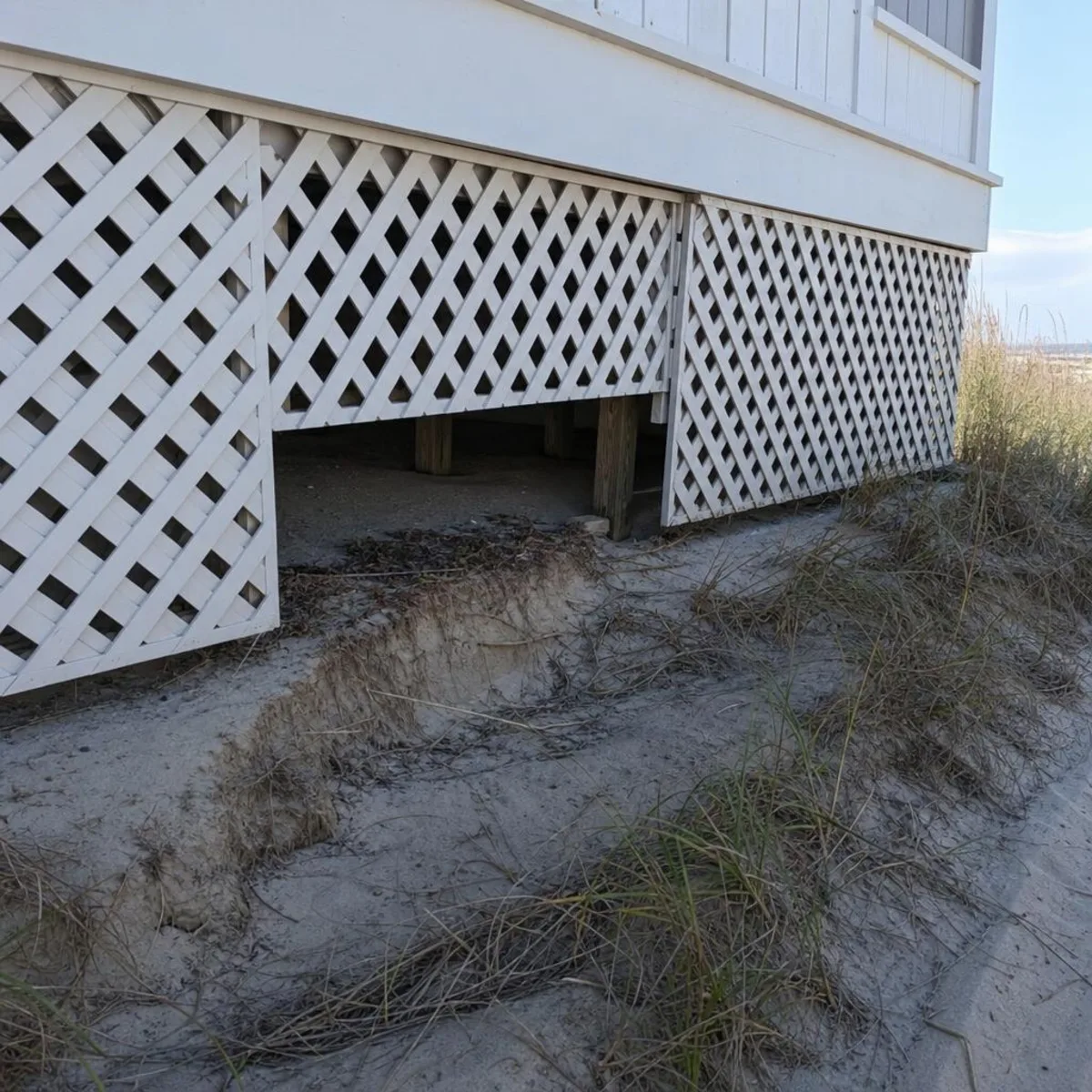
The salt in our coastal air speeds up corrosion in metal parts, like ductwork supports and pipe hangers. Homes in areas like Virginia Beach Oceanfront and Chic’s Beach feel this effect more than those inland, such as Blackwater or Indian River.
Our sandy soil can drain well in some spots, but it may cause issues during heavy rain. Building science research shows that well-designed crawl space foundations with vapor barriers and good drainage can greatly reduce moisture problems. But in Virginia Beach’s humid climate, these systems still need regular upkeep to stay effective.
Essential Moisture Control Strategies
Controlling moisture is the most important part of crawl space maintenance in Virginia Beach. Most other problems, including mold growth and pest infestations, start with moisture issues.
Good drainage around your home is your first line of defense against crawl space moisture. Make sure gutters are clean and direct water at least 6 feet away from your foundation. Check that downspouts aren’t dumping water near your crawl space entrance. Fix spots where water pools near your home’s foundation. Virginia Beach’s heavy rains can quickly overwhelm bad drainage systems.
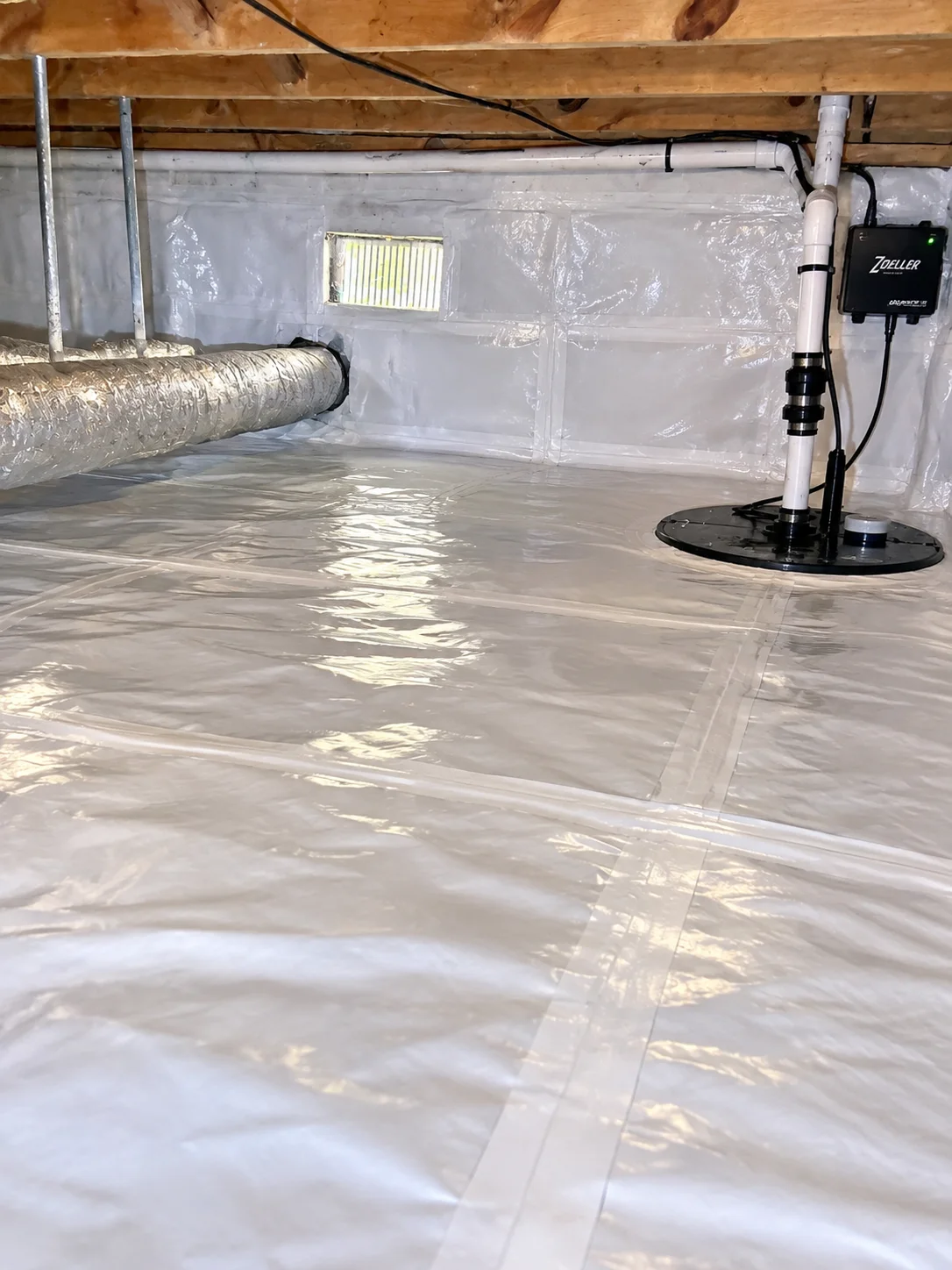
A vapor barrier is a plastic sheet that covers the crawl space floor to prevent ground moisture from entering your home. In Virginia Beach’s humid climate, a quality vapor barrier is essential. Check your vapor barrier every few months for tears, gaps, or areas where it’s pulled away from walls. Small tears can be patched with waterproof tape, but large damage requires professional replacement.
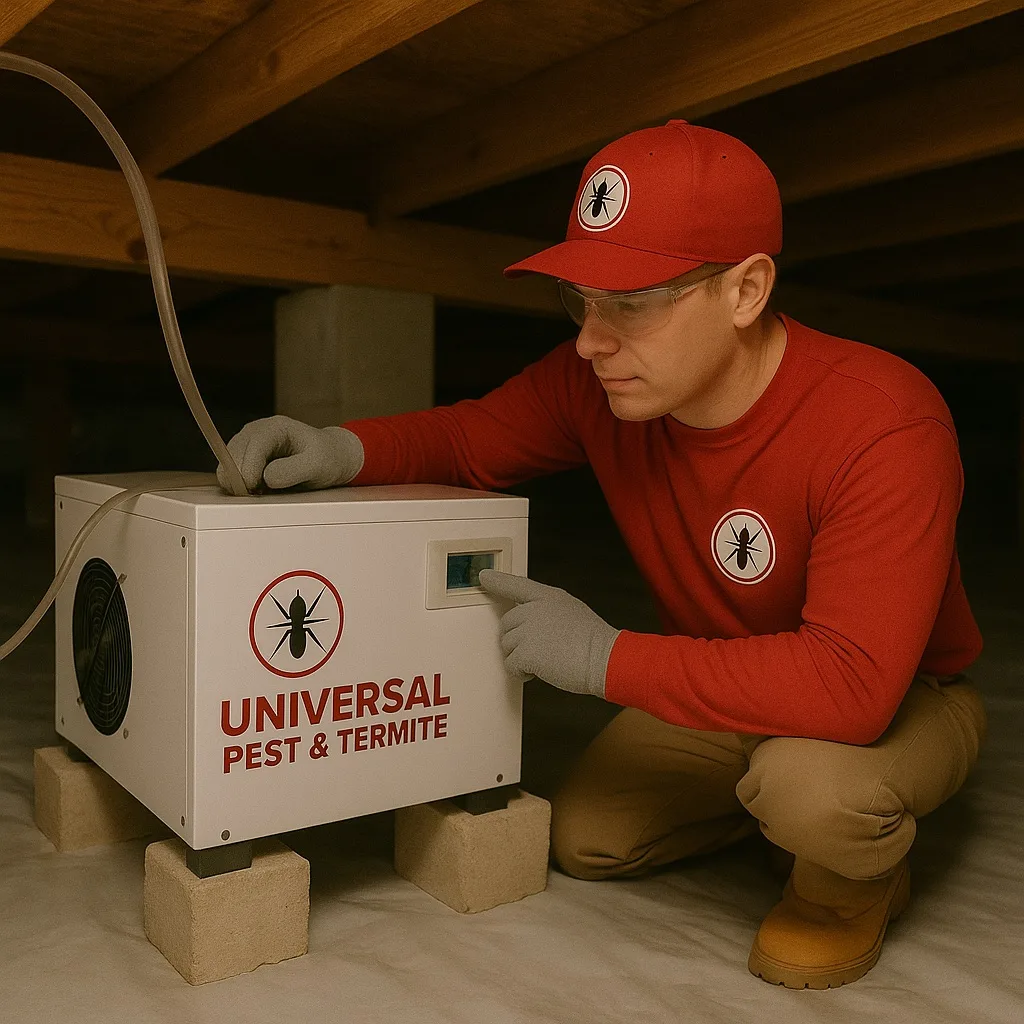
Many Virginia Beach homes benefit from crawl space dehumidifiers, especially during humid summer months. These systems help maintain proper humidity levels even when outdoor conditions are challenging. If you have a dehumidifier, empty the water collection tank regularly and clean the filter according to manufacturer instructions.
Traditional crawl space ventilation may not work well in Virginia Beach’s humid climate. Opening vents during humid weather can actually bring more moisture into the space. Many coastal homes benefit from sealed crawl spaces with controlled ventilation rather than traditional open vents.
What to Check Every Month
Start each monthly check by walking around the outside of your house. Look for water problems like puddles near your foundation, gutters that overflow, or dirt washing away around your house. Make sure water from your downspouts goes at least six feet away from your house.
Check the door or cover that leads to your crawl space. Make sure it closes tightly. Gaps let humid air get inside, which makes moisture problems worse. The rubber strips around the door should be soft and complete. Replace them when they get hard or torn.
Smell around your house for musty odors that might mean moisture problems are starting. Virginia Beach’s humidity can make mold grow fast, so catching it early saves money. Trust your nose – bad smells often show up before you can see problems.
Deeper Checks Every Three Months
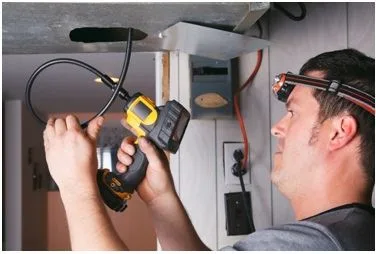
Every three months, plan to spend 30-45 minutes looking inside your crawl space. Always tell someone where you’re going and never go in alone. Wear long sleeves, gloves, and a dust mask to stay safe.
Look carefully for standing water or wet spots on the floor and walls. Even small amounts of water can mean bigger problems are coming. Check your plastic vapor barrier for rips, gaps, or places where it has pulled away from the walls. Moisture control experts say even small damage to vapor barriers can make them much less effective in Virginia Beach’s humid weather.
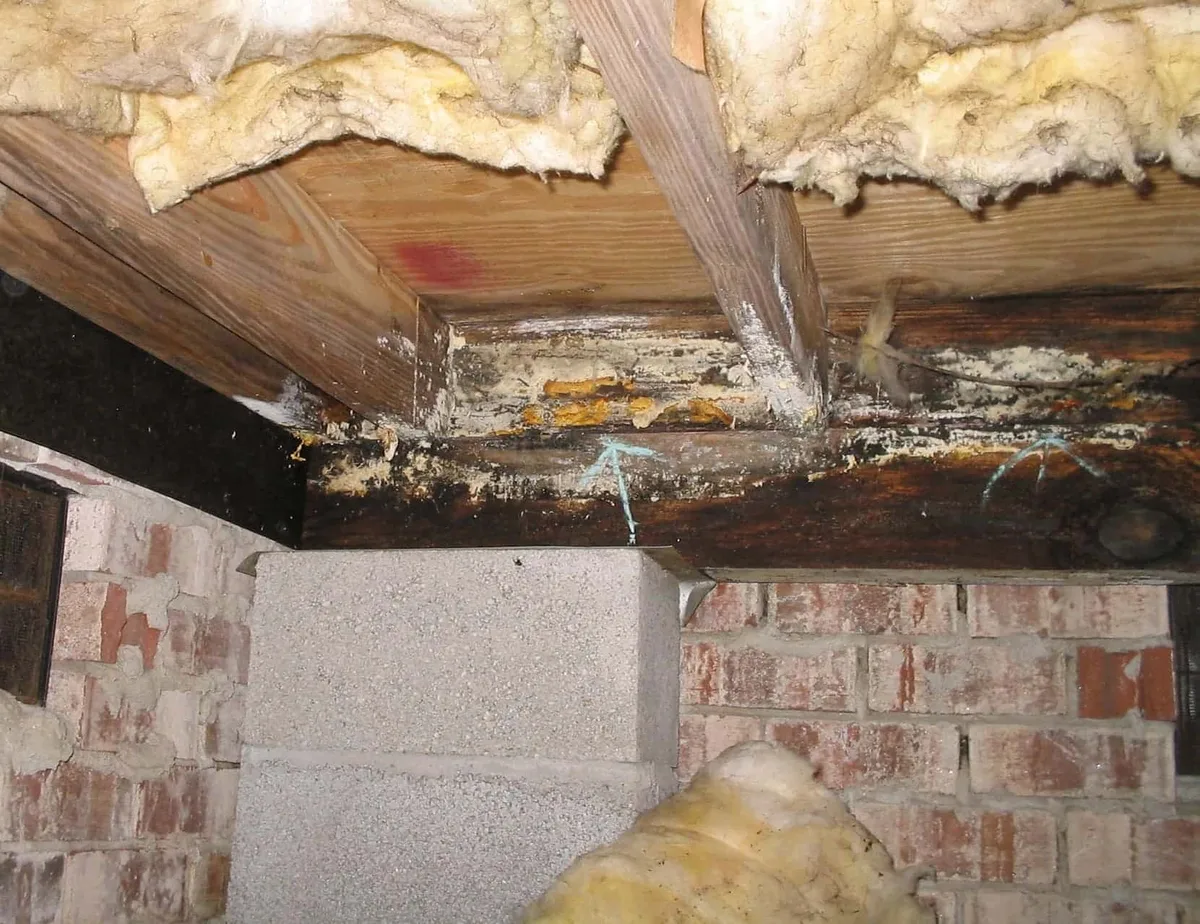
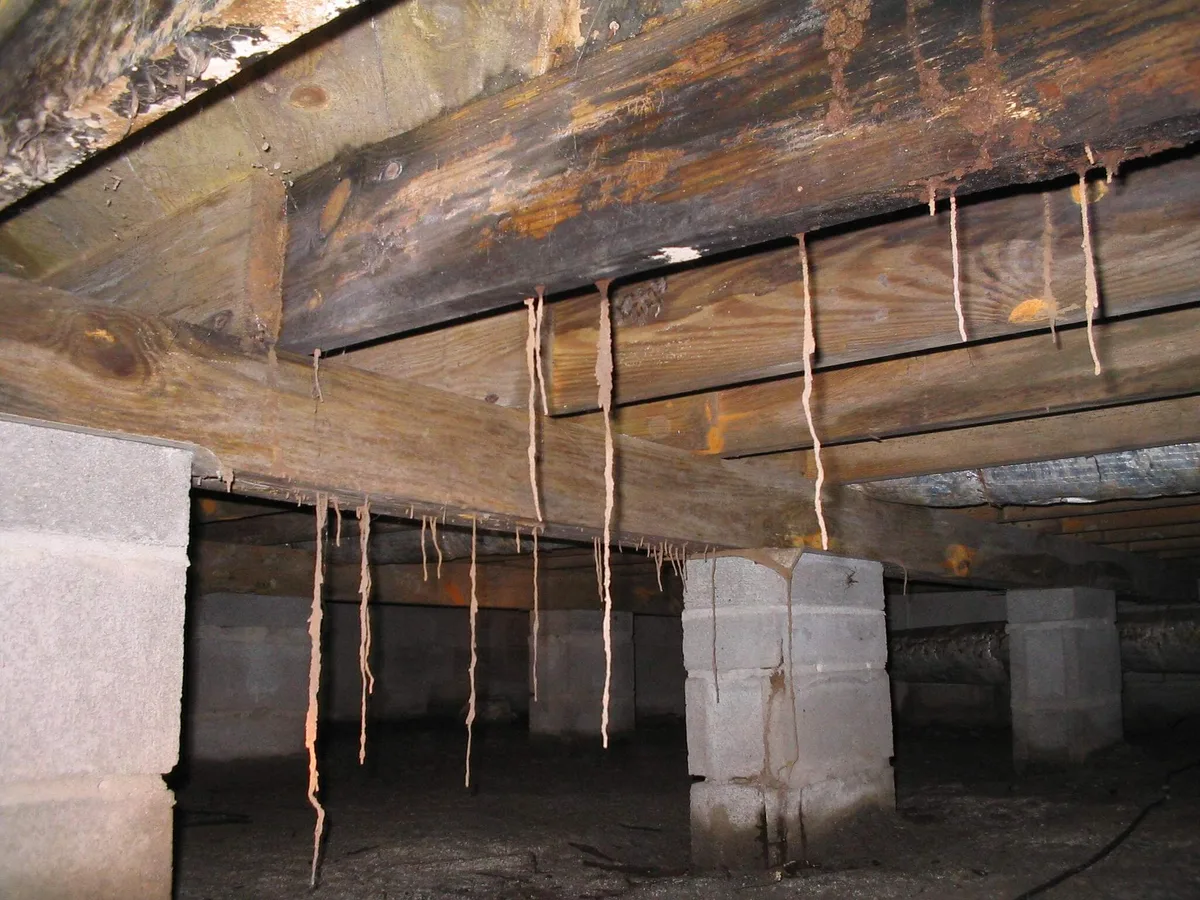
Look at all wooden parts, like floor beams, support posts, and the floor under your house, for water damage. Wood that feels soft or looks dark might be starting to rot. White, powdery stuff growing on wood often means mold or mildew is starting.
Check your insulation for sagging, wetness, or damage from pests. Mice and bugs often mess up insulation when making nests, which makes it work poorly and can be unhealthy. Any insulation that looks wet or moldy needs to be replaced right away.
Look at metal parts like air ducts, pipes, and support brackets for rust. Virginia Beach’s salty air makes these problems happen faster than in other places. Finding problems early lets you fix them before they get really bad.
What to Do Each Season
Summer Work (October through October)
Summer is the best time for big crawl space work in Virginia Beach .Weather data shows this season has cooler temperatures and less humidity, making it easier to work before summer’s tough weather starts. Remove any junk that has built up during winter, like leaves, sticks, and other stuff that holds water.
Test your dehumidifier after winter, cleaning filters and checking drainage pipes before humid season starts. Summer is also perfect for getting professional help if your three-month checks found any problems. Fix drainage problems around your house while the weather is still good for outside work.
Summer Watching (October through October)
Virginia Beach summers bring our hardest crawl space conditions. During summer, the average humidity is in the low 70s, which is much higher than the ideal 30-50% range for healthy indoor air. In these conditions, a reliable crawl space dehumidifier is especially important.
Check your crawl space more often, especially after big storms or long rainy periods. Hurricane season means you need to pay extra attention to your crawl space. After any big storm, look for water getting in, damaged plastic barriers, or more bugs and rodents. Summer’s warm weather also brings more insects and mice, making it more important to keep them out.
Keep your dehumidifier running all summer, emptying water tanks often if your system doesn’t drain automatically. Watch how well it works to make sure it can handle the tough humidity.
Fall Care (October through October)
Fall gives you another good chance to work on your crawl space before winter comes. Clean gutters really well and make sure all downspouts work right. Building science research shows that keeping water away from your foundation stops many crawl space moisture problems before they start.
Look at your crawl space for any damage from summer’s heat and humidity. Check for new cracks in foundation walls, damaged insulation, or changes in wooden support beams. Fall work also means getting any heating system parts in your crawl space ready for winter.
Winter Care (October through October)
Virginia Beach winters stay pretty mild, but temperature changes can still create water droplet problems in crawl spaces. Watch for moisture building up on cold surfaces like metal air ducts or pipes when outside temperatures drop a lot. Research from Advanced Energy shows that good air circulation systems can balance humidity and reduce these seasonal moisture problems.
Check heating system parts regularly during winter to make sure they work right without creating extra moisture. Plan your summer work and schedule any professional help you need for the coming year.
DIY Maintenance vs Professional Help
Knowing when you can handle maintenance yourself and when to call professionals can save money while ensuring safety.
Safe DIY Tasks: Homeowners can safely check for obvious problems like standing water, strong odors, or visible mold growth. You can clean gutters, adjust downspouts, and remove small amounts of debris from crawl space entrances. Basic moisture monitoring with simple humidity meters is also safe for homeowners.
When to Call Professionals: Any structural issues, electrical problems, or extensive mold growth require professional attention. If you see major pest infestations or damage to insulation or vapor barriers, call a pro. They have the right tools and skills. Virginia Beach has a tough climate. This often needs special solutions. So, getting professional crawl space cleaning is a smart investment.
Safety Considerations: Never enter a crawl space alone, and always tell someone where you’re going. Wear protective clothing, including gloves, long sleeves, and a dust mask. Use proper lighting and never use open flames or unsafe electrical equipment. If you smell gas, notice electrical issues, or see a lot of mold, leave right away. Then, call the experts.
Virginia Beach Crawl Space Sample Maintenance Checklist
Monthly Quick Checks (5-10 minutes)
Walk around your home’s exterior looking for obvious drainage problems
Check that gutters aren’t overflowing during rain
Look for any new or widening cracks in the foundation
Notice any new musty odors in your home
Check crawl space access door for proper sealing
Quarterly Detailed Inspection (30-45 minutes)
Enter crawl space with proper safety equipment and lighting
Check for standing water or wet spots on the floor or walls
Examine vapor barrier for tears, gaps, or pulled-away sections
Look for signs of pest activity, including droppings or nests
Check insulation for sagging, dampness, or damage
Examine wooden structures for soft spots or discoloration
Look for white, fuzzy growth that could indicate mold
Check metal components for rust or corrosion
Ensure the dehumidifier is working and emptied if needed
Check that crawl space vents open and close properly
Seasonal Deep Maintenance
Summer Tasks:
Clean out any debris accumulated over winter
Test and service the dehumidifier before the humid season
Check and repair any storm damage from winter
Ensure proper drainage before summer rains
Schedule a professional inspection if problems are found
Summer Tasks:
Monitor humidity levels more frequently
Check crawl space after major storms
Ensure the dehumidifier is keeping up with conditions
Look for increased pest activity
Clean gutters before hurricane season peaks
Fall Tasks:
Clean gutters and downspouts thoroughly
Check drainage systems before fall storms
Inspect for summer heat and humidity damage
Prepare heating systems for winter operation
Stock up on dehumidifier supplies for winter
Winter Tasks:
Check for condensation during cold snaps.
Monitor heating system components in the crawl space.
Ensure crawl space stays above freezing if needed.
Plan for summer maintenance and repairs.
Schedule professional services for summer if needed.
Annual Professional Tasks
- Schedule a comprehensive professional inspection
Have HVAC ducts cleaned if located in a crawl space
Professional pest control treatment if needed
Structural assessment by a qualified contractor - Update moisture control systems as needed
Making Your Own Maintenance Schedule
Create a crawl space care routine that fits your schedule and comfort level. Start with monthly outside checks that take only a few minutes but catch obvious problems early. Schedule three-month indoor inspections on weekends. This allows you enough time for a thorough check.
Keep written records of your inspections, noting any changes or developing problems. Photos are great for tracking issues over time. They also help when discussing problems with experts. Date and organize these records for easy reference.
Plan seasonal care tasks around Virginia Beach’s weather patterns. Summer and fall are ideal for big projects. Summer requires closer monitoring, and winter is all about stopping condensation issues.
Warning Signs That Need Immediate Help
Some crawl space issues need quick help from a pro, no matter your maintenance plan. Standing water after storms needs urgent checking to prevent structural damage and mold growth. Strong sewer smells might mean plumbing leaks that can quickly cause expensive damage.
Visible mold growth in larger areas needs professional cleanup to safeguard your family’s health. Big pest infestations, such as termites or carpenter ants, can cause major structural damage. If not dealt with quickly, the harm can be severe. Any electrical issues in the crawl space pose a fire risk and require urgent professional inspection.
Structural changes like sagging floors, fresh cracks in foundation walls, or moving support posts point to serious issues. These problems can worsen quickly without proper help. Don’t wait to get professional help when these warning signs appear.
Long-term Maintenance Planning
Successful crawl space maintenance in Virginia Beach needs a long-term view. Don’t just focus on immediate issues; also plan for future health and prevention.
Creating a Maintenance Schedule: Make a regular schedule that fits Virginia Beach’s seasons. Plan major tasks for summer, when conditions are ideal. Schedule yearly professional inspections or after big storms. Keep records of your findings during inspections to track changes.
Budgeting for Maintenance: Set aside funds each year for crawl space upkeep and unexpected repairs. Small, regular costs are much less than emergency repairs from neglect. Remember, Virginia Beach’s tough climate may need more frequent professional help than drier areas.
Working with Professionals: Build relationships with trusted local contractors who know Virginia Beach’s unique conditions. Get multiple opinions on major repairs or upgrades. Choose experts with experience in coastal climate challenges.
Technology and Tools for Better Maintenance
Modern technology can help Virginia Beach homeowners stay ahead of crawl space problems.
Moisture Monitoring Systems: Digital humidity meters help track conditions in your crawl space over time. Some systems can send alerts to your phone when moisture levels get too high. These tools are especially valuable during Virginia Beach’s challenging summer months.
Improved Materials: Newer vapor barriers and insulation materials work better in humid climates than older options. Mold-resistant materials can provide extra protection in Virginia Beach’s challenging environment. Professional-grade dehumidifiers often work better than basic home units.
Professional Equipment: Some maintenance tasks benefit from professional equipment, even if you do the work yourself. Renting proper safety equipment for crawl space entry is often worthwhile. Professional moisture meters give more accurate readings than basic home units.
Making Maintenance Work for Your Home
Every Virginia Beach home is unique. Your maintenance plan should match your specific needs and challenges.
Think about your home’s age, the type of construction, and how close you are to water when you plan maintenance. Homes closer to the Chesapeake Bay or Atlantic Ocean need more frequent attention. Older homes usually need more upkeep than newer ones built to current standards.
Consistent care is key for crawl space maintenance in Virginia Beach. Focus on the area’s specific challenges. Regular inspections and quick fixes will keep your crawl space healthy. Also, get professional help when needed to protect your investment.
Frequently Asked Questions About Virginia Beach Crawl Space Maintenance
How often should I check my crawl space for problems in Virginia Beach?
Virginia Beach homeowners should do quick monthly checks for obvious problems and detailed quarterly inspections. The humid coastal climate can cause problems to develop quickly, so more frequent monitoring than in drier climates is necessary. After major storms or during particularly humid periods, additional checks help catch problems early when they’re easier to fix.
Can I install a vapor barrier myself or should I hire professionals?
While installing a basic vapor barrier is possible for experienced DIY homeowners, Virginia Beach’s humid climate often requires professional installation for best results. Professionals understand how to properly seal edges and handle the moisture challenges specific to coastal areas. Poor installation can actually make moisture problems worse, so professional installation is often worth the investment.
What type of dehumidifier works best for Virginia Beach crawl spaces?
Virginia Beach crawl spaces typically need commercial-grade dehumidifiers that can handle high humidity levels and run continuously during challenging weather. Look for units designed for crawl spaces that can drain automatically and handle the salt air environment. Many homeowners find that standard household dehumidifiers can’t keep up with the area’s demanding conditions.
Should crawl space vents be open or closed in Virginia Beach?
In Virginia Beach’s humid climate, traditional open vents often bring more moisture into crawl spaces rather than helping. Many coastal homes benefit from sealed crawl spaces with controlled ventilation and dehumidification. The best approach depends on your specific home and current moisture control systems, so consult with local professionals familiar with coastal conditions.
When should I call professionals instead of handling maintenance myself?
Call professionals for any structural issues, extensive mold growth, major pest infestations, or electrical problems. Also seek professional help if you find recurring moisture problems that don’t improve with basic maintenance. Virginia Beach’s challenging climate often requires specialized solutions that professionals can provide more effectively than DIY approaches.
Take Control of Your Crawl Space Health
Don’t let Virginia Beach’s tough climate surprise you. Regular maintenance safeguards your home and your family’s comfort. Start with our monthly and quarterly checks. If you spot issues beyond basic care, reach out to professionals.
Keep in mind that regular maintenance costs less than emergency repairs from ignored problems. With Virginia Beach’s humid coastal weather, being proactive with crawl space care is one of the best investments for your home.
For professional crawl space services in Virginia Beach, choose contractors with local coastal climate experience. Proper maintenance combined with professional care ensures your crawl space stays healthy year-round.