Living in Williamsburg means surrounding yourself with historic charm, beautiful brick architecture, and dense, mature tree canopies. However, the very things that give our historic area its character—older brick foundations, classic crawl spaces, and extensive colonial landscaping—also make it a prime target for the American Cockroach.
Often referred to locally as “palmetto bugs” or “water bugs,” these massive, reddish-brown pests can grow up to two inches long and are fully capable of gliding short distances when startled. When Williamsburg’s summer heat and heavy rains peak, these resilient invaders migrate indoors in search of relief.
Why Williamsburg Homes Are Vulnerable
American cockroaches are fundamentally driven by three things: intense humidity, darkness, and an unrestricted diet. Our local properties provide an ideal setup for them to thrive:
- Older Infrastructure & Utility Lines: Many homes near the historic district or older subdivisions feature mature municipal plumbing, sewer connections, and aging brickwork. American roaches are notorious for breeding in sewer systems and navigating straight up into home plumbing lines.
- The Crawl Space Trap: The high water table and humid air in eastern Virginia mean that traditional, vented crawl spaces stay damp for a large portion of the year. This creates a massive, climate-controlled breeding ground directly beneath your floors.
- Heavy Mulching and Decaying Matter: Williamsburg’s meticulously landscaped yards utilize thick mulch, which traps moisture and provides an endless supply of decaying organic matter—the ultimate buffet and shelter for a developing colony.
When Plumbing Turns Into a Pest Highway
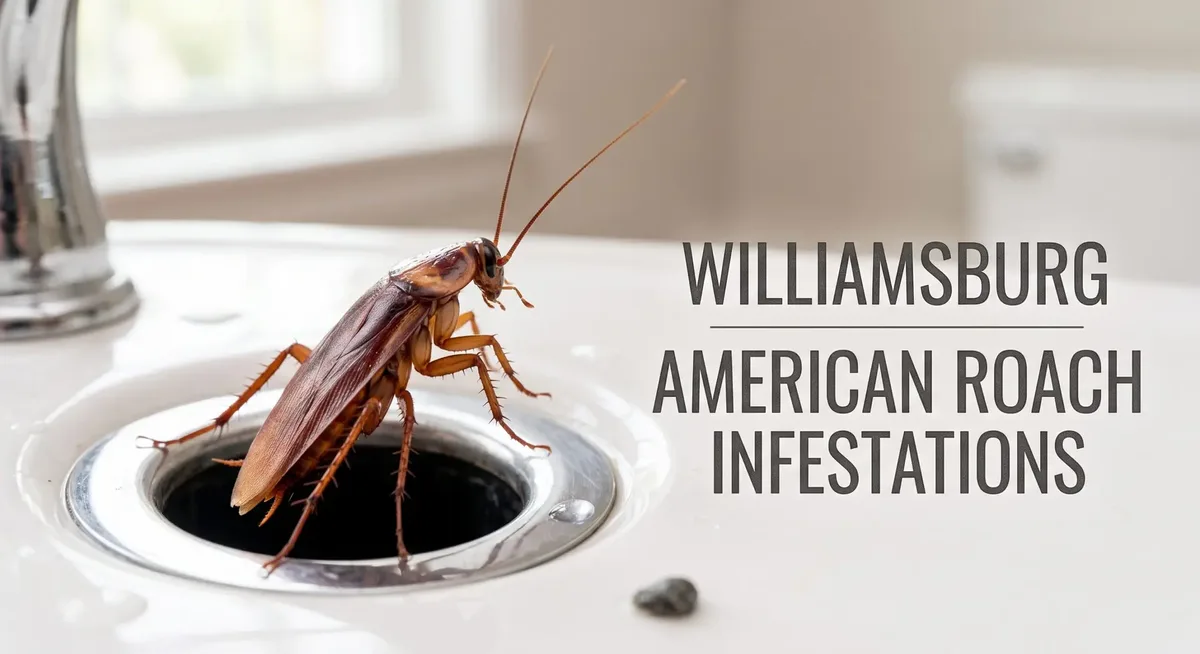
The most frustrating aspect of an American roach infestation is that it rarely stems from a sanitation issue. You can keep your kitchen immaculate and still flip on the bathroom light at night to find a massive roach staring back at you from the tub or sink.
This happens because the pests use your drainage infrastructure as a direct highway into your living spaces. They travel seamlessly through sewer lines, climb through unsealed utility penetrations under your sinks, or slip past dried-out P-traps in guest bathrooms or utility sinks that don’t get daily use. Once inside your walls, they follow the warmth of your water pipes directly to your kitchens and bathrooms.
The Hidden Health Risks
Aside from the undisputed “ick factor,” an active American roach infestation poses genuine health concerns for your household.
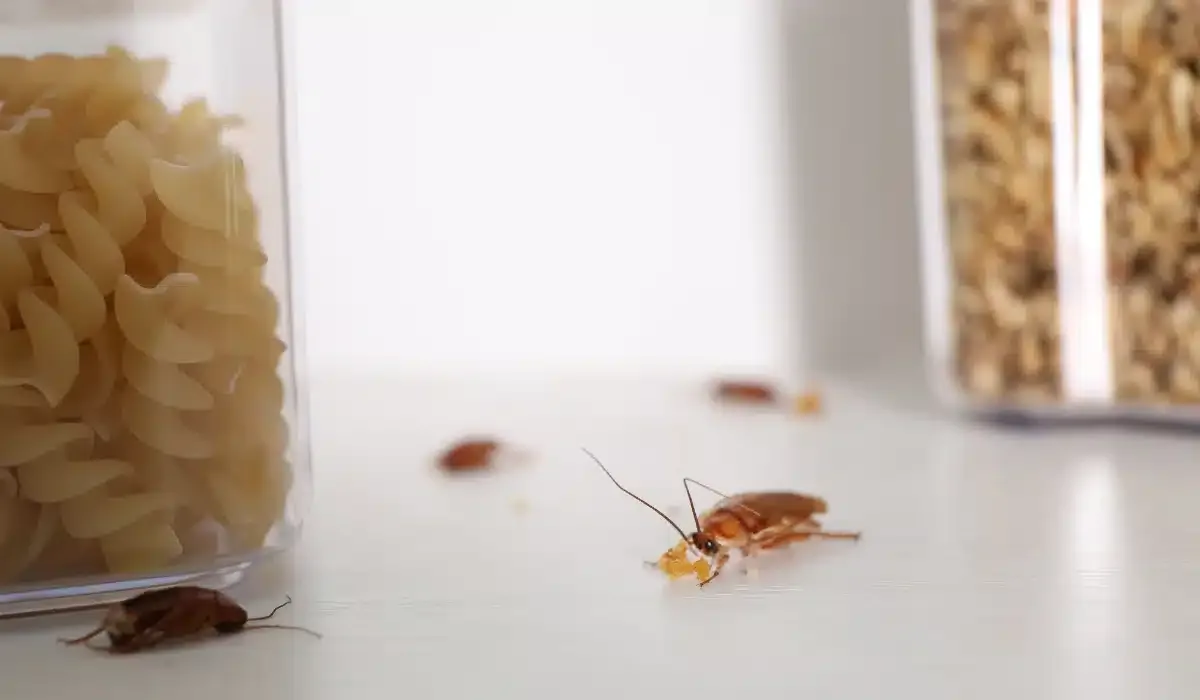
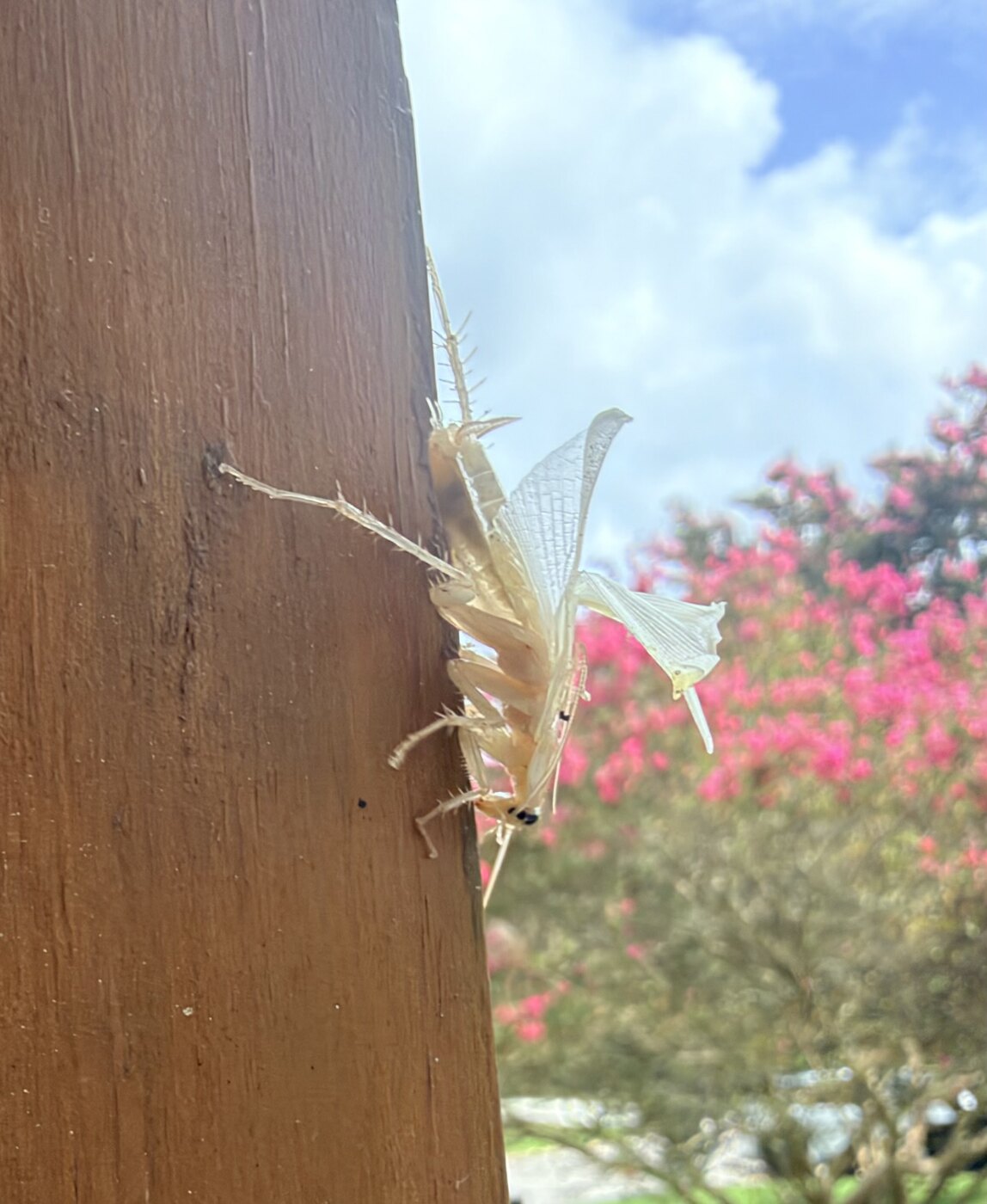
Because these insects actively travel through sewers, storm drains, and decomposing leaf litter before entering your home, they carry bacteria, pathogens, and fungi on their legs and bodies. They shed their skins and leave behind droppings that can severely contaminate food preparation surfaces and trigger asthma attacks or allergic reactions, particularly in children and the elderly.
How to Protect Your Property
Evicting American cockroaches from a Williamsburg home requires a heavy focus on structural exclusion and moisture management, rather than just spraying the baseboards.
- Seal the Entry Points: Use silicone caulk or expanding foam to seal the gaps around plumbing pipes where they enter through the walls under your sinks.
- Prime Your Drains: Pour water down rarely used drains, basement floor drains, and guest showers weekly to keep the water barrier inside the P-trap intact.
- Manage Exterior Perimeter Moisture: Keep gutters completely clear so water doesn’t pool along the foundation, and pull decorative mulch back at least six inches away from your home’s siding or brickwork.
- Evaluate Your Crawl Space: Consider upgrading your crawl space with a professional vapor barrier or dehumidification system to permanently strip away the humid environment these pests rely on to breed.
Because American roach colonies frequently originate deep within underground utility lines or crawl space voids, generic indoor store sprays will not solve the root issue. True eradication requires a comprehensive, perimeter-focused strategy that stops them before they ever have the chance to climb up your pipes.