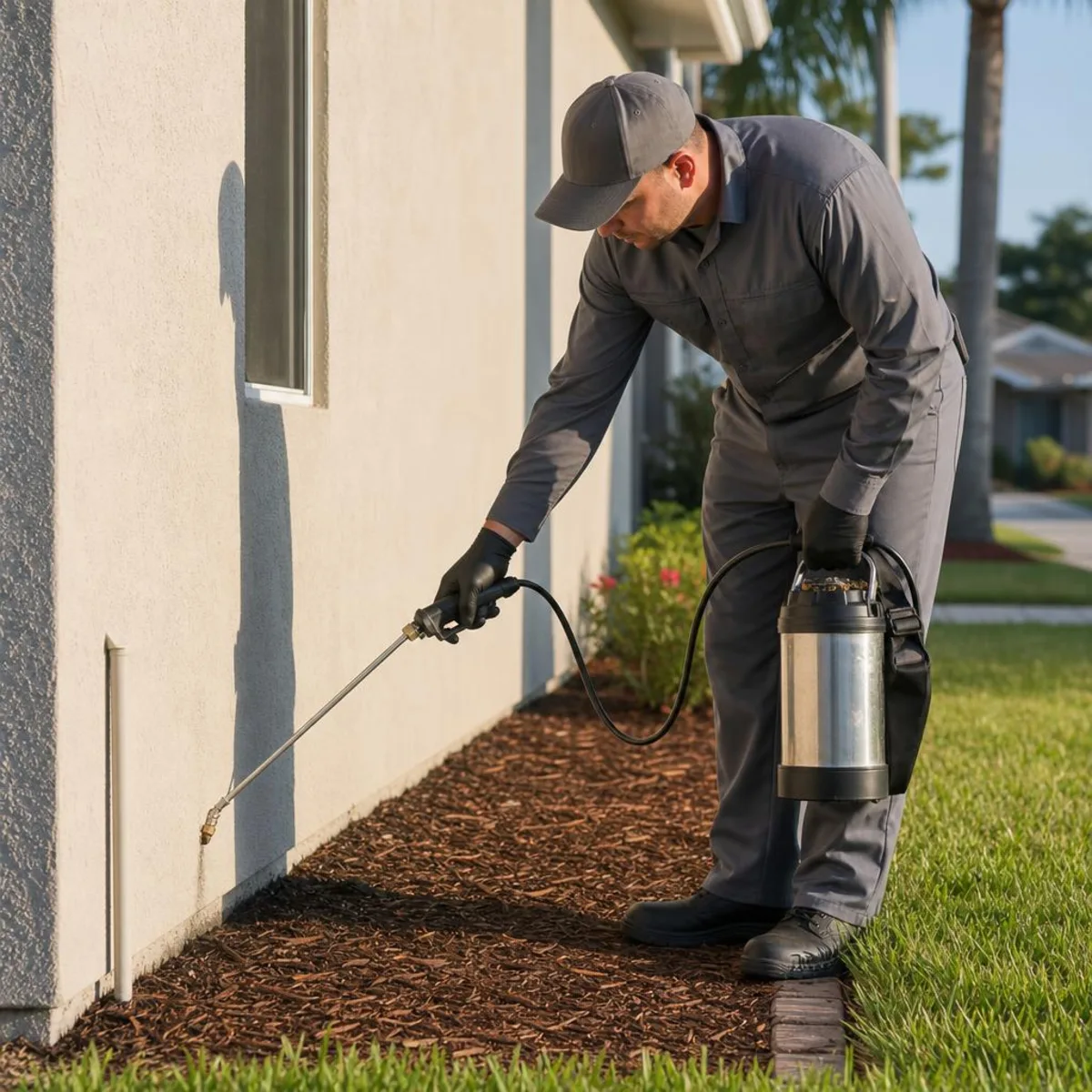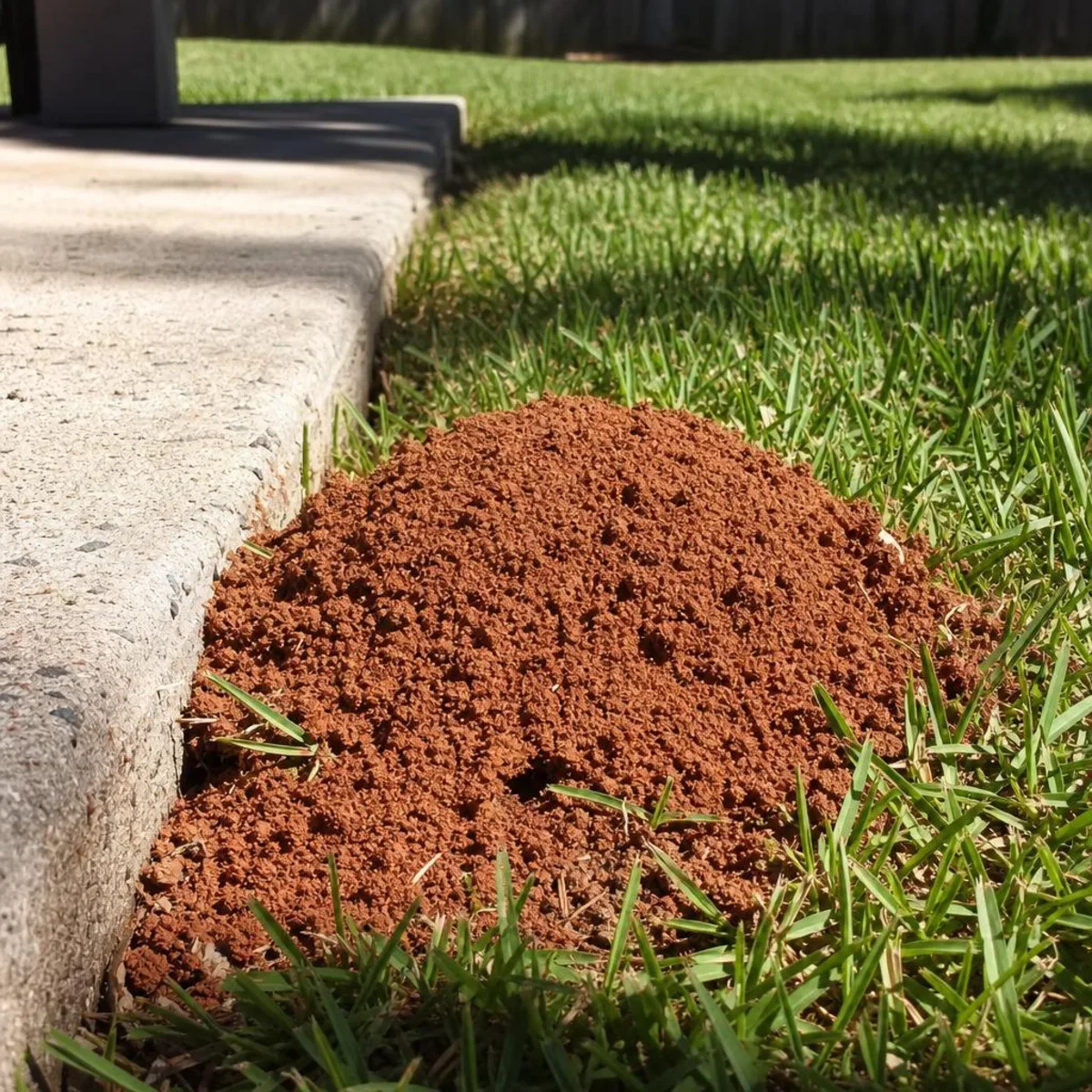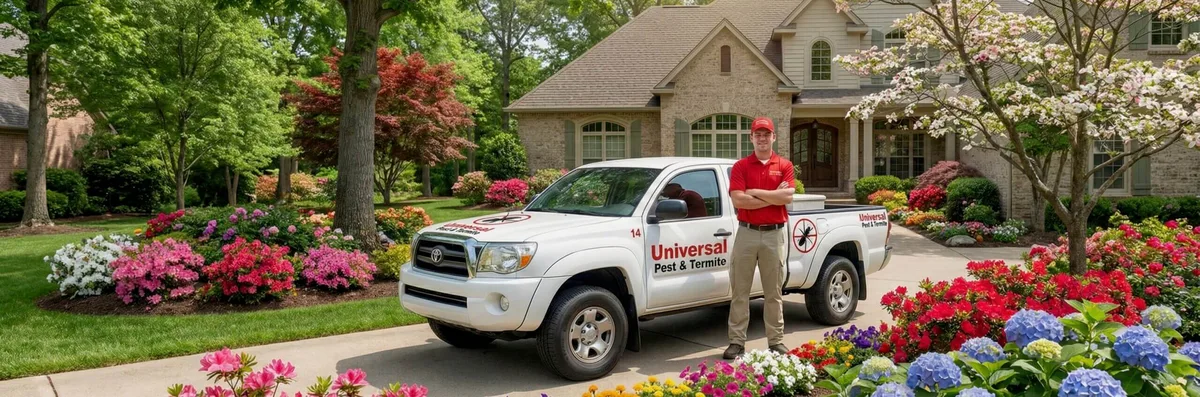
In Newport News, Hampton, and across the 757, the October 2026 “False Summer” is officially here. While we’re all enjoying the 70-degree spikes, the local ant population is waking up hungry.
Most homeowners see a few ants in the kitchen and reach for a can of spray. But as a leader in the home service industry, I’m here to tell you that those “nuisance” ants are a legitimate threat to your family’s health and your household budget.
By the Numbers: How Kitchen Ants Impact Your Health and Your Wallet
When ants invade your kitchen, they aren’t just looking for a snack; they are actively compromising your food safety. In 2026, the data shows that the “silent” costs of an ant infestation add up faster than you think.
1. The Bacteria Transfer Rate
Ants are opportunistic foragers that travel through drains, trash cans, and damp crawlspaces before stepping onto your bread or fruit.
-
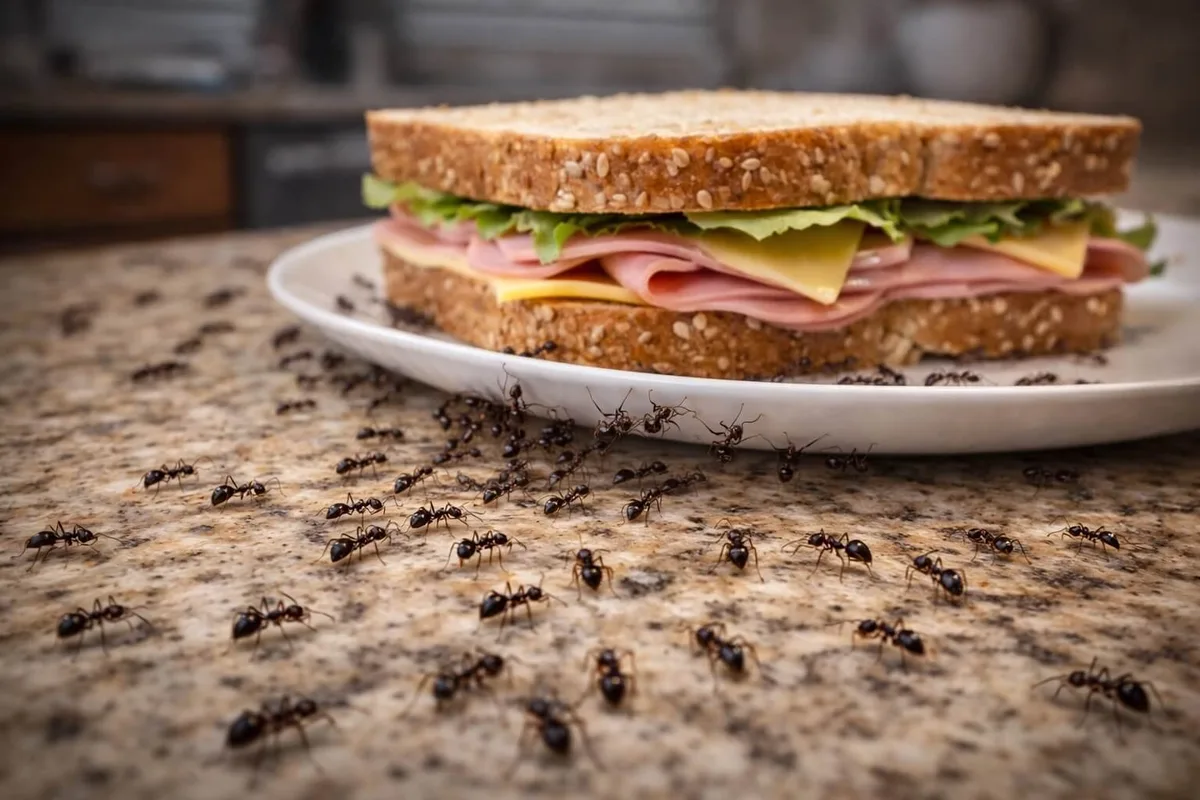
70% Transference: Research indicates that ants can transfer pathogens like E. coli to food surfaces at a staggering rate of 70% upon contact.
-
The Pathogen Load: In recent studies, 100% of kitchen ants were found to harbor yeasts and molds, while over 50% carried coliforms.
-
The “Hitchhikers”: Beyond E. coli, house ants in the Hampton Roads area are known vectors for Salmonella, Staphylococcus, and Listeria.
2. Financial Impact: Food Waste & Replacement
In today’s economy, food prices are at a premium. An ant infestation is a direct hit to your grocery budget.
-
$2,913 Annual Loss: The average American household of four currently loses nearly $3,000 per year to wasted food.
-
The “One-Ant Rule”: Because ants lay pheromone trails, finding just a few ants in a cereal box or flour bag usually means the entire item is contaminated and must be thrown away.
-
Budget Leak: Homeowners effectively toss 10% to 15% of their monthly grocery budget when a pantry infestation goes unchecked.
2026 Pricing: Protection That Fits Your Budget
You shouldn’t have to choose between a full pantry and a clean home. We offer solutions that fit the 757 lifestyle.
-
Professional Ant Control: In Hampton Roads, a targeted kitchen treatment typically ranges from $87 to $287.
-
The Universal Solution: Our protection plans start as low as $38/month. This ensures that as we move from the “False Summer” into the humid Virginia summer, your home stays protected.
-
SmartPay Financing: For larger issues—like Carpenter Ants causing structural damage in your crawlspace—we offer SmartPay. This allows you to bundle your pest treatment, insulation updates, and structural repairs into one manageable monthly payment.
Top 5 Hampton Roads Kitchen Ant FAQs
1. Why are ants suddenly in my kitchen this October?
Our local “False Summer” weather—heavy rain followed by heat—floods outdoor nests and forces colonies inside to find dry ground. In neighborhoods like Hilton Village or Buckroe, these sudden shifts trigger immediate indoor foraging.
2. Are these “Sugar Ants” or something more dangerous?
Most are Odorous House Ants (which smell like rotten coconut when crushed), but be careful. If you see larger ants, you might have Carpenter Ants, which tunnel through your home’s structure.
3. Can I just use DIY sprays?
DIY sprays only kill the ants you see (the “scouts”). They often cause “budding,” where the colony senses a threat and splits into three or four new colonies inside your walls, making the problem much worse.
4. How do ants get into my kitchen in the first place?
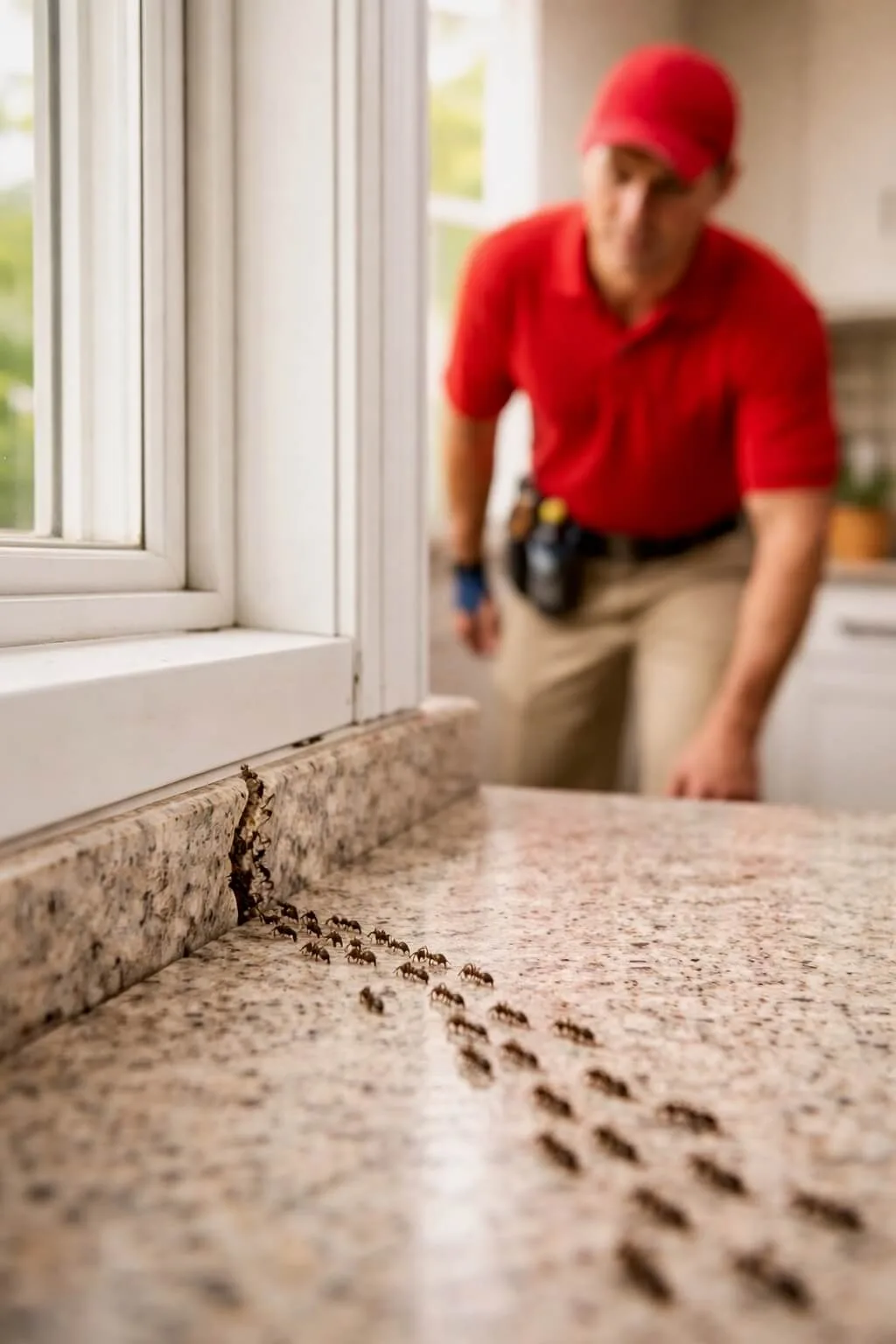
Most trails lead straight to the crawlspace. As the Insulation Doctor, I see it daily: sagging insulation and leaky ducts create the moisture ants crave. If your crawlspace is wet, your kitchen will have ants.
5. Is there a way to pay for treatment over time?
Yes! We use SmartPay so you can protect your home for the price of a few cups of coffee a month. It covers everything from basic ant control to major structural repairs.
Stop the Contamination Today
Don’t let a “nuisance” ant turn into a health risk or a $3,000 budget leak.
[Click Here to Schedule Your Free Inspection]
Ask about our SmartPay options and our Total Home Solution for a dry, pest-free crawlspace.