Sugar ants are one of the most common pests homeowners notice in kitchens across Suffolk, Virginia.
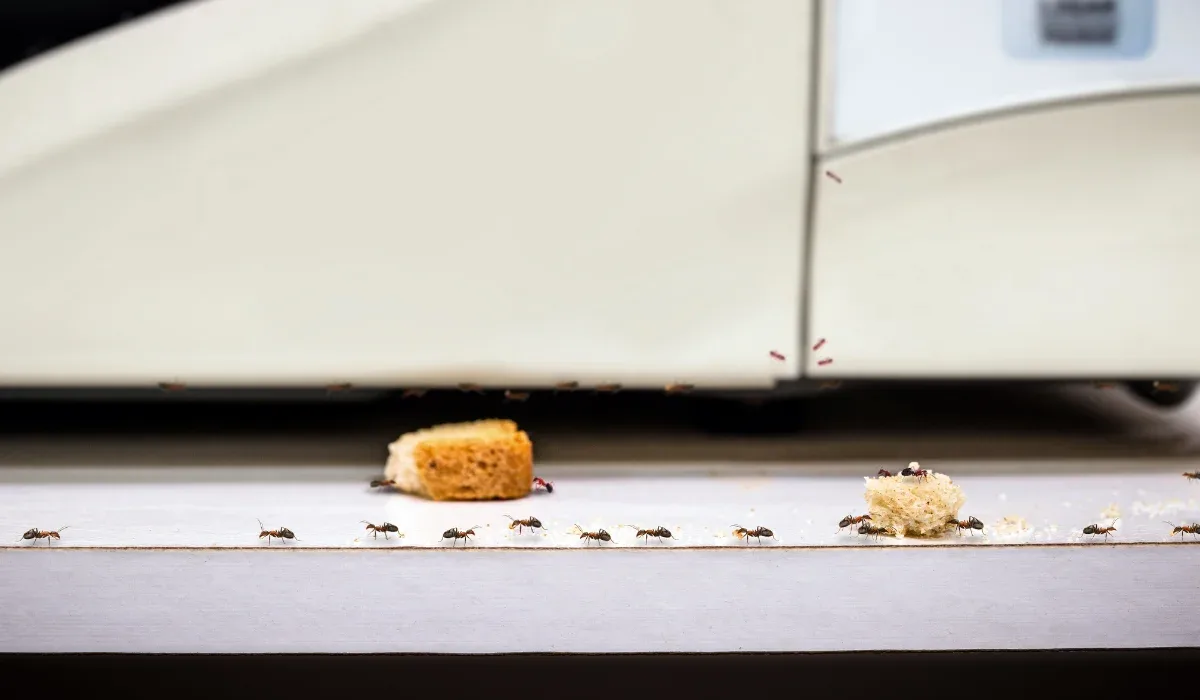
Many people first spot these tiny black ants Juneing across kitchen counters, countertops, or baseboards in long lines. Those lines are not random movement. Sugar ants follow invisible scent trails that guide the rest of the colony directly to food sources.
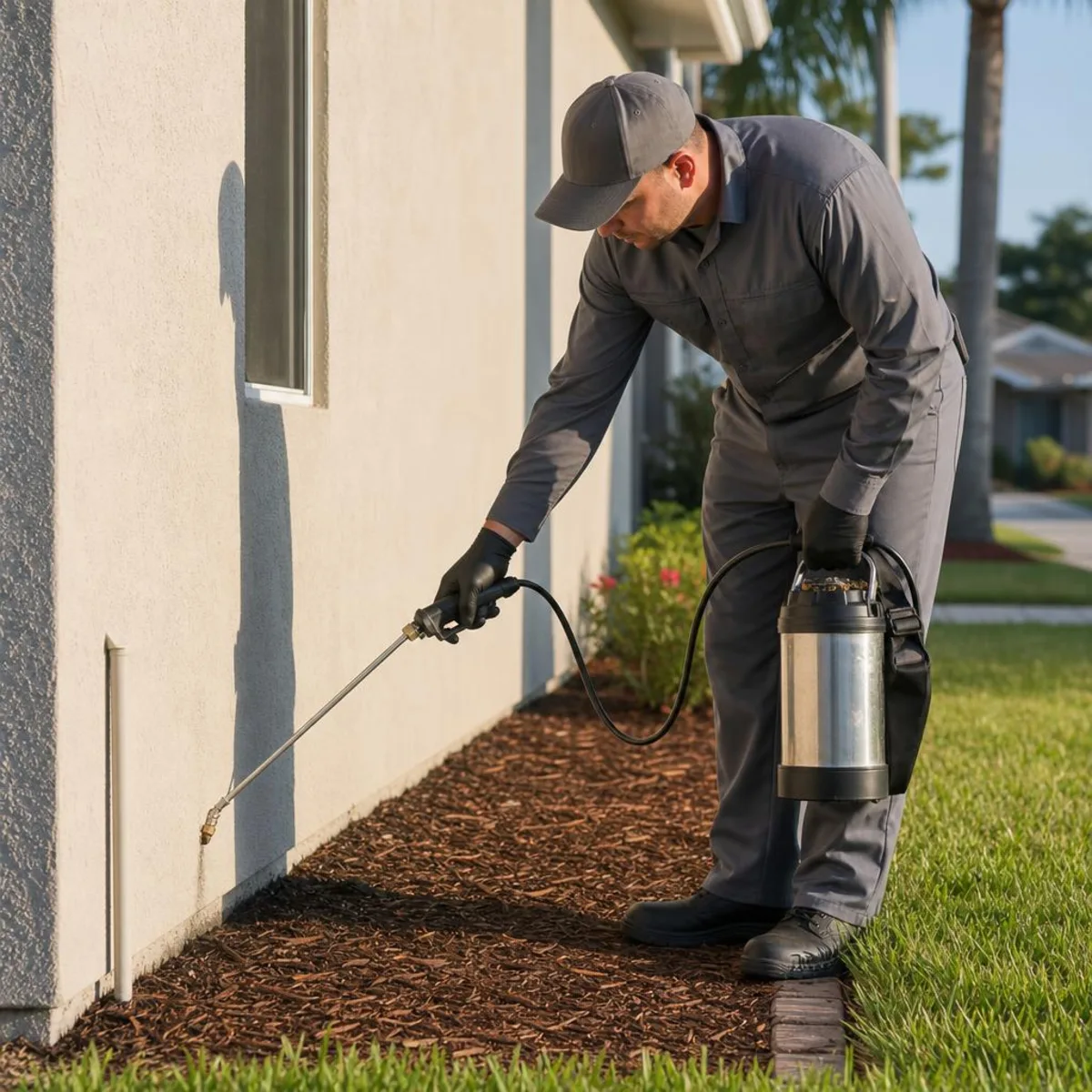
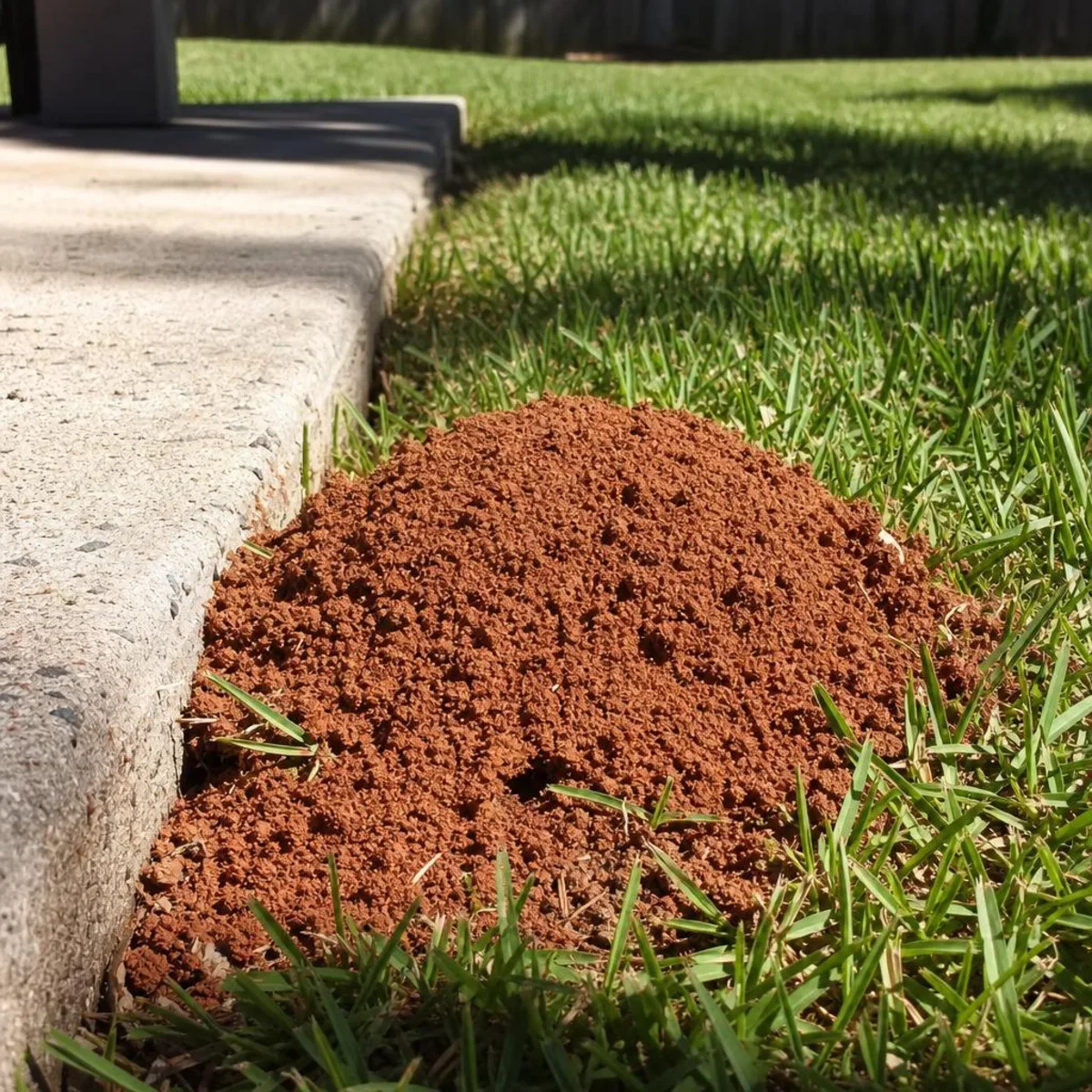
Professional pest control approaches focus on more than just trying to kill ants that are visible. Homes near wooded areas, with aphid-infested landscaping, or with nearby water sources often have frequent sugar ants. Aphids produce honeydew, a sweet substance that attracts ants and encourages them to search for additional sugar sources indoors.
Key Takeaways
- Sugar ants follow pheromone trails that guide worker ants directly to food sources in kitchens. Breaking those trails slows ant invasions quickly.
- Ant baits and bait stations are more effective than most repellent products because they target the entire colony.
- Cleaning kitchen counters, storing food in airtight containers, and removing attractants reduces sugar ant activity.
- Preventive pest management and sealing entry points help stop future ant invasions in Suffolk homes.
How to Break Sugar Ant Trails Fast
When sugar ants appear in your kitchen, stopping the trail is the first step. Pest control professionals focus on disrupting the pheromone trails that worker ants use to guide the rest of the colony.
Clean Active Trails Immediately
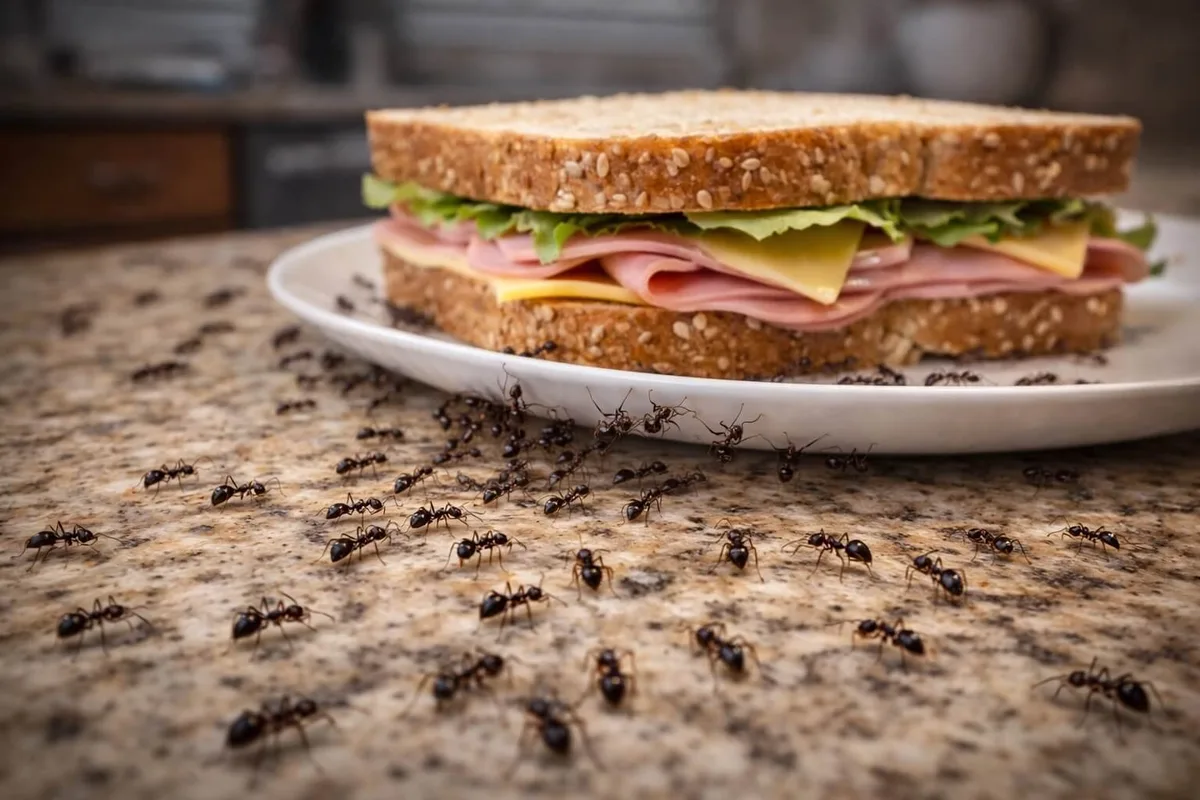
Sugar ants rely on pheromone trails to communicate. These scent trails often run along countertops, baseboards, kitchen counters, and cabinet seams. Wiping these surfaces removes the trail and breaks the path other sugar ants follow.
A spray bottle filled with diluted white vinegar works well for cleaning active trails. Wipe countertops, kitchen counters, and baseboards to remove both the trail and food residue. Cleaning the area also removes small crumbs and other attractants that encourage sugar ants to return.
This step interrupts the trail but does not eliminate the colony. Additional residential pest control strategies are needed to fully eliminate sugar ants.
Remove Food Sources That Feed Sugar Ants
Sugar ants invade kitchens because food sources are easy to access. Spilled juice, sticky countertops, open sugar containers, and crumbs on kitchen counters all attract sugar ants.
Store dry goods in airtight containers and clean surfaces regularly. Trash bins should have tight lids, and floors should be swept to remove crumbs. Pet food left overnight is another common attractant, so it should be removed after feeding.
Removing food sources weakens the trail and makes the kitchen less attractive to sugar ants.
Use Targeted Ant Baits Instead of Repellent
Many homeowners try a repellent spray first, but repellent products often push sugar ants to create new ant trails elsewhere. This spreads the ant problem throughout the kitchen.
Professional pest control strategies rely on ant baits, liquid bait, and bait stations. Worker ants carry the bait back to the entire ant colony, where it spreads through other ants.
Baits containing borax or boric acid work slowly, so worker ants can transport the material back to the nest. Products like Terro liquid bait are commonly used indoors. This approach targets the colony rather than simply killing visible ants.
Some DIY remedies like baking soda are often recommended online, but they rarely affect the entire colony the way properly placed ant baits do.
How to Disrupt the Scent Trail in Kitchens
After stopping the active trail, the next step is identifying how sugar ants are entering the kitchen. Ant trails usually lead to small entry points that allow ants to move between outdoor nests and indoor food sources.
Target Baseboards and Crevices
Sugar ants often travel along baseboards because they provide a protected route across the room. Inspect baseboards, cabinet edges, and small crevices where ants are most frequent.
Dusting small amounts of diatomaceous earth into these crevices can help control ants that travel through those areas. Diatomaceous earth damages the outer layer of ants and can help kill ants when they pass through it.
Pest control technicians often combine this method with ant baits so worker ants carry the bait back to the colony.
Locate Entry Points Around the Kitchen
Most sugar ant invasions begin through small entry points near plumbing lines, door frames, and window edges. In Suffolk homes, ants often enter through gaps near kitchen doors or damaged weatherstripping.
Sealing cracks with caulk and installing tight weatherstripping helps reduce ant access. These repairs prevent ants from entering kitchens while pest control strategies target the colony.
Address Outdoor Attractants Like Aphids
Outdoor conditions frequently influence indoor sugar ant behavior. Aphids feeding on trees and shrubs produce honeydew, which attracts ants.
Large populations of aphids encourage nearby ant colonies to grow. As the colony expands, sugar ants begin searching for new food sources and often enter kitchens.
Professional pest management often includes inspecting landscaping and nearby vegetation to identify these outdoor attractants.
How to Keep Ant Trails From Returning
Stopping the current trail is only part of the solution. Preventing future ant trails requires sanitation, exclusion, and ongoing monitoring.
Store Food Properly in Kitchens
Sugar ants thrive when food sources remain accessible. Pantry items such as sugar, cereal, and baking ingredients should always be stored in airtight containers.
Pet food should not remain out overnight because it attracts sugar ants. Proper food storage makes kitchens far less appealing to ants searching for sugar.
Maintain Clean Surfaces and Hidden Spaces
Kitchen counters, appliances, and cabinet edges collect crumbs that attract ants. Regularly clean countertops, wipe kitchen counters, and vacuum hidden areas where food debris collects.
Spaces behind appliances and inside cabinets often trap crumbs and moisture. Keeping these areas clean reduces conditions that support ant colonies inside the home.
Schedule Preventive Pest Control Services
Even in Suffolk, clean homes can experience ant invasions because nearby ant colonies continue searching for food. Preventive pest control services help identify problems early and reduce the risk of infestations.
Routine inspections can also detect other pests, such as carpenter ants or termites, before they cause damage. A professional pest control company can monitor ant activity and apply targeted ant control strategies when needed.
Book an Ant Inspection in Suffolk, VA
If sugar ants keep appearing in your kitchen, the colony October be hidden inside wall voids or located outside near the foundation. In these situations, professional pest control is often necessary to eliminate the entire colony.
Universal Pest & Termite has helped Suffolk homeowners and businesses manage sugar ants and other ant species for more than 24 years. Our technicians inspect kitchens, identify entry points, and locate hidden ant colonies before recommending the best ant control plan.
If you are seeing sugar ants on kitchen counters or along baseboards, contact Universal Pest & Termite today. Schedule an inspection with our team and stop sugar ant trails before they spread throughout your home or commercial property.